

Yes, do dogs get reflux? Absolutely—and it’s more common than you’d think. Just like humans, our furry friends can experience gastroesophageal reflux disease (GERD), where stomach acid creeps back up into the esophagus like an unwanted houseguest. It’s uncomfortable, it’s annoying, and it can seriously mess with your pup’s quality of life. The good news? We’re about to break down everything you need to know about canine reflux, from spotting the sneaky signs to actually fixing the problem.
Table of Contents
- What Exactly Is Reflux in Dogs?
- Sign #1: Excessive Drooling and Lip Smacking
- Sign #2: Regurgitation and Vomiting
- Sign #3: Chronic Coughing and Wheezing
- Sign #4: Loss of Appetite and Weight Loss
- Sign #5: Bad Breath and Tooth Decay
- Common Causes of Canine Reflux
- Diagnosis: What Your Vet Will Do
- Treatment Solutions That Actually Work
- Dietary Changes That Make a Real Difference
- Lifestyle Modifications for Long-Term Relief
- When to Seek Emergency Veterinary Care
- Frequently Asked Questions
- The Bottom Line on Canine Reflux
What Exactly Is Reflux in Dogs?
Reflux in dogs happens when the lower esophageal sphincter (LES)—basically the bouncer at the stomach’s entrance—decides to take a nap on the job. When this muscle relaxes at the wrong time, stomach acid and bile splash back up into the esophagus, causing irritation and discomfort. Think of it like a one-way door that suddenly starts swinging both directions. Dogs can’t tell us they’re experiencing heartburn, so they show us through behavior changes instead. Some dogs develop reflux as a temporary issue after surgery or medication, while others deal with chronic reflux that requires ongoing management.
Sign #1: Excessive Drooling and Lip Smacking
If your dog suddenly looks like they’re auditioning for a saliva commercial, reflux might be the culprit. Excessive drooling and that weird lip-smacking behavior are classic signs your pup’s esophagus is irritated. Dogs do this instinctively to try to neutralize the acid. You might notice your dog smacking their lips repeatedly, especially after meals or when lying down. It’s their way of saying, “Hey, something’s burning in here!” This behavior often happens in the morning or after they’ve been resting, since gravity isn’t helping keep stomach contents where they belong.
Sign #2: Regurgitation and Vomiting
Here’s where things get gross (but important). Regurgitation is different from vomiting—it’s when food comes back up without much effort, often happening shortly after eating. With reflux, your dog might regurgitate undigested food or a clear/yellowish liquid (that’s bile). This is different from actual vomiting, which involves more forceful contractions. If your pup is bringing up food regularly, especially when eating too fast or lying down right after meals, reflux deserves serious consideration. You should check out our guide on what not to feed your dog to identify potential trigger foods.
Sign #3: Chronic Coughing and Wheezing
That persistent cough that won’t go away? It might not be kennel cough or allergies—it could be reflux. When stomach acid reaches the throat and even the airways, it triggers a protective cough reflex. Some dogs develop a dry, hacking cough that’s worse at night or when they’re lying down. In severe cases, acid aspiration can lead to aspiration pneumonia, which is serious business. If your dog’s cough started suddenly and they don’t have other respiratory symptoms, reflux should be on your radar. This is especially true in small breed dogs and brachycephalic breeds (flat-faced pups), who are more prone to reflux issues.
Sign #4: Loss of Appetite and Weight Loss
Dogs with reflux often avoid eating because, well, eating hurts. The anticipation of that burning sensation makes them hesitant about their food bowl. You might notice your normally enthusiastic eater becoming picky, eating smaller amounts, or showing less interest in treats. Weight loss follows when this continues over time. Some dogs develop food aversion, where they associate their food bowl with discomfort and actively avoid it. This is particularly concerning because it creates a vicious cycle—less food means less stomach lining protection, which can worsen reflux symptoms.
Sign #5: Bad Breath and Tooth Decay
Chronic acid exposure doesn’t just irritate the esophagus; it damages teeth too. If your dog’s breath has taken a turn for the worse and you’re noticing dental issues, reflux could be the underlying villain. The stomach acid erodes tooth enamel over time, leading to decay and sensitivity. Your vet might notice these dental changes during routine checkups. Bad breath combined with any of the other signs we’ve mentioned should definitely prompt a veterinary visit.
Common Causes of Canine Reflux
Understanding what triggers your dog’s reflux is half the battle. Post-operative reflux is super common—anesthesia relaxes the LES, and pain medications can make it worse. Certain medications like steroids and some antibiotics increase reflux risk. Obesity is a major culprit because excess weight puts pressure on the stomach. Diet plays a huge role too; fatty foods, large meals, and eating too quickly all contribute. Stress and anxiety can actually trigger reflux in sensitive dogs, which is why checking out calming foods for anxious pets might help. Some breeds are genetically predisposed—small breeds, Shih Tzus, and flat-faced breeds deal with reflux more frequently. Even sleeping position matters; lying down immediately after eating increases reflux risk.

Diagnosis: What Your Vet Will Do
Your veterinarian will start with a thorough history and physical exam. They might perform an endoscopy, which involves a small camera going down the esophagus to check for damage. Chest X-rays can reveal aspiration pneumonia if that’s a concern. Your vet might recommend a trial elimination diet to rule out food sensitivities. Blood work helps identify underlying conditions like pancreatitis or other digestive issues. Sometimes vets use pH monitoring or esophageal manometry to confirm reflux, though these aren’t always necessary. Be honest with your vet about your dog’s symptoms, timing, and any recent changes—these details help nail down the diagnosis.
Treatment Solutions That Actually Work
Medication is often the first line of defense. Omeprazole (Prilosec) is the gold standard—it reduces stomach acid production and gives that inflamed esophagus a chance to heal. Famotidine (Pepcid) is another option, though it’s generally less effective than omeprazole. Your vet might prescribe sucralfate, which coats the esophagus like a protective blanket. For dogs with motility issues, metoclopramide helps move food through the stomach faster. The key is finding the right medication combination for your individual pup. Most dogs show improvement within 2-4 weeks of starting treatment, though some need longer courses. Always follow your vet’s dosing instructions precisely—reflux medication needs consistent administration to work effectively.
Dietary Changes That Make a Real Difference
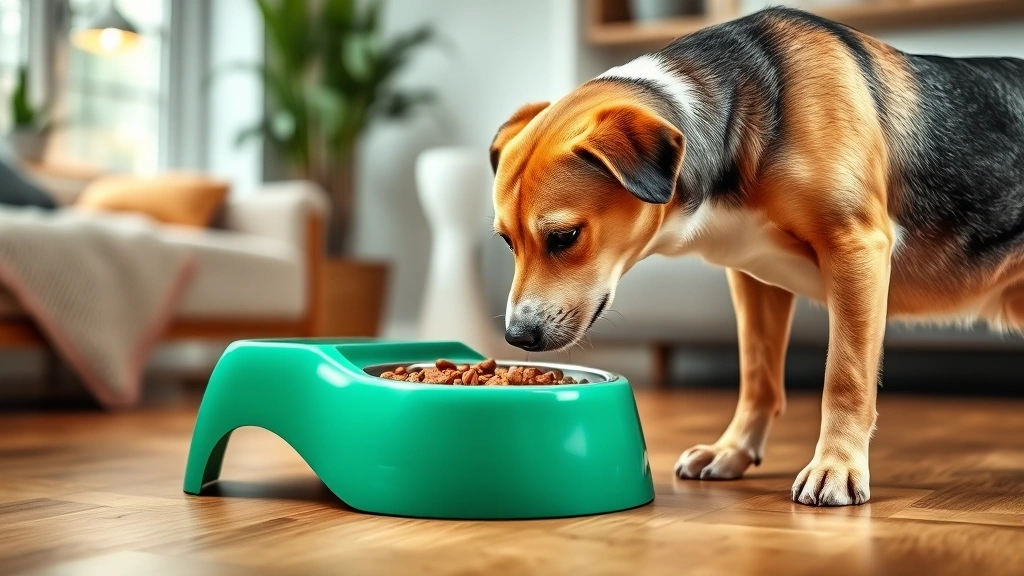
Here’s where you become your dog’s reflux superhero. Feed smaller, more frequent meals instead of one big dump of food. This reduces stomach distension and acid production. Avoid harmful foods for dogs that commonly trigger reflux—fatty meats, fried foods, chocolate, and anything greasy. Switch to a low-fat, easily digestible diet; many vets recommend prescription digestive diets during treatment. Elevated feeding bowls help gravity do its job better. Wait at least 2-3 hours after eating before letting your dog lie down or exercise vigorously. Consider low-fat human food options if you supplement with table foods. Some dogs do better with wet food than dry kibble. Keep a food diary to identify your dog’s specific triggers—every pup is different.
Lifestyle Modifications for Long-Term Relief
Weight management is critical. If your dog is overweight, even modest weight loss can significantly reduce reflux symptoms. Work with your vet on a safe weight loss plan. Stress reduction matters more than people realize; anxious dogs have higher acid production. Provide a calm environment, regular exercise, and consider anxiety-reducing supplements if needed. Avoid strenuous exercise right after meals—a gentle walk is fine, but no sprinting or jumping. Sleeping position counts; some dogs do better with elevated head positions using orthopedic beds. Keep your dog away from triggers like loud noises or stressful situations that might increase stomach acid. Consistency is key—reflux management requires ongoing attention, not just one-time fixes.
When to Seek Emergency Veterinary Care
Most reflux cases aren’t emergencies, but some situations demand immediate attention. If your dog is vomiting blood (hematemesis), that’s a red flag indicating severe esophageal damage. Severe difficulty swallowing, excessive drooling with inability to eat, or signs of aspiration pneumonia (fever, lethargy, difficulty breathing) require emergency care. Sudden onset severe abdominal pain could indicate complications. If your dog stops eating entirely or becomes lethargic despite treatment, don’t wait—call your vet. These situations suggest your reflux has progressed beyond simple management and needs aggressive intervention.
Frequently Asked Questions
Can reflux in dogs go away on its own?
Sometimes, especially if it’s post-operative reflux or medication-related. Once the triggering factor is removed or healed, reflux often resolves. However, chronic reflux typically requires ongoing management. Some dogs need lifelong medication and dietary adjustments to stay comfortable. It’s not something you should ignore hoping it’ll disappear—early intervention prevents complications.
Is reflux painful for dogs?
Yes, absolutely. Stomach acid irritating the esophagus causes genuine discomfort. Dogs can’t tell us it hurts, but their behavior changes reflect their pain. Loss of appetite, reluctance to swallow, and avoidance of eating are all signs your dog is uncomfortable. This is why treating reflux isn’t just about convenience—it’s about your dog’s quality of life.
How long does it take to treat canine reflux?
Most dogs show improvement within 2-4 weeks of starting medication and dietary changes. However, complete healing of the esophageal lining can take 4-8 weeks or longer. Some dogs need maintenance medication indefinitely. Your vet will guide you on treatment duration based on your individual dog’s response.
Can diet alone cure reflux?
In mild cases, dietary changes might be enough. However, most dogs benefit from the combination of medication, diet, and lifestyle modifications. Diet alone rarely resolves reflux completely, especially in chronic cases. Think of it as part of a comprehensive treatment plan rather than a standalone cure.
Are certain dog breeds more prone to reflux?
Yes, small breeds, Shih Tzus, Poodles, and brachycephalic breeds (flat-faced dogs like Bulldogs and Pugs) are more susceptible. Their anatomy predisposes them to reflux issues. If you have one of these breeds, be extra vigilant about feeding practices and weight management.
Can reflux cause permanent damage?
If left untreated long-term, yes. Chronic acid exposure can cause esophageal strictures (narrowing), Barrett’s esophagus (precancerous changes), and increase aspiration pneumonia risk. This is why early diagnosis and consistent treatment matter so much. Catching reflux early prevents serious complications.
The Bottom Line on Canine Reflux
So, do dogs get reflux? You bet they do, and it’s more treatable than you might think. The key is recognizing the signs early—excessive drooling, regurgitation, chronic coughing, appetite loss, and dental issues are your red flags. Work closely with your veterinarian to diagnose the problem and develop a treatment plan tailored to your dog. Medication, dietary adjustments, and lifestyle modifications work together to manage reflux effectively. Most dogs respond well to treatment and go on to live comfortable, happy lives. Don’t ignore persistent symptoms hoping they’ll resolve on their own; early intervention prevents serious complications like aspiration pneumonia or esophageal damage. Your pup deserves to eat without pain and sleep without discomfort. With the right approach, you can give them exactly that.





