
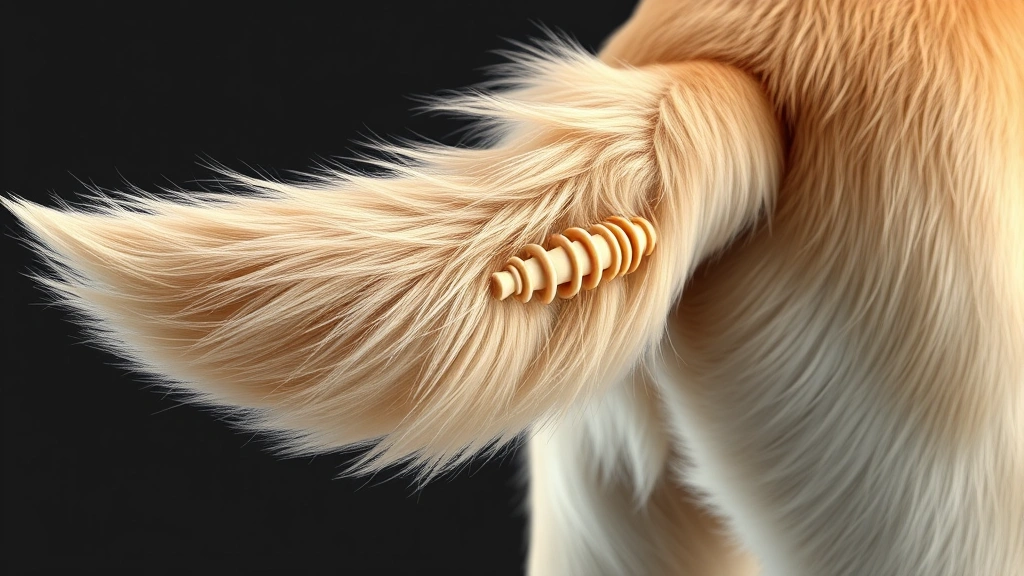
Yes, do dogs have bones in their tails—and it’s way more fascinating than you might think! Your pup’s tail isn’t just a furry appendage for wagging; it’s actually a sophisticated structure packed with bones, muscles, and nerves that work together like a tiny biological marvel. If you’ve ever wondered why your dog’s tail moves with such precision and flexibility, the answer lies in an intricate skeletal system that would make an engineer jealous.
Table of Contents
- The Tail’s Bony Framework: Caudal Vertebrae Explained
- Understanding Canine Tail Structure and Anatomy
- Different Breeds, Different Tail Bones
- How Tail Bones Help Your Dog Balance and Move
- Tail Injuries and Bone Damage in Dogs
- The Tail’s Role in Canine Communication
- Tail Health and Nutrition for Strong Bones
- Common Tail Problems Beyond Broken Bones
- Fascinating Tail Facts You Didn’t Know
- Why Some Dogs Have Curly or Twisted Tails
- The Evolution of Dog Tails
- Frequently Asked Questions
- Conclusion: Appreciating Your Dog’s Tail
The Tail’s Bony Framework: Caudal Vertebrae Explained
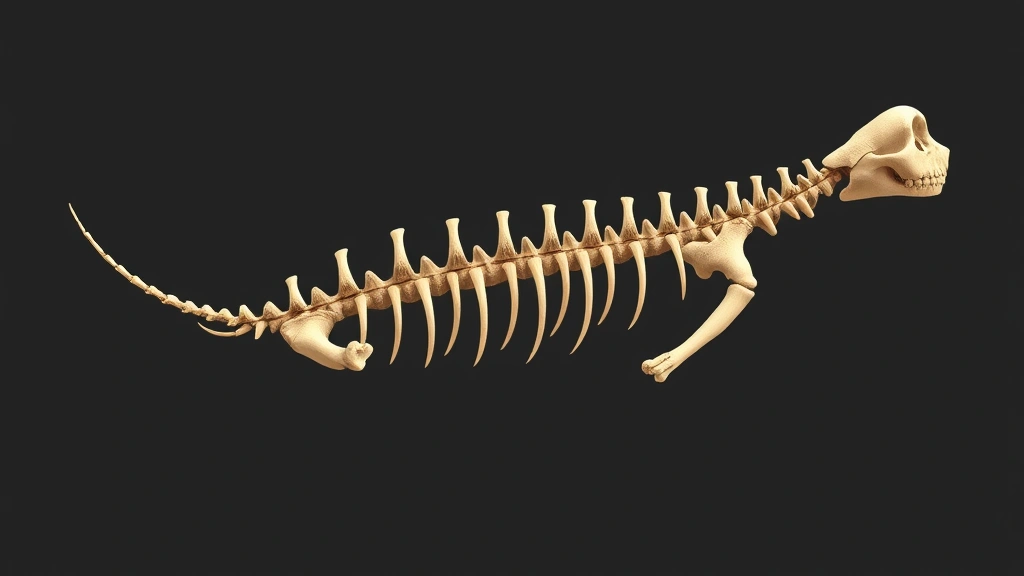
Dogs have a series of bones in their tails called caudal vertebrae. These are essentially extensions of the spine that continue from the sacrum (the base of the spine near the hips). Most dogs have between 20 to 23 of these vertebrae, though the exact number varies by breed. Think of them like a chain of tiny building blocks—each one is smaller than the vertebrae in the main spine, but they’re just as important for tail function.
These caudal vertebrae are connected by ligaments and muscles that give the tail its incredible range of motion. Unlike the rigid spine in your own back, your dog’s tail vertebrae are incredibly flexible, allowing for those dramatic wags, tight curls, and precise movements that help with balance and communication.
Understanding Canine Tail Structure and Anatomy
The tail structure in dogs is more complex than many pet owners realize. Beyond the bones, there are muscles, tendons, and nerves all working in harmony. The coccygeus muscle is the primary muscle group responsible for tail movement, supported by several other muscles that allow dogs to move their tails in virtually any direction.
The tail also contains blood vessels and nerves that provide sensation. This is why when you accidentally step on your dog’s tail, they yelp immediately—those nerves are highly sensitive! The tail’s anatomy serves multiple purposes, from balance during running to temperature regulation (yes, really—dogs can adjust blood flow to their tails to release heat).
Different Breeds, Different Tail Bones
Not all dog tails are created equal, and neither are their bone structures. Breeds with long, whip-like tails (like Greyhounds) have more vertebrae and greater spacing between them, allowing for that dramatic sweeping motion. Meanwhile, breeds with short, stubby tails (like Bulldogs or Corgis) have fewer caudal vertebrae and tighter spacing.
Some breeds, like Dobermans and Boxers, have historically had their tails docked—a practice that removes some of the tail bones entirely. However, this practice is increasingly controversial and illegal in many countries because it removes the dog’s natural ability to communicate and balance properly.
How Tail Bones Help Your Dog Balance and Move
Those bones in your dog’s tail serve a critical function beyond just looking cute. The tail acts as a counterbalance when dogs run, jump, and turn. Watch a dog making a sharp turn at high speed—their tail swings in the opposite direction to help distribute weight and maintain stability. This is especially important for working dogs like Border Collies and Australian Shepherds, who need precise balance for herding and agility work.
The tail also helps with swimming. When dogs paddle through water, their tail acts like a rudder, helping them steer and maintain direction. The bony structure provides the rigidity needed for this movement while the flexibility allows for steering adjustments.
Tail Injuries and Bone Damage in Dogs
Because the tail contains bones, it’s vulnerable to injury. A broken tail bone can occur from being stepped on, caught in a door, or from trauma during play or accidents. Signs of tail injury include limping of the tail, swelling, inability to move the tail normally, or visible deformity.
If you suspect your dog has a tail injury, it’s important to get it checked out. Visit your veterinarian or consider a virtual pet checkup for initial assessment. Most tail fractures heal well with rest and proper care, though severe injuries might require veterinary intervention. Keep an eye on your pup’s tail health, especially if they’re active or prone to accidents.
The Tail’s Role in Canine Communication
Your dog’s tail is basically their emotional billboard, and those bones make it all possible. The flexibility provided by the caudal vertebrae allows dogs to express a wide range of emotions through tail position and movement. A high, stiff tail often indicates confidence or alertness, while a tucked tail suggests fear or submission.
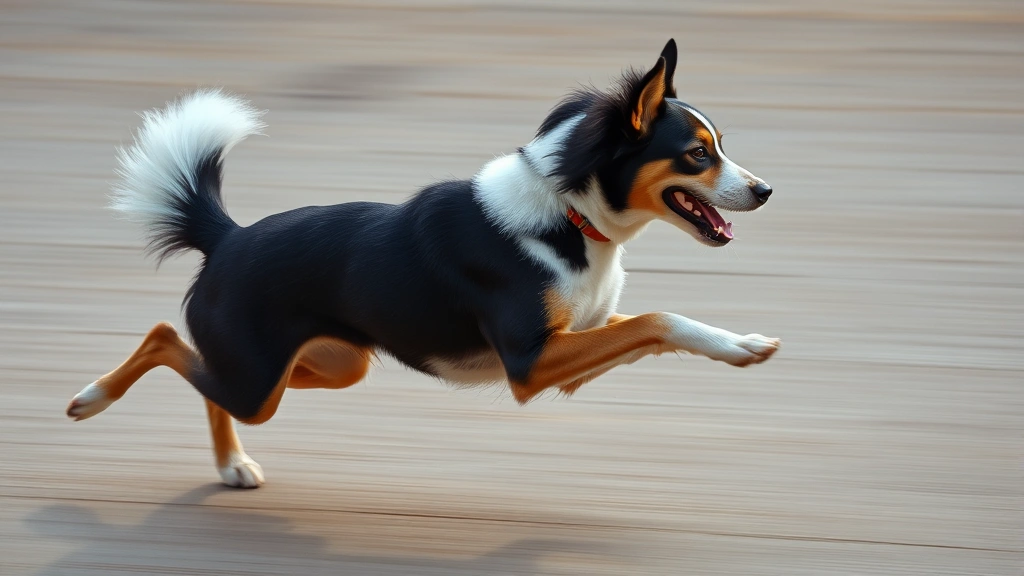
The wagging motion itself—which requires coordinated movement of multiple tail bones—is a sign of happiness and friendliness. Different wag patterns can indicate different emotions: a full-body wag with the tail at mid-height usually means genuine happiness, while a slow, low wag might indicate uncertainty or caution. Dogs without tails or with severely docked tails lose much of this communication ability, which is one reason many veterinary organizations now discourage tail docking.
Tail Health and Nutrition for Strong Bones
To keep your dog’s tail bones healthy and strong, proper nutrition is essential. Dogs need adequate calcium, phosphorus, and vitamin D to maintain bone density and strength. A balanced diet supports not just tail health but overall skeletal system function.
If you’re concerned about your dog’s bone health, check out our pet nutrition advice for comprehensive guidance. Additionally, certain supplements and herbs safe for pets can support joint and bone health, though you should always consult your vet before introducing new supplements.
Common Tail Problems Beyond Broken Bones
While broken bones get the headlines, there are other tail issues that affect the caudal vertebrae and surrounding structures. Tail paralysis can occur after injury or in certain breeds prone to spinal issues. Intervertebral disc disease can affect the discs between tail vertebrae, causing pain and mobility issues.
Some dogs experience limber tail syndrome, where the tail becomes flaccid and unresponsive, usually after strenuous activity or cold water exposure. While usually temporary, it can be uncomfortable. If your dog’s tail seems abnormal, a pet telehealth consultation can help determine if professional evaluation is needed.
Fascinating Tail Facts You Didn’t Know
Here’s something wild: dogs can actually feel pain in their tails just like they feel it anywhere else on their body. The caudal vertebrae are connected to the spinal cord, which means tail injuries can sometimes cause referred pain or discomfort in the rear legs.
Another cool fact? A dog’s tail can move independently of their body movement. While the rest of the dog is still, they can wag their tail rapidly—try doing that with your spine! This independence of movement is only possible because of the specialized bone structure and muscle arrangement in the tail.
Why Some Dogs Have Curly or Twisted Tails
Ever notice how some breeds like Pugs and Akitas have naturally curly or twisted tails? This is due to variations in the caudal vertebrae structure. These breeds have vertebrae that naturally curve or spiral, creating that distinctive tail shape. It’s not a deformity—it’s a breed characteristic that’s been selected for over generations.
Interestingly, some dogs are born with kinked or twisted tails due to genetic factors affecting vertebral development. As long as the tail is functional and not causing pain, this is usually just cosmetic and doesn’t affect the dog’s quality of life.
The Evolution of Dog Tails
Dogs inherited their tail structure from their wolf ancestors, where tails served similar functions in balance, communication, and thermoregulation. Over thousands of years of domestication, tail shapes have changed dramatically through selective breeding, but the basic bone structure remains consistent.
Modern dogs have retained the flexible caudal vertebrae that make their tails so expressive and functional. This is one reason why tail docking is increasingly seen as problematic—we’re removing a feature that has been essential to canine function and communication for millennia.
Frequently Asked Questions
How many bones are in a dog’s tail?
Most dogs have between 20 to 23 caudal vertebrae in their tails, though this number can vary by breed and individual dog. Larger breeds might have more vertebrae, while smaller breeds might have fewer.
Can a dog survive without a tail?
Yes, dogs can survive without a tail. However, they lose important functions including balance, communication, and temperature regulation. Dogs born without tails or those whose tails are docked can adapt, but they’re at a disadvantage for these functions.
What does a broken tail bone feel like to a dog?
A broken tail bone is painful. Dogs with tail fractures typically show signs of pain when the tail is touched, reluctance to move it, swelling, and sometimes behavioral changes like increased anxiety or aggression if the tail is handled.
Are tail bones the same as spine bones?
Caudal vertebrae are similar to spine bones but smaller and more flexible. They’re actually a continuation of the spine, starting where the sacrum ends. They have the same basic structure but are adapted for the tail’s specific functions.
Can dogs control their tail wagging?
Dogs have some conscious control over their tail wagging, but much of it is involuntary. The tail wagging is often an automatic response to emotions, similar to how humans automatically smile when happy.
Do all dog breeds have the same number of tail bones?
No, the number of caudal vertebrae varies slightly between breeds. Breeds with longer tails typically have more vertebrae and greater spacing, while short-tailed breeds have fewer.
Conclusion: Appreciating Your Dog’s Tail
So, do dogs have bones in their tails? Absolutely—and now you know just how important those bones are! Your dog’s tail is far more than just a cute accessory; it’s a sophisticated biological structure with 20+ bones working in perfect harmony with muscles, nerves, and blood vessels. These bones enable your pup to balance, communicate emotions, regulate temperature, and navigate the world with grace and precision.
The next time you watch your dog wag their tail in pure joy or use it for balance while running, remember that you’re witnessing an evolutionary marvel. Those caudal vertebrae have been perfected over thousands of years of canine evolution. Treating your dog’s tail with care—and respecting its importance in their life—is just another way to show your furry friend how much you love them.
If you ever have concerns about your dog’s tail health or function, don’t hesitate to reach out to your veterinarian. And for ongoing health and wellness questions, remember that resources like professional pet telehealth services are available to help you keep your pup in top shape.





