
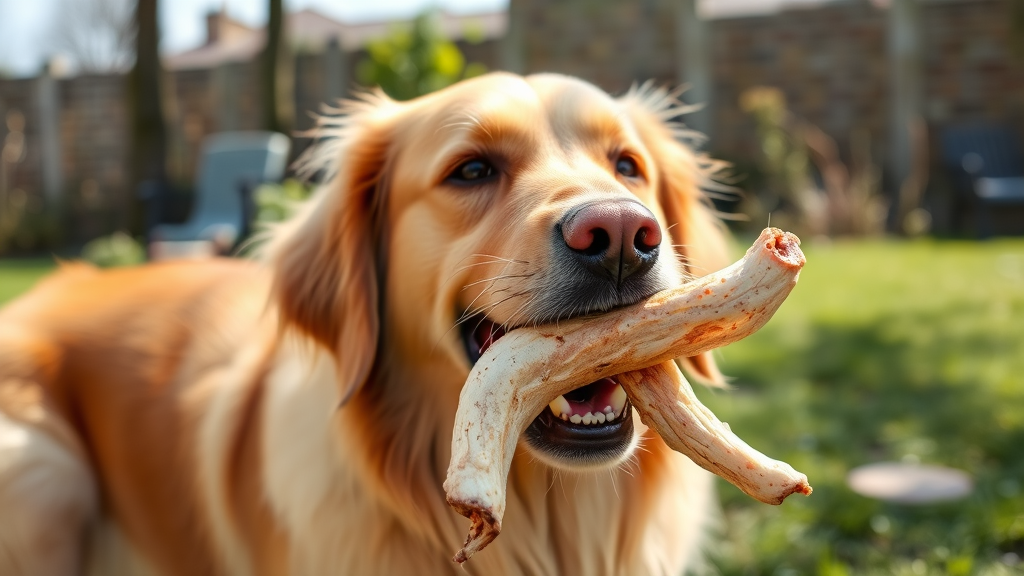
When it comes to choosing the right treats for our beloved canine companions, pet owners often find themselves navigating a maze of options, each promising to be the perfect reward for their furry friends. Among the most popular and debated treats are pig ears, which have been a staple in pet stores for decades. These chewy, protein-rich treats are beloved by many dogs, but their safety and nutritional value continue to spark discussions among veterinarians and pet owners alike.
Understanding whether pig ears are good for dogs requires examining multiple factors, including their nutritional content, potential health benefits, safety concerns, and how they compare to other popular dog treats. While some dogs thrive on pig ears and enjoy them without any issues, others may experience digestive problems or other complications. This comprehensive guide will help you make an informed decision about whether pig ears are the right choice for your four-legged family member.
Nutritional Profile of Pig Ears
Pig ears are primarily composed of cartilage, skin, and a small amount of fat, making them a unique treat in terms of nutritional composition. A typical pig ear contains approximately 69 calories per ear, with about 4.2 grams of protein and 5.2 grams of fat. The protein content makes them appealing to dogs, as protein is essential for muscle development, tissue repair, and overall health maintenance.
The fat content in pig ears is relatively high compared to other dog treats, which can be both beneficial and concerning depending on your dog’s dietary needs and health status. The fat provides energy and helps with the absorption of fat-soluble vitamins, but it can also contribute to weight gain if consumed excessively. Additionally, pig ears contain small amounts of vitamins and minerals, including phosphorus, which supports bone health, and various B vitamins that aid in metabolism.
One notable aspect of pig ears is their chewy texture, which comes from the cartilage and connective tissue. This texture provides mental stimulation and helps satisfy a dog’s natural urge to chew, which can be particularly beneficial for dogs that tend to engage in destructive chewing behaviors. The chewing action also promotes dental health by helping to remove plaque and tartar buildup, though this benefit should not replace regular dental care.
Potential Health Benefits
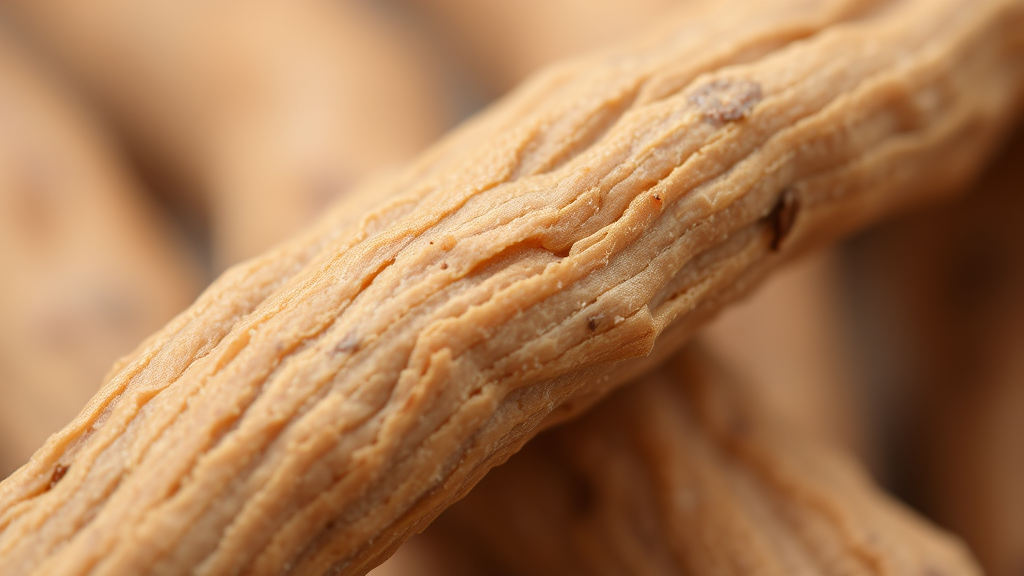
When given appropriately, pig ears can offer several health benefits for dogs. The primary advantage lies in their ability to provide long-lasting entertainment and mental stimulation. Dogs are natural chewers, and providing appropriate outlets for this behavior can prevent them from chewing on furniture, shoes, or other inappropriate items around the house.
The protein content in pig ears supports muscle maintenance and growth, making them particularly beneficial for active dogs or those in their developmental stages. The chewing action required to consume pig ears can also help strengthen jaw muscles and promote better dental hygiene by mechanically removing food particles and plaque from teeth surfaces. However, it’s important to note that while chewing can contribute to oral health, it should complement, not replace, regular brushing and professional dental cleanings.
For dogs with food sensitivities or allergies, pig ears can sometimes serve as an alternative protein source, particularly for dogs that cannot tolerate common proteins like chicken or beef. However, this should always be discussed with a veterinarian before introducing pig ears to a dog with known food allergies, as pork can also be an allergen for some dogs.
Safety Concerns and Risks
Despite their popularity, pig ears do come with several safety concerns that pet owners should carefully consider. One of the most significant risks is the potential for bacterial contamination, particularly with Salmonella. The FDA has issued warnings about Salmonella contamination in pig ear treats, which can cause serious illness in both dogs and humans who handle the treats.
Another major concern is the choking hazard that pig ears can present, especially for aggressive chewers or smaller dogs. As dogs chew on pig ears, pieces can break off and potentially become lodged in the throat or digestive tract, leading to choking or intestinal blockage. This risk is particularly high when the pig ear becomes small enough to swallow whole or when sharp fragments break off during chewing.
The high fat content in pig ears can also pose problems for some dogs, particularly those with sensitive stomachs or pancreatitis. Consuming too much fat can trigger digestive upset, including vomiting and diarrhea, or more seriously, can lead to pancreatitis, a painful and potentially dangerous inflammation of the pancreas. Dogs with a history of pancreatitis or those prone to digestive issues should avoid high-fat treats like pig ears.
Additionally, the processing methods used for some commercial pig ears may involve chemicals or preservatives that could be harmful to dogs. Some pig ears are treated with artificial colors, flavors, or preservatives that serve no nutritional purpose and may cause adverse reactions in sensitive dogs. Unlike rawhide treats, which have their own set of concerns, pig ears are generally more digestible, but they still require careful consideration of quality and sourcing.

Choosing High-Quality Pig Ears
If you decide that pig ears are appropriate for your dog, selecting high-quality products is crucial for minimizing risks and maximizing benefits. Look for pig ears that are sourced from reputable suppliers and processed in facilities that follow strict safety standards. USDA-regulated facilities typically maintain higher safety standards than unregulated producers.
Avoid pig ears that contain artificial colors, flavors, or excessive preservatives. Natural, minimally processed pig ears are generally safer and more nutritious than heavily processed alternatives. The color should be natural, typically ranging from light brown to darker brown, without bright or artificial-looking coloration. Additionally, the texture should be firm but not overly hard, and there should be no unusual odors that might indicate spoilage or contamination.
Consider the size of the pig ear relative to your dog’s size and chewing habits. Larger dogs may be able to handle full-sized pig ears safely, while smaller dogs might be better served with smaller pieces or alternative treats altogether. Some manufacturers offer pig ear strips or smaller portions specifically designed for smaller breeds.
Storage is also important when it comes to maintaining the quality and safety of pig ears. Keep them in a cool, dry place, and follow any storage instructions provided by the manufacturer. Once opened, pig ears should be consumed within a reasonable timeframe to prevent spoilage and bacterial growth.
Proper Serving Guidelines
When introducing pig ears to your dog’s diet, it’s essential to do so gradually and with proper supervision. Start by offering small pieces or allowing supervised chewing sessions to observe how your dog reacts to the treat. Some dogs may experience digestive upset when first introduced to pig ears, particularly if they’re not accustomed to high-fat treats.
Frequency of consumption is crucial when determining if pig ears are appropriate for your dog. These treats should be given sparingly, typically no more than once or twice per week, depending on your dog’s size, activity level, and overall diet. Remember that treats should comprise no more than 10% of your dog’s total daily caloric intake, and the high calorie content of pig ears means they can quickly contribute to this limit.
Always supervise your dog while they’re enjoying a pig ear, especially during the first few times. Watch for signs of choking, difficulty swallowing, or aggressive chewing that might lead to dangerous fragments breaking off. Remove the pig ear if it becomes small enough to swallow whole or if sharp pieces break off that could pose a choking hazard.
Consider your dog’s individual dietary needs when determining appropriate serving sizes. Dogs with weight management concerns, digestive sensitivities, or other health conditions may require modified serving guidelines or may not be suitable candidates for pig ear treats at all. When in doubt about appropriate serving sizes, consult with your veterinarian, especially if you’re also managing your dog’s overall food intake.
Alternatives to Pig Ears
For pet owners who decide that pig ears aren’t the right choice for their dogs, numerous alternatives can provide similar benefits with potentially fewer risks. Bully sticks are one popular alternative that offers long-lasting chewing satisfaction with high protein content and generally better digestibility than pig ears.
Dental chews specifically designed for oral health can provide the teeth-cleaning benefits of pig ears while being formulated with safety and digestibility in mind. The Veterinary Oral Health Council maintains a list of approved dental chews that have been proven effective for maintaining oral health.
Natural bones, when chosen appropriately, can offer similar chewing satisfaction and dental benefits. However, it’s important to choose the right type of bone, as some bones, particularly cooked chicken bones, can be dangerous for dogs. Raw bones from appropriate sources and of appropriate sizes can be safer alternatives, though they still require supervision and consideration of individual dog needs.
For dogs with sensitive stomachs or those requiring low-fat options, vegetables like carrots or sweet potatoes can provide chewing satisfaction with lower calorie and fat content. Frozen Kong toys filled with healthy treats can also provide mental stimulation and chewing satisfaction while being completely safe and reusable.
Veterinary Perspective
Veterinary opinions on pig ears tend to be mixed, with many professionals acknowledging both the potential benefits and significant risks associated with these treats. The American Veterinary Medical Association emphasizes the importance of supervising dogs with any chew treats and being aware of potential hazards.
Many veterinarians express concern about the bacterial contamination risks associated with pig ears, particularly given the FDA warnings about Salmonella contamination. They often recommend more strictly regulated alternatives or suggest that pet owners who choose to give pig ears should source them from reputable suppliers and handle them with appropriate food safety precautions.
From a nutritional standpoint, veterinarians often point out that while pig ears can be part of a balanced diet when given appropriately, they shouldn’t be considered essential nutrition. The high fat content makes them unsuitable for dogs with certain health conditions, and the caloric density means they can contribute to weight gain if not properly accounted for in the dog’s overall diet.
Veterinary dental specialists sometimes acknowledge the potential oral health benefits of appropriate chewing, but they emphasize that treats like pig ears should supplement, not replace, proper dental care including regular brushing and professional cleanings. They also stress the importance of choosing chew treats that match the individual dog’s chewing style and jaw strength to minimize the risk of dental damage.
For dogs with specific health conditions, veterinarians may recommend avoiding pig ears entirely. Dogs with pancreatitis, obesity, or sensitive digestive systems may be better served with alternative treats that better match their dietary restrictions. Similarly, dogs with food allergies may need to avoid pig ears if they’re sensitive to pork products, much like some dogs need to avoid bacon or other pork products.
Frequently Asked Questions
Are pig ears safe for puppies?
Pig ears are generally not recommended for young puppies under 6 months of age. Puppies have developing digestive systems that may not handle the high fat content well, and their smaller size makes them more susceptible to choking hazards. Additionally, the rich nature of pig ears can cause digestive upset in young dogs. It’s best to wait until your puppy is older and consult with your veterinarian before introducing pig ears or any high-fat treats.
How often can I give my dog pig ears?
Pig ears should be given sparingly, typically no more than once or twice per week for most dogs. The frequency depends on your dog’s size, activity level, and overall diet. Since pig ears are high in calories and fat, they can quickly contribute to weight gain if given too frequently. Always account for the calories from pig ears in your dog’s total daily intake, ensuring treats don’t exceed 10% of their daily caloric needs.
What should I do if my dog gets sick after eating a pig ear?
If your dog shows signs of illness after consuming a pig ear, such as vomiting, diarrhea, lethargy, or loss of appetite, discontinue giving pig ears immediately and contact your veterinarian. These symptoms could indicate digestive upset, food poisoning, or more serious conditions like pancreatitis. Keep your dog hydrated and monitor their symptoms closely. For severe symptoms or if you suspect choking or intestinal blockage, seek emergency veterinary care immediately. You might need to consider special dietary management during recovery.
Can dogs with sensitive stomachs eat pig ears?
Dogs with sensitive stomachs should generally avoid pig ears due to their high fat content, which can trigger digestive upset. The rich nature of pig ears can cause vomiting, diarrhea, or other gastrointestinal issues in dogs with sensitive digestive systems. If your dog has a history of stomach sensitivity, it’s better to choose low-fat, easily digestible treats instead. Always consult with your veterinarian before introducing new treats to dogs with known digestive issues.
Are there any dogs that should never have pig ears?
Yes, several categories of dogs should avoid pig ears entirely. Dogs with pancreatitis or a history of pancreatitis should not consume high-fat treats like pig ears, as they can trigger painful flare-ups. Overweight dogs should also avoid pig ears due to their high caloric content. Dogs with pork allergies, those with chronic digestive issues, and very small dogs who might face choking hazards should also avoid pig ears. Senior dogs with compromised immune systems may be more susceptible to bacterial contamination risks.
How do pig ears compare to other popular dog chews in terms of safety?
Pig ears fall somewhere in the middle of the safety spectrum for dog chews. They’re generally more digestible than rawhide but carry higher contamination risks than many manufactured dental chews. Compared to bully sticks, pig ears have similar protein content but higher fat content and potentially greater contamination risks. Unlike cooked bones, which can splinter dangerously, pig ears are softer and less likely to cause tooth damage, but they still pose choking risks as they become smaller during chewing.
What are the signs that a pig ear has gone bad?
Signs of spoiled pig ears include unusual odors (sour, rancid, or putrid smells), visible mold growth, changes in color (such as green or black spots), and changes in texture (becoming slimy or overly soft). Fresh pig ears should have a natural brown color, firm texture, and mild odor. If you notice any of these warning signs, discard the pig ear immediately and do not give it to your dog. Proper storage in a cool, dry place can help prevent spoilage, but pig ears should be consumed within a reasonable timeframe after opening.





