

So, do dogs have psoriasis? The short answer is: not exactly in the way humans do, but your furry friend can absolutely develop psoriasis-like skin conditions that look and feel just as miserable. If you’ve noticed your pup scratching like they’re auditioning for a flea circus, or sporting crusty, inflamed patches that won’t quit, you’re not alone—and we’re here to break down what’s actually happening under all that fur.
Table of Contents
- Understanding Canine Psoriasis: Is It Real?
- Common Psoriasis-Like Skin Conditions in Dogs
- What Causes Psoriasis-Like Conditions in Dogs?
- Recognizing the Symptoms: What to Watch For
- Diagnosis: How Vets Confirm Psoriasis-Like Conditions
- Treatment Options: Managing Your Dog’s Skin Health
- The Role of Diet in Managing Canine Skin Conditions
- Home Care and Prevention Strategies
- When to See a Veterinary Dermatologist
- Long-Term Management and Prognosis
- Frequently Asked Questions
- Summary: Taking Action for Your Dog’s Skin Health
Understanding Canine Psoriasis: Is It Real?
Here’s where it gets interesting: veterinarians don’t technically diagnose “psoriasis” in dogs the way dermatologists do in humans. However, dogs absolutely can develop seborrheic dermatitis and other inflammatory skin conditions that mimic psoriasis symptoms almost perfectly. These conditions cause the same itching, scaling, and redness that plague human psoriasis sufferers. Think of it as nature’s way of playing a cruel joke on our four-legged companions.
The confusion exists because psoriasis in humans is an autoimmune disorder involving the skin barrier, and while dogs have similar immune-mediated skin issues, veterinarians classify them differently. What matters most to your pup isn’t the fancy medical terminology—it’s getting relief from that uncomfortable, itchy skin.
Common Psoriasis-Like Skin Conditions in Dogs
When vets examine a dog with suspected psoriasis, they’re usually looking at one of several conditions. Seborrheic dermatitis tops the list—it causes flaky, oily, or crusty skin that can range from mildly annoying to downright painful. Your dog might develop what looks like dandruff on steroids, or you could notice thickened, discolored patches.
Atopic dermatitis (allergic dermatitis) is another major player. This condition involves inflammation triggered by allergens—whether environmental or food-based. Dogs with atopic dermatitis often have that telltale crusty white dog appearance with secondary infections lurking underneath.
Contact dermatitis, fungal infections, and even candida in dogs ear and skin can mimic psoriasis symptoms. The real diagnostic challenge is figuring out which condition your dog actually has, which is why a vet visit isn’t optional—it’s essential.
What Causes Psoriasis-Like Conditions in Dogs?
The root causes of canine skin conditions vary wildly. Allergies are the usual suspects—whether your dog is reacting to pollen, dust mites, certain proteins in their food, or that new flea treatment you just applied. Environmental factors like humidity, temperature changes, and even stress can trigger flare-ups.
Genetics play a role too. Some breeds are predisposed to skin issues. Bulldogs, West Highland White Terriers, Cocker Spaniels, and German Shepherds seem to have won the genetic lottery in all the wrong ways when it comes to skin health. If your dog’s parents had skin problems, your pup might be riding that unfortunate wave.
Nutritional deficiencies can also contribute. A diet lacking in omega-3 and omega-6 fatty acids, biotin, or zinc might leave your dog’s skin vulnerable to inflammation and infection. This is why skin and coat health foods matter so much in managing these conditions long-term.
Recognizing the Symptoms: What to Watch For
Your dog’s skin is basically screaming for help if you notice these red flags. Excessive scratching, licking, or chewing at their skin—especially if it’s causing hair loss—is the universal “something’s wrong” signal. Look for flaking, scaling, or that crusty texture that feels rough to the touch.
Redness, inflammation, or swelling should never be ignored. Some dogs develop a musty or yeasty odor when skin conditions flare up, which is often a sign of secondary yeast infections. You might also notice your dog’s skin becoming thickened or developing a leathery appearance over time.
Behavioral changes matter too. A dog that’s constantly uncomfortable might become withdrawn, aggressive, or unusually clingy. They’re essentially dealing with chronic discomfort—imagine having an itch you literally cannot scratch. That’s your pup’s reality.
Diagnosis: How Vets Confirm Psoriasis-Like Conditions
Your veterinarian won’t just glance at your dog’s skin and declare “yep, that’s psoriasis.” They’ll perform a thorough examination, possibly including skin scrapings, fungal cultures, or even biopsies for stubborn cases. These tests help rule out parasites, fungal infections, and bacterial overgrowth.
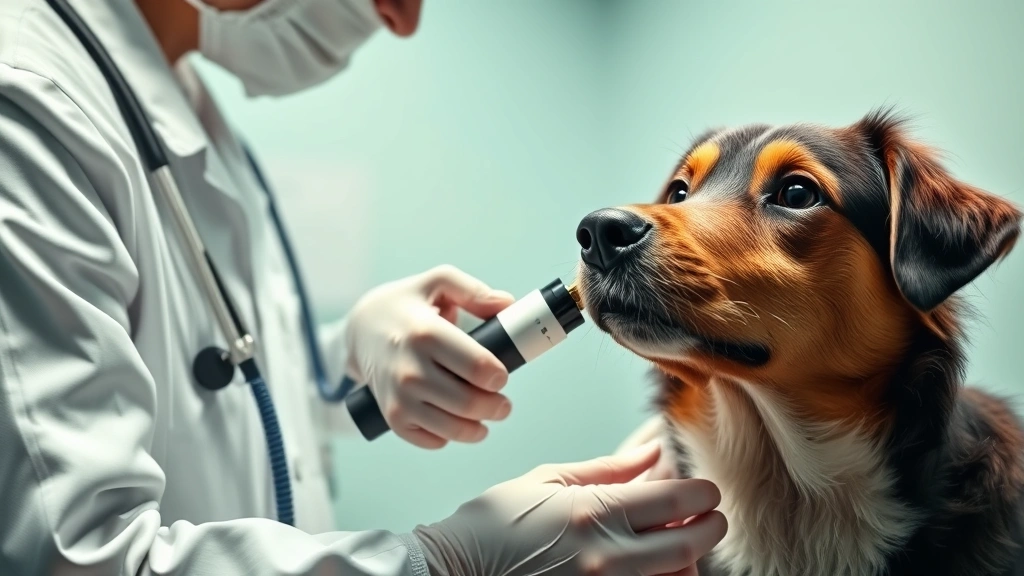
Sometimes vets recommend an elimination diet to identify food allergies. This involves feeding your dog a limited ingredient diet for 8-12 weeks to see if symptoms improve. It’s not glamorous, but it’s incredibly effective for identifying triggers.
Allergy testing might also come into play, either through blood tests or intradermal testing. These help identify environmental allergens your dog might be reacting to, which can guide long-term management strategies.
Treatment Options: Managing Your Dog’s Skin Health
Treatment depends entirely on what’s causing the problem. For allergic conditions, your vet might recommend antihistamines, corticosteroids, or newer immunosuppressive medications like cyclosporine. These aren’t cures, but they can dramatically reduce inflammation and itching.
Topical treatments are game-changers too. Medicated shampoos containing sulfur, salicylic acid, or coal tar can help manage seborrheic dermatitis. Regular bathing with these products—usually 2-3 times weekly during flare-ups—can provide significant relief. Just make sure you’re not using human conditioner on dogs, as their skin pH is completely different from ours.
Nutritional support is critical. Incorporating skin and coat health foods rich in omega fatty acids, and considering supplements with fish oil, can strengthen your dog’s skin barrier from the inside out. Immune boosting foods for pets might also help if autoimmune factors are involved.
The Role of Diet in Managing Canine Skin Conditions
What your dog eats directly impacts their skin health. High-quality proteins, healthy fats, and essential micronutrients form the foundation of skin resilience. Dogs with inflammatory skin conditions often benefit from diets emphasizing omega-3 fatty acids from fish, flaxseed, or supplements.
Some dogs improve dramatically when switched to limited ingredient or novel protein diets. If chicken and beef have been triggering reactions, trying duck, venison, or fish-based formulas might work wonders. It’s all about finding what works for your individual pup’s unique immune system.
Probiotics are gaining traction in veterinary dermatology too. A healthy gut microbiome supports immune function, which can translate to healthier skin. Talk to your vet about whether probiotics make sense for your dog’s situation.
Home Care and Prevention Strategies
Beyond veterinary treatment, you control the home environment where your dog spends most of their time. Regular bathing with appropriate products keeps skin clean and helps manage secondary infections. Maintain a consistent grooming routine to catch early signs of problems.
Humidity levels matter more than you’d think. Extremely dry environments can worsen skin conditions, while excessive moisture encourages yeast growth. Aim for that Goldilocks zone—not too dry, not too damp.
Stress reduction isn’t just psychological—it’s dermatological. Dogs under stress often experience skin flare-ups. Regular exercise, consistent routines, and a calm home environment can genuinely improve skin health. If your dog is dealing with anxiety, consider virtual vet consultation for diet questions or behavioral support.
When to See a Veterinary Dermatologist
If your regular vet has tried standard treatments and your dog’s skin still isn’t improving, it’s time to call in the specialists. Board-certified veterinary dermatologists have advanced training in complicated skin cases and access to more sophisticated diagnostic and treatment options.

Dermatologists can perform more detailed allergy testing, prescribe specialized medications, and develop comprehensive management plans for chronic conditions. They’re especially valuable if your dog has recurrent infections or severe inflammation that’s affecting their quality of life.
Long-Term Management and Prognosis
Here’s the reality: most psoriasis-like conditions in dogs are manageable but not curable. This means you’re looking at long-term strategies rather than one-and-done solutions. The good news? Many dogs live completely comfortable lives with proper management.
Consistent monitoring helps catch flare-ups early before they become severe. Regular vet check-ups, maintaining a treatment routine, and being alert to environmental or dietary triggers all contribute to better outcomes. Your dog might never have perfect skin, but they can definitely have healthy, comfortable skin.
Frequently Asked Questions
Can dogs actually get psoriasis like humans do?
Dogs don’t develop true psoriasis as humans understand it, but they develop very similar inflammatory skin conditions like seborrheic dermatitis and atopic dermatitis that cause identical symptoms. The underlying mechanisms might differ slightly, but the itching, scaling, and inflammation are just as real and uncomfortable for your pup.
What’s the best shampoo for dogs with psoriasis-like conditions?
Medicated shampoos containing sulfur, salicylic acid, coal tar, or ketoconazole work best for most cases. Your vet will recommend the specific product based on your dog’s diagnosis. Consistency matters—regular bathing with the right shampoo often provides more relief than occasional treatments.
Is psoriasis-like dermatitis contagious between dogs?
No, inflammatory skin conditions like seborrheic dermatitis aren’t contagious. However, if your dog has a secondary yeast or bacterial infection, those organisms could potentially spread. This is another reason why proper diagnosis and treatment matter.
Can diet alone cure my dog’s skin problems?
Diet is a crucial component of management but rarely works alone for moderate to severe cases. It works best as part of a comprehensive approach that might include medication, topical treatments, and environmental modifications. That said, dietary improvements can significantly reduce the severity of flare-ups.
How long does it take to see improvement with treatment?
Most dogs show some improvement within 2-4 weeks of starting appropriate treatment, but significant improvement often takes 6-8 weeks. Some conditions require even longer to fully stabilize. Patience is essential—skin healing takes time.
Are certain dog breeds more prone to psoriasis-like conditions?
Absolutely. Bulldogs, West Highland White Terriers, Cocker Spaniels, German Shepherds, and Shar-Peis are genetically predisposed to various inflammatory skin conditions. If you own one of these breeds, being proactive about skin health is especially important.
Summary: Taking Action for Your Dog’s Skin Health
So, do dogs have psoriasis? Not technically, but they definitely experience conditions that feel just as miserable. The key is recognizing symptoms early, getting a proper diagnosis from your veterinarian, and committing to consistent management. Whether it’s allergies, seborrheic dermatitis, or another inflammatory condition, your dog’s skin can improve dramatically with the right approach.
Start with a vet visit if you haven’t already. Work through diagnostic testing to identify the root cause. Implement a treatment plan that might include medication, topical treatments, dietary changes, and environmental modifications. And remember—managing your dog’s skin health is a marathon, not a sprint, but the payoff is a comfortable, happy pup who can finally stop scratching and start enjoying life.
Your dog’s skin health matters. With knowledge, professional guidance, and consistent care, you can help your furry friend feel their absolute best.





