
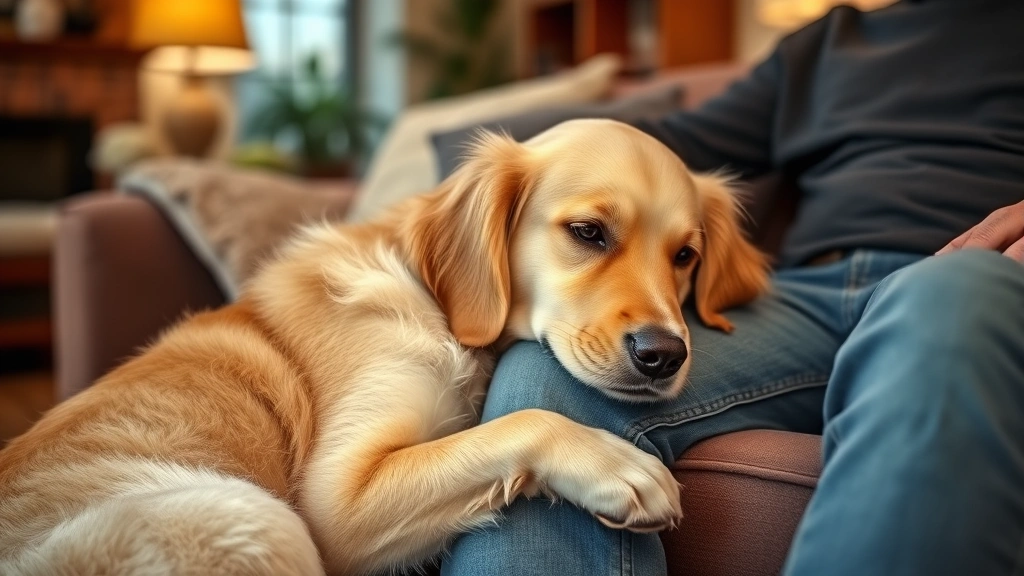
So, do dogs like to cuddle? Short answer: absolutely, but it’s way more complicated than you’d think. Your pup isn’t just a furry potato that tolerates your affection—they’re actually communicating their feelings through a bizarre mix of tail wags, nose boops, and strategic positioning on your lap. Let’s dig into what your dog is really trying to tell you when they’re snuggled up against you.
Table of Contents
- Understanding Canine Affection and Bonding
- Sign #1: The Lean – Your Dog’s Ultimate Compliment
- Sign #2: The Slow Blink – Your Dog’s Secret Love Language
- Sign #3: Seeking Out Your Scent and Personal Space
- Sign #4: The Puppy Dog Eyes and Direct Gaze
- Sign #5: Following You Everywhere and Sleeping Near You
- Breed Differences: Why Some Dogs Are Cuddle Machines and Others Aren’t
- The Health Benefits of Dog Cuddling (For Both of You)
- Creating the Perfect Cuddle Environment for Your Dog
- What If Your Dog Doesn’t Like Cuddling? (And That’s Okay)
- Reading Your Dog’s Cuddle Signals: When to Stop
- Frequently Asked Questions
- The Bottom Line: Understanding Your Dog’s Cuddle Preferences
Understanding Canine Affection and Bonding
Dogs are pack animals, and cuddling is their way of reinforcing social bonds. Unlike cats, who treat affection like a luxury item they’re reluctantly offering, dogs genuinely crave physical closeness with their humans. When your dog curls up next to you, they’re not just seeking warmth—they’re saying, “You’re my person, and I trust you completely.” This behavior stems from their ancestral wolf pack mentality, where staying close meant survival. Modern dogs might not need to huddle for warmth anymore, but the instinct is hardwired into their DNA. Understanding this helps explain why some breeds are notorious cuddle bugs while others prefer their personal space.
Sign #1: The Lean – Your Dog’s Ultimate Compliment
Ever notice your dog just… leaning against you? Like they’re using you as a furry crutch? That’s the lean, and it’s basically a dog’s way of saying “I love you” without the awkward eye contact. When a dog leans their body weight against your leg, torso, or lap, they’re demonstrating trust and affection. This behavior is particularly telling because dogs are vulnerable when they’re pressed against you—they can’t quickly escape if threatened. So when your pup does this, recognize it for what it is: a massive compliment. Some dogs do this constantly, while others only lean when they’re feeling especially needy or want attention. Either way, if your dog is leaning on you, they definitely like to cuddle.
Sign #2: The Slow Blink – Your Dog’s Secret Love Language
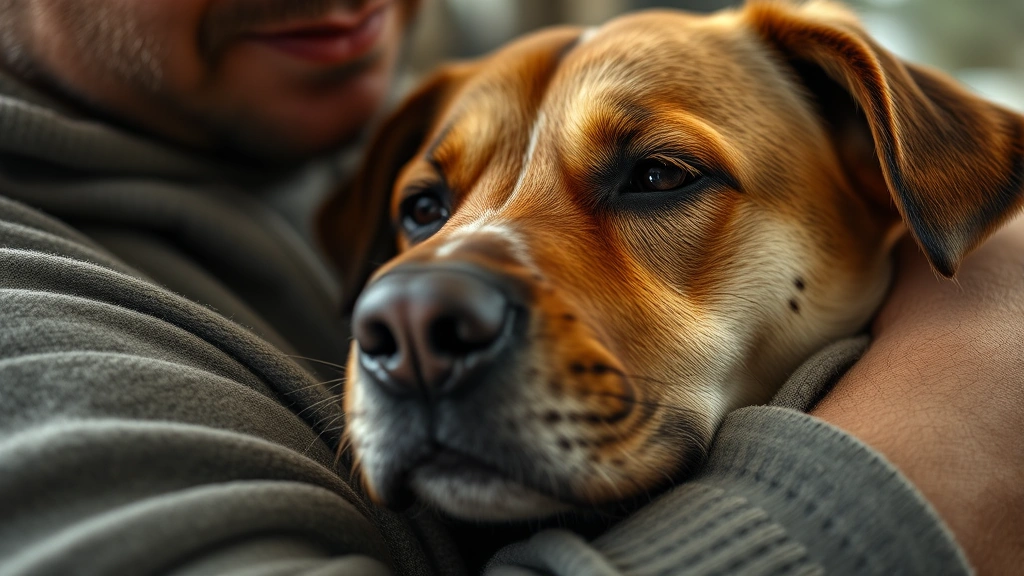
You’ve probably heard about the slow blink meaning “I love you” in cat behavior, but dogs do it too. When your dog looks at you and slowly closes their eyes while you’re cuddling, they’re in a state of complete relaxation and trust. This is when your dog feels safest. If you slow blink back at them (yes, really), you’re reciprocating that affection. During cuddle sessions, watch for this behavior—it’s a sign your pup is genuinely enjoying the moment and feels secure in your arms. It’s basically the doggy equivalent of a long, satisfied sigh.
Sign #3: Seeking Out Your Scent and Personal Space
Dogs have an incredible sense of smell, and when they cuddle with you, they’re not just enjoying physical contact—they’re bathing themselves in your scent. Your dog’s nose contains about 300 million olfactory receptors (compared to your measly 6 million), so to them, you smell like safety and home. When your pup nuzzles into your neck, burrows under your arm, or insists on sleeping on your pillow, they’re actively seeking your scent. This behavior is especially pronounced in dogs who suffer from anxiety. If you’re looking to help an anxious pup feel more secure, consider our guide on calming foods for anxious pets, which can complement their cuddle time with you.
Sign #4: The Puppy Dog Eyes and Direct Gaze
When your dog stares directly into your eyes during cuddle time, they’re not trying to intimidate you (unless they’re doing the play-growl thing). Research has shown that when dogs gaze into their owner’s eyes, both the dog and human experience a surge in oxytocin—the same bonding hormone released between mothers and babies. This is why your dog might insist on making eye contact while snuggled up with you. They’re literally triggering a chemical bond. If your dog maintains soft eye contact while cuddling, they’re expressing genuine affection and deepening your relationship with each chemical release.
Sign #5: Following You Everywhere and Sleeping Near You
Does your dog follow you from room to room like you’re their personal security detail? That’s not clingy behavior—that’s love. Dogs who like to cuddle often demonstrate this by staying physically close to you throughout the day. They want to be near you, period. This “velcro dog” behavior extends to sleeping arrangements too. If your pup insists on sleeping in your bed, on your couch, or in a dog bed positioned right next to yours, they’re choosing to spend their vulnerable sleep time near you. This is a massive indicator that your dog loves cuddling and feels safest when you’re close. Some people find this annoying, but honestly, it’s kind of the highest compliment a dog can give.
Breed Differences: Why Some Dogs Are Cuddle Machines and Others Aren’t
Not all dogs are created equal when it comes to cuddling preferences. Certain breeds were literally bred to be lap dogs—think Cavalier King Charles Spaniels, Bichon Frises, and Maltese dogs. Other breeds, like Huskies and Alaskan Malamutes, were bred for independence and working in harsh conditions. They might love you deeply but prefer their personal space. Some high-energy breeds would rather play fetch for six hours straight than snuggle on the couch. Understanding your dog’s breed tendencies helps you respect their individual preferences while still building affection. Even independent breeds can learn to enjoy cuddling with proper introduction and positive reinforcement, but forcing a dog to cuddle when they don’t want to is counterproductive and can damage your relationship.
The Health Benefits of Dog Cuddling (For Both of You)
Here’s something wild: cuddling with your dog is actually good for your health. Studies show that petting a dog lowers your blood pressure, reduces cortisol (stress hormone), and increases serotonin (happy hormone). Your dog gets similar benefits—cuddling reduces their anxiety and strengthens the human-animal bond. This is especially important for dogs with behavioral issues or rescue dogs adjusting to a new home. If your dog struggles with anxiety, regular cuddle sessions combined with skin and coat health foods can create a holistic wellness approach. The physical touch during cuddling also helps regulate your dog’s nervous system, which is why many anxious dogs seek out their owners for comfort.
Creating the Perfect Cuddle Environment for Your Dog
Not all cuddle spaces are created equal. If you want to encourage cuddling, create a comfortable environment where your dog feels safe and secure. Soft blankets, your worn clothing (which smells like you), and a quiet space away from chaos are ideal. Some dogs prefer cuddling in a collapsible dog crate lined with plush bedding—it gives them the security of a den while allowing them to be close to you. Temperature matters too; dogs regulate body heat through cuddling, so they might seek you out more during colder months. Pay attention to when and where your dog naturally gravitates toward you, then optimize those spaces for maximum cuddle comfort.
What If Your Dog Doesn’t Like Cuddling? (And That’s Okay)
Some dogs are just not cuddlers, and that’s completely normal. Dogs who were poorly socialized, rescued from traumatic situations, or simply have independent personalities might not enjoy physical affection. Forcing cuddles on a dog who doesn’t want them is stressful for both of you and can create negative associations with touch. Instead, respect your dog’s boundaries and find other ways to bond—playing together, training, going on adventures, or even cooking pet treat recipes together. Some dogs show love through loyalty and obedience rather than physical closeness, and that’s equally valid. You can still have an incredibly strong bond with a non-cuddly dog; it just looks different.
Reading Your Dog’s Cuddle Signals: When to Stop
Just because your dog tolerates cuddling doesn’t mean they always want it. Learn to read the signs that your pup has had enough. Stiff body language, ears pinned back, tail tucked, skin rippling, or attempts to move away are all signals that your dog wants space. Some dogs will give you a gentle paw or nose nudge to indicate they’re done. Respecting these boundaries actually strengthens your relationship because your dog learns that you listen to their communication. The best cuddling relationships are built on mutual consent—your dog chooses to be close to you, and you respect when they choose to leave. This creates a healthy dynamic where cuddling is always positive.
Frequently Asked Questions
Why does my dog only want to cuddle at certain times?
Dogs often cuddle based on their energy levels, temperature needs, and emotional state. They might want to snuggle when they’re tired, cold, or seeking comfort. Some dogs also cuddle more during specific times of day or when they sense you need emotional support. It’s not random—your dog is responding to internal and external cues.
Is it bad to cuddle your dog too much?
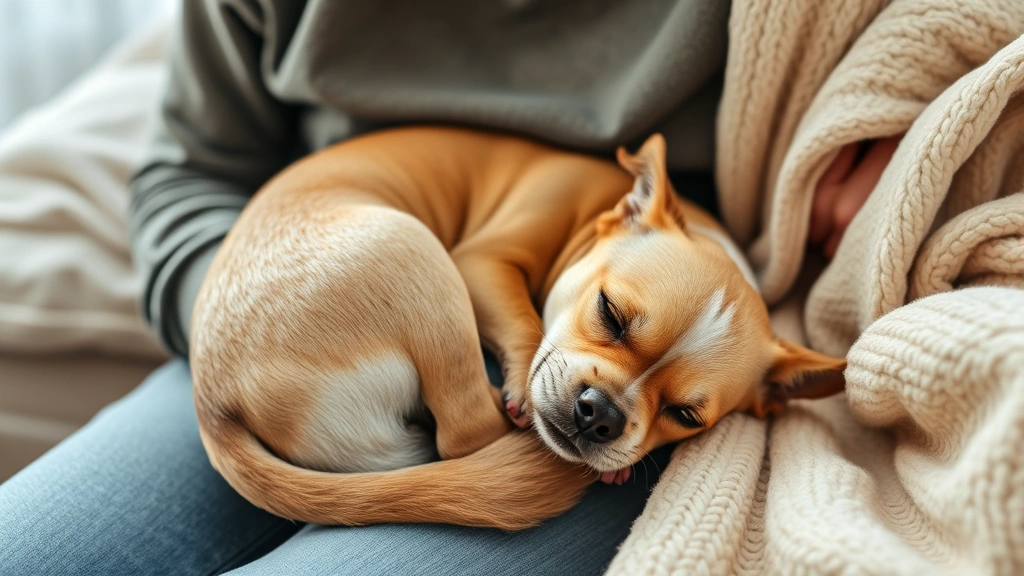
No, but excessive cuddling can sometimes reinforce anxiety or create overly dependent behavior. The key is balance. Cuddle your dog when both of you want it, but also encourage independent play and alone time. If your dog shows signs of separation anxiety, consult a veterinarian or behaviorist.
Can you teach a dog to like cuddling more?
Yes, with patience and positive reinforcement. Start with short, gentle touches paired with treats and praise. Let your dog set the pace and never force physical contact. Over time, many dogs learn to associate cuddling with positive experiences. However, some dogs have genuine personality preferences that won’t change, and that’s fine.
Why does my dog cuddle with me but not other family members?
Dogs often bond more strongly with one person, especially if that person is their primary caregiver. They might still love other family members but show affection differently. This doesn’t mean your dog doesn’t like cuddling—it means they have preferences about who they cuddle with and when.
What’s the difference between cuddling and just sitting next to my dog?
Cuddling typically involves physical contact—your dog pressed against you, on your lap, or with their body touching yours. Sitting next to your dog is proximity without contact. Both are signs of affection, but cuddling indicates a deeper comfort level and trust.
The Bottom Line: Understanding Your Dog’s Cuddle Preferences
So, do dogs like to cuddle? The answer is: most dogs do, but in their own unique ways. Whether your pup is a full-on lap dog or prefers to show love through loyalty and proximity, they’re expressing affection in their own language. Pay attention to their signals, respect their boundaries, and create an environment where cuddling feels safe and positive. The lean, the slow blink, the following-you-everywhere behavior—these are all your dog’s way of saying they love you. And honestly, there’s nothing quite like the feeling of your dog choosing to snuggle up next to you. That’s pure, unconditional love in its most physical form. Cherish those cuddle moments, because your dog definitely is.





