

So, do dogs need sunscreen? The short answer is yes – but not all dogs need it equally, and not all sunscreens are created the same. Just like humans, our furry friends can suffer from sun damage, and some pups are way more vulnerable than others. Let’s dig into why your dog might need protection from those UV rays and how to keep your four-legged buddy safe during those long summer adventures.
Table of Contents
- Why Dogs Need Sun Protection (Yes, Really)
- Which Dogs Are Most at Risk for Sun Damage
- Understanding Canine Skin Cancer and UV Exposure
- Can You Use Human Sunscreen on Dogs?
- Best Practices for Applying Dog Sunscreen
- Alternative Sun Protection Methods for Dogs
- Seasonal Considerations and Year-Round Protection
- Signs Your Dog Has Sun Damage or Sunburn
- Choosing the Right Dog Sunscreen Product
- Combining Sunscreen with Other Skin Care Products
- Special Considerations for Specific Breeds and Coat Types
- Creating a Sun-Safe Routine for Your Dog
- Frequently Asked Questions
- Summary: Keeping Your Dog Safe from the Sun
Why Dogs Need Sun Protection (Yes, Really)
Here’s the thing: dogs absolutely can get sunburned. I know, shocking right? Their skin is thinner than ours, and unlike humans, they can’t exactly tell you when they’re getting crispy. The sun’s UV rays can damage your dog’s skin just like they damage ours, leading to painful burns, premature aging, and in serious cases, skin cancer.
The American Kennel Club (AKC) has documented cases of canine skin cancer linked to prolonged sun exposure. Your pup’s nose, ears, belly, and any areas with thin or light-colored fur are particularly vulnerable. Even dogs with thick coats aren’t immune – the skin underneath still needs protection.
Which Dogs Are Most at Risk for Sun Damage
Not every dog needs sunscreen slathered on like they’re heading to the beach (though some absolutely do). Dogs with light or white fur are prime candidates for sun protection. Breeds like Golden Retrievers, Labrador Retrievers, and white-furred pups are more susceptible to UV damage because they have less melanin in their skin.
Dogs with thin coats, hairless breeds, and those with pink noses are also high-risk. Senior dogs and puppies have more delicate skin too. If your dog has a history of skin issues or is prone to sunburns, definitely chat with your vet about sunscreen options. You might also want to check out our guide on Can You Use Human Conditioner on Dogs? since proper skin care goes beyond just sunscreen.
Understanding Canine Skin Cancer and UV Exposure
Melanoma and other skin cancers in dogs are no joke. According to PetMD, dogs with light-colored coats and those spending significant time outdoors face increased risk. The cumulative effect of UV exposure over time can lead to serious health complications. Early detection is crucial, which means regular skin checks are part of responsible pet ownership.
The scary part? Some skin cancers in dogs don’t show obvious symptoms until they’re advanced. That’s why prevention through sunscreen and limiting sun exposure during peak hours (10 AM to 4 PM) is so important.
Can You Use Human Sunscreen on Dogs?
Here’s where people mess up: they slather their dog with the same SPF 50 they use at the beach. Don’t do this. Human sunscreen contains ingredients that can be toxic to dogs, particularly oxybenzone and zinc oxide. When your dog licks their fur (which they absolutely will), they’re ingesting chemicals that can cause gastrointestinal upset and other health issues.
You need dog-specific sunscreen. These formulations are designed to be safe if ingested and won’t irritate your pup’s skin. Look for products labeled as pet-safe or specifically formulated for dogs. Your vet can recommend brands they trust, and there are plenty of solid options available online and at pet stores.
Best Practices for Applying Dog Sunscreen
Applying sunscreen to your dog isn’t rocket science, but there’s a right way and a wrong way. First, choose a dog-safe product with at least SPF 30. Apply it about 15 minutes before heading outside so it has time to set. Focus on vulnerable areas: the nose, ears, belly, paw pads, and any areas with thin fur or pink skin.
Reapply every two hours, or more frequently if your dog has been swimming or playing in water. Some sunscreens are waterproof, but it’s better to err on the side of caution. If your dog absolutely hates the sunscreen texture (and let’s be honest, many do), try the spray versions – though be careful not to spray it in their eyes or nose.
Alternative Sun Protection Methods for Dogs
Sunscreen isn’t your only option. In fact, combining multiple protection methods is the best approach. Dog clothing designed for sun protection is fantastic – UV-blocking shirts and swim shirts keep harmful rays off without any messy application. These are especially great for dogs who won’t tolerate sunscreen.
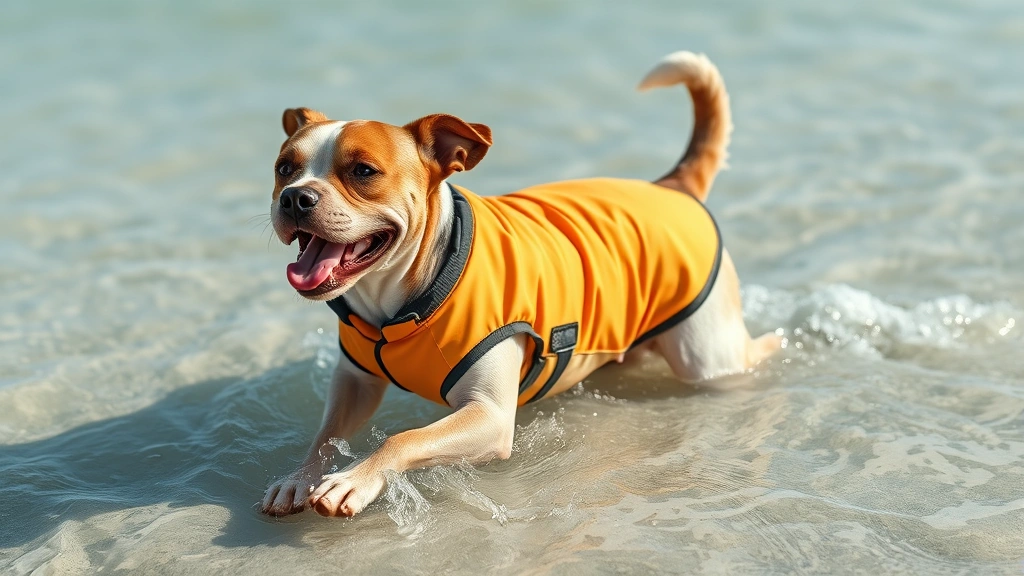
Limiting outdoor time during peak UV hours is simple but effective. Plan walks for early morning or late evening when the sun is less intense. Provide shaded areas in your yard – a good dog umbrella or pop-up tent can work wonders. Some pet parents even use dog hats or visors for extra protection, though not all dogs appreciate the fashion statement.
Seasonal Considerations and Year-Round Protection
You might think sunscreen is just a summer thing, but UV rays are present year-round. Snow actually reflects UV rays, making winter sun exposure more intense in some cases. If you’re taking your dog on winter outings or to high-altitude locations, protection is still necessary.
Spring and fall might seem mild, but don’t let that fool you. On clear days, UV exposure can still cause damage. The key is consistency – make sun protection part of your regular routine, not just something you remember during July and August.
Signs Your Dog Has Sun Damage or Sunburn
Watch for redness, peeling skin, blistering, or excessive itching. Some dogs develop scaly patches or discolored areas on their skin. If your dog seems uncomfortable or you notice any unusual skin changes, it’s time to call the vet. Check out our article on When to Call the Vet About Food – the same principle applies to skin issues; when in doubt, contact your veterinarian.
Severe sunburns can cause blistering and pain. Your dog might be reluctant to go outside or show signs of discomfort when touched. Don’t wait – get them to a vet if you suspect serious sun damage.
Choosing the Right Dog Sunscreen Product
Not all dog sunscreens are created equal. Look for products specifically formulated for pets that are free from harmful chemicals. SPF 30 is the minimum recommended level; SPF 50+ is better for high-risk dogs. Check ingredient lists to avoid oxybenzone, zinc oxide, and salicylates, which can be problematic for dogs.
Read reviews from other pet owners and ask your vet for recommendations. Some popular options include pet-specific sunscreen sprays, balms, and sticks. Waterproof formulas are great for dogs who love swimming, but remember to reapply after water exposure. If your dog has sensitive skin, look for hypoallergenic options or consult your vet about prescription-strength products.
Combining Sunscreen with Other Skin Care Products
If you’re already using other topical products on your dog – like flea and tick prevention or medicated shampoos – talk to your vet about the best application order and timing. Some products shouldn’t be applied simultaneously. You might also want to explore our guide on Can You Use Witch Hazel on Dogs? to understand what other products are safe for your pup’s skin.
Maintaining overall skin health through proper grooming, a nutritious diet, and regular vet checkups creates a solid foundation for sun protection. Healthy skin is more resilient and better able to handle environmental stressors.
Special Considerations for Specific Breeds and Coat Types
Hairless or nearly hairless breeds like Chinese Crested Dogs and Xoloitzcuintli absolutely need sunscreen every single time they go outside. These breeds have virtually no natural protection, making them extremely vulnerable to sun damage and skin cancer.
Double-coated breeds might seem protected, but the skin underneath is still vulnerable, especially on areas like the nose, ears, and belly. Don’t assume a thick coat means no sunscreen needed. Short-haired breeds with light coloring are also at significant risk.
Creating a Sun-Safe Routine for Your Dog
Make sun protection part of your regular outdoor routine. Before heading out, apply sunscreen to vulnerable areas. Bring a portable shade structure if you’ll be outside for extended periods. Keep fresh water available to help your dog stay cool and hydrated. Schedule outdoor activities strategically – early morning and evening walks are perfect during hot months.
Invest in UV-blocking clothing if your dog tolerates it. Keep a dog umbrella or pop-up tent in your car for unexpected outdoor situations. The goal is making sun protection so routine that it becomes second nature.
Frequently Asked Questions
Can all dogs get sunburned?
Yes, all dogs can get sunburned, though some are more susceptible than others. Dogs with light or white fur, thin coats, and hairless breeds are at highest risk. Even dark-furred dogs can experience sun damage over time, particularly on areas with thin fur like the nose and ears.
What’s the best SPF for dog sunscreen?
SPF 30 is the minimum recommended level for dog sunscreen. SPF 50 or higher is better, especially for high-risk dogs spending significant time outdoors. Higher SPF provides better protection against both UVA and UVB rays.
How often should I apply dog sunscreen?
Reapply dog sunscreen every two hours, or more frequently if your dog has been swimming or playing in water. Even waterproof formulas need regular reapplication for optimal protection. Always apply before heading outside, allowing 15 minutes for it to set.
Are there dog breeds that don’t need sunscreen?
Dogs with dark, thick coats need less sunscreen than light-colored breeds, but they’re not completely immune. All dogs benefit from sun protection, especially during peak UV hours. Consult your vet about your specific dog’s needs based on breed, coat type, and health history.
What should I do if my dog gets a severe sunburn?
If your dog has severe sunburn with blistering, peeling, or signs of pain, contact your vet immediately. In the meantime, keep them in a cool, shaded area and provide fresh water. Avoid further sun exposure and don’t apply human sunburn treatments. Your vet can prescribe appropriate treatment and monitor for complications. You might also want to review our article on Can I Put Neosporin on My Dog? to understand what topical treatments are safe.
Summary: Keeping Your Dog Safe from the Sun
So, do dogs need sunscreen? Absolutely, especially if they have light-colored fur, thin coats, or spend significant time outdoors. While not every dog needs sunscreen applied daily, having it available and using it strategically during peak sun exposure is smart preventive care.
Combine sunscreen with other protection methods like UV-blocking clothing, shade, and strategic timing of outdoor activities. Watch for signs of sun damage and talk to your vet about your individual dog’s sun protection needs. Remember, preventing sun damage is way easier than treating skin cancer down the road. Your dog will thank you for keeping them safe and comfortable all year long.





