
Yes, do male dogs have nipples? The answer is a resounding yes—and it’s one of those quirky biological facts that surprises most dog owners. Unlike humans, where nipples serve a distinctly different purpose between sexes, male dogs sport nipples just like their female counterparts. But why? Let’s dig into this fascinating corner of canine anatomy.
Table of Contents
- The Basic Anatomy: Male Dogs and Their Nipples
- Why Do Male Dogs Keep Nipples If They Don’t Use Them?
- Canine Mammary Gland Development and Gender Differences
- How to Find Your Male Dog’s Nipples
- Male Dog Nipple Health: When to Worry
- Comparing Male and Female Dog Nipples
- The Evolutionary Perspective: Why Mammals Have Nipples
- Spaying, Neutering, and Nipple Changes
- Common Misconceptions About Male Dog Nipples
- Frequently Asked Questions
- Frequently Asked Questions
- The Bottom Line: Male Dogs Have Nipples, and That’s Totally Normal
The Basic Anatomy: Male Dogs and Their Nipples
Here’s the thing: male dogs have nipples, typically ranging from 8 to 10 of them, arranged in two parallel lines running down their chest and belly. These nipples are usually smaller and less prominent than those on female dogs, but they’re definitely there. If you’ve never noticed them before, don’t feel bad—they’re easy to miss, especially on dogs with thicker coats or darker skin pigmentation.
The reason male dogs retain nipples comes down to embryological development. During fetal development, both male and female puppies develop along the same basic blueprint before sex hormones kick in and differentiate their reproductive systems. The mammary gland tissue and nipples form early in development, before these hormonal differences take effect, so they stick around in males even though they serve no functional purpose.
Why Do Male Dogs Keep Nipples If They Don’t Use Them?
This is where evolutionary biology gets interesting. Male dogs don’t nurse puppies—that’s exclusively a female job. So you’d think evolution would have eliminated nipples in males by now, right? Wrong. The cost of having nipples is so minimal that there’s no evolutionary pressure to remove them. It’s like asking why men have nipples; they’re not harmful, they’re not expensive to maintain, so they just… persist.
Think of it as biological baggage. Both male and female mammals share a common ancestor, and the genetic blueprint for developing nipples got locked in early. Once a trait doesn’t actively harm an organism’s survival or reproduction, evolution doesn’t bother eliminating it. Male nipples are essentially vestigial structures—remnants of our shared mammalian heritage.
Canine Mammary Gland Development and Gender Differences
While both male and female dogs have nipples, the underlying mammary gland tissue develops very differently. Female dogs develop functional mammary glands that can produce milk when they’re pregnant or nursing. Male dogs have minimal mammary tissue that remains dormant throughout their lives. This tissue is so underdeveloped that it has virtually no function.
The difference becomes obvious when you compare a pregnant or nursing female dog to a male. The female’s nipples swell and become more prominent, sometimes even leaking milk. A male dog’s nipples remain relatively flat and unchanged throughout his life, no matter what hormonal changes occur.
How to Find Your Male Dog’s Nipples
Want to locate your own dog’s nipples? Here’s a quick guide. Start by gently running your hand along your dog’s chest and belly. You should feel small, raised bumps arranged in two vertical lines. On male dogs with light-colored fur or thin coats, you might actually see them. On darker or fluffier dogs, you’ll mostly need to feel for them.
Don’t be alarmed if you can barely find them—that’s completely normal. They’re supposed to be subtle on males. If your male dog’s nipples suddenly become swollen, red, or discharge fluid, that’s when you need to call your vet. While rare, male dogs can develop mammary tumors or infections, so any unusual changes warrant professional attention.
Male Dog Nipple Health: When to Worry
Although male dogs’ nipples are largely non-functional, they’re not immune to health problems. The most common issue is mammary tumors, which can develop in both sexes, though they’re far more common in females. Neutered males have a much lower risk than intact males, making spaying and neutering one of the best preventative health measures you can take.
Other potential issues include infections, cysts, or trauma to the nipple area. If you notice any of the following, it’s time to contact your vet about unusual changes:
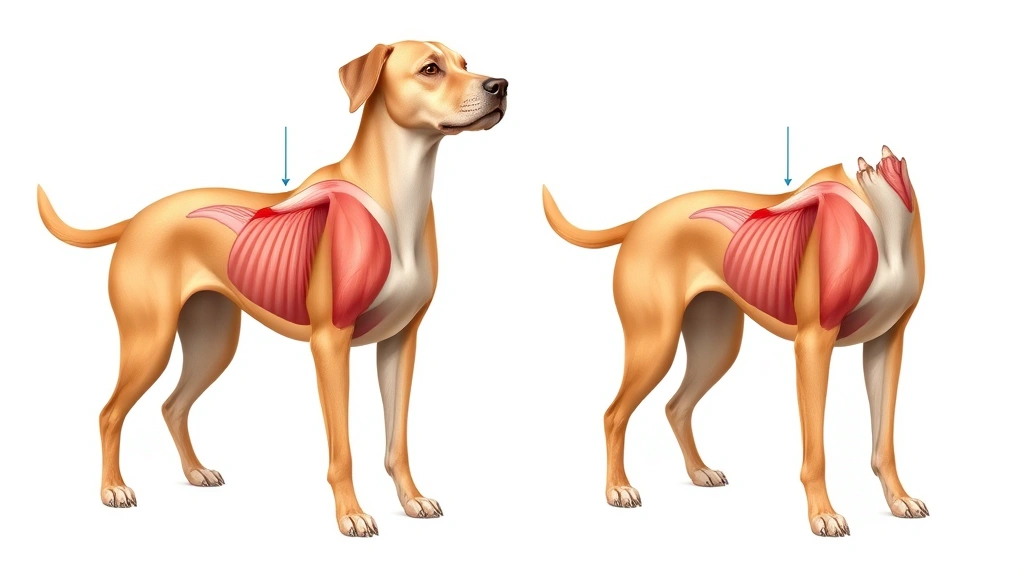
- Swelling or redness around the nipple
- Discharge or bleeding from the nipple
- Your dog obsessively licking or biting at the nipple area
- Lumps or bumps near the nipples
- Signs of pain when the area is touched
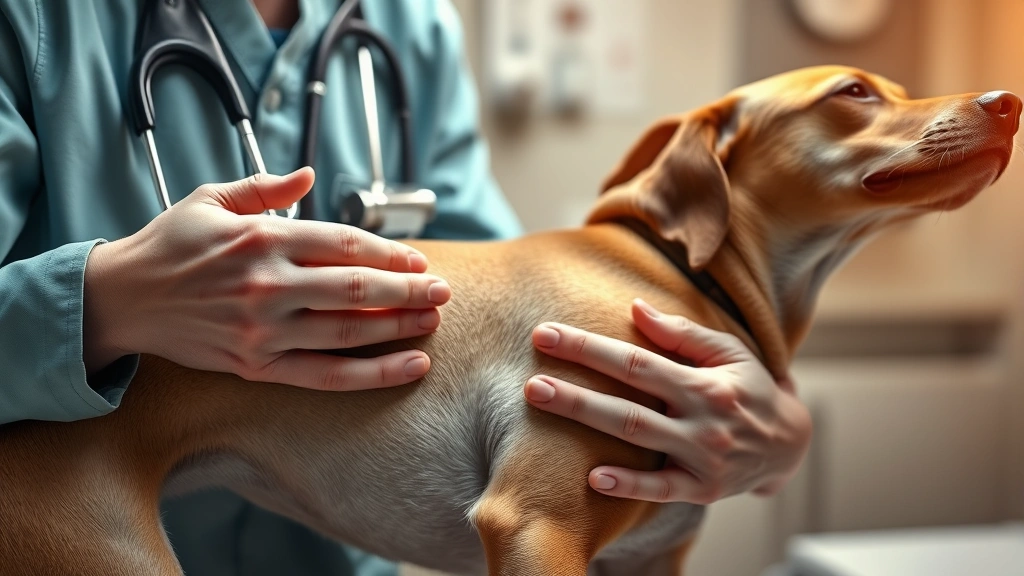
Your veterinarian can perform a proper examination and, if necessary, run diagnostic tests to rule out serious conditions. Early detection of any nipple-related issues makes treatment much more straightforward.
Comparing Male and Female Dog Nipples
The differences between male and female dog nipples are pretty striking once you know what to look for. Female dogs have larger, more prominent nipples, especially when they’re in heat or pregnant. Their nipples can actually change size and color throughout their reproductive cycle. Male dog nipples, by contrast, remain relatively static and inconspicuous.
Female dogs also have functional lactating tissue behind their nipples. This tissue responds to hormonal changes and can produce milk. In males, this tissue never develops beyond a rudimentary state. It’s one of the clearest examples of how sexual dimorphism (differences between males and females of the same species) works in dogs.
The Evolutionary Perspective: Why Mammals Have Nipples
Understanding why male dogs have nipples requires zooming out to the bigger picture of mammalian evolution. All mammals—from whales to bats to humans—evolved from a common ancestor that nursed its young. This ancestral mammal had nipples, and that basic blueprint got baked into the genetic code of every mammal that came after.
Over millions of years, some mammals lost nipples or modified them significantly. But in most species, including dogs, both sexes retained the basic nipple structure. The cost-benefit analysis of evolution simply didn’t favor removing them from males. It’s cheaper (energetically and genetically) to keep them than to evolve an entirely separate developmental pathway for males.
Spaying, Neutering, and Nipple Changes
If you’re considering spaying or neutering your dog, you might wonder if it affects the nipples. The answer is: not really, at least not visibly. Neutering a male dog won’t cause his nipples to disappear or change significantly. However, neutering does reduce the risk of mammary tumors later in life, since it eliminates testosterone-driven growth in that tissue.
For female dogs, spaying before their first heat cycle provides the best protection against mammary cancer. This is one of the many health benefits of spaying and neutering, beyond just preventing unwanted litters. If you’re thinking about maintaining your dog’s overall health, reproductive surgery is definitely worth discussing with your vet.
Common Misconceptions About Male Dog Nipples
There’s a lot of misinformation floating around about male dog nipples. Let’s clear up a few myths:
Myth 1: Male dogs don’t have nipples. False. They absolutely do, and they’re completely normal.
Myth 2: Male dog nipples can produce milk. Also false. The mammary tissue in males is too underdeveloped to produce milk under any circumstances.
Myth 3: If your male dog’s nipples are visible, something’s wrong. Not necessarily. Some dogs just have more visible nipples than others, depending on coat color, fur thickness, and skin pigmentation.
Myth 4: You should never touch a male dog’s nipples. Completely untrue. It’s fine to gently examine them as part of regular health checks. In fact, familiarizing yourself with what’s normal helps you spot abnormalities early.
Frequently Asked Questions
Frequently Asked Questions
Can male dogs get breast cancer?
Yes, though it’s rare. Male dogs can develop mammary tumors, but the incidence is much lower than in females. Neutering significantly reduces this risk. Any unusual lumps or discharge should be evaluated by a veterinarian immediately, as early detection improves treatment outcomes.
Why are my male dog’s nipples swollen?
Swollen nipples in male dogs can indicate infection, trauma, cysts, or tumor development. This is not normal and requires veterinary evaluation. Don’t wait to see if it resolves on its own—contact your vet promptly to determine the cause.
Is it normal for a male dog to lick his nipples?
Occasional grooming is fine, but excessive licking can indicate irritation, infection, or pain. If your male dog is obsessively licking his nipple area, it’s worth investigating. This behavior often signals that something’s bothering him, whether it’s an infection, allergic reaction, or other issue.
Do all male dogs have the same number of nipples?
Most male dogs have 8 to 10 nipples, but there’s some variation. Some dogs might have slightly fewer or more. As long as the nipples are healthy and your dog shows no signs of discomfort, variation in number is completely normal.
Should I be concerned about my male dog’s nipples during breeding?
If you’re breeding your male dog, his nipples shouldn’t be a concern. They’re non-functional and won’t affect his ability to reproduce. However, if you’re considering breeding, discuss overall health screening with your vet, including mammary health.
The Bottom Line: Male Dogs Have Nipples, and That’s Totally Normal
So, do male dogs have nipples? Absolutely. It’s one of those wonderfully weird facts about canine anatomy that reminds us how interconnected all mammals are. Male dogs carry these vestigial structures as a reminder of our shared evolutionary history, even though they serve no practical purpose.
The key takeaway is that male dog nipples are completely normal and nothing to worry about—unless you notice changes like swelling, discharge, or signs of pain. Regular health checks that include examining your dog’s entire body, including those often-overlooked nipples, help catch problems early. And if you ever have questions about your dog’s anatomy or health, your veterinarian is always your best resource.
Keep those pups healthy, and don’t hesitate to reach out to a professional if something seems off. After all, understanding our dogs’ bodies helps us give them the best care possible. For more information on keeping your dog healthy, check out our guides on safe human snacks for pets and what not to feed your dog.





