
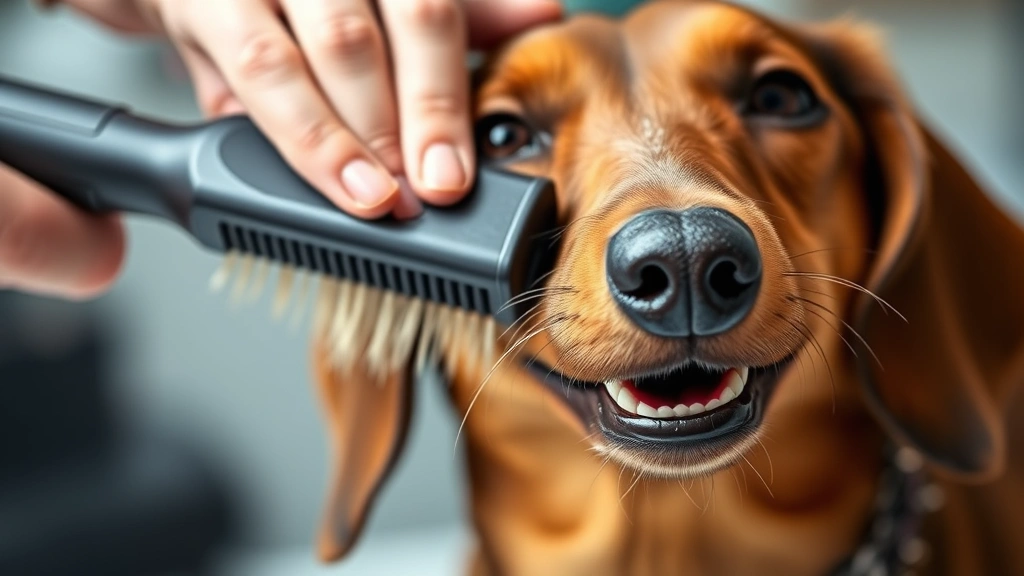
Do sausage dogs shed? Yes, they absolutely do—and if you’re thinking about bringing a dachshund into your home, you need to know exactly what you’re signing up for. These adorable wiener dogs with their short legs and long bodies are charming little furballs, but they’re also prolific shedders that’ll have you finding hair on everything from your couch to your coffee cup. Let’s dig into the hairy truth about dachshund shedding and how to manage it like a pro.
Table of Contents
- Understanding the Dachshund Coat: More Than Just One Type
- The Shedding Seasons: When Dachshunds Blow Their Coats
- Why Do Sausage Dogs Shed So Much? The Science Behind It
- Grooming Strategies to Control Dachshund Shedding
- Diet and Nutrition: The Foundation of Healthy Coats
- Health Issues That Increase Shedding in Dachshunds
- Dachshund Shedding vs. Other Small Breeds: How They Compare
- Managing Your Home: Practical Tips for Shedding Dachshunds
- Nutrition for Coat Health: Snacks and Supplements
- Bathing and Skin Care: Keeping That Coat Healthy
- When to Seek Professional Help for Excessive Shedding
- Frequently Asked Questions
- The Bottom Line: Embracing Your Dachshund’s Shedding
Understanding the Dachshund Coat: More Than Just One Type
Here’s where things get interesting: not all sausage dogs are created equal when it comes to their coats. Dachshunds come in three coat varieties—smooth, wirehaired, and longhaired—and each sheds differently. The smooth-coated dachshund is the most common and sheds year-round with moderate intensity. Wirehaired dachshunds have a coarser outer coat that sheds less noticeably but still leaves hair around your home. Longhaired dachshunds? They’re the shedding champions, dropping fur like it’s going out of style, especially during seasonal changes. Understanding your specific dachshund’s coat type is crucial for managing shedding expectations and grooming routines.
The Shedding Seasons: When Dachshunds Blow Their Coats
Dachshunds shed year-round, but they really turn up the volume during spring and fall when they’re transitioning between seasons. This phenomenon is called “blowing their coat,” and it’s when your little sausage dog basically transforms into a walking dust bunny. During these peak shedding periods, you might find yourself grooming your dachshund daily just to keep the fur situation manageable. The good news? This intense shedding phase typically lasts 2-4 weeks, though some dogs stretch it out longer depending on their individual genetics and environment.
Why Do Sausage Dogs Shed So Much? The Science Behind It
Dachshunds have a double coat (yes, even the smooth-coated ones), which means they have an undercoat beneath their outer coat. This undercoat is designed to regulate body temperature, but it also means they’re constantly replacing old hair with new growth. Their metabolism runs hot, and they’re prone to temperature sensitivity, which triggers more frequent shedding cycles. Additionally, stress, diet quality, and hormonal changes can all amplify shedding in dachshunds. If your pup isn’t getting proper nutrition, their skin and coat health suffers, leading to excessive hair loss.
Grooming Strategies to Control Dachshund Shedding
The most effective way to manage shedding is through regular grooming. For smooth-coated dachshunds, a rubber grooming mitt or slicker brush used 2-3 times weekly will remove loose hair before it hits your furniture. Longhaired and wirehaired varieties need more intensive care—think daily brushing during shedding season with a deshedding tool like a FURminator or undercoat rake. These tools are game-changers; they pull out the loose undercoat hair that your dog would otherwise shed around your home. Professional grooming every 6-8 weeks also helps, especially during peak shedding periods. A groomer can bathe and dry your dachshund in ways that loosen and remove massive amounts of dead hair.
Diet and Nutrition: The Foundation of Healthy Coats
You can’t groom your way out of poor nutrition. A dachshund’s coat health starts from the inside, which is why feeding high-quality food matters tremendously. Look for dog foods with adequate omega-3 and omega-6 fatty acids—these nutrients are essential for skin and coat health. Skin and coat health foods specifically formulated for dogs can significantly reduce excessive shedding. If your dachshund has food sensitivities or allergies, their skin becomes inflamed, triggering more shedding. Human foods for pets with food allergies can help identify safe alternatives if your pup has dietary restrictions. Consider adding fish oil supplements or including foods rich in omega fatty acids to your dachshund’s diet—many owners report noticeable improvements in coat quality within weeks.
Health Issues That Increase Shedding in Dachshunds
Excessive shedding sometimes signals underlying health problems. Allergies—whether food-related or environmental—are common culprits in dachshunds and cause itching, scratching, and abnormal hair loss. Skin infections, parasites like fleas or mites, and hormonal imbalances can all trigger increased shedding. Dachshunds are also prone to intervertebral disc disease (IVDD) due to their long backs, and chronic pain or stress from this condition can manifest as excessive shedding. If your dachshund’s shedding suddenly increases or you notice bald patches, skin irritation, or behavioral changes, consult your veterinarian. Sometimes what looks like normal shedding is actually a sign your pup needs medical attention.

Dachshund Shedding vs. Other Small Breeds: How They Compare
Compared to truly low-shedding breeds like poodles or bichon frises, dachshunds are moderate to heavy shedders. They shed more than chihuahuas but less than golden retrievers. If you’re allergic to dogs or prefer minimal vacuuming, a dachshund might not be your best match. However, they’re not the worst shedders out there—they’re manageable with proper grooming and care. The key is setting realistic expectations before bringing one home. If you’ve got your heart set on a dachshund despite allergies, focus on the smooth-coated variety, which sheds slightly less noticeably than longhaired versions, and invest in a quality air purifier.
Managing Your Home: Practical Tips for Shedding Dachshunds
Living with a shedding dachshund requires a multi-pronged approach. Invest in a quality vacuum designed for pet hair—robot vacuums are lifesavers for daily maintenance. Use lint rollers strategically on furniture, and consider washable furniture covers for your couch and bed. Wash your dachshund’s bedding weekly to contain loose hair. Air purifiers help trap airborne hair particles before they settle everywhere. Grooming outside when possible keeps the shedding contained to one area. Keep your dachshund’s environment stress-free; anxious dogs shed more. Regular exercise helps too—a tired dachshund is a healthier dachshund with better coat quality.
Nutrition for Coat Health: Snacks and Supplements
Beyond main meals, the right supplements and treats support coat health. Healthy snack alternatives for dogs that include ingredients like sweet potato, carrots, and apples provide vitamins and minerals that strengthen hair follicles. Can dogs eat fruits is a question many dachshund owners ask, and the answer is yes—in moderation. Blueberries, apples, and watermelon are excellent choices that support skin health. Coconut oil, added in small amounts to food, has anti-inflammatory properties that can improve coat quality. Fish oil supplements are particularly effective; studies show they reduce shedding by up to 30% in some dogs. Always consult your vet before adding supplements to ensure they’re appropriate for your individual dachshund.
Bathing and Skin Care: Keeping That Coat Healthy
Bathing your dachshund too frequently can strip natural oils from their skin, actually increasing shedding. Aim for bathing every 4-6 weeks unless they’re particularly dirty or have skin issues. Use a moisturizing, dog-specific shampoo—human shampoo is too harsh and disrupts their skin’s pH balance. Dry your dachshund thoroughly after bathing; damp skin is prone to irritation. Consider using a high-velocity dryer (like groomers use) during shedding season—it blasts out loose undercoat hair before it falls out naturally. For wirehaired and longhaired dachshunds, conditioning treatments after baths help maintain coat integrity and reduce breakage.
When to Seek Professional Help for Excessive Shedding
If your dachshund is shedding so heavily that you’re finding bald patches, or if shedding seems constant without seasonal variation, it’s time to call your vet. Excessive shedding can indicate allergies, hormonal imbalances, skin diseases, or nutritional deficiencies. A veterinary dermatologist can perform tests to identify underlying causes. They might recommend prescription shampoos, dietary changes, or medications depending on the diagnosis. Don’t assume heavy shedding is just “what dachshunds do”—while they do shed, there’s normal shedding and then there’s excessive shedding that needs professional evaluation.
Frequently Asked Questions
Do all dachshunds shed equally?
No. Smooth-coated dachshunds shed moderately year-round with heavier shedding in spring and fall. Longhaired dachshunds shed the most, while wirehaired varieties shed less noticeably. Individual genetics, diet, and health also affect shedding intensity.

Can I reduce my dachshund’s shedding?
You can’t eliminate shedding entirely, but you can significantly reduce it through regular grooming (2-3 times weekly), high-quality nutrition rich in omega fatty acids, supplements like fish oil, and professional grooming every 6-8 weeks. Managing stress and maintaining good health also helps.
Is dachshund shedding worse than other small breeds?
Yes, dachshunds shed more than many small breeds like chihuahuas or Yorkshire terriers, but less than breeds like golden retrievers. They’re moderate to heavy shedders, so if you’re allergic or prefer minimal shedding, they might not be ideal.
What causes excessive shedding in dachshunds?
Allergies (food or environmental), poor nutrition, skin infections, parasites, hormonal imbalances, stress, and certain health conditions can all cause excessive shedding beyond normal seasonal patterns.
How often should I groom my dachshund?
Smooth-coated dachshunds need brushing 2-3 times weekly; longhaired and wirehaired varieties need daily brushing, especially during shedding season. Professional grooming every 6-8 weeks is also recommended.
The Bottom Line: Embracing Your Dachshund’s Shedding
Do sausage dogs shed? Absolutely, and it’s something every potential dachshund owner needs to accept before bringing one home. These charming little dogs are wonderful companions, but they come with a shedding commitment. The good news is that with proper grooming, nutrition, and home management strategies, shedding is entirely manageable. Invest in quality grooming tools, feed your dachshund well, brush regularly, and you’ll keep the fur situation under control. Remember, shedding is a sign of a healthy dog cycling through coat growth—it’s natural and normal. If you’re prepared for the hair and ready to put in the effort, a dachshund will reward you with unconditional love and endless entertainment. Just keep a lint roller nearby and embrace the hairy adventure.





