

So, do spayed dogs have periods? The short answer is no—but let’s dive into why this is one of the most misunderstood aspects of canine reproduction and health. If you’ve recently had your pup spayed or you’re considering the procedure, you probably have questions about what happens to her estrous cycle. Buckle up, because we’re about to clear up the confusion once and for all.
Table of Contents
- Understanding the Canine Estrous Cycle Before Spaying
- What Actually Happens During Spaying Surgery
- Why People Think Spayed Dogs Have Periods
- The Benefits of Spaying Beyond Eliminating Cycles
- Post-Spay Discharge: When to Worry
- Spaying Myths vs. Reality
- Timeline: When Does the Estrous Cycle Stop?
- Age Considerations for Spaying
- Post-Spay Care and Recovery
- Spaying and Future Health Considerations
- Frequently Asked Questions
- Conclusion: The Bottom Line on Spayed Dogs and Periods
Understanding the Canine Estrous Cycle Before Spaying
Before we talk about what happens after spaying, let’s back up and understand what’s happening in an intact female dog. Unlike humans who menstruate monthly, female dogs go through something called an estrous cycle—and it’s wildly different from a period.
The estrous cycle in dogs typically occurs twice a year, though some breeds might cycle once or three times annually. This cycle has four distinct phases: proestrus, estrus, diestrus, and anestrus. During proestrus, you’ll notice bloody vaginal discharge—this is what some people mistakenly call a “dog period.” The discharge can last 5-14 days, and during this time, your dog isn’t actually fertile yet. She’s just preparing her body for potential pregnancy.
Then comes estrus, which lasts about 5-14 days as well. This is when your girl is actually fertile and ready to breed. Her hormones are at peak levels, and if you’ve ever wondered why your spayed dog seemed so calm compared to your friend’s intact dog, this is why. The hormonal roller coaster is real.
What Actually Happens During Spaying Surgery
When your veterinarian spays your dog, they’re removing her ovaries and uterus (or sometimes just the ovaries, depending on the surgical technique). This is major surgery, but it’s one of the most common procedures performed in veterinary medicine. The goal is to eliminate the estrous cycle entirely.
During the procedure, the vet makes an incision in the abdomen, locates the ovaries and uterus, and removes them. Some vets use a laparoscopic approach, which is less invasive and requires a smaller incision. Either way, once those reproductive organs are gone, there’s no estrous cycle—period. (Pun intended.)
This is why do spayed dogs have periods is such an important question to answer: the answer is definitively no. Without ovaries producing hormones, the entire biological process that triggers the estrous cycle simply cannot happen.
Why People Think Spayed Dogs Have Periods
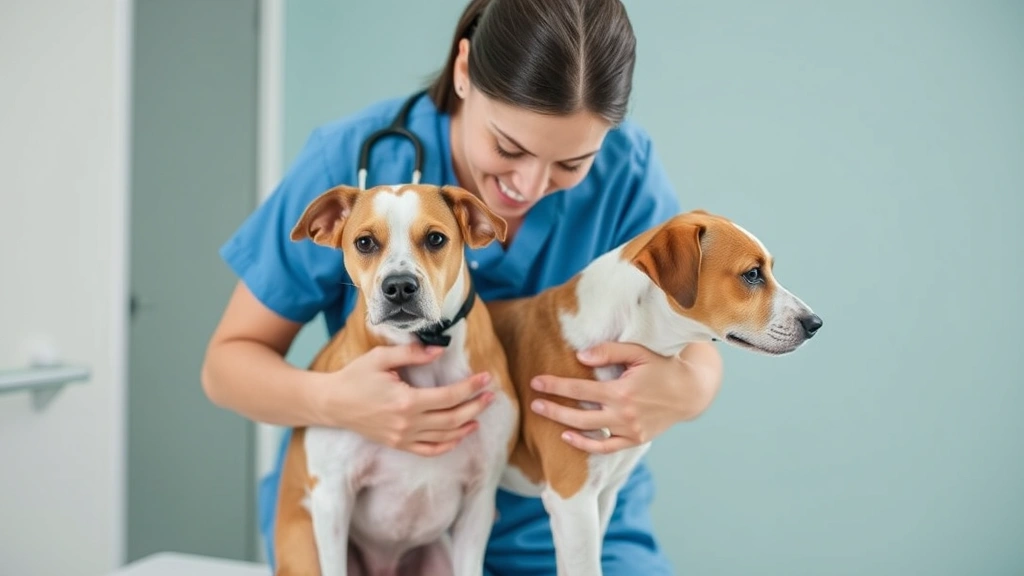
Confusion about this topic stems from a few places. First, people often use the term “period” when they really mean “estrous cycle.” Second, some folks see discharge and assume it’s related to the estrous cycle. But here’s the thing: if your spayed dog is experiencing vaginal discharge, that’s actually a sign something might be wrong, and you should contact your vet immediately.
In rare cases, a spayed dog might experience bleeding if there’s a complication from surgery, an infection, or if the surgery wasn’t performed correctly. There’s also a condition called ovarian remnant syndrome, where a small piece of ovarian tissue was accidentally left behind during surgery. This tissue can continue producing hormones, potentially triggering estrous-like symptoms. It’s uncommon, but it happens.
Another scenario involves dogs that are spayed while already in heat. Sometimes owners don’t realize their dog is cycling and schedule the surgery during proestrus or estrus. The discharge might continue for a bit after surgery as the body clears out the uterus, but it’s not a true period—it’s just the remnants of the cycle being flushed out.
The Benefits of Spaying Beyond Eliminating Cycles
Beyond stopping the estrous cycle, spaying offers serious health and behavioral benefits. First, it eliminates the risk of pyometra, a life-threatening uterine infection that can develop in intact females. It also significantly reduces the risk of mammary gland tumors, especially if done before the first heat cycle.
Behaviorally, spayed dogs tend to be calmer and less prone to wandering or escaping to find mates. They’re also not subject to the hormonal mood swings that come with cycling. If you’ve ever dealt with a dog in heat—the constant attention from males, the behavioral changes, the mess—you understand why spaying is such a game-changer.
According to the American Kennel Club, spaying is one of the most important preventative health measures pet owners can take. It’s also why most shelters and rescues require spaying or neutering before adoption.
Post-Spay Discharge: When to Worry
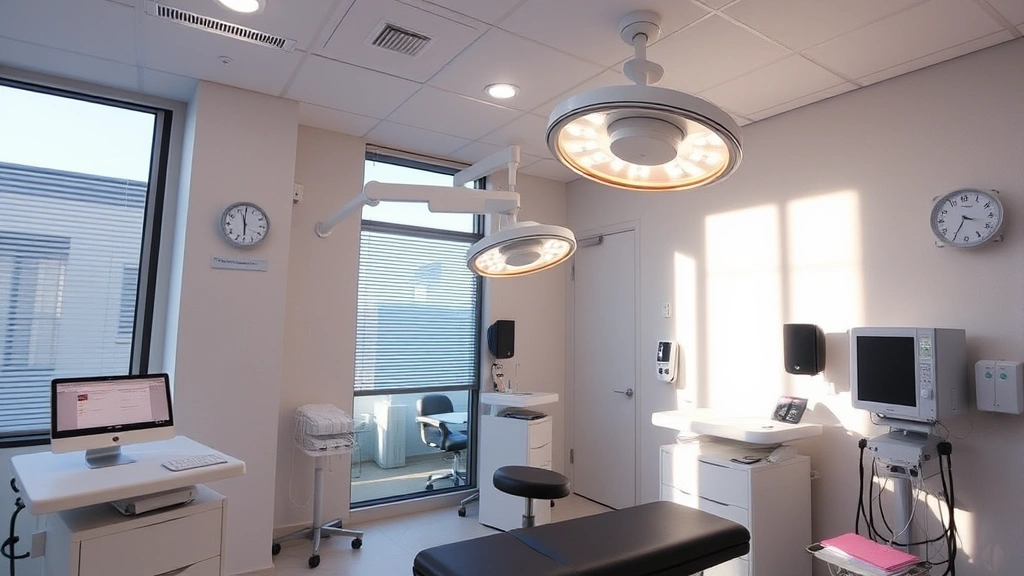
Here’s where things get real: if your spayed dog is experiencing vaginal discharge, you need to pay attention. A small amount of clear discharge is sometimes normal in the immediate post-operative period as the body heals. But any bloody discharge, foul-smelling discharge, or discharge that persists beyond a few weeks warrants a veterinary visit.
Possible causes include infection, dehiscence (the surgical incision opening up), or ovarian remnant syndrome. Your vet can perform an ultrasound or bloodwork to determine what’s happening. It’s always better to err on the side of caution with post-surgical complications.
If you notice your spayed dog licking excessively at her incision or showing signs of infection like swelling, redness, or discharge, contact your vet immediately. These could indicate a surgical complication that needs prompt attention.
Spaying Myths vs. Reality
There’s a lot of misinformation floating around about spaying. Some people claim spayed dogs gain excessive weight, but the reality is that weight gain is manageable through proper diet and exercise. Others worry that spaying will change their dog’s personality, but most owners report their spayed dogs are actually happier and more stable.
One persistent myth is that spayed dogs can still go into heat. This is false. Once the ovaries are removed, there are no hormones to trigger the estrous cycle. If your spayed dog is showing signs of heat—swollen vulva, discharge, behavioral changes—something went wrong during surgery or there’s a medical issue that needs investigation.
Another myth involves the idea that a dog should have one heat cycle before spaying. Modern veterinary medicine recommends spaying before the first heat cycle when possible, as this provides maximum protection against mammary tumors and other reproductive issues.

Timeline: When Does the Estrous Cycle Stop?
The estrous cycle stops immediately after spaying. Your dog won’t have another cycle, ever. Within days of surgery, hormone levels drop dramatically. Within weeks, any behavioral changes related to the cycle will resolve.
If your dog was spayed while in heat, the discharge might continue for a few days or even a couple of weeks as the uterus clears out. This is normal and should resolve on its own. However, if discharge persists beyond three weeks or becomes heavy, contact your veterinarian.
The behavioral changes—the restlessness, the marking, the increased aggression or anxiety—typically improve within 1-2 weeks post-surgery as hormone levels stabilize at their new, much lower baseline.
Age Considerations for Spaying
The ideal age for spaying is typically between 5-15 months, though this can vary by breed. Large breed dogs are sometimes spayed a bit later to allow for proper skeletal development. Your veterinarian can recommend the best timing for your individual dog.
Spaying an older dog is still beneficial, though some of the cancer prevention benefits are reduced. If you have an intact senior dog and are considering spaying, discuss the risks and benefits with your vet. The good news is that spaying can still prevent pyometra and other reproductive issues at any age.
For more information about your dog’s overall health and nutrition, check out our guide on immune boosting foods for pets to support her wellness after surgery.

Post-Spay Care and Recovery
After spaying, your dog needs proper care to heal well. This means restricting activity for 10-14 days post-surgery—no jumping, running, or rough play. Keep the incision clean and dry, and prevent your dog from licking it by using a cone if necessary.
Pain management is important too. Your vet will likely prescribe pain medication for the first week or two. Don’t skip doses thinking your dog doesn’t seem to be in pain; post-surgical pain management helps with healing.
Watch for signs of complications like excessive swelling, discharge, or opening of the incision. Some mild swelling and bruising is normal, but anything severe warrants a call to your vet. If your dog seems lethargic or refuses to eat, contact your veterinarian.
If you have questions about your dog’s recovery or notice anything unusual, telehealth vet appointments can be a convenient way to get professional advice without leaving home.
Spaying and Future Health Considerations
Beyond the elimination of the estrous cycle, spaying affects your dog’s long-term health in several ways. Spayed dogs have lower metabolism, which means they need fewer calories. This is why weight management becomes more important post-spay.
There’s also some research suggesting that very early spaying (before 6 months) might slightly increase the risk of certain orthopedic issues in large breeds, though the benefits of spaying still typically outweigh these risks. This is another reason to discuss timing with your veterinarian.

Spayed dogs also have a lower risk of certain cancers and virtually no risk of reproductive infections. When you look at the overall health picture, spaying is one of the most beneficial preventative procedures available.
For comprehensive information about maintaining your spayed dog’s health, including nutrition, visit our article on pet food safety to ensure you’re making the best dietary choices.
Frequently Asked Questions
Can a spayed dog still bleed?
A spayed dog should not experience vaginal bleeding under normal circumstances. If bleeding occurs, it may indicate a surgical complication, infection, or ovarian remnant syndrome. Contact your veterinarian immediately if you notice any vaginal bleeding in your spayed dog.
How long does discharge last after spaying?
If your dog was spayed while in heat, some clear or slightly bloody discharge may continue for a few days to two weeks as the uterus clears. Any discharge beyond three weeks or heavy bleeding should be evaluated by your vet.
Will my dog’s personality change after spaying?
Most dogs become calmer and more stable after spaying due to hormonal changes. Some owners report their dogs are happier and less anxious. Personality changes are typically positive, though individual dogs respond differently.
Is it too late to spay my older dog?
It’s never too late to spay a dog, though the benefits change with age. Older dogs still benefit from spaying in terms of preventing pyometra and other reproductive issues. Discuss the risks and benefits with your veterinarian based on your dog’s age and health status.
What is ovarian remnant syndrome?
Ovarian remnant syndrome occurs when a small piece of ovarian tissue is accidentally left behind during spaying. This tissue can continue producing hormones, potentially causing estrous-like symptoms. It’s rare but can be corrected with a second surgery.
Should I be concerned about spotting after spaying?
Minor spotting in the immediate post-operative period is sometimes normal, but any significant discharge or spotting that persists beyond a few weeks should be evaluated. Contact your veterinarian to rule out complications.
Conclusion: The Bottom Line on Spayed Dogs and Periods
So, do spayed dogs have periods? Absolutely not. Spaying removes the ovaries and uterus, eliminating the estrous cycle entirely. Your spayed dog will never experience heat cycles, bloody discharge from the estrous cycle, or any of the behavioral changes associated with hormonal fluctuations.
If your spayed dog is experiencing vaginal discharge or showing signs of heat, something is wrong and needs veterinary attention. This could indicate ovarian remnant syndrome, infection, or another complication that requires professional diagnosis and treatment.
Spaying is one of the best health decisions you can make for your female dog. It prevents serious reproductive diseases, reduces cancer risk, eliminates unwanted behaviors, and gives you peace of mind. The procedure is routine, the recovery is manageable, and the benefits last a lifetime.
If you have concerns about your spayed dog’s health or recovery, don’t hesitate to reach out to your veterinarian. They’re your best resource for answering specific questions about your individual pet’s health and well-being. And if you’re still deciding whether to spay, the evidence is clear: it’s one of the smartest health investments you can make for your furry friend.





