
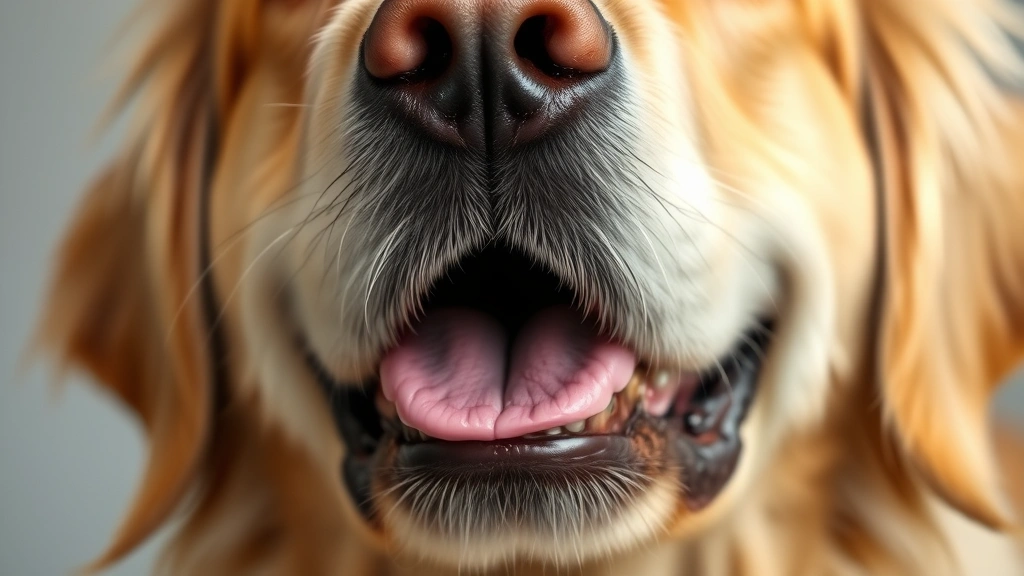
Yes, does a dog have lips? The answer is absolutely—but probably not in the way you’re picturing them. While your pup definitely has lips, they’re wildly different from human lips, and most pet owners have no idea what they’re actually looking at when they gaze into their dog’s adorable face.
Table of Contents
- What Are Dog Lips Actually Made Of?
- The Flehmen Response: When Dogs Curl Their Lips
- Do All Dog Breeds Have Visible Lips?
- Lip Color: What It Tells You About Your Dog’s Health
- Why Dogs Lick Their Lips (And What It Means)
- Lip Infections and Common Problems in Dogs
- The Role of Lips in Dog Communication
- Keeping Your Dog’s Lips Healthy
- Fun Facts About Dog Lips You Probably Didn’t Know
- Frequently Asked Questions
- Conclusion: Understanding Your Dog’s Lips
What Are Dog Lips Actually Made Of?
Dog lips are covered in thin skin with minimal pigmentation in many breeds, which is why you’ll often see that cute pink or black coloring around their mouths. Unlike human lips, which are packed with nerve endings and sensory receptors, dog lips serve a completely different purpose. They’re less about sensation and more about function—helping your furry friend eat, drink, and communicate with other dogs.
The tissue that makes up a dog’s lips is actually quite delicate. It contains fewer sweat glands than other parts of their body, which is why dogs rely on panting through their mouths to cool down rather than sweating through their lips like humans do.
The Flehmen Response: When Dogs Curl Their Lips
Ever seen your dog curl their upper lip in a weird, almost snarling way? That’s not aggression—that’s called the flehmen response, and it’s absolutely fascinating. When dogs do this, they’re actually using a special sensory organ called the vomeronasal organ (or Jacobson’s organ) located in the roof of their mouth.

This behavior helps dogs process scents in a way humans can’t even comprehend. They’re literally tasting and smelling simultaneously, gathering crucial information about their environment, other animals, and potential mates. It’s like they have a sixth sense we can only dream about.
Do All Dog Breeds Have Visible Lips?
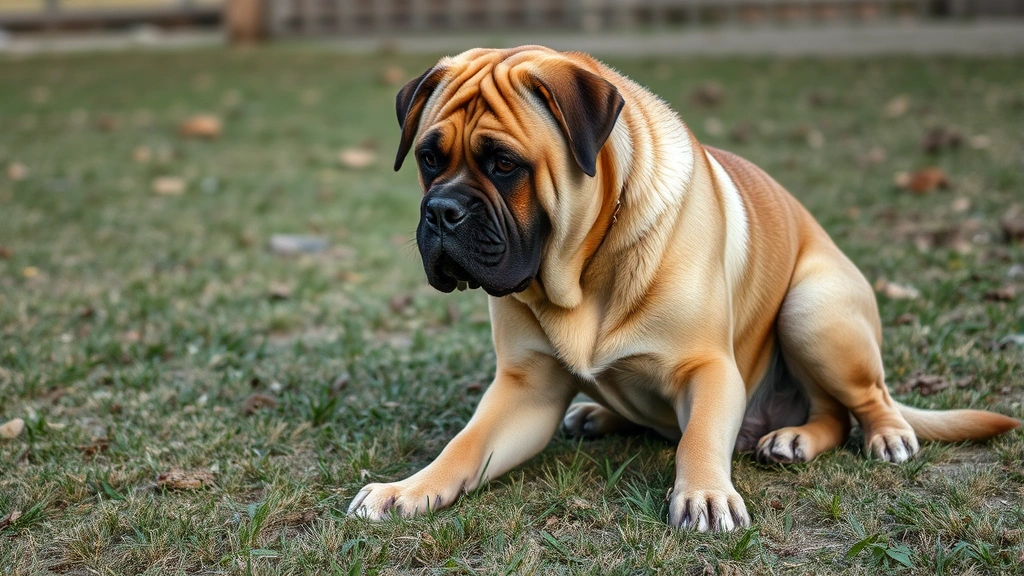
Here’s where it gets interesting: not all dogs have equally visible lips. Breeds like the Cavachon dog and other toy breeds often have more prominent, visible lips. Meanwhile, breeds with loose skin around their mouths—like Bloodhounds, Basset Hounds, and Mastiffs—have what’s called “pendulous lips” that hang down dramatically.
On the flip side, breeds with tight facial skin, like Greyhounds and Whippets, have barely noticeable lips. The variation is wild, and it all comes down to selective breeding and genetics. Some dogs literally look like they’re perpetually smiling thanks to their lip structure, while others look perpetually serious.

Lip Color: What It Tells You About Your Dog’s Health
Your dog’s lip color can actually be a window into their overall health. Healthy dog lips should be pink or pigmented black, depending on the breed. If you notice sudden changes in lip color—like extreme paleness, excessive redness, or dark spots that weren’t there before—it’s time to call your vet.
Pale lips can indicate anemia or poor circulation, while overly red lips might suggest inflammation or infection. Some dogs naturally have darker pigmentation on their lips, especially breeds with black noses, and that’s completely normal. But any dramatic shift warrants a professional opinion.
Why Dogs Lick Their Lips (And What It Means)
Dogs lick their lips constantly, and most owners think it’s just a cute quirk. But there’s actually a lot going on in that simple gesture. Sometimes it’s just because they’re about to eat or they’ve noticed a tasty smell wafting through the kitchen. Other times, it’s a sign of stress or anxiety.

If your dog is licking their lips excessively, especially when they’re not eating, it could indicate nausea, dental problems, or even behavioral anxiety. Pay attention to the context. Is your pup doing it during thunderstorms? When strangers visit? When they’re waiting for their meal? All of these situations tell you something different about what your dog is experiencing emotionally or physically.
Lip Infections and Common Problems in Dogs
Just like humans, dogs can develop infections and irritations around their lips and mouth. The most common issue is cheilitis, which is inflammation of the lips. This can be caused by allergies, infections, or irritants. If your dog’s lips look swollen, have sores, or seem unusually dry and cracked, it’s worth investigating.
Dogs can also develop yeast infections around their mouth, especially if they have loose skin or deep folds. Breeds with prominent lip folds are particularly susceptible. Regular cleaning and keeping the area dry can help prevent these issues. Additionally, maintaining your dog’s skin and coat health foods in their diet supports overall oral and lip health.

The Role of Lips in Dog Communication
While dogs don’t have expressive lips like humans, their lips still play a role in canine communication. The position and tension of their lips can indicate their emotional state. A dog with tightly pulled-back lips and visible teeth might be showing submission or fear, while relaxed lips suggest a calm, content pup.
Dogs also use their mouths and lips in play-biting and social interactions with other dogs. The way they hold their mouth during play tells other dogs whether they’re being friendly or aggressive. It’s a subtle but important part of their body language vocabulary.
Keeping Your Dog’s Lips Healthy
Maintaining lip health is part of overall dog care. Make sure your pup has access to fresh water at all times—dehydration can lead to dry, cracked lips. If your dog spends a lot of time outdoors, consider using pet-safe lip balm, especially during winter months or in extremely sunny climates.
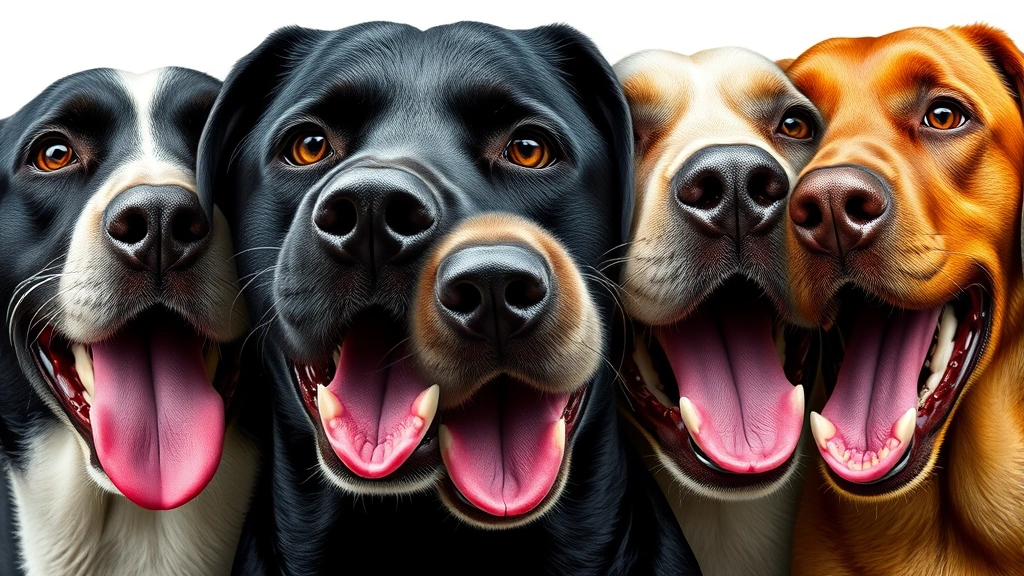
Regular dental checkups will also help catch any lip or mouth issues early. Your vet can spot inflammation, infections, or other problems that you might miss. And if your dog has loose or prominent lips, keep an eye out for food or debris getting trapped in those folds, which can lead to infections.
Consider incorporating puppy safe human foods and herbs safe for pets that support oral health into their diet when appropriate.
Fun Facts About Dog Lips You Probably Didn’t Know
Here’s something wild: dogs can actually move their lips independently from their jaw, which is why they can make those adorable little talking sounds that make us think they’re trying to communicate in English. Some breeds, particularly those bred for hunting or retrieving, have more control over their lip muscles than others.

Another cool fact? A dog’s lip print is unique, just like a human fingerprint. No two dogs have exactly the same lip pattern. Scientists have actually studied this as a potential way to identify dogs, though microchipping is obviously more practical.
Frequently Asked Questions
Can dogs get sunburned on their lips?
Yes, absolutely. Dogs with light-colored or non-pigmented lips are especially vulnerable to sunburn. If your dog spends a lot of time outdoors, consider pet-safe sunscreen on their nose and lips, or limit their sun exposure during peak hours.
Why does my dog’s lip stick out sometimes?
This is usually harmless and often happens when dogs are relaxed or sleeping. Sometimes their lips just naturally droop or stick out. However, if it’s a sudden change or accompanied by drooling or difficulty eating, contact your vet.
Is it normal for dogs to have dark spots on their lips?
Yes, many dogs naturally have dark pigmentation on their lips, especially if they have black noses. This is completely normal. However, if spots appear suddenly or change in size, have it checked by your vet to rule out any issues.
What should I do if my dog’s lips are swollen?
Swollen lips can indicate allergies, infections, or insect bites. If the swelling is mild and your dog seems otherwise fine, monitor it. If it worsens, your dog has difficulty eating, or they seem in pain, contact your veterinarian immediately.
Do dogs need lip balm?
Most dogs don’t need lip balm under normal circumstances, but it can help during extreme weather. Always use pet-safe products, never human lip balm, as some ingredients can be toxic to dogs.

Conclusion: Understanding Your Dog’s Lips
So, does a dog have lips? Yes, they absolutely do—and they’re far more interesting than most pet owners realize. From their unique sensory functions to their role in communication and health indicators, dog lips are a fascinating part of canine anatomy. By understanding what those lips are doing and what they tell you about your pup’s health and emotions, you’ll become a more informed and attentive pet owner. Next time you look at your dog’s adorable face, you’ll appreciate just how much those little lips are doing behind the scenes. Keep an eye on them, maintain good oral health, and remember that sometimes the simplest features of our furry friends are the most complex.
External Resources:
American Kennel Club – Breed Information and Health
PetMD – Veterinary Health Information
Cornell University College of Veterinary Medicine





