

So you’re sitting at your kitchen table with a cinnamon roll in one hand and your dog staring at you with those irresistible puppy-dog eyes, and you’re wondering: does cinnamon hurt dogs? It’s a fair question, especially when your furry friend is acting like they’ve never seen food before in their entire life. The good news? Cinnamon isn’t toxic to dogs in small amounts, but there’s definitely more to this spicy story than a simple yes or no.
Table of Contents
- Is Cinnamon Actually Toxic to Dogs?
- Common Cinnamon Products and Pet Safety Concerns
- What Happens If Your Dog Eats Cinnamon?
- Cinnamon Sensitivity and Individual Dog Reactions
- Safe Alternatives to Cinnamon for Dogs
- Cinnamon for Dogs with Specific Health Conditions
- The Cinnamon Challenge: Why Your Dog Shouldn’t Participate
- Reading Labels: Hidden Cinnamon in Dog Foods
- When to Call the Vet About Cinnamon Exposure
- Pro Tips for Keeping Your Dog Safe from Spices
- Frequently Asked Questions
- The Bottom Line on Cinnamon and Dogs
Let’s break down what you actually need to know about cinnamon and your canine companion so you can make informed decisions about what treats are safe to share.
Is Cinnamon Actually Toxic to Dogs?
Here’s the straight answer: cinnamon isn’t inherently toxic to dogs. Unlike chocolate or xylitol, which are genuinely dangerous, cinnamon doesn’t contain compounds that poison your pup. The ASPCA and veterinary sources confirm that small amounts of cinnamon won’t cause serious harm. However—and this is a big however—that doesn’t mean you should sprinkle it on everything your dog eats.
The real issue with cinnamon for dogs isn’t about toxicity; it’s about irritation and potential digestive upset. Think of it like this: just because something isn’t poisonous doesn’t mean it’s a good snack for your dog.
Common Cinnamon Products and Pet Safety Concerns
Not all cinnamon is created equal when it comes to dog safety. The type of cinnamon product matters significantly. Ground cinnamon powder is the most problematic because it can irritate your dog’s mouth, throat, and respiratory system if inhaled. Cinnamon sticks are safer since your dog would have to actually chew and ingest them, which is less likely.
Cinnamon-flavored foods are where things get tricky. That list of harmful foods for dogs often includes items with cinnamon combined with other dangerous ingredients like sugar, artificial sweeteners, or chocolate. A cinnamon roll with raisins? Absolutely not. A cinnamon cookie with macadamia nuts? Hard pass. The cinnamon itself might be fine, but the supporting cast of ingredients could be genuinely dangerous.
What Happens If Your Dog Eats Cinnamon?
If your dog manages to snag a small amount of cinnamon, don’t panic. Here’s what typically happens:
Minor exposure (a lick or tiny taste) usually causes nothing more than a funny face and maybe some sneezing. Your dog might cough a bit if cinnamon powder gets inhaled, but it passes quickly.
Moderate exposure (a few teaspoons) could result in mild digestive upset like vomiting or diarrhea, stomach irritation, or mouth irritation. Your dog might also experience coughing or difficulty breathing if they inhaled powder.
Large amounts (more than a tablespoon or two) could cause more serious symptoms, though true toxicity is rare. This is when you’d want to contact your vet or the Pet Poison Hotline.
Cinnamon Sensitivity and Individual Dog Reactions
Here’s where it gets personal: dogs are individuals. Some dogs have sensitive stomachs and react badly to things that other dogs handle fine. A dog with inflammatory bowel disease or a sensitive digestive system might have a much worse reaction to cinnamon than a dog with an iron stomach.
Additionally, certain dog breeds seem more prone to respiratory sensitivity. Brachycephalic breeds (flat-faced dogs like Bulldogs and Pugs) are already prone to breathing issues, and cinnamon powder could make things worse for them.
Age matters too. Puppies and senior dogs might be more sensitive than adult dogs in their prime.

Safe Alternatives to Cinnamon for Dogs
Want to give your dog something special that won’t raise your stress levels? Check out this guide to spices safe for pets and this list of vet approved human foods for pets.
Better options include:
- Carrots – crunchy, healthy, and dogs love them
- Apples (without seeds) – sweet and nutritious
- Pumpkin – good for digestion and naturally sweet
- Blueberries – packed with antioxidants
- Plain sweet potato – satisfying and healthy
- Banana – in moderation, great for potassium
These alternatives let you feel good about sharing food with your dog without the cinnamon concern. You could even make homemade dog treats with these ingredients and feel like the world’s best pet parent.
Cinnamon for Dogs with Specific Health Conditions
Some pet owners have heard that cinnamon has anti-inflammatory properties and wondered if it could help their dogs with arthritis or other conditions. While cinnamon does have some anti-inflammatory compounds in humans, the evidence for dogs is extremely limited.
More importantly, if your dog has a medical condition, you shouldn’t add anything to their diet without veterinary approval. Cinnamon could interact with medications or aggravate existing conditions. Your vet needs to know about any supplements or food additions you’re considering.
The Cinnamon Challenge: Why Your Dog Shouldn’t Participate
You’ve probably seen those internet videos of people doing the cinnamon challenge. Do NOT let your dog do this. Ever. The challenge involves consuming a tablespoon of cinnamon powder without water, and it’s dangerous for humans—it’s exponentially worse for dogs.
Inhaling cinnamon powder can cause serious respiratory distress in dogs, including coughing, gagging, difficulty breathing, and potential aspiration pneumonia. This isn’t funny; it’s genuinely dangerous. If your dog somehow gets into a large amount of cinnamon powder, watch for labored breathing and contact your vet immediately.
Reading Labels: Hidden Cinnamon in Dog Foods
Some commercial dog treats and foods contain cinnamon as a flavoring. This is generally fine in the small amounts used in commercial products. However, you should still check labels because the real danger often comes from what else is in the product.
That cinnamon-flavored treat might also contain sugar, artificial sweeteners, or other problematic ingredients. Always read the full ingredient list, not just the flavor description. Check out the guide to human food alternatives for pets for better options.
When to Call the Vet About Cinnamon Exposure
You should contact your veterinarian if your dog:
- Ingested a large amount of cinnamon (more than a tablespoon)
- Is showing signs of respiratory distress or difficulty breathing
- Has persistent vomiting or diarrhea after cinnamon exposure
- Shows signs of abdominal pain or discomfort
- Inhaled cinnamon powder and is coughing excessively
- Has a pre-existing health condition and ate cinnamon
When in doubt, it’s always better to call your vet. They know your dog’s health history and can provide specific guidance.
Pro Tips for Keeping Your Dog Safe from Spices
The best approach is prevention. Store cinnamon and other spices in cabinets your dog can’t access. Keep baked goods and spiced foods out of reach. Educate family members and guests about what dogs can and can’t eat—that well-meaning aunt might not realize cinnamon rolls are off-limits.
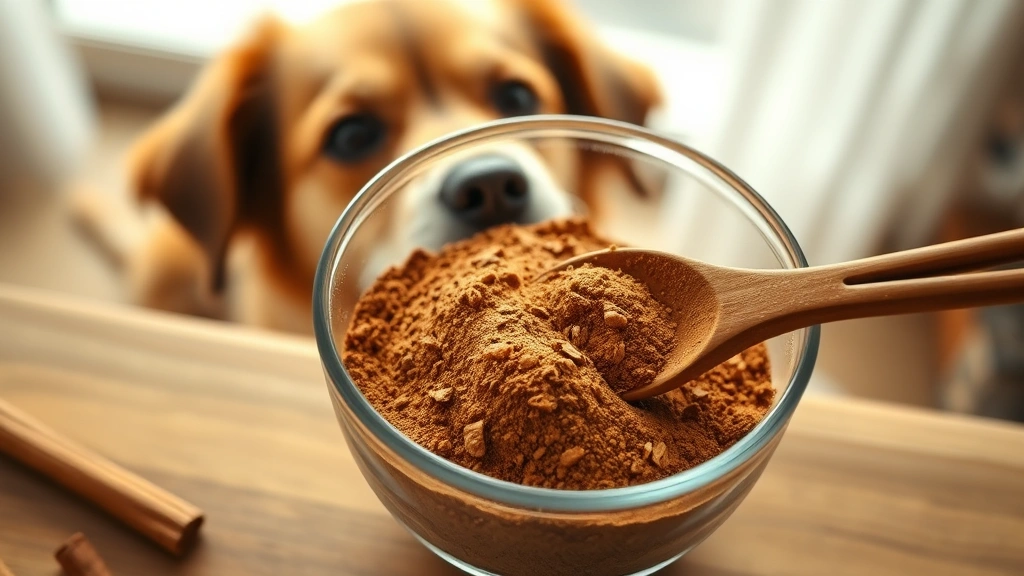
When you’re cooking with cinnamon, do it when your dog isn’t underfoot. If cinnamon powder gets into the air, your dog doesn’t need to be in the kitchen breathing it in. It’s not worth the risk of respiratory irritation.
Most importantly, stick with dog-appropriate treats. Your dog doesn’t need human food to feel loved. A simple belly rub, a game of fetch, or a new toy often means just as much.
Frequently Asked Questions
Is a little bit of cinnamon okay for dogs?
A tiny amount of cinnamon—like a lick of a cinnamon stick or a sprinkle on a treat—is unlikely to cause serious harm. However, it’s not necessary for your dog’s health and could cause mild digestive upset or mouth irritation. It’s better to avoid it altogether and choose dog-safe alternatives.
Can dogs have cinnamon toast?
Cinnamon toast isn’t ideal for dogs. Beyond the cinnamon concern, bread and sugar aren’t great for dogs either. If your dog accidentally eats a small piece, they’ll probably be fine, but it’s not something to intentionally feed them.
What if my dog ate a cinnamon roll?
A single cinnamon roll is unlikely to cause serious toxicity, but watch your dog for signs of digestive upset. The bigger concern is usually the sugar, butter, and other ingredients in the roll. If your dog shows signs of vomiting, diarrhea, or abdominal pain, contact your vet.
Is cinnamon essential oil safe for dogs?
No. Essential oils are concentrated and much more potent than ground cinnamon. Cinnamon essential oil can be toxic to dogs and cause serious problems. Keep all essential oils away from your pets.
Can cinnamon help my dog’s arthritis?
While cinnamon has anti-inflammatory properties in humans, there’s no strong evidence it helps dogs with arthritis. More importantly, you shouldn’t add supplements or spices to your dog’s diet without veterinary approval. Talk to your vet about proven arthritis treatments instead.
What spices are actually safe for dogs?
Most spices should be avoided for dogs. Plain, unseasoned food is safest. If you want to add flavor, stick with dog-safe options like plain pumpkin, sweet potato, or carrots. Check the spices safe for pets guide for more information.
The Bottom Line on Cinnamon and Dogs
So, does cinnamon hurt dogs? Technically, small amounts of cinnamon aren’t toxic, but that doesn’t make it a good choice for your pet. It can irritate their digestive system, mouth, and respiratory tract. The safest approach is to keep cinnamon and cinnamon-containing products away from your dog.
Your dog doesn’t need cinnamon to be happy and healthy. Plenty of dog-safe foods and treats will make your pup just as excited without any risk. Stick with those options, and you’ll never have to worry about whether you’re making a mistake with your furry friend’s diet.
Remember: when it comes to pet safety, it’s always better to be cautious. If you’re unsure about any food or ingredient, ask your vet. They’re your best resource for keeping your dog healthy and happy for years to come.





