
Yes, does dogs burp? Absolutely! Your furry friend can and does burp, just like you do. But here’s the thing—most dog owners never actually hear their pups burp because dogs are way better at keeping it quiet than we are. If you’ve ever wondered whether your dog experiences gas relief the same way you do after a fizzy drink, you’re in for some fun facts that’ll change how you think about your pet’s digestive system.
Table of Contents
- Do Dogs Actually Burp Like Humans?
- Why You Rarely Hear Your Dog Burp
- Common Reasons Dogs Experience Gas and Burping
- The Science Behind Canine Digestion and Gas Production
- When Dog Burping Becomes a Health Concern
- How to Reduce Excessive Gas in Your Dog
- Breed Differences in Burping and Gas
- The Difference Between Burping and Flatulence
- When to Call Your Veterinarian About Dog Burping
- Fun Facts About Dog Digestion You Didn’t Know
- Frequently Asked Questions
- Conclusion: Understanding Your Dog’s Digestive Health
Do Dogs Actually Burp Like Humans?
The short answer is yes, dogs burp. However, their burps are typically silent and often go completely unnoticed. Unlike humans who produce audible belches, most dogs release gas from their stomachs with barely a peep. This doesn’t mean the gas isn’t there—it’s just that dogs have different anatomy and behavior patterns when it comes to expelling air from their digestive tract.
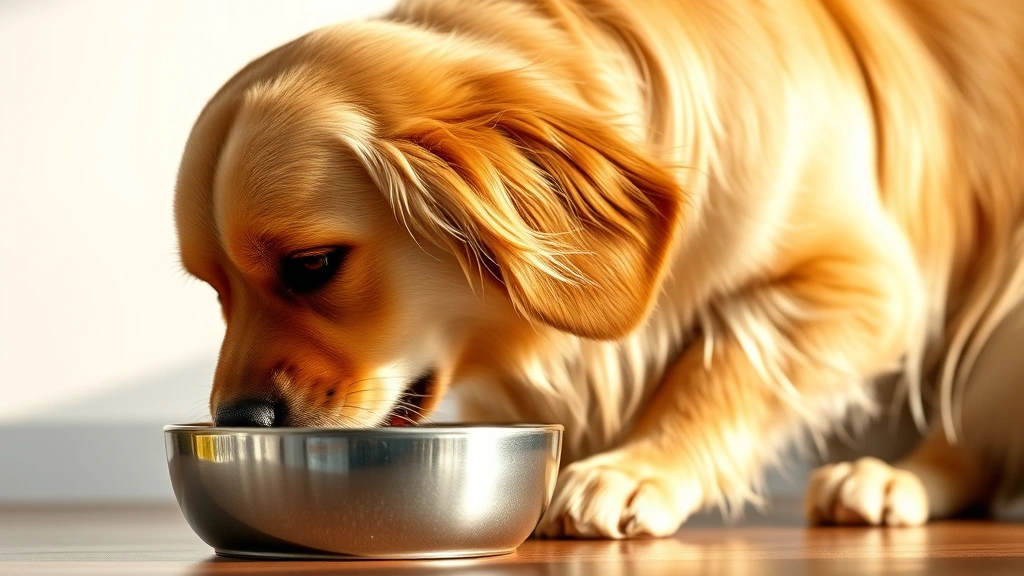
When a dog swallows food or drinks water too quickly, air gets trapped in their stomach, just like it does in humans. This air needs to escape somehow, and burping is the natural mechanism for that release. The difference is that dogs don’t seem to have the same social awareness about burping that humans do, so they simply let it happen without fanfare.
Why You Rarely Hear Your Dog Burp
There are several reasons why your dog’s burps are practically silent. First, dogs have a different esophageal structure than humans. Their esophagus is positioned at a slightly different angle, which means gas releases more quietly and with less force. Additionally, dogs don’t have the same vocal involvement in burping that humans do.
Second, dogs are less likely to gulp large amounts of air while eating. While some dogs are notorious for scarfing down their food at lightning speed, they typically don’t create the same air pockets that lead to noticeable burps. When they do burp, the gas escapes gradually rather than in one explosive release.
Third, most dogs simply don’t burp as frequently as humans do. Their digestive systems are more efficient at processing food and managing gas buildup naturally through other means.
Common Reasons Dogs Experience Gas and Burping
Several factors can cause your dog to experience more gas than usual, which might result in occasional audible burps. Understanding these triggers helps you manage your pet’s digestive health better. Check out our Pet Nutrition Advice guide for dietary recommendations.
Eating too quickly: Speed eaters gulp air along with their food. If your dog inhales their meals in seconds, they’re likely swallowing excess air that needs to escape.
Low-quality dog food: Cheap kibble often contains fillers and ingredients that are harder to digest, leading to increased gas production. Investing in quality nutrition makes a real difference. Our Pet Food Safety resource explains what to look for in quality dog food.
Table scraps and human food: Not all human foods are safe for dogs, and many can cause digestive upset. Foods like beans, dairy, and fatty meats are notorious for causing gas in canines. Learn more about what’s safe in our article on Can Dogs Eat Eggs.
Swallowing air while playing: Excited dogs sometimes gulp air during enthusiastic play sessions, which can lead to temporary gas buildup.
Digestive sensitivities: Some dogs have sensitive stomachs that react to certain ingredients or environmental changes, resulting in increased gas production.
The Science Behind Canine Digestion and Gas Production
Dogs have a shorter digestive tract than humans, which means food moves through their system faster. While this is generally efficient, it can sometimes lead to incomplete digestion of certain foods, causing fermentation and gas production in the colon. This is completely normal and part of their natural digestive process.
The bacteria in your dog’s gut play a crucial role in breaking down food. When these bacteria ferment undigested carbohydrates or fiber, they produce gas as a byproduct. This is why sudden diet changes can cause increased flatulence—your dog’s gut bacteria need time to adjust to new foods.
Additionally, dogs produce digestive enzymes differently than humans. They have less amylase, which breaks down carbohydrates, meaning some carbs pass through undigested and contribute to gas production later in the digestive process.
When Dog Burping Becomes a Health Concern
While occasional burping is completely normal, excessive burping or gas can sometimes indicate an underlying health issue. If your dog is burping frequently or you notice a sudden change in their gas production, it’s worth paying attention.

Conditions like bloat, gastroenteritis, or food sensitivities can cause increased gas. If your dog seems uncomfortable, has a distended belly, or shows signs of distress, contact your veterinarian immediately. Bloat is a serious condition that requires emergency care. Check our resource on Emergency Vet for Food Poisoning for guidance on when to seek immediate help.
Also watch out for foods that are genuinely harmful to dogs. Our Harmful Foods for Dogs guide lists items you should never feed your pet.
How to Reduce Excessive Gas in Your Dog
If your dog seems to have more gas than normal, there are several practical steps you can take to help them feel more comfortable.
Slow down mealtime: Use slow-feed bowls or puzzle feeders that force your dog to eat more deliberately. This reduces the amount of air they swallow with their food.
Feed smaller, more frequent meals: Instead of one or two large meals, try feeding your dog three smaller portions throughout the day. This is easier on their digestive system.
Choose high-quality dog food: Look for foods with easily digestible proteins and minimal fillers. Premium dog foods are often worth the investment for digestive health.
Avoid sudden diet changes: When switching foods, do it gradually over 7-10 days to allow your dog’s gut bacteria to adjust.
Limit table scraps: Keep human food to a minimum, especially foods known to cause gas like beans, dairy, and fatty meats.
Ensure adequate exercise: Regular physical activity helps with digestion and can reduce gas buildup.
Consider probiotics: Some dogs benefit from probiotic supplements that support healthy gut bacteria.
Breed Differences in Burping and Gas
Interestingly, some dog breeds are more prone to gas issues than others. Brachycephalic breeds—those with flat faces like Bulldogs, Pugs, and Boston Terriers—often experience more gas because of their unique respiratory and digestive anatomy. These breeds tend to swallow more air while breathing and eating.
Large breed dogs like Great Danes and Saint Bernards are also more susceptible to bloat, which can involve excessive gas. Understanding your breed’s predisposition helps you take preventive measures.
Small breeds sometimes have more sensitive digestive systems and may experience gas more noticeably, even though they produce less total gas volume than larger dogs.
The Difference Between Burping and Flatulence
While burping is gas escaping from the stomach through the mouth, flatulence is gas exiting through the rectum. Both are normal bodily functions in dogs, but they have different causes and characteristics.
Burping typically happens shortly after eating or drinking, while flatulence can occur hours later as food is digested. If your dog has excessive flatulence (the stinky kind), it’s usually a sign of either dietary issues or digestive problems. Burping is generally less of a concern unless it’s accompanied by other symptoms like vomiting or abdominal distension.
Some dog owners notice their pets have a particular odor when they do pass gas. This is usually related to the foods they’re eating and the bacteria in their gut. Switching to a higher-quality diet often reduces flatulence odor significantly.
When to Call Your Veterinarian About Dog Burping
Most burping in dogs is nothing to worry about, but certain situations warrant a veterinary visit. Contact your vet if your dog is burping excessively, especially if it’s a new behavior. Also seek professional advice if burping is accompanied by vomiting, loss of appetite, lethargy, or abdominal pain.
If your dog’s belly appears bloated or distended, this could indicate bloat—a life-threatening emergency that requires immediate veterinary attention. Don’t wait or assume it will resolve on its own.
Additionally, if you’ve recently changed your dog’s food and they’re experiencing increased gas and burping, your vet can help determine if the new food is the culprit or if there’s an underlying sensitivity.
Fun Facts About Dog Digestion You Didn’t Know
Dogs have been domesticated for thousands of years, and their digestive systems have adapted significantly from their wolf ancestors. Modern dogs can actually digest carbohydrates more efficiently than wolves, which is why they’ve thrived eating human-prepared foods.
Dogs also have a much stronger stomach acid than humans, allowing them to break down bones and digest raw meat more effectively. This powerful acid helps prevent bacterial contamination that might make humans sick.
Another interesting fact: dogs can’t burp on command like some humans can. Their burping is entirely involuntary and happens only when gas naturally accumulates in their stomach.
Frequently Asked Questions
Can dogs burp on purpose?
No, dogs cannot burp on purpose. Burping in dogs is an involuntary reflex that happens when gas naturally accumulates in their stomach and needs to escape. Unlike some humans who’ve learned to burp on command, dogs lack the voluntary control over their esophageal muscles needed to do this.
Is it normal for dogs to burp?
Yes, absolutely! Burping is a completely normal part of canine digestion. Most dog owners simply don’t notice their dogs burping because the burps are silent. If you do hear your dog burp occasionally, there’s nothing to worry about—it’s just their digestive system working as intended.
What does a dog burp sound like?
When you do hear a dog burp, it’s usually a soft, quiet sound—much quieter than human burps. It might sound like a gentle exhale or a small rumbling from their throat. Some dogs produce barely audible burps, while others might make a slightly more noticeable sound depending on how much gas they’re expelling.
Should I be worried if my dog burps frequently?
Occasional burping is normal, but frequent burping could indicate a dietary issue or digestive problem. If your dog suddenly starts burping much more than usual, try adjusting their diet or feeding schedule. If the excessive burping persists or is accompanied by other symptoms, consult your veterinarian.
Can dog food cause excessive burping?
Yes, certain dog foods can cause increased gas and burping. Low-quality kibble with lots of fillers, sudden diet changes, and foods your dog is sensitive to can all lead to excessive gas production. Switching to a higher-quality, easily digestible dog food often resolves the issue.
Conclusion: Understanding Your Dog’s Digestive Health
So, does dogs burp? Yes, they absolutely do! While your furry friend’s burps are typically silent and go unnoticed, they’re a completely normal part of healthy digestion. Understanding why dogs burp, what causes excessive gas, and when to be concerned helps you better care for your pet’s digestive health.
Most burping in dogs requires no intervention—it’s just their body doing what it’s supposed to do. However, being aware of dietary factors, feeding habits, and signs of potential health issues allows you to keep your dog comfortable and healthy. By choosing quality nutrition, managing feeding speed, and staying alert to changes in your dog’s behavior, you’re already doing great things for their overall wellness.
Remember, if you ever have concerns about your dog’s digestive health or notice significant changes in their burping or gas production, your veterinarian is always your best resource for personalized advice.





