
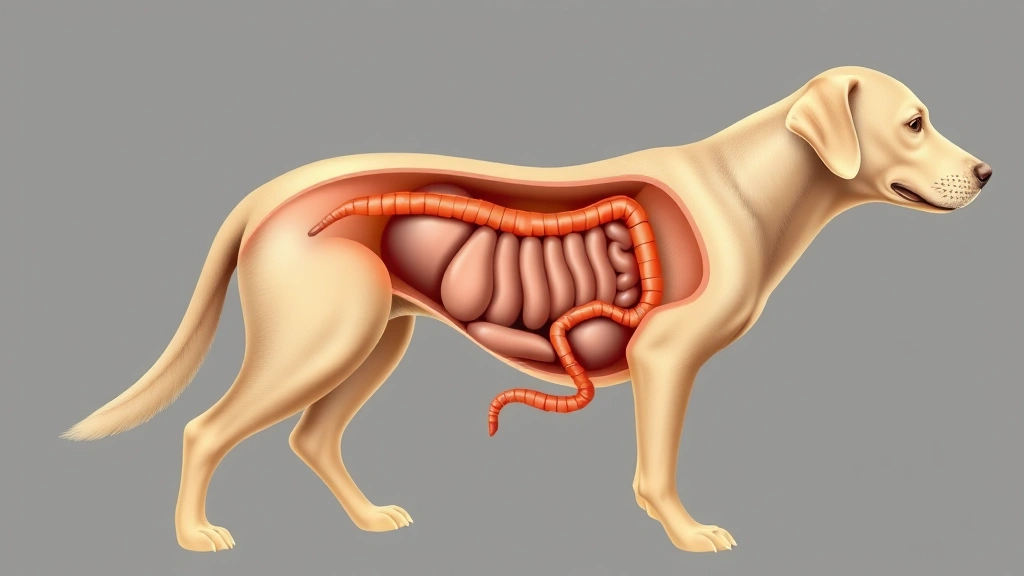
So, does dogs have appendix? The short answer is: nope, they don’t! While humans are walking around with this mysterious little organ tucked in their abdomen, our furry friends got the better deal and ditched it entirely during evolution. This might sound wild, but it’s actually one of those fascinating differences between canine and human anatomy that makes you wonder why we’re stuck with something dogs figured out they didn’t need.
Table of Contents
- What Exactly Is an Appendix Anyway?
- Do Dogs Have an Appendix? The Anatomy Answer
- Why Evolution Gave Dogs the Better Deal
- Understanding the Dog Digestive System
- Common Digestive Issues in Dogs (And What Causes Them)
- The Cecum: What Dogs Have Instead
- Comparing Human and Canine Digestive Systems
- Why This Matters for Your Dog’s Health
- The Evolution of the Appendix: A Human Perspective
- What If Your Dog Gets Digestive Problems?
- Frequently Asked Questions
- Final Thoughts: Dogs Win This Round
What Exactly Is an Appendix Anyway?
Before we dive into why dogs don’t have one, let’s talk about what an appendix actually is. In humans, the appendix is a small, tube-shaped organ connected to the large intestine. It’s about the size of your pinky finger and sits in the lower right part of your abdomen. Scientists have debated its purpose for years, and while we used to think it was completely useless, we now know it actually plays a role in immune function and contains beneficial bacteria.
The appendix is part of your lymphoid tissue, which means it’s involved in fighting infections and supporting your gut health. Pretty cool for something we used to call a “vestigial organ,” right? But here’s the kicker: even though it does something useful, it’s also notorious for getting inflamed and causing appendicitis, which is why millions of people have had their appendix removed.
Do Dogs Have an Appendix? The Anatomy Answer
Here’s the deal: dogs do not have an appendix. Their digestive system is fundamentally different from ours. Instead of having that little pouch attached to their large intestine, dogs have a structure called the “cecum,” which is a small pouch at the junction between the small and large intestines. But unlike humans, the dog’s cecum is much smaller and doesn’t function like our appendix does.
This anatomical difference isn’t random—it’s a direct result of how dogs evolved. Their ancestors were carnivores who needed a digestive system optimized for processing meat, not plant matter. The appendix in humans is thought to have evolved to help digest plant-based foods, which is why it’s more prominent in herbivores and omnivores. Since dogs are primarily carnivorous, they never needed to develop a robust appendix-like structure.
Why Evolution Gave Dogs the Better Deal
Evolution is wild, and in this case, dogs absolutely won the genetic lottery. While humans are stuck with an appendix that can rupture and require emergency surgery, dogs got to skip that entire problem. Their digestive system is streamlined for their dietary needs, which is why they can handle things like raw meat and bones without the same digestive complications we’d face.
The reason dogs don’t need an appendix comes down to their diet and lifestyle. Carnivores have shorter digestive tracts overall, and they don’t rely on the same bacterial fermentation processes that herbivores use to break down plant material. The appendix in humans serves as a reservoir for beneficial bacteria, but dogs’ digestive systems work differently. They have a faster transit time for food, which means their gut bacteria composition is adapted to that rapid movement.
It’s kind of hilarious when you think about it: dogs are out here living their best lives without appendicitis risk, while we humans are one bad meal away from needing surgery. Mother Nature clearly had favorites.
Understanding the Dog Digestive System
Since dogs don’t have an appendix, let’s talk about what they do have. The canine digestive system is actually pretty fascinating and incredibly efficient for their needs. When a dog eats, food travels down the esophagus into the stomach, where it’s broken down by powerful acids and enzymes. Then it moves into the small intestine, where most nutrient absorption happens.
After the small intestine, food moves into the large intestine (colon), where water is absorbed and waste is formed. At the junction between the small and large intestine, dogs have that cecum we mentioned earlier. In some animals, the cecum is much larger and plays a significant role in digestion, but in dogs, it’s pretty minimal. This is another indicator of how specialized the dog digestive system is for processing meat.
The entire process from mouth to exit is much faster in dogs than in humans—usually around 6-8 hours compared to our 24-72 hours. This rapid transit time is perfect for a carnivore but would be problematic if dogs tried to eat a diet heavy in plant matter. That’s why feeding your dog appropriate nutrition is crucial, and why you should always consult your vet about dietary changes.
Common Digestive Issues in Dogs (And What Causes Them)
Even though dogs don’t have to worry about appendicitis, they can still experience digestive problems. Constipation in dogs is actually pretty common and can be caused by dehydration, lack of exercise, or dietary issues. Unlike appendicitis, which comes on suddenly and severely, constipation develops gradually and can often be managed at home.
Other digestive issues dogs face include diarrhea, inflammatory bowel disease, and food sensitivities. These problems are usually related to diet, stress, or underlying health conditions—not to a malfunctioning appendix. If your dog is experiencing digestive issues, it’s important to look at their diet first. Many dogs benefit from consistent, high-quality nutrition that suits their individual needs.
For dogs with sensitive stomachs, certain human foods can help support their digestive health. Additionally, high-fiber human foods for pets can be beneficial for digestive regularity, though you should always introduce new foods gradually and under veterinary guidance.
The Cecum: What Dogs Have Instead
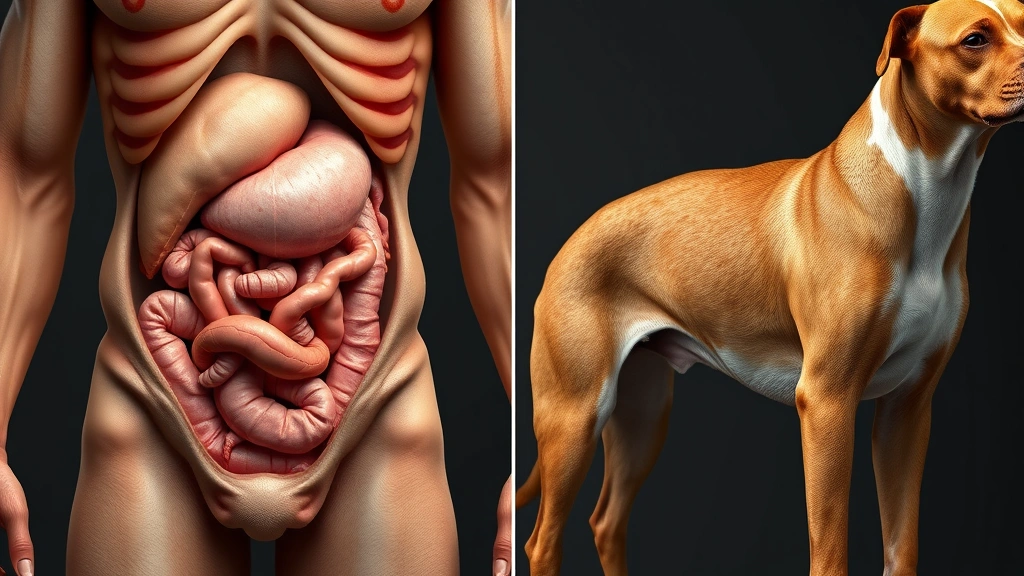
Let’s get specific about the cecum, since it’s the closest thing dogs have to an appendix. The cecum is a pouch located at the beginning of the large intestine, and it’s present in many mammals. In herbivores like horses and rabbits, the cecum is huge and plays a critical role in breaking down plant material through bacterial fermentation. In dogs, though, it’s tiny and doesn’t serve much of a function.
Scientists believe the cecum in dogs is essentially a leftover from their evolutionary past—a remnant from when their ancestors might have eaten more plant material. Over millions of years, as dogs became more carnivorous, the cecum shrunk and became less important. It’s still there, but it’s basically on the job just to collect a paycheck.
This is actually a great example of how evolution works. Structures don’t disappear overnight; instead, they gradually become smaller and less functional over generations. The cecum in dogs is heading in that direction, though it hasn’t completely vanished yet.
Comparing Human and Canine Digestive Systems
When you line up human and canine digestive systems side by side, the differences are pretty striking. Humans are omnivores with a digestive system designed to handle both plant and animal matter. We have longer digestive tracts, more complex saliva enzymes, and yes, that appendix. Dogs, on the other hand, have a system optimized for meat consumption.
Here’s a quick breakdown of the major differences:
- Stomach acid: Dogs have much stronger stomach acid than humans, which helps them break down raw meat and kill harmful bacteria.
- Intestinal length: Human intestines are proportionally longer, giving us more time to extract nutrients from plant-based foods.
- Enzyme production: Dogs produce fewer amylase enzymes (which break down carbohydrates) compared to humans.
- Transit time: Food moves through a dog’s digestive system much faster than through a human’s.
- Appendix/Cecum: Humans have a functional appendix; dogs have a vestigial cecum.
These differences explain why dogs can eat things that would make us sick and why they have different nutritional needs than we do. It’s not that dogs are “tougher”—it’s that their digestive systems are literally built for a different diet.
Why This Matters for Your Dog’s Health
Understanding that dogs don’t have an appendix and have a fundamentally different digestive system should influence how you care for your pup. It means you shouldn’t assume that what’s healthy for you is healthy for your dog. Just because you can digest a certain food doesn’t mean your dog can process it efficiently.
For instance, dogs don’t need the fiber that humans do, and too much fiber can actually cause digestive upset in some dogs. Similarly, certain foods that are safe for humans can be toxic to dogs because their digestive systems process them differently. This is why it’s crucial to stick with dog-appropriate foods and treats.
If your dog is dealing with digestive issues, don’t assume it’s something serious like appendicitis (since that’s not even possible). Instead, focus on dietary adjustments, hydration, and exercise. Many digestive problems in dogs can be resolved with simple lifestyle changes. However, if problems persist, definitely see your vet to rule out underlying conditions.
The Evolution of the Appendix: A Human Perspective
It’s interesting to think about why humans still have an appendix when dogs clearly don’t need one. The answer lies in our evolutionary history. Our ancestors were omnivores who ate a lot of plant material, and the appendix likely played an important role in fermenting tough plant fibers and housing beneficial bacteria.
As our diet changed and we developed cooking (which breaks down food and makes it easier to digest), the appendix became less critical. However, it didn’t disappear because evolution doesn’t remove structures that aren’t actively harmful. The appendix just hung around, doing its thing, occasionally causing problems but mostly staying quiet.
Dogs, meanwhile, took a different evolutionary path. Their ancestors became more specialized carnivores, and over millions of years, structures that weren’t essential for meat digestion got smaller and less functional. The cecum in modern dogs is essentially a fossil of their evolutionary past.
What If Your Dog Gets Digestive Problems?
Even though dogs can’t get appendicitis, they can definitely experience digestive distress. If your dog is showing signs of digestive upset—like vomiting, diarrhea, constipation, or loss of appetite—it’s time to see your vet. These symptoms can indicate various issues, from simple food sensitivities to more serious conditions.

In the meantime, you can support your dog’s digestive health through diet. Look into foods that are gentle on the stomach and nutrient-dense. Some dogs benefit from anti-inflammatory foods for pets, which can help soothe irritated digestive tracts. Always make dietary changes gradually, mixing new food with old food over a week or so to avoid upsetting their system.
Hydration is also crucial. Dogs need plenty of fresh water to keep their digestive systems running smoothly. If your dog isn’t drinking enough, that can contribute to constipation and other issues. Make sure water is always available, and consider adding a bit of water to their food if they’re not drinking enough on their own.
Frequently Asked Questions
Can dogs get appendicitis?
No, dogs cannot get appendicitis because they don’t have an appendix. This is one of the few advantages they have over humans when it comes to digestive health. However, dogs can experience other digestive issues that might seem similar, like inflammatory bowel disease or intestinal blockages.
Do all animals have an appendix?
No, not all animals have an appendix. Herbivores like rabbits and horses have a large cecum that functions similarly to the appendix, while carnivores like dogs have minimal cecums. Humans are somewhat unique in having a distinct appendix, though other primates have them too.
What does the dog’s cecum do?
In dogs, the cecum is relatively small and doesn’t serve a major digestive function. It’s essentially a leftover from evolution. In other animals, the cecum plays an important role in fermenting plant material, but dogs’ rapid digestive transit time makes this unnecessary.
Is the appendix really useless in humans?
Scientists used to think the appendix was completely useless, but we now know it contains lymphoid tissue and houses beneficial bacteria. It plays a role in immune function and gut health. That said, it can also become inflamed and cause a life-threatening condition, so it’s not exactly a perfect organ.
What should I feed my dog for digestive health?
Feed your dog high-quality dog food appropriate for their age and size. Avoid sudden diet changes, and consult your vet before introducing new foods. If your dog has a sensitive stomach, your vet might recommend specific foods or supplements to support digestive health.
How long does food stay in a dog’s stomach?
Food typically stays in a dog’s stomach for 2-4 hours before moving into the small intestine. The entire digestive process from mouth to exit usually takes 6-8 hours, which is much faster than the 24-72 hours it takes in humans.
Final Thoughts: Dogs Win This Round
So, does dogs have appendix? Absolutely not, and honestly, they’re better off for it. While humans are stuck with an organ that can rupture and require emergency surgery, dogs evolved a digestive system perfectly suited to their carnivorous lifestyle. No appendix means no appendicitis, which is a pretty solid evolutionary win.
Understanding these differences between human and canine digestive systems helps us be better pet parents. It reminds us that dogs have unique nutritional needs and that we shouldn’t assume what’s healthy for us is healthy for them. By feeding your dog appropriate food, keeping them hydrated, and staying alert to digestive changes, you can help keep their system running smoothly.
The next time someone asks you if dogs have an appendix, you can confidently tell them the answer and maybe even impress them with some knowledge about the cecum and evolutionary biology. And hey, you might even feel a tiny bit jealous that your dog gets to skip the whole appendicitis risk entirely.





