

Many dog owners wonder if they can share their favorite vegetables with their furry companions, and celery is often at the top of that list. The good news is that raw celery makes an excellent, healthy snack for dogs when prepared and served properly. This crunchy vegetable offers numerous nutritional benefits while providing a satisfying texture that many dogs absolutely love.
Raw celery is not only safe for dogs but can also contribute to their overall health and well-being. From supporting dental hygiene to providing essential vitamins and minerals, this humble vegetable deserves a place in your dog’s treat rotation. Understanding how to properly introduce and serve celery to your canine friend will help you make the most of this nutritious snack option.
Nutritional Benefits of Raw Celery for Dogs
Raw celery is packed with essential nutrients that can benefit your dog’s health in multiple ways. This low-calorie vegetable contains significant amounts of vitamin K, which supports proper blood clotting and bone health. Additionally, celery provides vitamin C, an important antioxidant that helps boost immune system function and supports collagen production for healthy skin and joints.
The vegetable also contains folate, potassium, and manganese, all of which play crucial roles in maintaining your dog’s overall health. Potassium helps regulate heart function and muscle contractions, while manganese supports bone development and wound healing. The high water content in celery, approximately 95%, makes it an excellent hydrating snack, especially during warmer months.
Celery is also rich in fiber, which promotes healthy digestion and can help maintain regular bowel movements. The fiber content also contributes to feelings of fullness, making it an ideal treat for dogs who need to maintain or lose weight. According to the American Kennel Club, vegetables like celery can be valuable additions to a dog’s diet when given in moderation.
How to Safely Prepare Raw Celery for Your Dog
Proper preparation of raw celery is essential to ensure your dog can safely enjoy this nutritious treat. Always start by thoroughly washing the celery stalks under cool running water to remove any dirt, pesticides, or bacteria that may be present on the surface. Organic celery is preferable when possible, as it reduces exposure to potentially harmful chemicals.
The most important step in preparing celery for dogs is removing the tough, stringy fibers that run along the outer edge of each stalk. These strings can pose a choking hazard or cause digestive issues if swallowed in large pieces. Use a vegetable peeler or sharp knife to carefully remove these strings before cutting the celery into appropriate sizes.
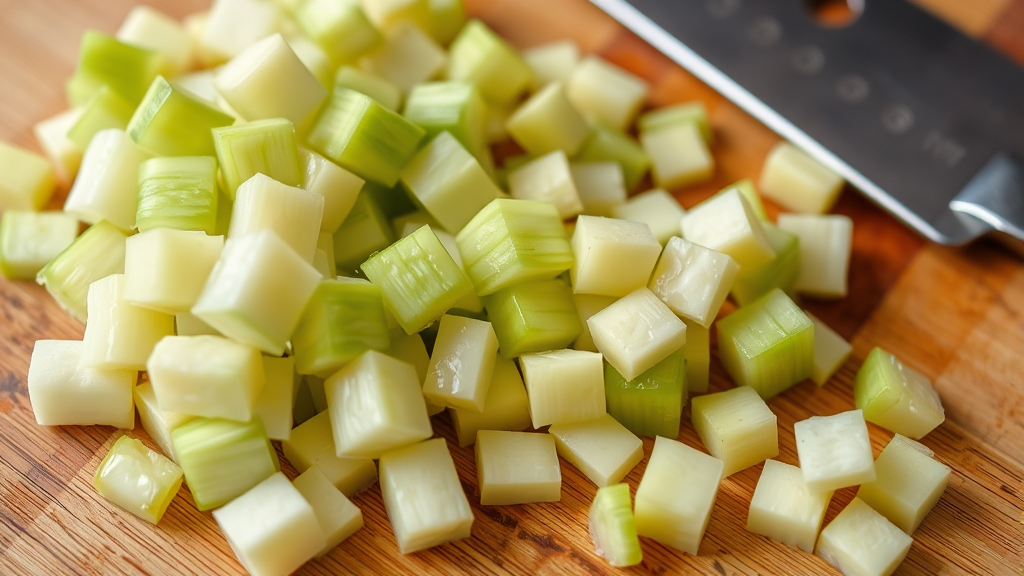
Cut the celery into small, manageable pieces that are appropriate for your dog’s size. For small dogs, dice the celery into tiny pieces no larger than a pea. Medium-sized dogs can handle slightly larger pieces, while large dogs can enjoy celery cut into small sticks or chunks. Never give your dog whole celery stalks, as these can present serious choking risks.
Similar to how you might prepare cucumbers for dogs, always remove any leaves and cut the celery into size-appropriate pieces. The leaves, while not toxic, can be difficult for dogs to digest and may cause mild stomach upset in some cases.
Proper Portion Sizes and Feeding Guidelines
When introducing raw celery to your dog’s diet, moderation is key to preventing digestive upset and maintaining a balanced nutritional intake. The general rule of thumb is that treats, including healthy vegetables like celery, should not exceed 10% of your dog’s daily caloric intake. For most dogs, this translates to just a few small pieces of celery per day.
Small dogs weighing under 20 pounds should receive no more than one to two small pieces of diced celery per day. Medium-sized dogs between 20-50 pounds can safely enjoy three to four small pieces, while large dogs over 50 pounds can have up to five or six pieces. Always start with smaller amounts and gradually increase if your dog tolerates the celery well.
It’s important to introduce celery gradually to allow your dog’s digestive system to adjust. Start with just one small piece and observe your dog for any signs of digestive upset, such as loose stools, gas, or stomach discomfort. If your dog shows any adverse reactions, discontinue feeding celery and consult with your veterinarian.
Consider celery as an occasional treat rather than a daily staple. Rotate it with other safe vegetables like carrots or broccoli to provide variety and ensure your dog receives a diverse range of nutrients from different sources.
Celery’s Role in Supporting Canine Dental Health
One of the most significant benefits of raw celery for dogs is its positive impact on dental health. The fibrous, crunchy texture of celery acts as a natural toothbrush, helping to scrape away plaque and tartar buildup as your dog chews. This mechanical cleaning action can help maintain cleaner teeth and fresher breath between regular dental cleanings.
The act of chewing raw celery also stimulates saliva production, which plays a crucial role in maintaining oral health. Saliva helps neutralize harmful bacteria in the mouth and washes away food particles that could contribute to dental problems. The American Veterinary Medical Association emphasizes the importance of maintaining good oral hygiene in dogs to prevent periodontal disease.
Regular consumption of appropriate amounts of raw celery can complement your dog’s dental care routine, but it should never replace proper dental hygiene practices such as regular brushing and professional cleanings. The natural abrasive action of celery fibers can help reduce the formation of dental calculus, particularly in dogs who are prone to rapid tartar buildup.

Potential Concerns and Precautions
While raw celery is generally safe for dogs, there are several important considerations to keep in mind. The primary concern is the choking hazard posed by improperly prepared celery, particularly the stringy fibers that can become lodged in a dog’s throat or cause intestinal blockages if consumed in large quantities.
Some dogs may experience mild digestive upset when first introduced to celery, especially if given in large amounts. Symptoms can include gas, loose stools, or stomach discomfort. Dogs with sensitive stomachs or existing digestive issues should be introduced to celery very gradually, and owners should monitor closely for any adverse reactions.
Celery contains natural compounds called psoralens, which in very large quantities could potentially cause photosensitivity in some dogs. However, this is extremely rare and would require consumption of massive amounts of celery far exceeding reasonable treat portions. Pet Poison Helpline notes that celery is generally considered safe for dogs when given in appropriate amounts.
Dogs with kidney problems should consult with their veterinarian before adding celery to their diet, as the vegetable contains moderate levels of natural sodium. While the amount is generally not concerning for healthy dogs, those with kidney disease may need to limit their sodium intake from all sources.
Creative Ways to Serve Raw Celery
There are numerous creative and engaging ways to serve raw celery to your dog beyond simply cutting it into pieces. Stuffing celery sticks with dog-safe nut butters (like peanut butter without xylitol) creates an engaging treat that provides mental stimulation as your dog works to extract the filling. Always ensure the nut butter is free from xylitol, which is toxic to dogs.
Freezing small pieces of celery can create a refreshing summer treat that also helps soothe teething puppies or provides relief during hot weather. The cold temperature adds an extra sensory element that many dogs find appealing. You can also freeze celery pieces in ice cube trays with low-sodium broth for an extra special treat.
Mixing finely diced celery with your dog’s regular meals can add texture and nutritional value to their daily food. This method works particularly well for dogs who might be hesitant to try celery on its own. Start with very small amounts to ensure your dog accepts the addition to their regular diet.
Consider using celery as a training reward for dogs who are motivated by crunchy textures rather than traditional treats. The low-calorie nature of celery makes it an excellent option for training sessions where multiple rewards are needed without adding excessive calories to your dog’s daily intake.
How Celery Compares to Other Dog-Safe Vegetables
When comparing celery to other dog-safe vegetables, each offers unique benefits and characteristics. Cauliflower provides similar crunch and fiber content but with higher vitamin C levels, while zucchini offers more potassium and folate. Celery stands out for its exceptional water content and natural teeth-cleaning properties.
Carrots are often compared to celery as both provide excellent crunch and dental benefits. However, carrots contain more natural sugars and beta-carotene, while celery offers superior hydration benefits. Squash varieties tend to be higher in vitamins A and C but lack the natural dental cleaning action that celery provides.
Green vegetables like Brussels sprouts and spinach offer different nutritional profiles, with higher concentrations of certain vitamins and minerals. However, these vegetables may be more likely to cause digestive upset in sensitive dogs compared to the mild nature of celery.
The versatility of celery makes it an excellent choice for dogs who enjoy variety in their treats. The Humane Society provides comprehensive guidance on safe foods for pets, emphasizing the importance of variety and moderation in treat selection.
Frequently Asked Questions
Can puppies eat raw celery?
Yes, puppies can eat raw celery, but extra caution is needed. Cut the celery into very small pieces appropriate for their size, and always remove the stringy fibers completely. Introduce celery gradually and in very small amounts, as puppies have more sensitive digestive systems than adult dogs. Always supervise puppies when giving them any new treats.
How often can I give my dog raw celery?
Raw celery should be given as an occasional treat, not daily. Two to three times per week is generally appropriate for most dogs, following proper portion guidelines based on your dog’s size. Remember that treats should not exceed 10% of your dog’s daily caloric intake, and celery should be rotated with other healthy treat options.
Is cooked celery better than raw celery for dogs?
Raw celery is generally preferred over cooked celery for dogs because it retains more of its nutritional value and provides better dental benefits through its natural crunch. Cooking can reduce vitamin content and eliminate the natural teeth-cleaning action. If you choose to cook celery, avoid adding any seasonings, oils, or butter that could be harmful to dogs.
Can celery cause allergic reactions in dogs?
While rare, some dogs can develop allergic reactions to celery. Signs of an allergic reaction may include itching, skin redness, digestive upset, or respiratory symptoms. If you notice any unusual symptoms after giving your dog celery, discontinue feeding it immediately and consult with your veterinarian for proper evaluation and guidance.
Should I remove celery leaves before giving them to my dog?
Yes, it’s recommended to remove celery leaves before giving celery to your dog. While celery leaves aren’t toxic, they can be difficult to digest and may cause mild stomach upset in some dogs. The stalks provide all the nutritional benefits with better digestibility and safety for your canine companion.
Can diabetic dogs eat raw celery?
Raw celery can be an excellent treat option for diabetic dogs due to its very low sugar content and high fiber content. The fiber can help regulate blood sugar levels, making it a diabetic-friendly option. However, always consult with your veterinarian before adding any new foods to a diabetic dog’s diet to ensure it fits within their specific dietary management plan.
What should I do if my dog ate too much celery?
If your dog consumed excessive amounts of celery, monitor them closely for signs of digestive upset such as vomiting, diarrhea, or excessive gas. Ensure they have access to fresh water and contact your veterinarian if symptoms are severe or persistent. Most dogs will experience only mild digestive discomfort that resolves within 24-48 hours, but professional guidance is always recommended for concerning symptoms.





