
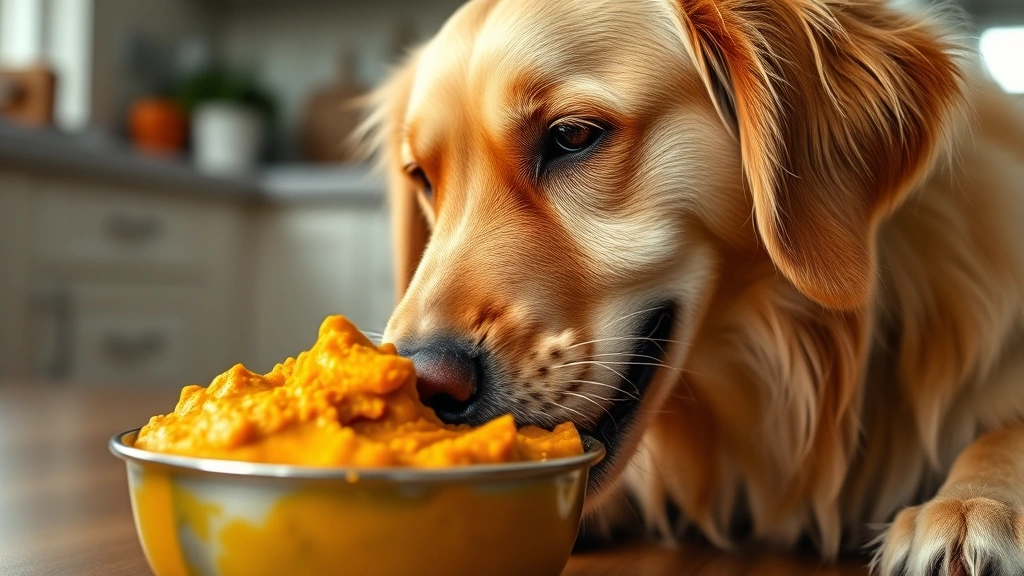
Does pumpkin help with diarrhea in dogs? The short answer is yes, and it’s one of the most backed-up (pun intended) home remedies in the pet world. But before you start spooning puree into your pup’s bowl like it’s Halloween, let’s dig into the actual science, the myths, and exactly how to use this orange miracle worker.
Table of Contents
- The Science Behind Pumpkin and Canine Digestion
- Pure Pumpkin vs. Pumpkin Pie Filling: Know the Difference
- When Pumpkin Works Best for Dog Diarrhea
- How to Administer Pumpkin to Your Dog
- Pumpkin as Part of a Broader Digestive Strategy
- The Fiber Connection: Why Pumpkin Actually Works
- Common Mistakes Dog Parents Make with Pumpkin
- Alternative Fiber Sources When Pumpkin Isn’t Available
- When to Call the Vet: Red Flags and Warning Signs
- Preventative Benefits: Using Pumpkin Long-Term
- Frequently Asked Questions
- Conclusion: Pumpkin as Part of Your Digestive Toolkit
The Science Behind Pumpkin and Canine Digestion
Here’s the thing: pumpkin isn’t magic, but it’s pretty darn close. When your dog’s digestive system decides to throw a tantrum, pumpkin swoops in like a superhero with a cape made of soluble fiber. Pumpkin contains both soluble and insoluble fiber, which work together to regulate your dog’s gut like a well-oiled machine. The soluble fiber absorbs water in the intestines, firming up loose stools, while the insoluble fiber adds bulk and promotes healthy bowel movements. It’s basically the Goldilocks of remedies—not too much, not too little, just right.
The moisture content in pumpkin (about 90%) also helps rehydrate your dog’s system after a bout of diarrhea, which is crucial because dehydration is the real villain in this story. When combined with the right diet, bland diet recipes for sick pets can work alongside pumpkin to give your dog’s stomach the break it desperately needs.
Pure Pumpkin vs. Pumpkin Pie Filling: Know the Difference
This is where dog parents get tripped up. Not all pumpkin products are created equal, and using the wrong one could make your dog’s situation worse. Pure pumpkin puree—the kind with just one ingredient—is your golden ticket. It’s fiber-rich, gentle, and effective. Pumpkin pie filling, on the other hand, is basically a dessert masquerading as health food. It’s loaded with sugar, spices, and sometimes xylitol (which is toxic to dogs), making it a hard pass.
Always check the label. If it says “100% pure pumpkin” or “pure pumpkin puree,” you’re good. If it mentions sugar, cinnamon, nutmeg, or anything else, step away slowly and grab the plain stuff instead. Your vet will thank you.
When Pumpkin Works Best for Dog Diarrhea
Pumpkin isn’t a one-size-fits-all solution, and knowing when to use it is half the battle. It works best for mild to moderate diarrhea caused by dietary indiscretions (fancy term for “my dog ate something stupid”), stress, or minor food sensitivities. If your pup got into the garbage or ate too many treats, pumpkin is your friend.
However, if your dog has diarrhea lasting more than a few days, is lethargic, vomiting, or showing signs of severe illness, pumpkin is not a substitute for a vet visit. Chronic diarrhea can indicate parasites, infections, inflammatory bowel disease, or other serious conditions that need professional attention. According to the American Kennel Club, persistent digestive issues should always be evaluated by a veterinarian.
How to Administer Pumpkin to Your Dog
The dosage matters, and more is definitely not better. The general rule is about 1-4 tablespoons per day, depending on your dog’s size. Small dogs get around 1 teaspoon to 1 tablespoon, medium dogs get 1-2 tablespoons, and large dogs can handle up to 4 tablespoons. You can mix it directly into their regular food, blend it with human foods for pets with sensitive stomachs, or serve it plain.
Start with the lower end of the dosage range and observe your dog’s response over 24-48 hours. Most dogs see improvement pretty quickly, but patience is key. Some pups might need a few days for pumpkin to work its magic. If you’re not seeing improvement after three days, or if things get worse, contact your vet immediately.
Pumpkin as Part of a Broader Digestive Strategy
Pumpkin works best when it’s part of a comprehensive approach to your dog’s digestive health. Combining it with a bland, easily digestible diet amplifies its effectiveness. Think boiled chicken and rice, or sweet potato and turkey. High-fiber human foods for pets can also complement pumpkin’s benefits when introduced gradually.
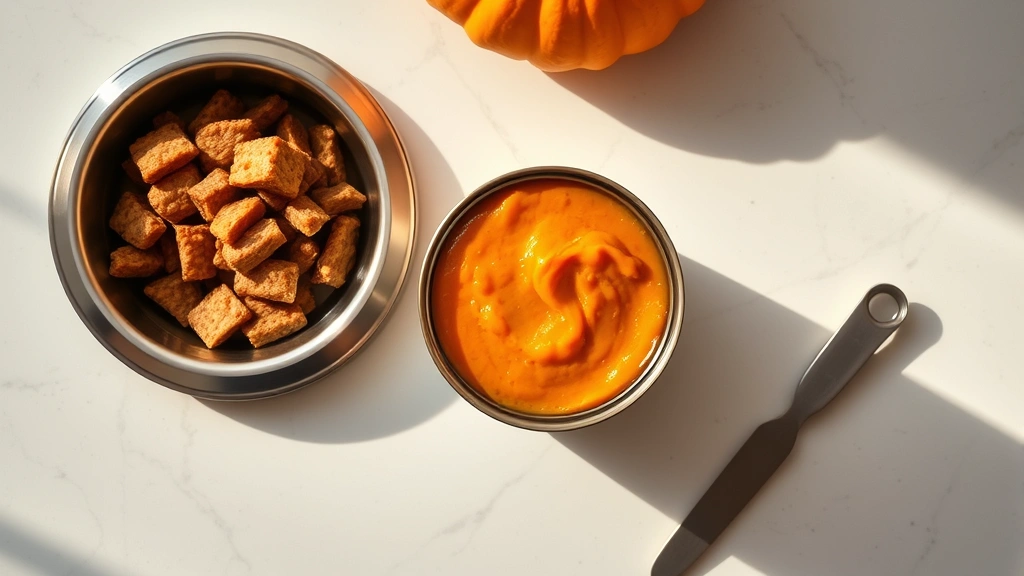
Hydration is equally important. Make sure your dog has access to fresh water at all times. If your dog refuses water or seems severely dehydrated, that’s a vet emergency. Additionally, consider pet nutrition advice from your veterinarian to ensure you’re supporting your dog’s gut health long-term.
The Fiber Connection: Why Pumpkin Actually Works
The real MVP here is fiber. Soluble fiber acts like a sponge in your dog’s intestines, absorbing excess water and firming up stools. Insoluble fiber adds bulk and stimulates healthy intestinal contractions. Pumpkin delivers both, making it a double threat against diarrhea. This is why constipation in dogs can sometimes occur if you overdo the pumpkin—balance is everything.
The fiber also feeds beneficial bacteria in your dog’s gut, promoting a healthier microbiome. A healthier gut means better digestion, stronger immunity, and fewer digestive disasters down the road. It’s an investment in long-term wellness, not just a quick fix.
Common Mistakes Dog Parents Make with Pumpkin
Mistake number one: using pumpkin pie filling instead of pure puree. We’ve covered this, but it bears repeating because it happens constantly. Mistake number two: overdosing. More pumpkin doesn’t equal faster results; it just means constipated dogs and frustrated owners. Mistake number three: expecting instant results. Give it time. Mistake number four: using pumpkin as a replacement for veterinary care. If your dog’s diarrhea is severe or persistent, pumpkin is a helpful supplement, not a cure-all.
Mistake number five: forgetting to monitor your dog’s response. Keep an eye on stool consistency, energy levels, and appetite. If something seems off, adjust the dosage or seek professional help. Convalescence foods from the kitchen should always be paired with careful observation of your dog’s progress.
Alternative Fiber Sources When Pumpkin Isn’t Available
Can’t find pumpkin or your dog just refuses it? There are other options. Sweet potato, cooked and plain, provides similar fiber benefits. Ground flaxseed (in small amounts) can help with digestion. Psyllium husk is another fiber powerhouse, though it’s less palatable. Green beans, carrots, and brown rice all contribute fiber and nutrients.
However, pumpkin remains the gold standard because it’s well-tolerated, affordable, shelf-stable, and easy to portion. Most dogs don’t mind the taste either, which is a bonus when you’re dealing with a picky eater.
When to Call the Vet: Red Flags and Warning Signs
Contact your veterinarian immediately if your dog shows any of these signs: diarrhea lasting more than 2-3 days, blood or mucus in stools, vomiting, lethargy, loss of appetite, abdominal pain, fever, or signs of dehydration (dry gums, sunken eyes, excessive panting). PetMD’s guide to digestive health emphasizes that severe or prolonged diarrhea can quickly become serious in dogs.
Also, if your dog is on medications or has underlying health conditions, check with your vet before adding pumpkin to their routine. Some conditions and medications can interact with high-fiber diets, and your vet needs to know what you’re doing.

Preventative Benefits: Using Pumpkin Long-Term
Beyond treating active diarrhea, some dog owners use pumpkin as a preventative measure for dogs prone to digestive issues. A tablespoon mixed into their regular food a few times a week can support digestive health and reduce the frequency of upset stomachs. This is especially helpful for dogs with sensitive stomachs or those who’ve had recurring diarrhea issues.
However, this should only be done under veterinary guidance. Your vet can determine if your dog would benefit from ongoing pumpkin supplementation and at what dosage. Cornell University’s College of Veterinary Medicine recommends consulting with a veterinarian before starting any long-term supplementation regimen.
Frequently Asked Questions
Can I give my dog pumpkin every day?
In small amounts (about 1 tablespoon for medium dogs), pumpkin can be given daily as a digestive supplement. However, this should be done under veterinary guidance. Too much daily pumpkin can lead to constipation or nutrient imbalances. Your vet can recommend the best approach for your individual dog.
How long does it take for pumpkin to work on dog diarrhea?
Most dogs show improvement within 24-48 hours of starting pumpkin. However, some may take up to 3-5 days. If you don’t see any improvement after three days, or if the diarrhea worsens, contact your veterinarian. Persistent diarrhea may indicate a more serious condition requiring professional treatment.
Can pumpkin cause constipation in dogs?
Yes, if you give too much pumpkin, it can cause constipation. This is why proper dosing is crucial. Start with the lower end of the recommended dosage and increase only if needed. If your dog becomes constipated, reduce the amount or discontinue pumpkin and contact your vet.
Is canned pumpkin safe for dogs with allergies?
Plain canned pumpkin is generally safe for dogs with most food allergies since pumpkin is a low-allergen food. However, if your dog has a specific pumpkin allergy (rare but possible), you’ll need alternative fiber sources. Always introduce new foods gradually, even pumpkin, to monitor for adverse reactions.
Should I use fresh pumpkin or canned pumpkin?
Canned pure pumpkin is more convenient, consistent, and easier to portion. Fresh pumpkin can work but is harder to measure accurately and has a higher water content, requiring larger quantities. Canned is the practical choice for most dog owners. Just ensure it’s 100% pure pumpkin with no additives.
Conclusion: Pumpkin as Part of Your Digestive Toolkit
So, does pumpkin help with diarrhea in dogs? Absolutely. It’s a safe, affordable, and effective tool for managing mild to moderate diarrhea, and it’s backed by both anecdotal evidence and veterinary science. The fiber content, moisture, and gentle nature make it ideal for dogs with upset stomachs.
However, remember that pumpkin is a supportive treatment, not a cure-all. It works best when combined with a bland diet, proper hydration, and careful observation. For severe, persistent, or bloody diarrhea, veterinary care is non-negotiable. Use pumpkin wisely, dose appropriately, and always prioritize your dog’s health and safety. When used correctly, this humble orange squash can be a game-changer for your pup’s digestive wellness.





