

As a dog owner, you’ve probably experienced that moment when you’re enjoying a bowl of cereal and notice your furry friend staring at you with those pleading eyes. It’s natural to wonder whether sharing a few Cheerios would be safe for your canine companion. The good news is that most dogs can safely consume plain Cheerios in moderation, but there are important considerations every pet owner should understand before making this popular breakfast cereal a regular treat.
Cheerios have become one of America’s most beloved cereals, and many dog owners are curious about whether these ring-shaped oats can be safely shared with their pets. While Cheerios aren’t toxic to dogs, understanding the nutritional implications, potential risks, and proper serving guidelines is crucial for responsible pet ownership. This comprehensive guide will explore everything you need to know about feeding Cheerios to your dog, from nutritional benefits to potential concerns.
Nutritional Breakdown of Cheerios
Understanding the nutritional composition of Cheerios is essential when considering them as an occasional treat for your dog. Original Cheerios are made primarily from whole grain oats, which provide several beneficial nutrients. A single cup of Cheerios contains approximately 100 calories, 3 grams of protein, 2 grams of fat, and 20 grams of carbohydrates. The cereal is also fortified with various vitamins and minerals, including iron, zinc, and B vitamins.
The primary ingredient in Cheerios is whole grain oats, which can be beneficial for dogs when consumed in appropriate amounts. Oats are a good source of soluble fiber, which can support digestive health and help regulate blood sugar levels. Additionally, oats contain beta-glucan, a type of fiber that may help support immune function and heart health in both humans and dogs.
However, it’s important to note that Cheerios also contain added sugars and sodium, which aren’t ideal for canine consumption. While the amounts are relatively small, dogs have different nutritional requirements than humans, and these additives can contribute to health issues if consumed regularly or in large quantities.
Safety Considerations for Dogs
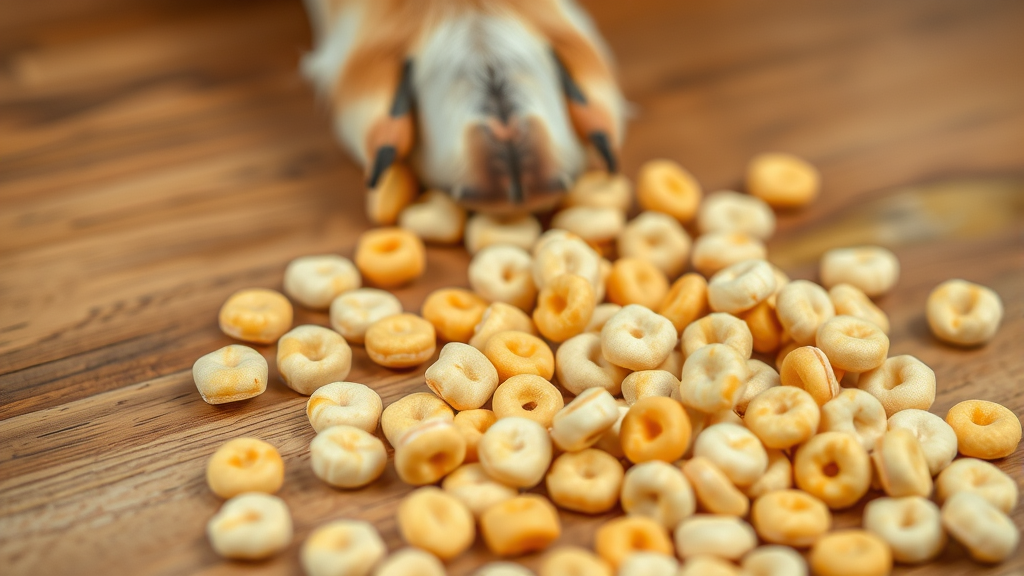
When determining whether Cheerios are safe for your dog, several factors must be considered. First and foremost, plain, original Cheerios are generally safe for most dogs when given occasionally and in small amounts. The American Kennel Club notes that while many human foods can be shared with dogs, moderation is key to preventing digestive upset and nutritional imbalances.
However, flavored varieties of Cheerios should be avoided entirely. Chocolate Cheerios, for example, contain cocoa, which is toxic to dogs and can cause serious health complications. Honey Nut Cheerios, while not toxic, contain significantly more sugar than plain varieties and may include artificial sweeteners that could be harmful to dogs. The ASPCA’s Animal Poison Control Center recommends avoiding any foods with artificial sweeteners, particularly xylitol, which can be fatal to dogs.
Dogs with specific health conditions should be given extra consideration before introducing Cheerios into their diet. Diabetic dogs should avoid Cheerios due to their carbohydrate content, which can affect blood sugar levels. Similarly, dogs with grain allergies or sensitivities may experience digestive upset from the oat content. Just like humans can have varying dietary needs, similar to how dogs can eat rice but some may have sensitivities, individual tolerance to grains can vary significantly among dogs.
Proper Portion Guidelines
Determining appropriate portion sizes is crucial when sharing Cheerios with your dog. The general rule for treats is that they should comprise no more than 10% of your dog’s daily caloric intake. For most dogs, this translates to just a few Cheerios as an occasional treat rather than a regular snack.
For small dogs weighing under 20 pounds, 2-3 individual Cheerios are sufficient as a treat. Medium-sized dogs (20-50 pounds) can safely consume 4-6 Cheerios, while larger dogs (over 50 pounds) may have up to 8-10 Cheerios without concern. These portions should be given no more than 2-3 times per week to prevent nutritional imbalances and maintain a healthy diet.
It’s also important to consider your dog’s overall diet when determining portion sizes. Dogs already consuming grain-based kibble may be getting sufficient carbohydrates and shouldn’t receive additional grain-based treats regularly. The American Veterinary Medical Association emphasizes the importance of maintaining balanced nutrition and consulting with veterinarians about dietary additions.
Potential Health Benefits
While Cheerios shouldn’t be considered a health food for dogs, they do offer some potential benefits when given appropriately. The whole grain oats in Cheerios provide soluble fiber, which can support healthy digestion and help maintain regular bowel movements. This fiber content may be particularly beneficial for dogs with mild constipation issues, though it should never replace veterinary care for serious digestive problems.
The B vitamins added to Cheerios, including thiamine, riboflavin, and niacin, support various metabolic functions and can contribute to overall health. However, dogs receiving a complete and balanced commercial diet typically get adequate B vitamins from their regular food, so Cheerios shouldn’t be relied upon as a vitamin source.
Iron fortification in Cheerios can provide a small amount of this essential mineral, which supports oxygen transport and energy metabolism. However, similar to other grains like when considering whether dogs can eat brown rice, the nutritional benefits are minimal compared to a dog’s regular, balanced diet, and shouldn’t be the primary reason for including Cheerios in their nutrition plan.
Risks and Concerns
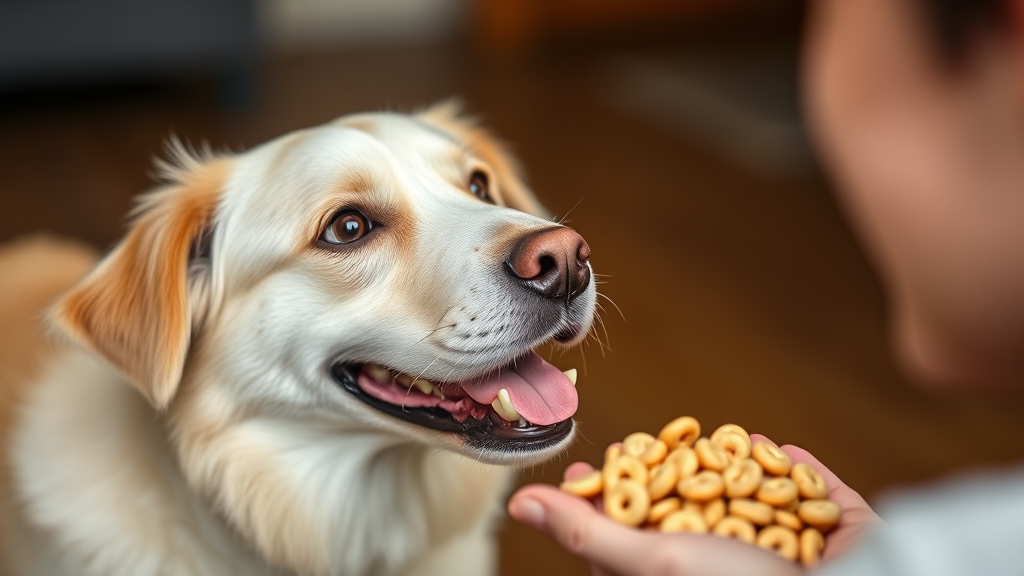
Despite being generally safe in small amounts, there are several risks associated with feeding Cheerios to dogs that pet owners should be aware of. The most significant concern is the potential for digestive upset, particularly in dogs with sensitive stomachs or those not accustomed to consuming grains. Symptoms may include diarrhea, vomiting, or excessive gas.
The sodium content in Cheerios, while not extremely high, can be problematic for dogs with heart conditions or kidney disease. Dogs require much less sodium than humans, and excessive intake can contribute to hypertension and other cardiovascular issues. The FDA’s Center for Veterinary Medicine advises pet owners to be mindful of sodium intake in their pets’ diets.
Another concern is the risk of choking, particularly in small dogs or those who tend to gulp their food quickly. While Cheerios are small and typically dissolve quickly, any food can pose a choking hazard if not consumed properly. Additionally, some dogs may develop food allergies or intolerances to oats or other ingredients in Cheerios, leading to skin irritation, digestive issues, or other allergic reactions.
Weight gain is another potential risk if Cheerios are given too frequently or in large quantities. Like other processed foods such as when considering whether bread is bad for dogs, the caloric content can add up quickly and contribute to obesity if not properly managed within the dog’s overall caloric intake.
Healthier Alternatives to Cheerios
While Cheerios can be an occasional treat, there are many healthier alternatives that provide better nutritional value for dogs. Fresh fruits and vegetables make excellent low-calorie treats that provide vitamins, minerals, and antioxidants. Carrots, apple slices (without seeds), blueberries, and green beans are all safe and nutritious options that most dogs enjoy.
For dogs who enjoy grain-based treats, plain cooked oatmeal (without added sugars or flavoring) can provide similar benefits to Cheerios with better control over ingredients. Similarly, white rice or other plain grains can serve as occasional treats while being easier to digest for some dogs.
Commercial dog treats specifically formulated for canine nutrition are always the best option for regular treating. These products are designed to meet dogs’ nutritional needs while providing enjoyable flavors and textures. Look for treats with limited ingredients, no artificial additives, and appropriate sizing for your dog’s breed and size.
Homemade dog treats offer another excellent alternative, allowing complete control over ingredients and nutritional content. Simple recipes using dog-safe ingredients like pumpkin, sweet potato, or lean meats can provide delicious and nutritious rewards for training and bonding.
Tips for Safe Feeding
If you decide to share Cheerios with your dog occasionally, following proper feeding guidelines will help ensure their safety and enjoyment. Always introduce new foods gradually, starting with just one or two Cheerios to observe your dog’s reaction. Watch for any signs of digestive upset, allergic reactions, or changes in behavior over the next 24-48 hours.
Never use Cheerios as a meal replacement or primary treat source. They should only be given as occasional snacks alongside a complete and balanced dog food diet. Consider using Cheerios during training sessions as high-value rewards, but remember to account for these calories in your dog’s daily intake.
Store Cheerios properly to maintain freshness and prevent contamination. Keep them in a sealed container away from moisture and pests, just as you would for your own consumption. Avoid giving stale or moldy Cheerios to your dog, as these can cause digestive issues or more serious health problems.
Always supervise your dog when giving them any new treat, including Cheerios. This allows you to ensure they’re chewing and swallowing properly and helps you identify any immediate adverse reactions. If your dog has a history of food allergies or sensitivities, consult with your veterinarian before introducing Cheerios or any new food item.
Remember that individual dogs may react differently to the same foods. What works well for one dog may cause issues for another, even within the same breed or household. Pay attention to your dog’s individual responses and adjust accordingly. Just as some dogs may tolerate corn better than others, Cheerios may be more suitable for some dogs than others.
Frequently Asked Questions
Can puppies eat Cheerios safely?
Puppies can technically eat plain Cheerios in very small amounts, but it’s generally not recommended. Puppies have more sensitive digestive systems and specific nutritional requirements for proper growth and development. Their diets should focus primarily on high-quality puppy food formulated for their developmental needs. If you want to give your puppy treats, choose options specifically designed for puppies or consult with your veterinarian for appropriate alternatives.
Are Honey Nut Cheerios safe for dogs?
Honey Nut Cheerios are not recommended for dogs due to their higher sugar content and artificial flavoring. While not toxic like chocolate varieties, the added sugars and honey can contribute to dental problems, weight gain, and digestive upset. The artificial flavors and additional processing make them less suitable for canine consumption than plain Cheerios. Stick to original, unflavored Cheerios if you choose to share this cereal with your dog.
How many Cheerios can I give my dog at once?
The appropriate number of Cheerios depends on your dog’s size and overall diet. Small dogs should receive no more than 2-3 Cheerios, medium dogs can have 4-6, and large dogs may receive up to 8-10 as an occasional treat. These amounts should be given no more than 2-3 times per week and should be counted as part of your dog’s daily treat allowance, which shouldn’t exceed 10% of their total caloric intake.
Can dogs with diabetes eat Cheerios?
Dogs with diabetes should avoid Cheerios due to their carbohydrate content, which can affect blood sugar levels. Even plain Cheerios contain sugars and starches that can cause glucose spikes in diabetic dogs. If you have a diabetic dog, consult with your veterinarian about appropriate treat options that won’t interfere with their blood sugar management. There are many low-carbohydrate alternatives that are safer for diabetic pets.
What should I do if my dog ate a whole bowl of Cheerios?
If your dog consumed a large quantity of Cheerios, monitor them closely for signs of digestive upset such as vomiting, diarrhea, or lethargy. While plain Cheerios aren’t toxic, large amounts can cause stomach upset due to the sudden increase in fiber and carbohydrates. Ensure your dog has access to fresh water and contact your veterinarian if symptoms develop or persist. Most dogs will recover without treatment, but professional guidance is always recommended for peace of mind.
Are there any dog breeds that shouldn’t eat Cheerios?
While no specific breeds are universally prohibited from eating Cheerios, some may be more susceptible to problems. Breeds prone to grain allergies or sensitivities, such as some terriers and sporting dogs, may experience digestive issues. Dogs with flat faces (brachycephalic breeds) like Bulldogs or Pugs may have difficulty chewing small, round foods safely. Additionally, toy breeds may be at higher risk for choking on small foods. Always consider your individual dog’s health history and physical characteristics when introducing new treats.
Can I use Cheerios for dog training treats?
Plain Cheerios can be used occasionally as training treats, but they’re not ideal for regular training sessions. Their size makes them suitable for small rewards, and most dogs find them palatable. However, they lack the high protein content that makes training treats most effective, and their carbohydrate content means you’ll need to limit quantities to prevent digestive upset. For frequent training sessions, purpose-made dog training treats or small pieces of cooked chicken are more appropriate choices that provide better nutritional value and motivation for learning.





