
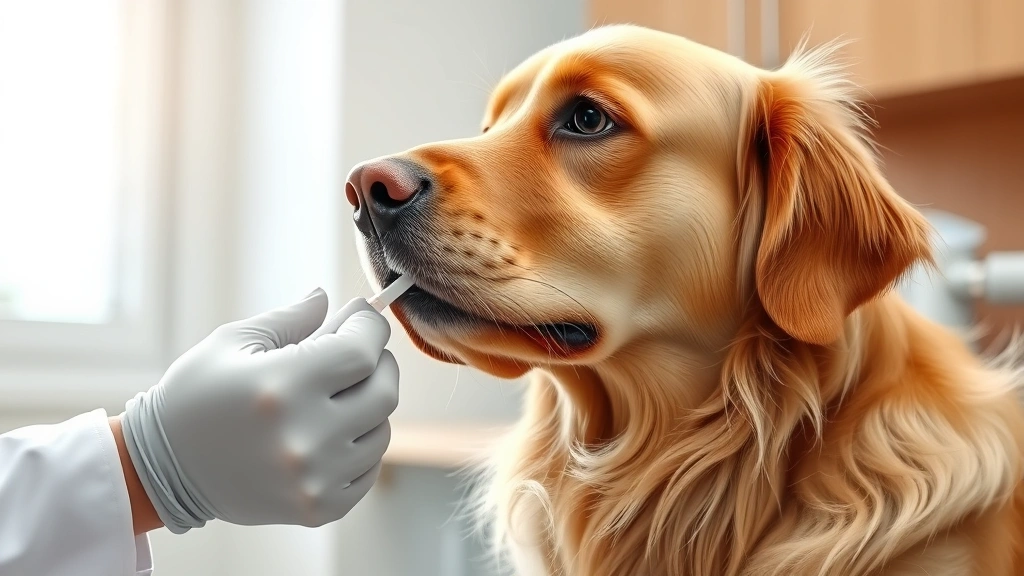
A dog allergy test might be the game-changer your itchy, scratchy pup desperately needs. If your furry friend has been doing their best impression of a broken record with constant scratching, licking, and general discomfort, you’re not alone—and more importantly, you’re not helpless. Let’s dive into everything you need to know about identifying what’s making your dog miserable and how to finally bring peace back to your household.
Table of Contents
- What Exactly Is a Dog Allergy Test?
- Why Your Dog Might Need an Allergy Test
- The 5 Best Dog Allergy Test Kits Available Today
- At-Home vs. Veterinary Allergy Testing: Which Should You Choose?
- How to Properly Collect Samples for Dog Allergy Tests
- Understanding Your Dog Allergy Test Results
- Next Steps: What to Do After Getting Results
- Cost Considerations and Insurance Coverage
- Common Mistakes to Avoid When Testing for Allergies
- The Reality Check: Allergies Aren’t Always Curable, But They’re Manageable
- Frequently Asked Questions
- Conclusion: Your Dog’s Comfort Is Worth the Effort
What Exactly Is a Dog Allergy Test?
A dog allergy test is a diagnostic tool designed to identify what’s triggering your pup’s allergic reactions. Think of it as a detective kit for your dog’s immune system. These tests can pinpoint environmental allergens (like pollen and dust mites), food sensitivities, and contact allergens that are making your dog’s life uncomfortable.
The beauty of modern allergy testing is that you don’t always need to drag your dog to the vet’s office (though that’s still a valid option). At-home dog allergy testing kits have become increasingly sophisticated, allowing you to collect samples and send them to laboratories for analysis. It’s convenience meets science, and your dog’s scratching habits will thank you.
Why Your Dog Might Need an Allergy Test
Dogs show allergy symptoms in surprisingly creative ways. Constant scratching is the obvious one, but allergies can also manifest as ear infections, skin redness, hair loss, digestive issues, and even behavioral changes. If your dog is acting like they’ve got an invisible flea circus performing on their skin 24/7, an allergy test might reveal the real culprit.
The challenge? Allergies in dogs can be tricky to diagnose without proper testing. A dog might be reacting to their food, the environment, or even their bedding. Without a dog allergy test, you’re basically playing medical guessing games, which wastes time and money on unnecessary treatments.
The 5 Best Dog Allergy Test Kits Available Today
1. Embark Allergy Symptom Clarification (ASC) Test
Embark’s allergy testing kit is like the Swiss Army knife of dog diagnostics. This comprehensive test analyzes your dog’s DNA and identifies genetic predispositions to allergies, plus it screens for food sensitivities. You’ll get a detailed report breaking down potential allergens and recommendations for managing them. The process is straightforward: order online, collect a cheek swab from your dog (yes, they’ll probably think you’re weird), and mail it back.
2. Optimeal’s Dog Food Sensitivity Test
If you suspect food is the enemy, Optimeal’s test specifically targets food sensitivities. This kit uses a hair sample (even easier than a cheek swab!) to identify which ingredients your dog might be reacting to. It’s particularly useful if you’re considering switching to a specialized diet for pets with food allergies. The results come back with a personalized food recommendation that matches your dog’s sensitivities.
3. MyDogsDNA Allergy Test
MyDogsDNA offers a comprehensive screening that covers both environmental and food allergies. What sets this kit apart is the detailed explanations that come with your results—they don’t just tell you what your dog is allergic to; they explain why and what you can do about it. The turnaround time is typically 2-3 weeks, and you’ll get access to a veterinary consultation included in the price.
4. Intolerance Labs Dog Allergy Panel
This kit focuses on food intolerances specifically and tests for reactions to over 100 different food ingredients. If your dog has chronic digestive issues or itching that seems food-related, this is worth considering. The hair sample collection is non-invasive, and the results provide a clear breakdown of which foods to avoid and which are safe. It’s especially helpful when you’re trying to figure out what not to feed your dog.
5. Veterinary Diagnostic Laboratory (VDL) Serum Allergy Test
If you want the gold standard that most veterinarians trust, the VDL serum test is it. This requires a blood sample (usually collected by your vet), but it’s considered one of the most accurate allergy tests available. It screens for environmental allergens and is particularly useful if you’re considering immunotherapy (allergy shots) for your dog. Yes, it requires a vet visit, but the accuracy is worth it for severe cases.
At-Home vs. Veterinary Allergy Testing: Which Should You Choose?
At-home kits are convenient and budget-friendly, usually ranging from $100-$300. They’re perfect for initial screening and identifying obvious patterns. However, veterinary tests, while more expensive ($200-$500+), offer professional interpretation and can guide treatment decisions more accurately.
The real talk? If your dog is severely affected, start with your vet. If you want to do some preliminary investigation before dropping serious cash on vet visits, an at-home test is a smart first step. Many pet parents use both—the at-home test to narrow things down, then a vet test to confirm and create a treatment plan.

How to Properly Collect Samples for Dog Allergy Tests
Most kits require either a cheek swab or hair sample. Here’s how to nail it without your dog thinking you’ve lost your mind:
For Cheek Swabs: Use the provided swab stick to gently rub the inside of your dog’s cheek. Get a good sample—the kit instructions will specify how long. Do this when your dog is calm, maybe after a walk when they’re relaxed.
For Hair Samples: Pluck (don’t cut!) hair from your dog’s back or shoulder area. You need the root intact, so pulling is essential. Grab a small handful and you’re golden. Most dogs don’t mind this much, especially if you follow up with treats.
Pro tip: Never collect samples right after your dog has eaten, drunk water, or played outside. Wait at least 30 minutes for the most accurate results.
Understanding Your Dog Allergy Test Results
When your results arrive, you’ll get a detailed report listing allergens your dog reacted to. The report typically uses a scoring system—mild, moderate, or severe reactions. Don’t panic if you see a long list; many dogs show mild reactions to things they can actually tolerate fine.
The key is identifying the allergens causing your dog’s actual symptoms. If your dog is scratching like crazy and the test shows a severe reaction to chicken, that’s your smoking gun. If it shows a mild reaction to beef but your dog eats beef daily with no issues, that’s probably not your problem.
This is where online vet advice for food reactions can be invaluable. Many vets will review your test results and help you interpret them in the context of your dog’s actual symptoms.
Next Steps: What to Do After Getting Results
Once you know what your dog is allergic to, it’s time to act. For food allergies, this means adjusting your dog’s diet. Check out our guide on pet nutrition advice to find suitable alternatives. For environmental allergies, you might need to adjust your home (air filters, frequent vacuuming, washing bedding regularly).
Many vets recommend an elimination diet for food allergies—removing the allergen for 8-12 weeks to see if symptoms improve. It’s not glamorous, but it works. For environmental allergies, your vet might suggest antihistamines, omega-3 supplements, or in severe cases, immunotherapy.
Don’t forget to know when to call the vet about food issues. If your dog develops new symptoms or their allergies seem to be worsening despite your efforts, that’s vet visit territory.
Cost Considerations and Insurance Coverage
At-home allergy tests range from $100-$300, while veterinary-administered tests can cost $200-$500+. Most pet insurance plans don’t cover allergy testing, but they might cover treatment once allergies are diagnosed. Check your policy.

Think of the test cost as an investment. If it helps you avoid months of trial-and-error feeding or unnecessary vet visits, it pays for itself quickly. Plus, once you know what your dog is allergic to, managing their allergies becomes significantly cheaper than treating the symptoms.
Common Mistakes to Avoid When Testing for Allergies
Don’t collect samples contaminated with food or water. Don’t test immediately after dietary changes—give your dog at least 4 weeks on a new diet before testing. Don’t rely solely on test results if your dog shows no symptoms of the allergens detected. And please, don’t self-diagnose based on internet searches alone; use tests as a tool, not a replacement for professional judgment.
The Reality Check: Allergies Aren’t Always Curable, But They’re Manageable
Here’s the honest truth: you probably can’t cure your dog’s allergies. But you can absolutely manage them. Once you identify the culprits with a dog allergy test, you can create an environment and diet that minimizes reactions. Many dogs live happy, comfortable lives once their allergies are properly identified and managed.
Frequently Asked Questions
How accurate are at-home dog allergy tests?
At-home tests are generally 80-90% accurate for identifying allergens, but they work best as a screening tool. They’re particularly reliable for food sensitivities. Environmental allergy testing through vets is typically more accurate because it’s done through blood serum analysis.
Can I test my dog for allergies myself without a kit?
Not really. You can observe symptoms and keep a diary of when they occur, which is helpful, but an actual allergy test requires laboratory analysis. An elimination diet can help identify food allergies, but it’s time-consuming and less precise than a proper test.
How long does it take to get dog allergy test results?
Most at-home kits take 2-4 weeks from when the lab receives your sample. Veterinary tests might take 1-2 weeks. Rush options are sometimes available for an additional fee.
Is my dog’s scratching definitely allergies?
Not necessarily. Scratching can also indicate fleas, mites, dry skin, or other skin conditions. That’s why a proper diagnosis is important. If your dog is scratching, start with a vet visit to rule out parasites before investing in allergy testing.
Can dogs outgrow allergies?
Unfortunately, no. Dogs typically don’t outgrow allergies, but their severity might fluctuate with seasons (especially environmental allergies). The good news is that management strategies become easier as you learn what works for your individual dog.
Are certain dog breeds more prone to allergies?
Yes. Breeds like Bulldogs, Golden Retrievers, Labradors, and West Highland White Terriers are genetically predisposed to allergies. If you have one of these breeds, allergy testing might be worth doing proactively.
Conclusion: Your Dog’s Comfort Is Worth the Effort
A dog allergy test is a practical, science-backed way to finally figure out why your dog is suffering. Whether you choose an at-home kit or a veterinary test, the goal is the same: identify the problem and fix it. Your dog can’t tell you what’s making them miserable, but a good allergy test can.
Start with an at-home kit if you want to dip your toes in, or go straight to your vet if your dog’s symptoms are severe. Either way, the information you gain will be invaluable for creating a happier, healthier life for your furry friend. Because let’s be honest—a dog that’s not constantly scratching is a dog that can finally enjoy being a dog.





