
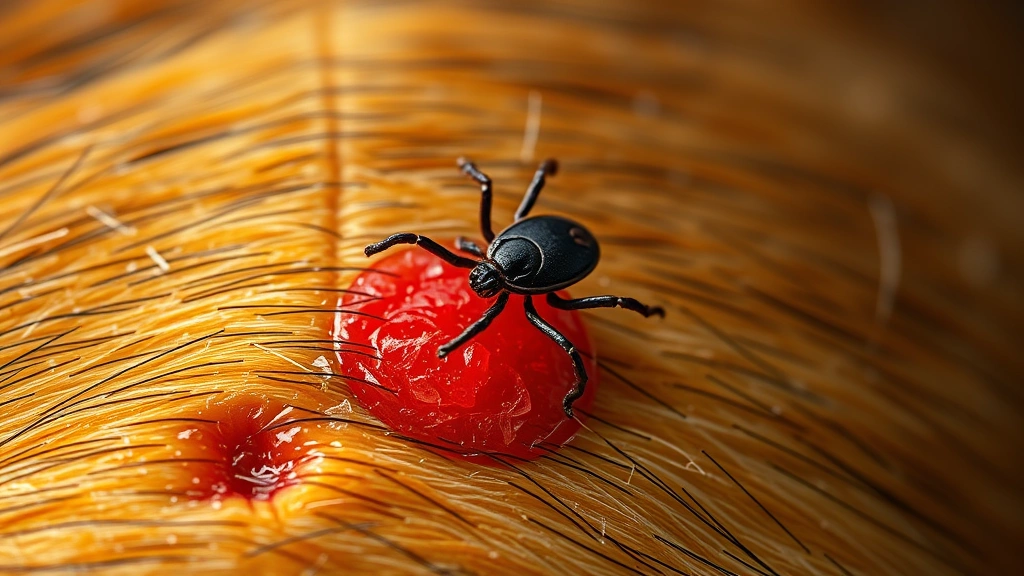
If you’ve ever found a tick on your furry best friend, you know that sinking feeling in your stomach. Dog and tick bites are one of the most common parasitic issues pet owners face, and honestly, they’re kind of gross. But here’s the thing—knowing what to look for can save your pup from serious health complications down the road. Let’s dive into everything you need to know about identifying and managing tick bites on dogs.
Table of Contents
- What Exactly Are Tick Bites on Dogs?
- Sign #1: Red Bumps and Visible Irritation
- Sign #2: Excessive Scratching and Licking Behavior
- Sign #3: Hair Loss and Skin Damage
- Sign #4: Lethargy and Behavioral Changes
- Sign #5: Swelling and Abscesses
- How to Safely Remove Ticks From Your Dog
- Prevention: Your Best Defense Against Tick Bites
- When to Call Your Vet About Tick Bites
- Supporting Your Dog’s Immune System
- Frequently Asked Questions
- Summary: Staying Vigilant Against Tick Bites
What Exactly Are Tick Bites on Dogs?
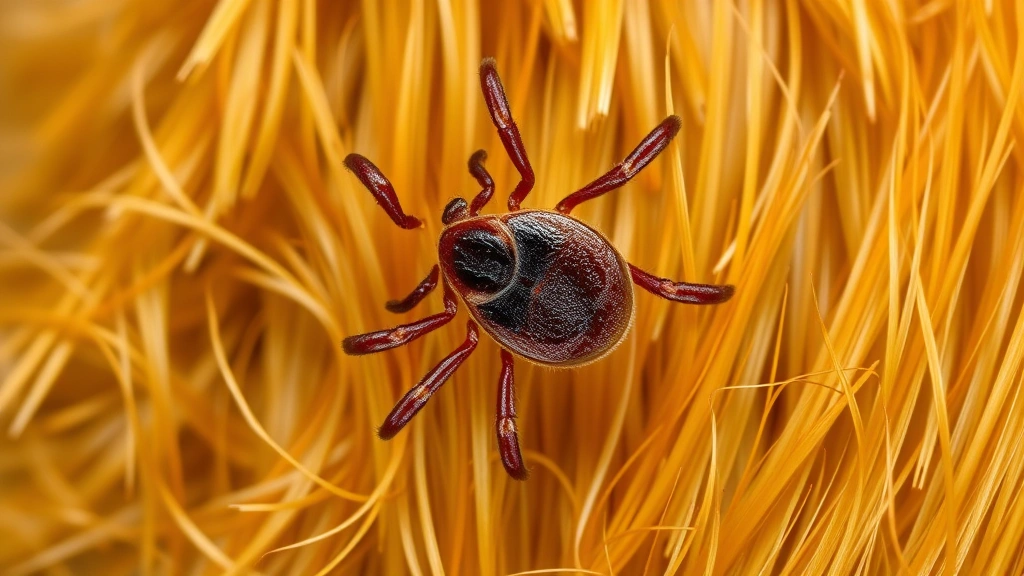
Tick bites occur when these tiny arachnids latch onto your dog’s skin and feed on their blood. Unlike mosquito bites that are quick and done, ticks are commitment-oriented parasites. They’ll stick around for days, slowly engorging themselves while potentially transmitting diseases. A single tick can carry multiple pathogens, making dog and tick bites more than just an itchy nuisance—they’re a genuine health concern. The scary part? Your dog might not even show symptoms immediately, which is why prevention and early detection are absolutely crucial.
Sign #1: Red Bumps and Visible Irritation
The most obvious indicator of tick bites is the appearance of small red bumps on your dog’s skin, typically surrounded by inflammation. These bumps often appear where ticks like to hide—around the ears, neck, armpits, and between the toes. If you part your dog’s fur and see an angry red area with a tiny dark bump in the center, that’s probably a tick actively feeding. Some dogs develop more pronounced reactions than others, depending on their sensitivity. Keep an eye out for any unusual skin lesions that weren’t there before, as dog and tick bites can sometimes trigger allergic reactions that cause swelling beyond the bite site itself.
Sign #2: Excessive Scratching and Licking Behavior
Your dog’s constant scratching and licking at one particular spot is basically their way of saying, “Hey, something’s wrong here!” Tick bites are incredibly itchy for dogs, and they’ll often focus their attention on the affected area obsessively. If your normally chill pup suddenly becomes a scratching machine, it’s time to do a thorough skin inspection. This excessive behavior can lead to secondary skin infections if left unchecked, so don’t ignore the signs. Some dogs will even develop hot spots—raw, inflamed areas caused by constant licking and chewing. This is why addressing tick bites quickly is essential for preventing complications.
Sign #3: Hair Loss and Skin Damage
When dogs scratch relentlessly at tick bites, they can cause localized hair loss and damage to the skin barrier. You might notice patches where your dog’s fur has been rubbed or chewed away, or scabs forming from the constant irritation. This is particularly concerning because it opens the door for bacterial infections. The combination of a tick bite wound and your dog’s determined scratching creates a perfect storm for secondary skin issues. If you notice any bald patches or signs of skin trauma, it’s time to intervene with proper treatment. Consider using antibiotic ointment on dogs to prevent infection, but always consult your vet first.
Sign #4: Lethargy and Behavioral Changes
Sometimes the signs of tick-borne illness go beyond skin-level symptoms. If your dog suddenly seems tired, less interested in their favorite activities, or just generally “off,” it could indicate that a tick has transmitted a disease. Conditions like Lyme disease, Rocky Mountain spotted fever, and Ehrlichiosis all start with a tick bite and can cause systemic symptoms. Your dog might develop a fever, lose their appetite, or show signs of joint pain (limping or reluctance to move). These behavioral and physical changes are red flags that warrant immediate veterinary attention. Don’t chalk it up to a bad day—trust your gut and get your pup checked out.
Sign #5: Swelling and Abscesses
In some cases, tick bites can become infected and develop into abscesses—painful, pus-filled bumps that require medical intervention. You might notice a larger, warmer swelling around the bite site, or your dog might yelp when you touch the area. Abscesses are your dog’s immune system trying to wall off the infection, but they need professional treatment to drain properly and prevent spreading. If you see signs of infection or notice your dog has a fever accompanying the swelling, don’t wait—contact your veterinarian immediately. These situations can escalate quickly if not properly managed.

How to Safely Remove Ticks From Your Dog
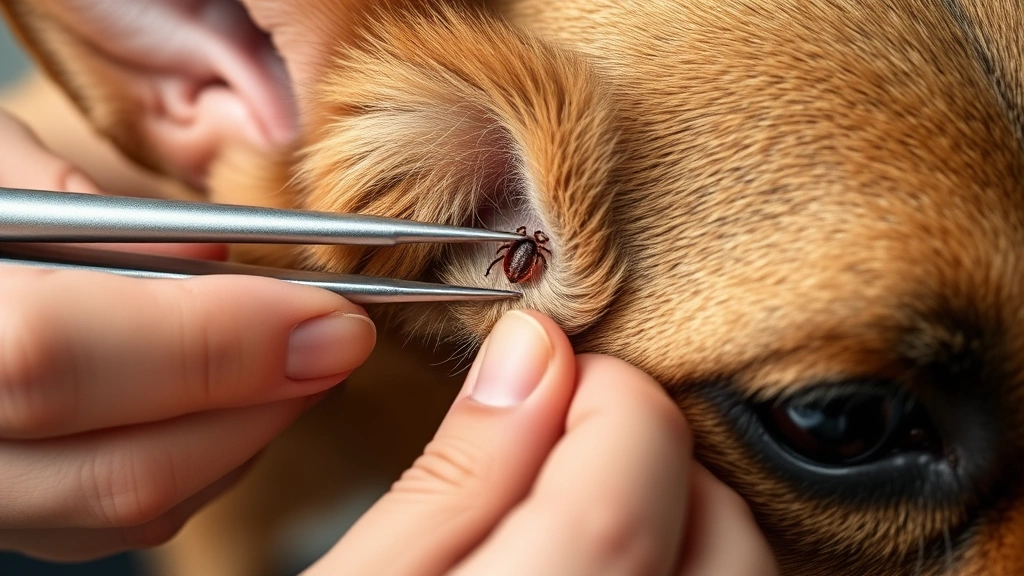
Finding a tick is stressful, but removing it correctly is crucial. Never use your bare hands, pull aggressively, or apply petroleum jelly or nail polish (those old wives’ tales don’t work). Instead, use fine-tipped tweezers or a tick removal tool, grasp the tick as close to your dog’s skin as possible, and pull straight out with steady pressure. Once removed, don’t crush it—place it in rubbing alcohol or seal it in a bag. Clean the bite area with soap and water, then consider applying witch hazel on dogs to reduce inflammation. If the tick’s head remains embedded, your vet can remove it safely.
Prevention: Your Best Defense Against Tick Bites
The best approach to dog and tick bites is preventing them in the first place. Year-round tick prevention is essential, whether you use topical treatments, oral medications, or tick collars. Products like Simparica, NexGard, and Bravecto are highly effective and prescription-based, meaning your vet can recommend the best option for your dog’s age, weight, and health status. Additionally, check your dog daily during tick season (spring through fall, though ticks can be active year-round in some climates), especially after outdoor adventures. Regular grooming and maintaining a clean living environment also help reduce tick populations in your home.

When to Call Your Vet About Tick Bites
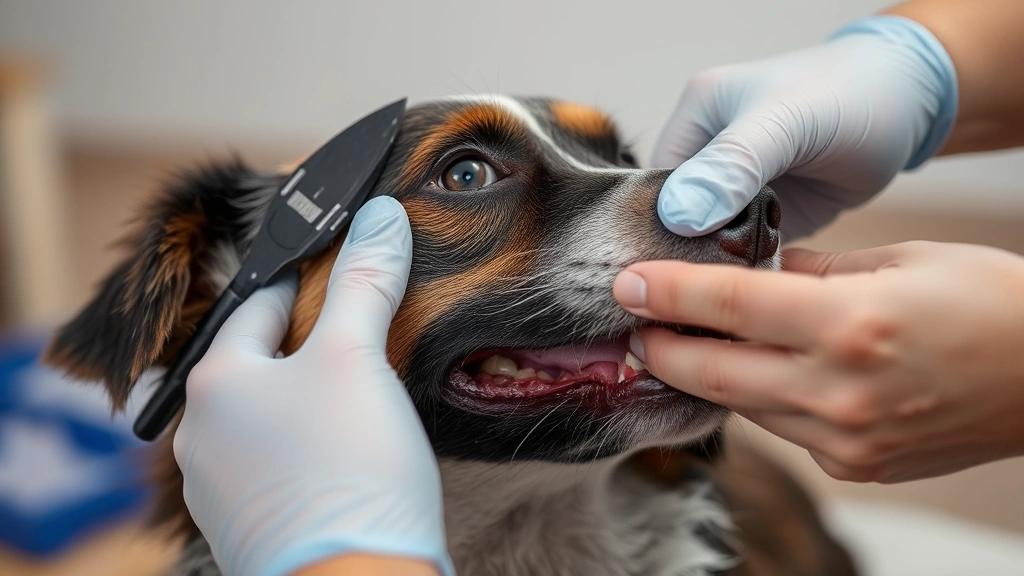
Not every tick bite requires a vet visit, but certain situations absolutely do. If you notice signs of infection, your dog develops systemic symptoms like fever or lethargy, or if you’re unsure about proper tick removal, contact your veterinarian immediately. When to call the vet about food also applies to tick-related concerns—if your dog stops eating after a tick bite, that’s a red flag. Your vet can test for tick-borne diseases, prescribe antibiotics if needed, and ensure your dog is on the best prevention plan moving forward. Don’t hesitate to reach out; that’s what they’re there for.
Supporting Your Dog’s Immune System
While treating tick bites, supporting your dog’s overall health is important. A strong immune system helps your pup fight off potential infections from tick bites. Consider incorporating immune boosting foods for pets into their diet, and ensure they’re getting proper nutrition, exercise, and rest. Omega-3 fatty acids, antioxidants, and high-quality proteins all contribute to skin health and immune function. If you’re unsure about dietary changes, virtual vet consultation for diet questions is a convenient option to get professional guidance without leaving home.

Frequently Asked Questions
How long does it take for a tick to transmit disease to my dog?
Most tick-borne diseases require the tick to be attached for 24-48 hours before transmission occurs. However, some pathogens can transmit in as little as a few hours, which is why removing ticks promptly is so important. Early detection and removal significantly reduce disease transmission risk.
Can humans get sick from dog tick bites?
Ticks that bite dogs can also bite humans and transmit the same diseases. If you find a tick on your dog, handle it carefully and wash your hands thoroughly afterward. Remove any ticks from yourself using the same careful technique you’d use for your dog.
What’s the difference between a tick bite and a flea bite on dogs?
Flea bites typically appear as small red bumps in clusters, often around the hindquarters and tail base, and cause intense itching. Tick bites are usually individual bumps, often with a visible tick attached or a small dark center, and are found in various locations on the body. Both cause scratching, but tick bites carry greater disease transmission risk.
Should I be concerned if my dog has only one tick bite?
While a single tick bite is less concerning than multiple bites, it still poses a disease transmission risk. Remove it promptly and monitor your dog for symptoms over the following weeks. If your dog shows any signs of illness, contact your vet immediately.

How often should I check my dog for ticks?
During tick season (spring through fall), check your dog daily, especially after outdoor activities in wooded or grassy areas. Even in winter, regular checks are wise in warmer climates where ticks remain active. Make it part of your daily bonding routine.
Summary: Staying Vigilant Against Tick Bites
Dog and tick bites are a reality of pet ownership, but they’re manageable when you know what to watch for. Remember the five essential signs: red bumps and irritation, excessive scratching, hair loss, behavioral changes, and swelling or abscesses. Regular prevention, daily checks, and prompt removal are your best defenses. If you notice anything unusual or if your dog shows signs of illness, don’t hesitate to contact your veterinarian. With proper vigilance and care, you can keep your furry friend safe, healthy, and tick-free. Your pup depends on you to catch these creepy crawlies before they cause serious problems—and honestly, they deserve nothing less than your best effort.





