
If you’re tired of dogs invading your space like furry little home invaders, a good dog animal repellent might be exactly what you need. Whether you’re protecting your garden from neighborhood pups or keeping strays away from your property, the right repellent solution can save you from constant headaches—and destroyed flower beds. Let’s dive into the most effective options that actually deliver results instead of just smelling weird.
Table of Contents
- What Exactly Is a Dog Animal Repellent?
- Why You Might Need a Canine Deterrent Solution
- Ultrasonic Dog Repellent Devices: The High-Tech Approach
- Ammonia-Based Sprays and the Power of Scent
- Capsaicin-Based Repellents: The Spicy Solution
- Predator Urine: Nature’s Own Warning System
- Motion-Activated Sprinklers: The Wet Welcome
- Natural Ingredients Worth Considering
- Important Safety Considerations for Dog Repellents
- Choosing the Right Dog Repellent for Your Situation
- Legal and Ethical Considerations
- Frequently Asked Questions
- Final Thoughts on Protecting Your Space
What Exactly Is a Dog Animal Repellent?
A dog repellent is any substance or device designed to discourage dogs from entering or lingering in specific areas. These work by triggering a dog’s natural aversion to certain smells, sounds, or sensations. Unlike harmful methods, legitimate repellents are humane and safe for both the dogs and your property. The best ones exploit a dog’s incredible sense of smell—which is 10,000 to 100,000 times more sensitive than humans’—making certain scents absolutely unbearable to them.
Why You Might Need a Canine Deterrent Solution
Let’s be real: not everyone loves dogs as much as dog lovers do. Maybe you’ve got a pristine vegetable garden that keeps getting trampled, or perhaps aggressive strays are making your kids nervous. Some people have legitimate safety concerns, while others just want their peace and quiet without constant barking. Whatever your reason, finding an effective dog animal repellent is a practical solution that respects both your needs and the animals’ welfare.
Ultrasonic Dog Repellent Devices: The High-Tech Approach
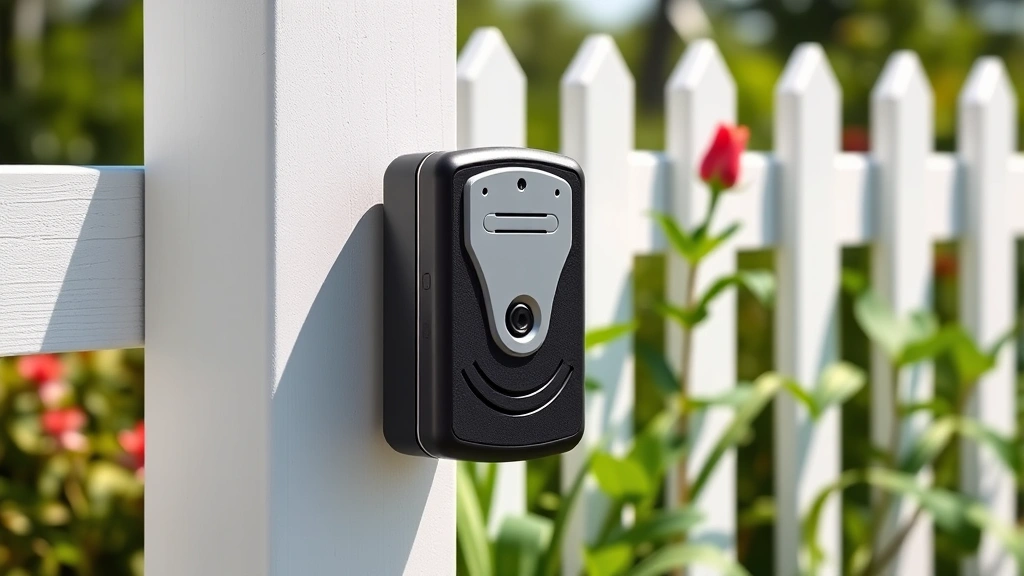
Ultrasonic repellents emit high-frequency sounds that are irritating to dogs but inaudible to humans. These devices are popular because they’re completely non-toxic and require zero maintenance beyond occasional battery changes. Most quality ultrasonic repellents operate between 20-65 kHz, a range that makes dogs deeply uncomfortable without causing permanent harm.
The best part? They work passively. Mount one near your garden or entryway, and it activates whenever motion is detected. Some models also include flashing lights for added deterrent effect. Just remember that effectiveness varies based on the dog’s age and sensitivity—older dogs might not respond as well as younger ones.
Ammonia-Based Sprays and the Power of Scent
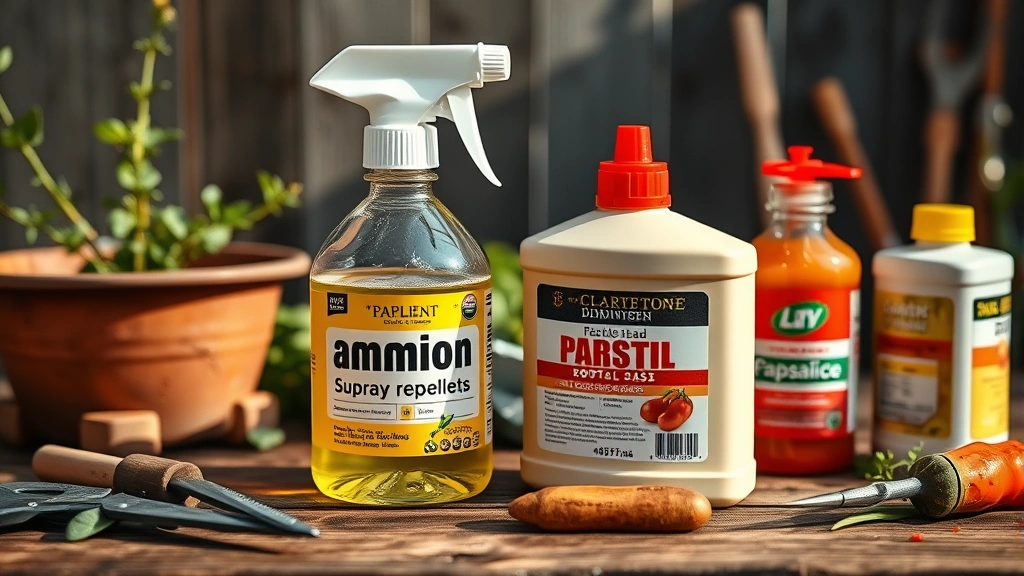
Dogs absolutely despise the smell of ammonia because it mimics urine from predators and other territorial markers. Ammonia-based dog repellent sprays capitalize on this natural aversion. You can spray these around garden perimeters, fence lines, or specific areas you want to protect. The smell is pungent but typically fades within a few hours, making it ideal for targeted applications.
Pro tip: Reapply after rain and every few days for consistent protection. While the smell bothers dogs, it’s generally safe for humans and pets (though you’ll want to avoid direct contact with eyes). Some commercial brands combine ammonia with other deterrent ingredients for enhanced effectiveness. If you’re concerned about what goes on your property, always check ingredient lists—and if your dog ingests something concerning, the Pet Poison Hotline is an invaluable resource.
Capsaicin-Based Repellents: The Spicy Solution
Capsaicin, the compound that makes chili peppers hot, creates an irritating sensation in a dog’s nose and mouth. Capsaicin-based dog deterrent sprays are derived from hot peppers and work by creating discomfort without causing injury. These are particularly effective because dogs learn quickly to avoid areas where they’ve experienced this unpleasant sensation.
The advantage here is that capsaicin is natural and breaks down over time, making it environmentally friendly. It’s also less likely to wash away quickly compared to ammonia. However, it can be irritating to humans too, so apply carefully and avoid windy conditions. Some gardeners swear by homemade capsaicin sprays made from blended hot peppers mixed with water.
Predator Urine: Nature’s Own Warning System
One of the most effective—if slightly gross—options is predator urine. Coyote, bobcat, and wolf urine are commercially available and trigger a dog’s instinctive fear response. When a dog smells predator urine, their brain registers danger, and they naturally avoid that area. It’s primal, it’s effective, and it’s completely humane.
You can find predator urine in granule or liquid form. Granules work well for larger areas like gardens and yards, while liquids are better for spot treatments. The downside? The smell is intense—for humans too. But it typically dissipates within a few days, and the investment pays off when your garden remains dog-free. Reapply after rain or every 2-3 weeks for sustained protection.
Motion-Activated Sprinklers: The Wet Welcome
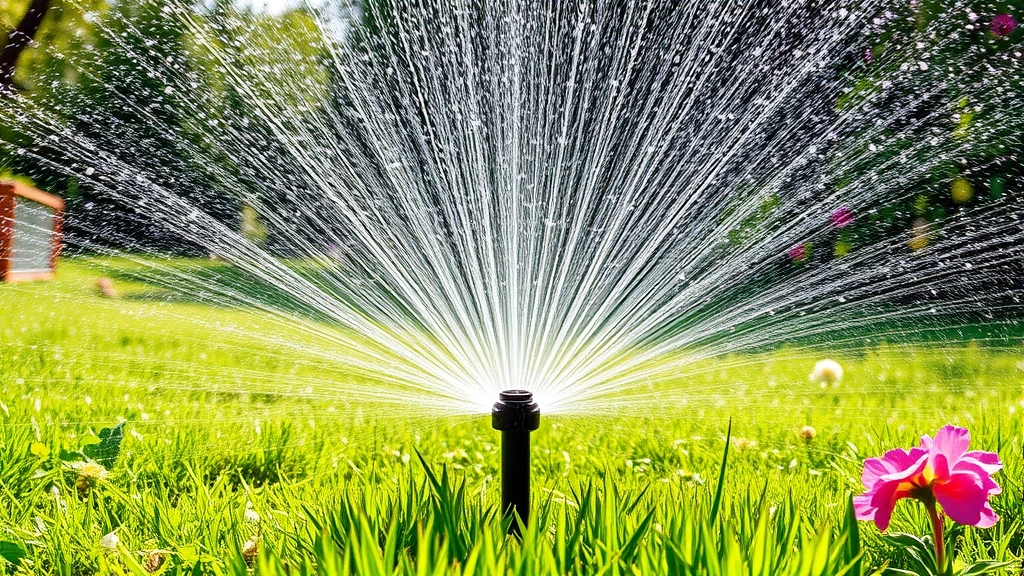
Sometimes the best offense is a surprise offense. Motion-activated sprinklers detect movement and release a sudden burst of water, startling dogs away from your property. These devices are fantastic because they’re completely harmless—just wet and unexpected. Dogs quickly learn that your yard equals an unpleasant surprise and stop coming around.
The beauty of this approach is that it works on all animals, not just dogs. Deer, rabbits, and other unwanted visitors also learn to steer clear. Installation is straightforward, and they run on batteries or solar power. The only maintenance required is occasional cleaning of the sensor and ensuring adequate water supply. During winter months, you’ll need to drain them to prevent freeze damage.
Natural Ingredients Worth Considering
If you prefer a more natural approach to dog animal repellent solutions, several household items work surprisingly well. Citrus peels, coffee grounds, and vinegar all have strong scents that dogs find unpleasant. While not as potent as commercial options, they’re budget-friendly and safe for homes with children and other pets.
Some people create homemade repellent mixtures by combining these ingredients with water and spraying them around problem areas. The downside is that effectiveness diminishes quickly—sometimes within hours—requiring frequent reapplication. They’re best used as supplementary deterrents rather than primary solutions. Just ensure that any plants or vegetables you’re protecting aren’t ones you plan to eat (especially if using vinegar or ammonia).
Important Safety Considerations for Dog Repellents
While we’re discussing deterrents, it’s crucial to understand what’s safe and what’s not. Never use repellents containing strychnine, cyanide, or other poisons—these are inhumane and often illegal. Similarly, avoid anything designed to cause pain or injury. The goal is to discourage dogs, not harm them. Always read product labels carefully and follow application instructions.
If you’re using any chemical-based repellent, keep it away from areas where dogs might consume it directly. Some dogs are curious nibblers, and ingesting concentrated repellent could cause problems. This is especially important if you have young puppies or senior dogs with compromised immune systems. When in doubt about toxicity, consult with your veterinarian or contact the resource for understanding pet toxins.
Choosing the Right Dog Repellent for Your Situation
The best dog animal repellent depends on your specific situation. For large properties, motion-activated sprinklers offer excellent coverage. For targeted garden protection, ammonia or capsaicin sprays work quickly. For a completely hands-off approach, ultrasonic devices are unbeatable. For maximum effectiveness, many experts recommend combining methods—use an ultrasonic device as a primary deterrent with predator urine as backup.
Consider your climate, the size of the area you’re protecting, and your budget. Some solutions require regular reapplication, while others are more permanent. Think about whether you have children or other pets that might be affected by the repellent choice. A solution that’s perfect for a dog-free commercial property might not be ideal for a family backyard.
Legal and Ethical Considerations
Before deploying any dog repellent, understand your local laws. Some areas have restrictions on certain types of deterrents, particularly anything that could harm animals. Additionally, if a dog is repeatedly entering your property, documenting the incidents and contacting local animal control might be more effective than relying solely on repellents.
If the dog belongs to a neighbor, a friendly conversation often resolves the issue faster than any repellent ever could. Most dog owners don’t realize their pet is causing problems and appreciate being informed. Only escalate to repellent methods if direct communication fails or if the situation involves aggressive dogs that pose a genuine safety risk.
Frequently Asked Questions
Are dog animal repellents safe for other pets?
Most commercial dog repellents are formulated to be safe for other pets, but it varies by product. Ultrasonic devices are generally safe for cats and other animals since they operate at frequencies designed specifically for dogs. However, some cats and small animals might find certain scent-based repellents unpleasant too. Always check product labels and test in a small area first if you have multiple pets.
How long does dog repellent typically last?
Duration varies significantly by type. Ultrasonic devices work continuously as long as batteries are charged. Spray-based repellents typically last 2-8 hours depending on weather conditions and the specific product. Predator urine granules can last 2-3 weeks before requiring reapplication. Motion-activated sprinklers work immediately when triggered and continue indefinitely with proper water supply.
Can I use dog repellent on my own dog?
Absolutely not. Dog repellents are designed to discourage unwanted dogs from entering specific areas, not to train your own pet. Using repellent on your own dog could damage your relationship and create behavioral issues. For training your own dog, consult with a professional trainer or veterinary behaviorist instead.
What if the dog repellent doesn’t work?
If one method isn’t effective, try combining multiple approaches. Some dogs are more stubborn than others, and individual sensitivities vary. You might also need to increase application frequency or try a different product type. If nothing works and the situation involves aggressive dogs, contact local animal control for assistance.
Are homemade dog repellents as effective as commercial ones?
Homemade options work but typically aren’t as potent as professionally formulated repellents. Commercial products undergo testing and contain concentrated active ingredients. Homemade solutions are great for budget-conscious folks and as supplementary deterrents, but for serious dog problems, commercial-grade repellents usually deliver better results.
Final Thoughts on Protecting Your Space
Finding an effective dog animal repellent doesn’t have to be complicated. Whether you choose ultrasonic technology, scent-based sprays, predator urine, or motion-activated sprinklers, the key is selecting a solution that matches your specific needs. Most dog owners are responsible and respectful, but when you encounter one who isn’t, having a humane deterrent option makes all the difference.
Start with the method that seems most practical for your situation, and don’t hesitate to combine approaches for stubborn cases. Remember that consistency matters—most repellents require regular reapplication or maintenance to remain effective. And always prioritize humane solutions that discourage without harming. With the right dog repellent strategy in place, you can reclaim your garden, yard, and peace of mind while still respecting our four-legged friends. For more information about pet safety and toxins, check out resources on common pet toxins to ensure whatever you use is truly safe.





