
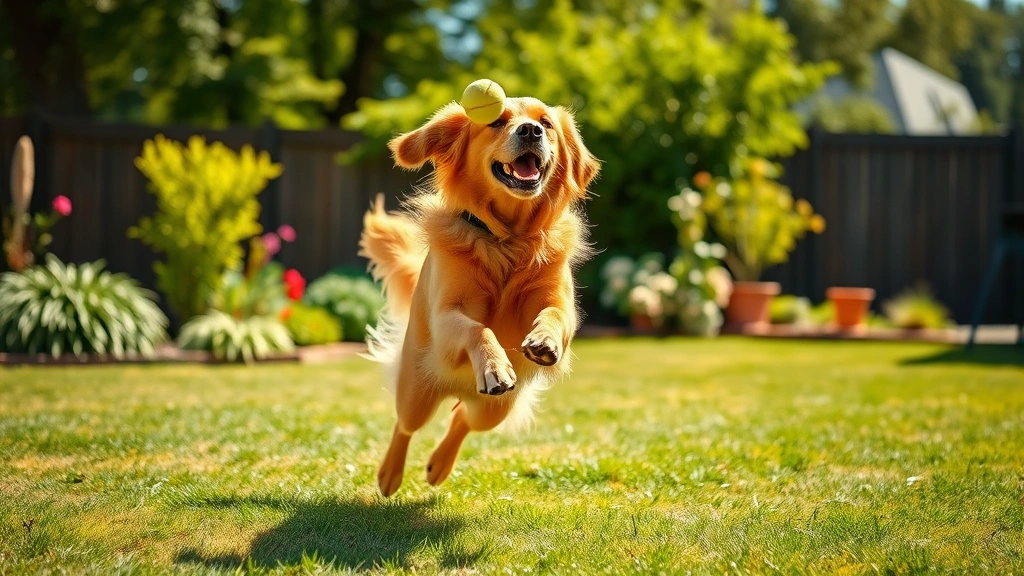
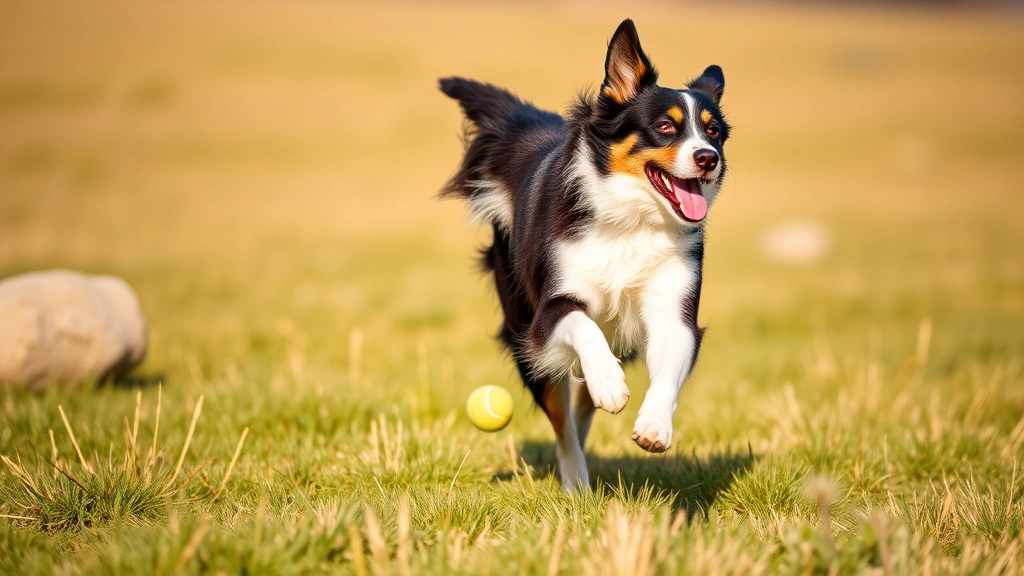
If you’ve got a dog with the energy of a caffeinated squirrel, a dog ball launcher might just be your secret weapon for keeping them entertained without your arm falling off. These nifty devices are game-changers for pet parents who want to give their furry friends the exercise they need while preserving their own shoulder joints.
Table of Contents
- What Exactly Is a Dog Ball Launcher?
- Why Your Dog Needs a Ball Launcher (And Why Your Arm Will Thank You)
- Key Features to Look For in a Ball Launcher
- The Top 5 Dog Ball Launchers Worth Your Money
- Ball Launcher Safety Tips for Your Pup
- Training Your Dog to Use a Ball Launcher
- Best Practices for Maintaining Your Ball Launcher
- Ball Launchers vs. Other Exercise Options
- Nutrition and Recovery for Active Dogs
- Common Ball Launcher Problems and Solutions
- Frequently Asked Questions
- Final Thoughts: Is a Ball Launcher Right for You?
What Exactly Is a Dog Ball Launcher?
A dog ball launcher is a mechanical or handheld device designed to throw tennis balls (or similar toys) far distances with minimal effort from you. Think of it as a catapult for your pup’s happiness. Instead of manually hurling balls until your rotator cuff files for divorce, you load a ball, pull a trigger or press a button, and boom—your dog is chasing a projectile across the yard. It’s basically a cheat code for dog exercise.
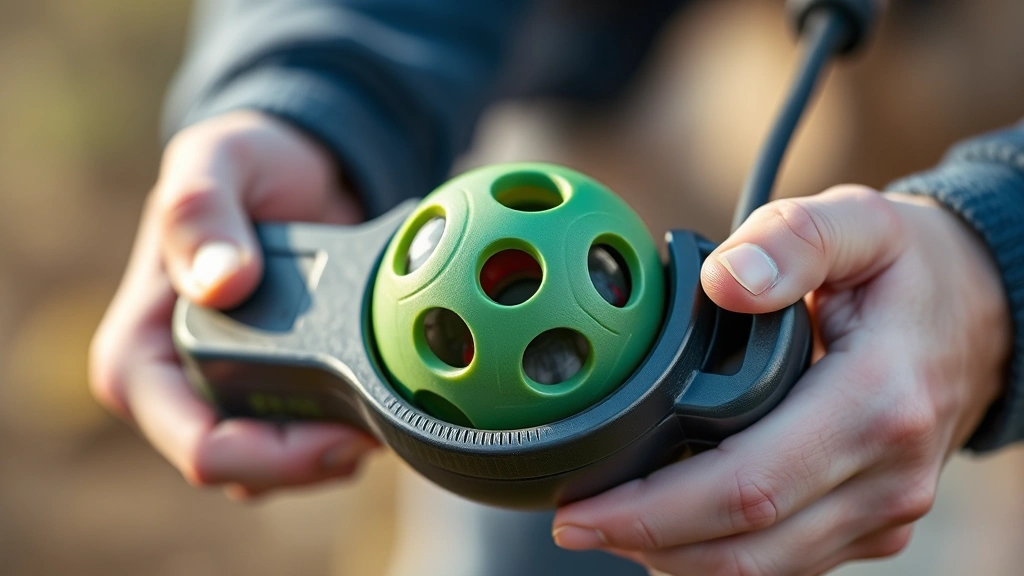
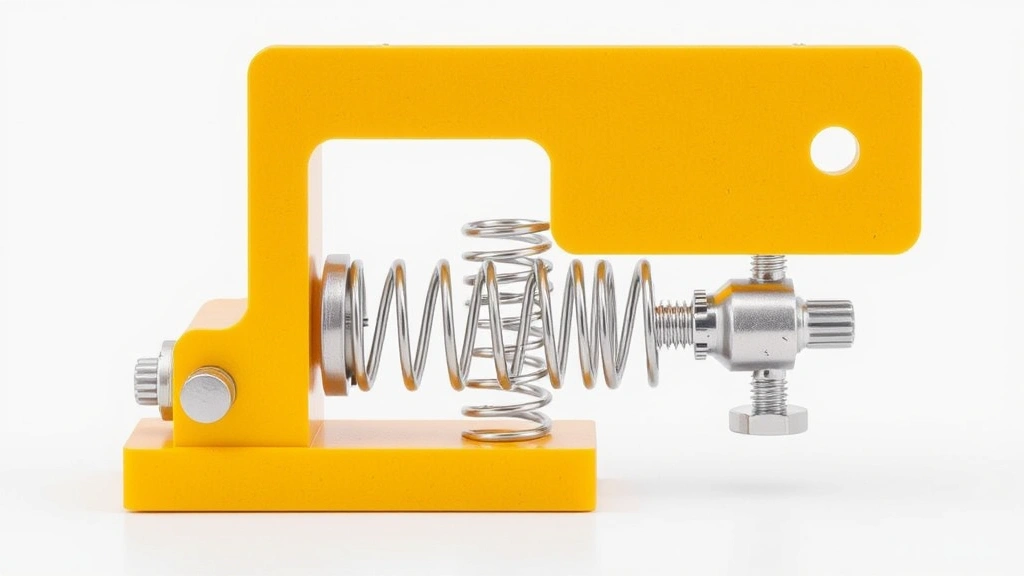
These devices come in various styles: some are handheld scoops with spring-loaded mechanisms, others are automatic ball launchers that require batteries, and some are super simple stick-like tools that extend your throwing range. No matter the design, they all share one goal: tire out your pup so they’ll actually nap instead of destroying your couch.
Why Your Dog Needs a Ball Launcher (And Why Your Arm Will Thank You)
Dogs need exercise—lots of it. A tired dog is a well-behaved dog, as the saying goes. Without proper physical activity, pups can develop behavioral problems, anxiety, and destructive habits. A quality ball launcher lets you provide extended play sessions without becoming a human catapult machine.
The beauty of a ball launcher is efficiency. You can throw balls faster and farther than humanly possible, which means your dog gets more intense exercise in less time. It’s especially useful for high-energy breeds like Border Collies, Australian Shepherds, and Labrador Retrievers who seem to have bottomless energy reserves.
Plus, let’s be honest—your shoulder will appreciate the break. Repetitive throwing can lead to injury, and a ball launcher eliminates that risk entirely. You’re welcome, rotator cuff.
Key Features to Look For in a Ball Launcher
Not all ball launchers are created equal. Here’s what separates the good from the “why did I buy this?” options:
Distance and Power: How far can it launch? Look for models that throw at least 20-30 feet for small dogs, and 40+ feet for larger, more athletic pups.
Ball Compatibility: Does it work with standard tennis balls? Some launchers are picky about ball size and material, which is annoying when you’ve got a drawer full of regular tennis balls.
Ease of Use: Can you load and launch with one hand? If you need three hands and a engineering degree, it’s not worth your time.
Durability: Will it survive being dropped, stepped on, and used daily? Look for quality materials and good reviews about longevity.

Automatic vs. Manual: Automatic launchers are convenient but require batteries and maintenance. Manual ones are simpler but require more effort. Choose based on your lifestyle.
The Top 5 Dog Ball Launchers Worth Your Money
Here are five solid options that actual dog owners love:
1. ChuckIt! Classic Launcher – This is the gold standard. It’s a simple handheld scoop with a spring-loaded mechanism that throws balls up to 30 feet. It’s affordable, durable, and works with standard tennis balls. Dogs go absolutely bonkers for it, and owners appreciate the no-fuss design.
2. Nerf Dog Tennis Ball Blaster – A battery-powered automatic launcher that’s perfect for lazy days when you want to sit on the porch while your pup runs themselves silly. It’s more expensive but incredibly convenient for extended play sessions.
3. GoDogGo Fetch Machine – If you want full automation, this is the Cadillac of ball launchers. It’s designed for serious fetch enthusiasts and can launch balls continuously. It’s pricey and requires setup, but some dogs absolutely live for it.

4. Chuckit! Two Fetch – A budget-friendly manual option that lets you hold two balls at once, speeding up your throw rate. Perfect for dogs who want zero downtime between throws.
5. West Paw Zogoflex Jive – A durable, eco-friendly launcher made from recycled materials. It’s slightly less powerful than ChuckIt! but appeals to environmentally conscious pet parents who refuse to compromise on quality.
Ball Launcher Safety Tips for Your Pup
Before you turn your backyard into a fetch arena, keep these safety considerations in mind:
Watch for Overexertion: Just because your dog CAN keep chasing doesn’t mean they SHOULD. Dogs can overheat or injure themselves if they play too hard. Take breaks, especially in warm weather, and provide plenty of water. Always monitor your pup for signs of exhaustion.
Check the Terrain: Make sure your launch zone is clear of holes, rocks, and obstacles. A dog running at full speed won’t see that groundhog burrow until it’s too late.
Use Quality Balls: Cheap balls can fall apart and become choking hazards. Stick with quality tennis balls or balls specifically designed for launchers. Check them regularly for wear and tear.
Supervise Play: Don’t just set up the launcher and go inside. Stay outside and watch your dog. They could get injured, eat something they shouldn’t, or encounter other dogs or wildlife.
Know Your Dog’s Limits: Senior dogs, puppies, and dogs with joint issues shouldn’t participate in intense fetch sessions. If your dog has health concerns, chat with your vet before starting a ball launcher routine.
Training Your Dog to Use a Ball Launcher
Most dogs intuitively understand the concept of fetch, but some need a little coaching. Start by introducing the launcher in a controlled environment. Let your dog see and smell it first—demystify the weird contraption.
Begin with short distances and low power settings if your launcher has them. Throw one ball and celebrate like your dog just won the lottery when they bring it back. Use high-value treats as rewards, and keep initial sessions short and fun.
Some dogs catch on immediately. Others need patience. If your pup isn’t interested in fetch, that’s okay too—not every dog is a ball-obsessed maniac, and that’s perfectly normal. For those dogs, consider other exercise options like car rides to dog parks or puzzle toys to keep them mentally stimulated.
Best Practices for Maintaining Your Ball Launcher
Keep your launcher in good condition so it lasts years:
Clean Regularly: Dirt and grass can accumulate in the mechanism. Wipe it down after use, especially if it’s been in muddy conditions.
Check for Damage: Inspect for cracks, loose parts, or worn springs before each use. A broken launcher is a useless launcher.
Store Properly: Keep it in a dry place away from extreme temperatures. Battery-powered models should have batteries removed if stored for extended periods.

Replace Balls Often: Worn tennis balls can damage the launcher and pose choking risks. Rotate in fresh balls regularly.
Follow Manufacturer Instructions: Read the manual. Seriously. Different models have different maintenance needs, and you’ll get better performance if you follow the guidelines.
Ball Launchers vs. Other Exercise Options
While ball launchers are fantastic, they’re not the only way to exercise your dog. Consider your situation:
Dog Parks: Great for socialization and varied exercise, but require travel and supervision. Some dogs don’t play well with others.
Running/Walking: Essential daily exercise, but might not provide enough intensity for high-energy dogs. Check out our guide on portable dog gear for outdoor adventures to make walks more convenient.
Agility Training: Excellent for mental and physical stimulation, but requires more time and often professional instruction.
Swimming: Low-impact and excellent for joint health, but not all dogs love water.
The best approach? Combine multiple exercise methods. A ball launcher works great as a supplement to regular walks and playtime, not as a complete replacement.
Nutrition and Recovery for Active Dogs
Dogs who get intense exercise need proper nutrition to support their activity level. Make sure your pup’s diet includes adequate protein and calories. If you’re unsure about your dog’s nutritional needs, consult your vet or check out our pet nutrition advice guide for more information.
Also, proper hydration is crucial. Always have fresh water available during and after play sessions. Some dogs don’t drink enough water during exercise, so you might need to encourage them to take breaks and drink.

Recovery matters too. After intense fetch sessions, let your dog rest and relax. Muscle soreness is real in dogs, just like humans. If your dog seems stiff or reluctant to move after play, it might be a sign to dial back the intensity.
Common Ball Launcher Problems and Solutions
Problem: Ball Gets Stuck – Solution: Check for debris in the mechanism and ensure you’re using the correct ball size. Some launchers are finicky about ball type.
Problem: Weak Throws – Solution: The spring might be worn out, or you might not be loading it correctly. Check the manual and ensure you’re using proper technique.
Problem: Dog Loses Interest – Solution: Not every dog is a fetch enthusiast. Try different ball types, play in new locations, or incorporate treats as rewards. Some dogs just prefer other activities.
Problem: Battery-Powered Launcher Stops Working – Solution: Replace batteries, check for corrosion, and ensure all connections are clean. Sometimes it’s just dead batteries, not a broken device.

Frequently Asked Questions
Are ball launchers safe for all dogs?
Most healthy adult dogs can safely use ball launchers, but puppies (under 12 months), senior dogs, and dogs with joint or heart conditions should avoid intense fetch. Always consult your vet if you’re unsure about your specific dog’s fitness for this activity. According to the American Kennel Club, exercise recommendations vary significantly by breed and age.
How often should I use a ball launcher with my dog?
For healthy adult dogs, 2-3 sessions per week of 15-20 minutes each is a good starting point. Monitor your dog’s energy levels and adjust accordingly. Some high-energy breeds can handle daily use, while others need more rest days. Listen to your dog’s body language—if they’re limping or seem sore, give them a break.
What’s the best ball for a dog ball launcher?
Standard tennis balls work great for most launchers, but look for durable, high-quality options. Some dogs prefer rubber balls or specialized fetch balls. Avoid small balls that could be choking hazards, and always supervise to ensure your dog doesn’t try to eat the ball. Replace balls regularly as they wear down.
Can I use a ball launcher for training?
Absolutely! Ball launchers are excellent for reinforcing fetch commands and building positive associations with recall. Use them during training sessions to reward good behavior. Just ensure your dog understands basic commands before introducing the launcher.
Do automatic ball launchers really work?
Yes, but they require proper setup and maintenance. They’re great for dogs who never tire of fetch and for owners who want hands-free exercise. However, they’re more expensive and require batteries. Manual launchers are often sufficient for most dog owners.
What should I feed my dog before using a ball launcher?
Avoid launching balls immediately after meals to reduce bloat risk. Wait at least 1-2 hours after feeding before intense exercise. For more detailed nutrition guidance, check our article on dog nutrition basics.
Final Thoughts: Is a Ball Launcher Right for You?
A dog ball launcher is an excellent investment if you’ve got an active pup and want to provide consistent, intense exercise without sacrificing your own physical health. They’re affordable, durable, and genuinely effective at tiring out even the most energetic dogs.
The key is choosing the right launcher for your dog’s size, energy level, and play style. Start with a basic manual launcher like the ChuckIt! Classic if you’re unsure, and upgrade to fancier options once you know your dog’s preferences.
Remember that a ball launcher is a tool, not a replacement for all other forms of exercise and enrichment. Combine it with walks, training, socialization, and mental stimulation for a well-rounded, happy dog.
Your dog will love you for it, your shoulder will thank you, and your couch will remain scratch-free. That’s a win-win-win in our book.





