

A dog ball pit is one of those genius inventions that makes you wonder why nobody thought of it sooner. If you’ve ever watched your pup dive into a pile of tennis balls like they’re swimming through pure joy, you already know the appeal. These colorful, bouncy wonderlands aren’t just fun—they’re legitimate enrichment tools that can keep your furry friend entertained for hours while burning off that seemingly endless puppy energy.
Table of Contents
- What Exactly Is a Dog Ball Pit?
- Why Your Dog Needs a Ball Pit for Play and Exercise
- Types of Dog Ball Pits Available
- Choosing the Right Size for Your Pup
- Safety Considerations for Ball Pit Enjoyment
- Best Practices for Introducing Your Dog to Their Ball Pit
- Maintenance and Cleaning Your Dog Ball Pit
- Combining Ball Pit Play with Proper Nutrition
- Ball Pit Alternatives and Complementary Toys
- Budget-Friendly Ball Pit Options
- Real-World Success Stories: Dogs Loving Their Ball Pits
- Frequently Asked Questions
- Final Thoughts: Is a Dog Ball Pit Worth It?
What Exactly Is a Dog Ball Pit?
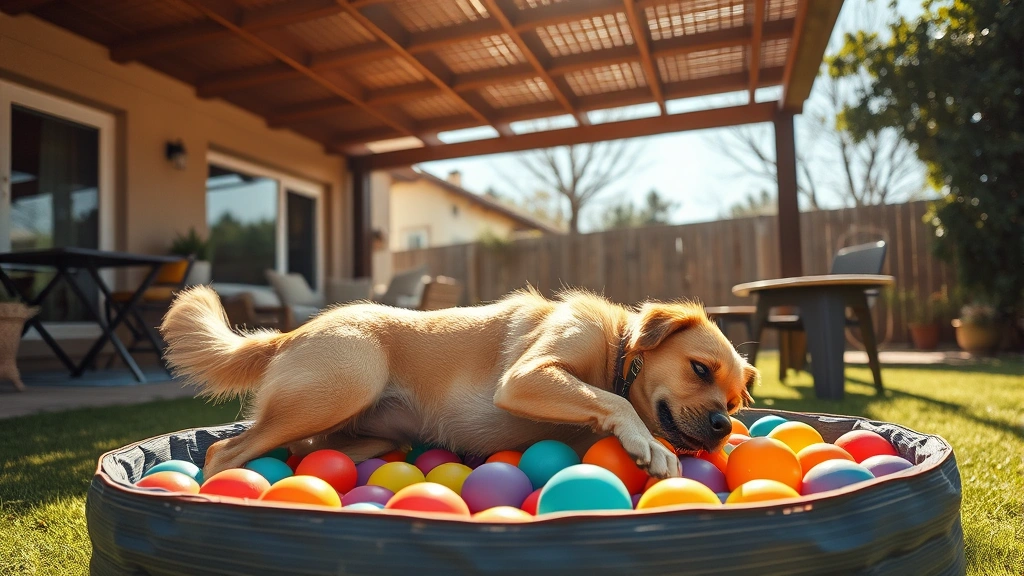
A dog ball pit is basically a shallow pool or enclosed space filled with soft, plastic balls designed specifically for dogs. Think of it as a doggy ball pit you’d find at a children’s play center, except these are made with pet safety in mind. They come in various sizes, from compact versions for small breeds to massive setups that could house a Great Dane. The balls are typically made from non-toxic, durable plastic and come in different colors and textures to keep things interesting.
The concept is simple but brilliant: dogs get to play, jump, dig, and burrow through the balls, which taps into their natural instincts while providing mental and physical stimulation. It’s like creating an indoor beach for your pup without the sand getting everywhere.
Why Your Dog Needs a Ball Pit for Play and Exercise
Let’s be honest—sometimes the weather is terrible, your schedule is packed, or you just need your dog to burn off some energy indoors. This is where a dog ball pit becomes your secret weapon. Dogs are natural diggers and burrowers, and a ball pit satisfies those instincts in a contained, manageable way.
Beyond the fun factor, ball pits provide legitimate physical exercise. Your dog is jumping, pouncing, and moving through resistance as they navigate the balls. For dogs with joint issues, the soft balls provide gentle support compared to jumping on hard floors. It’s also fantastic for dogs recovering from minor injuries or those needing low-impact exercise.
The mental stimulation is equally important. Searching for specific balls, figuring out how to move through the pit, and the sensory experience of different textures all engage your dog’s brain. This combination of physical and mental enrichment can reduce destructive behaviors, excessive barking, and anxiety.
Types of Dog Ball Pits Available
Not all ball pits are created equal, and understanding the different types helps you pick the right one for your situation.
Collapsible Ball Pits: These are portable champions. Made from fabric with a metal frame, they pop up in seconds and collapse just as fast for storage. Perfect for apartments or if you like rearranging your space. They’re also travel-friendly if you want to bring one to a friend’s house or vacation rental.
Plastic Shell Ball Pits: These are the heavy-duty option. Built from rigid plastic, they’re durable enough to withstand aggressive diggers and can handle years of abuse. They’re harder to move but virtually indestructible.
DIY Ball Pits: Some creative pet parents make their own using large storage bins or kiddie pools. If you’re handy and want a budget option, this could work, though you’ll need to ensure all edges are safe and the balls are appropriate for dogs.
Outdoor Ball Pits: Designed to withstand weather, these are great if you have a covered patio or deck space. They’re usually larger and sturdier than indoor versions.
Choosing the Right Size for Your Pup
Size matters more than you’d think. A ball pit that’s too small becomes a frustration—your dog can’t fully stretch out or enjoy the experience. Too large, and it takes up your entire living room (though some of us might be willing to make that sacrifice).
For small breeds (under 20 pounds), a 3-4 foot diameter pit works great. Medium breeds (20-60 pounds) benefit from 4-5 foot pits, while large breeds need 5-6 feet or bigger. Consider your dog’s play style too. Active, energetic dogs need more space to really get moving, while older or calmer dogs might be happy with something more modest.
Also think about where you’ll place it. Measure your space first. You don’t want to buy something that doesn’t fit through your doorway or leaves no room to walk around. Pro tip: collapsible versions are your friend if space is tight.
Safety Considerations for Ball Pit Enjoyment
Before your pup dives in headfirst, let’s talk safety. Not all ball pits are safe for dogs, and some dogs need supervision or might not be suitable candidates.

Check that balls are non-toxic and specifically designed for pets. Some cheaper options use materials that can be harmful if ingested. The pit itself should have no sharp edges, broken seams, or small parts that could become choking hazards. Inspect regularly for wear and tear.
Supervise play, especially with puppies or dogs with a history of eating non-food items. Some dogs get overstimulated and might try to chew or consume the balls. If your dog does this, a ball pit might not be the right choice, or you’ll need to limit unsupervised access.
Make sure your dog can easily get in and out. Elderly dogs or those with mobility issues might struggle with high-sided pits. Some dogs also get anxious in enclosed spaces, so watch for signs of stress rather than joy.
Best Practices for Introducing Your Dog to Their Ball Pit
Don’t just throw your dog into the deep end (literally). Introduce the ball pit gradually, especially if your pup is cautious or hasn’t experienced one before.
Start by letting them explore it empty. Let them sniff, walk around, and get comfortable with the structure. Once they’re confident, add a few balls at a time. You can make it more enticing by hiding treats among the balls or tossing their favorite toy in there. Some dogs catch on immediately; others need a day or two to warm up.
Keep initial sessions short—10-15 minutes—and always supervise. Gradually increase playtime as your dog becomes more confident and comfortable. If your dog seems anxious or overwhelmed, take a step back and move at their pace.
Maintenance and Cleaning Your Dog Ball Pit
A dog ball pit isn’t a set-it-and-forget-it situation. Regular maintenance keeps it clean, safe, and fresh.
The balls themselves need periodic cleaning. You can toss them in a mesh laundry bag and wash them in the machine on a gentle cycle, or wipe them down with a damp cloth. The pit structure should be wiped down weekly and deep-cleaned monthly. Check for any damaged balls and replace them immediately.
If your dog is muddy or wet, let them dry before pit time, or have a towel nearby to dry them off afterward. This prevents the balls from getting excessively dirty and developing odors. Store the pit in a cool, dry place when not in use, especially if it’s collapsible.
Combining Ball Pit Play with Proper Nutrition
All that extra playtime means your dog might need a little extra fuel. Make sure you’re providing energy boosting foods for active pets to support their increased activity level. Dogs burning extra calories need adequate protein and healthy fats to maintain muscle and energy.
If you’re introducing new treats or adjusting portions, check out our guide on puppy safe human foods to make sure you’re offering appropriate snacks. Proper nutrition paired with enrichment creates the perfect wellness combo.
Ball Pit Alternatives and Complementary Toys
While ball pits are fantastic, they’re not the only enrichment option. Consider combining them with other toys and activities for maximum engagement.
Puzzle toys, sniff mats, and interactive feeders engage your dog’s problem-solving skills. Tug toys and fetch toys provide active play. Chew toys satisfy the natural urge to gnaw. The key is variety—rotating toys keeps things fresh and interesting.
If you’re planning road trips with your pup, you might also want to invest in a car seat for dogs to keep them safe and comfortable during travels. A well-exercised dog is also a better car passenger!
Budget-Friendly Ball Pit Options
Quality doesn’t always mean expensive. You can find solid dog ball pits at various price points.
Budget options ($30-60) include basic collapsible pits that work fine for casual play. Mid-range options ($60-150) offer better durability and larger sizes. Premium options ($150+) feature reinforced construction, superior materials, and often come with bonus balls or accessories.
Before buying, read reviews specifically from dog owners. Look for mentions of durability, ball quality, and how long the product lasted. Sometimes spending a bit more upfront saves you from replacing a cheap pit that falls apart after a month.
Real-World Success Stories: Dogs Loving Their Ball Pits
From anxious rescue dogs finding confidence to hyperactive puppies finally having an outlet for their chaos, ball pits have changed lives. Dogs with separation anxiety often use them as safe spaces. Senior dogs appreciate the gentle support. High-energy breeds finally get the stimulation they crave.
The common thread? Happy dogs and happier owners who aren’t dealing with destructive behaviors born from boredom. That’s the real value proposition here.
Frequently Asked Questions
Are dog ball pits safe for all dogs?
Most dogs can safely enjoy ball pits, but some shouldn’t. Dogs with a history of eating non-food items, certain anxiety disorders, or mobility issues might not be good candidates. Always supervise initial use and watch for signs of stress or overstimulation.
How many balls does a dog ball pit need?
Generally, you want enough balls to fill the pit about three-quarters full. This gives your dog room to move while still providing that satisfying digging and burrowing experience. Most pits come with recommendations based on their size.
Can I use a regular ball pit meant for kids?
Not recommended. Kid ball pits aren’t designed for the wear and tear dogs inflict, and the balls might not meet pet safety standards. Always choose products specifically designed for dogs to ensure safety.
How often should I replace the balls?
Inspect balls regularly and replace any that are cracked, punctured, or showing significant wear. With proper maintenance and cleaning, quality dog ball pit balls can last 1-2 years or longer.
What’s the best age to introduce a ball pit?
Puppies as young as 8-12 weeks can enjoy ball pits with supervision. Older dogs benefit too—there’s no age limit. Just adjust the introduction pace based on your individual dog’s comfort level.
Can ball pits help with dog anxiety?
For some dogs, yes. The enclosed, cozy nature of a ball pit can feel safe and calming. However, for dogs with claustrophobia or severe anxiety, it might have the opposite effect. Know your dog’s triggers and preferences.
Final Thoughts: Is a Dog Ball Pit Worth It?
If you have an active dog, limited outdoor space, or a pup who needs mental enrichment, a dog ball pit is absolutely worth considering. It’s a relatively affordable investment that provides hours of entertainment and exercise. The key is choosing the right size and type for your dog, maintaining it properly, and supervising play appropriately.
Whether you go with a collapsible option for flexibility or a sturdy plastic pit for durability, your dog will likely thank you with tail wags and endless playtime. In a world where many dogs don’t get enough enrichment, a ball pit is a simple, fun solution that addresses both physical and mental needs. Your dog’s happiness and your sanity? That’s priceless.





