
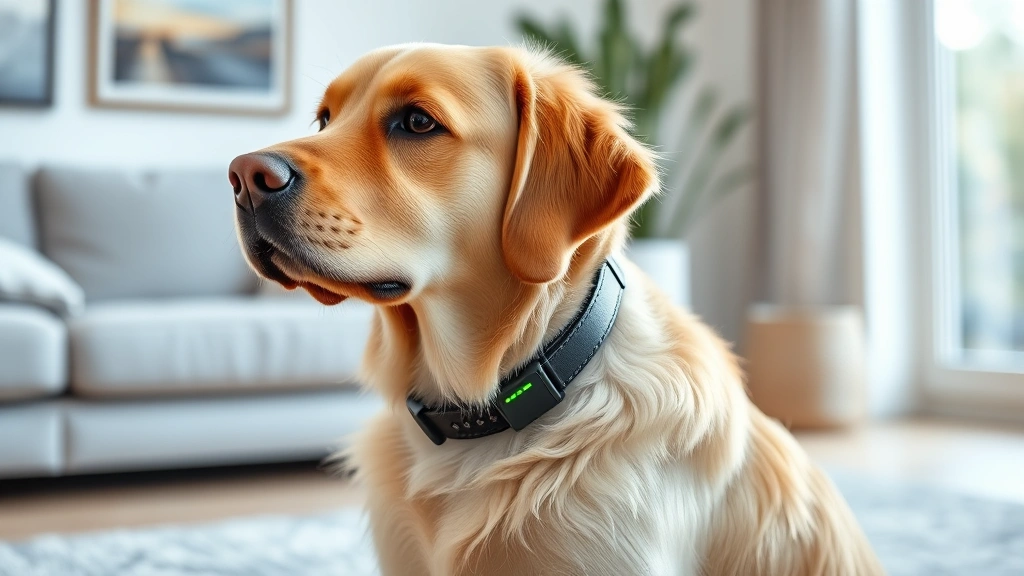
A dog bark collar might just be the sanity-saving device you didn’t know you needed. If your pup sounds like a broken alarm system at 3 AM, barks at every leaf that dares to blow past the window, or treats the mailman like he’s storming the castle, you’re not alone. Excessive barking drives pet parents absolutely bonkers, and sometimes training alone isn’t cutting it. That’s where bark collars come in—they’re designed to interrupt that incessant noise and help retrain your furry friend’s vocal cords.
Table of Contents
- What Exactly Is a Dog Bark Collar?
- Understanding Bark Collar Technology
- The 5 Best Dog Bark Collars on the Market
- Why Your Dog Barks Excessively
- Choosing the Right Bark Collar for Your Dog
- Training Tips to Maximize Bark Collar Effectiveness
- Safety Considerations and Potential Concerns
- Maintenance and Care of Your Bark Collar
- Alternatives to Consider
- Real-World Success Stories
- Frequently Asked Questions
- Final Thoughts: Is a Bark Collar Right for Your Pup?
What Exactly Is a Dog Bark Collar?
Let’s start with the basics. A bark collar is a wearable device that detects when your dog barks and delivers a corrective stimulus. These come in several flavors: vibration-based, sound-based, citronella spray, and static correction. Think of it as a gentle nudge that says, “Hey buddy, maybe dial it back a notch.” The goal isn’t to punish your pup—it’s to create a negative association with excessive barking so they learn to chill out. When used correctly, these devices can be surprisingly effective, especially when combined with proper training and positive reinforcement.
Understanding Bark Collar Technology
Modern anti-bark collar technology has come a long way. Most quality bark collars feature smart sensors that distinguish between your dog’s bark and other sounds (like traffic or other dogs barking nearby). Nobody wants their pup getting zapped because the neighbor’s German Shepherd is having a meltdown. The best models use progressive correction, meaning they start gentle and only increase intensity if the barking continues. Some even have adjustable sensitivity levels so you can fine-tune the response to your specific dog’s barking patterns.
The 5 Best Dog Bark Collars on the Market
1. Vibration-Based Bark Collars – These are the gentlest option and work great for sensitive dogs. When your pup barks, the collar vibrates, creating a startling sensation that interrupts the behavior. No shock, no spray, just a little buzz. Brands like PetSafe offer solid vibration collars that are humane and effective for many dogs.
2. Citronella Spray Bark Collars – If your dog can’t stand the smell of citronella (and most can’t), this is your ticket. The collar releases a puff of citronella spray when barking is detected. It’s harmless but unpleasant, which teaches your dog that barking = bad smell. These are particularly popular because they’re completely humane and don’t involve any electric stimulation.
3. Static Correction Bark Collars – The most common type, these deliver a mild static shock when barking is detected. Modern versions are safe and adjustable, with multiple levels so you can start low and increase if needed. They work quickly for many dogs, though they’re not ideal for anxious pups who might develop fear-based issues.
4. Ultrasonic Bark Collars – These emit a high-frequency sound that’s unpleasant to dogs but inaudible to humans. It’s like a dog whistle that discourages barking. They’re completely safe and work well for some dogs, though effectiveness varies depending on your pup’s sensitivity to sound.
5. Combination Collars – Some premium models combine multiple stimuli (vibration + sound + spray) for maximum effectiveness. These are great if you’re not sure which method will work best for your specific dog.
Why Your Dog Barks Excessively
Before slapping a collar on your pup, understand why they’re barking in the first place. Dogs bark for reasons: boredom, anxiety, territorial defense, attention-seeking, or because something legitimately needs attention. A barking dog might be trying to tell you they need more exercise, mental stimulation, or that something’s wrong. If your dog has separation anxiety, a bark collar alone won’t fix it—you’ll need to address the underlying anxiety. This is where consulting with a vet or certified dog trainer becomes crucial. You can also explore calming supplements like melatonin for dogs if anxiety is the root cause.
Choosing the Right Bark Collar for Your Dog
Not all bark collars work for all dogs. Your Chihuahua might respond perfectly to vibration, while your stubborn Husky needs something stronger. Consider your dog’s size, sensitivity level, and the severity of the barking problem. Start with the gentlest option and work your way up if needed. Also, think about your dog’s temperament—anxious dogs might develop worse behavioral issues with harsh corrections, while confident dogs might barely notice a gentle vibration.
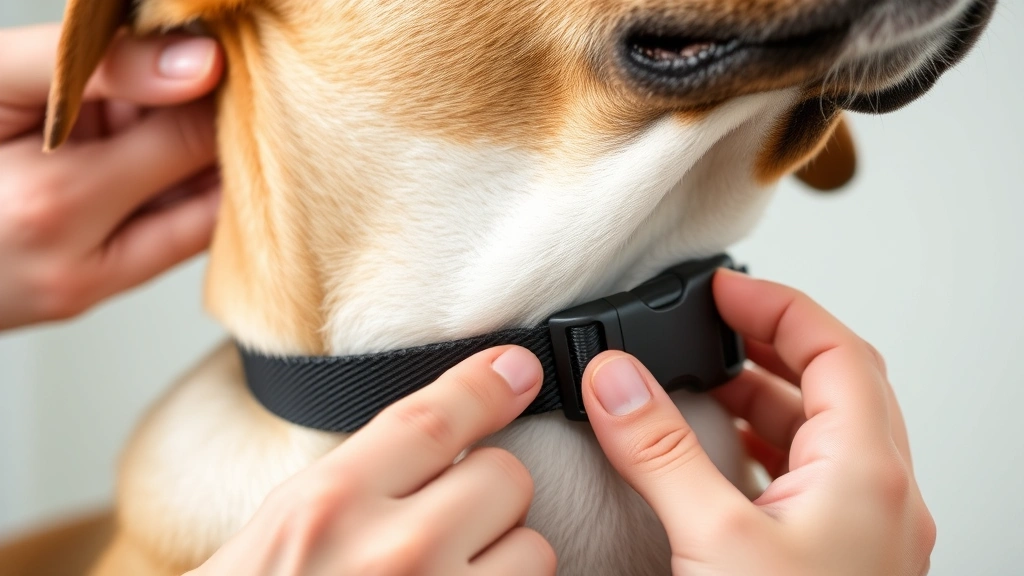
The best bark collar is one that fits snugly (you should be able to fit one finger under the band), has adjustable settings, and is made from durable, waterproof materials. Look for models with safety certifications and good reviews from other pet parents with similar dogs.
Training Tips to Maximize Bark Collar Effectiveness
A bark collar works best when combined with training. Don’t just put it on and hope for miracles. Use positive reinforcement—reward your dog when they’re quiet and calm. Practice commands like “quiet” or “enough” and reward compliance. The collar should reinforce what you’re teaching, not replace actual training. Consider working with a certified professional dog trainer who can create a customized training plan. Your vet can also recommend resources for behavioral issues. If your dog has other health concerns contributing to stress, like a persistent cough, addressing those issues (perhaps with appropriate cough medicine for dogs) might help reduce anxiety-related barking.
Safety Considerations and Potential Concerns
Safety first! Never leave a bark collar on for more than 12 hours at a time, and always check the skin underneath regularly for irritation. Make sure the collar isn’t too tight—it should be snug but comfortable. Static collars should never be used on puppies under 6 months old or on dogs with heart conditions without veterinary approval. Some dogs may develop anxiety or fear-based aggression if corrections are too harsh, so start conservatively. If your dog shows signs of distress, remove the collar immediately and consult your vet.
According to the American Kennel Club (AKC), bark collars should be used as part of a comprehensive training program, not as a standalone solution. The AKC emphasizes that understanding the root cause of barking is essential before implementing any correction device.
Maintenance and Care of Your Bark Collar
Keep your bark collar clean and dry. Most modern collars are waterproof, but it’s still smart to remove them during baths and swimming. Check the battery regularly—a dead battery means no correction, and your dog might think they’ve won the battle. Inspect the contact points for corrosion and clean them with a soft cloth if needed. Replace the collar if it shows signs of wear or damage. Proper maintenance ensures your device works consistently and safely.
Alternatives to Consider
Bark collars aren’t the only solution. Some alternatives include increased exercise and mental stimulation, desensitization training, white noise machines, or even consulting with your vet through virtual pet checkup services to rule out medical issues. For dogs with separation anxiety, crate training and gradual desensitization work better than any collar. Environmental management—like closing curtains so your dog doesn’t see triggers—can also reduce barking significantly.
Real-World Success Stories
Plenty of dog owners have had great success with bark collars. One owner reported that her Beagle mix went from barking 80+ times per hour to just a few occasional barks within two weeks of using a citronella collar combined with training. Another found that a vibration collar worked wonders for his anxious rescue dog without causing any behavioral side effects. The key in both cases? Consistency, patience, and combining the collar with actual training.

Frequently Asked Questions
Are bark collars cruel or inhumane?
Modern bark collars, especially vibration and spray varieties, are considered humane when used properly. However, harsh static corrections can be stressful for some dogs. The key is choosing an appropriate method for your dog’s temperament and using it correctly as part of a training program, not as punishment.
How long does it take for a bark collar to work?
Some dogs respond within days, while others take weeks. It depends on the dog’s age, temperament, and the root cause of barking. Most owners see noticeable improvement within 1-2 weeks when combining the collar with consistent training.
Can I use a bark collar on a puppy?
Generally, no. Most experts recommend waiting until puppies are at least 6 months old. Puppies are still learning and developing, and harsh corrections can create behavioral problems. Focus on training and socialization instead.
Will my dog adjust to the bark collar and stop responding?
Some dogs do habituate to the stimulus over time, which is why many collars have adjustable settings. If your dog stops responding, you can increase the intensity slightly or switch to a different type of collar. This is another reason why combining the collar with training is so important.
What if my dog has a medical condition causing excessive barking?
Always consult your vet first. Excessive barking can indicate pain, illness, or cognitive dysfunction, especially in older dogs. Addressing the underlying medical issue is crucial. Your vet might recommend proper nutrition and food safety practices to support overall health, or other medical interventions.
Can bark collars work for all dog breeds?
Most dogs can benefit from bark collars, but some breeds are more stubborn than others. Large, independent breeds might need stronger corrections, while small or sensitive breeds do better with gentler options. Individual personality matters more than breed.
Final Thoughts: Is a Bark Collar Right for Your Pup?
A dog bark collar can be an effective tool for reducing excessive barking when chosen carefully and used correctly. The best approach combines a quality collar with consistent training, positive reinforcement, and addressing the root cause of the barking. Not every dog needs one, and not every collar works for every dog—it’s about finding what fits your specific situation.
Before investing in a bark collar, consult with your veterinarian or a certified dog trainer to rule out medical issues and develop a comprehensive behavior plan. Remember, the goal isn’t to silence your dog—it’s to teach them appropriate communication and help them become a well-adjusted family member. With patience, consistency, and the right tools, you can help your barking buddy find their quiet voice.





