

A dog bee sting can turn a fun afternoon in the backyard into a panicked emergency faster than you can say “ouch.” Whether your furry friend got too curious about a buzzing insect or accidentally stepped on a bee, knowing how to handle the situation can mean the difference between a minor annoyance and a trip to the emergency vet clinic. This guide will walk you through everything you need to know about bee stings in dogs, from immediate first aid to when you should call a professional.
Table of Contents
- What Happens When Your Dog Gets Stung by a Bee?
- Immediate First Aid for a Dog Bee Sting
- Managing Swelling and Discomfort After a Bee Sting
- When a Dog Bee Sting Becomes an Emergency
- Recognizing Allergic Reactions to Bee Stings
- Prevention: Keeping Your Dog Safe from Bees
- What Your Vet Might Do for a Bee Sting
- Bee Sting Complications You Should Know About
- Special Considerations for Puppies and Senior Dogs
- Frequently Asked Questions
- Summary: Staying Prepared for Bee Sting Season
What Happens When Your Dog Gets Stung by a Bee?
When a bee stings your dog, it injects venom through its stinger. Unlike humans, most dogs don’t understand the concept of “don’t touch the bee,” so they often get stung on the face, mouth, or paws—the areas they’re most likely to investigate. The venom causes a localized reaction that triggers inflammation, swelling, and pain. In most cases, a dog bee sting is about as serious as a mosquito bite, but the location and your dog’s individual sensitivity can change everything.
The immediate reaction usually includes redness, swelling, and itching at the sting site. Your pup might yelp, paw at their face, or start drooling excessively if the sting is near the mouth. Some dogs become anxious or agitated, while others seem barely bothered by the whole ordeal.
Immediate First Aid for a Dog Bee Sting
The first thing you need to do is stay calm—your dog will pick up on your anxiety and become more stressed. Here’s your action plan:
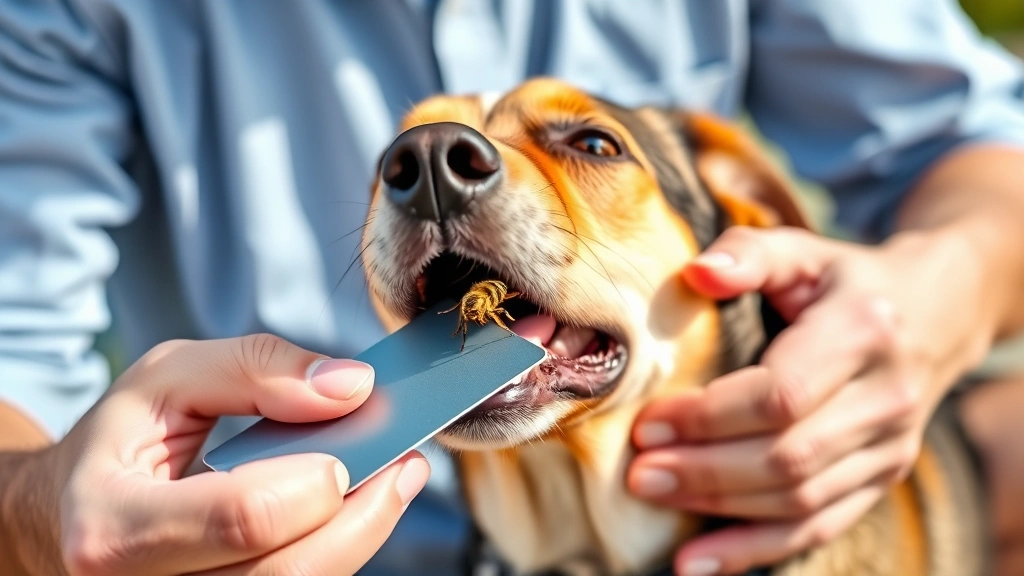
Step 1: Remove the Stinger If you can see the stinger (it looks like a tiny black dot), remove it immediately. Use a flat-edged object like a credit card or dull knife to scrape it off. Don’t pinch it with tweezers, as this can squeeze more venom into your dog’s skin.
Step 2: Clean the Area Gently wash the sting site with cool water and mild soap. This prevents infection and helps your dog feel a bit better.
Step 3: Apply Cold Compress Use an ice pack or a bag of frozen peas wrapped in a towel. Apply it to the sting for 10-15 minutes. Cold reduces swelling and numbs the pain, giving your pup some relief.
Step 4: Monitor for Reactions Watch your dog closely over the next 30 minutes to an hour. Most dogs recover without complications, but some may develop more serious reactions.
Managing Swelling and Discomfort After a Bee Sting
After the initial panic subsides, your focus shifts to comfort. Swelling typically peaks within 24 hours and gradually improves over several days. To help your dog feel better:
Keep the area clean and prevent your dog from licking or scratching it. An Elizabethan collar (the dreaded “cone”) might be necessary if your pup won’t leave it alone. You can apply a baking soda paste (mix baking soda with a little water) to the sting site—it’s a natural anti-inflammatory that many dogs tolerate well.
If your vet approves, you might give your dog an antihistamine like Benadryl to reduce itching and swelling. Never give medication without veterinary guidance, as dosing depends on your dog’s weight and health status. For pain relief, your vet might recommend a pet-safe pain reliever, but over-the-counter human medications can be dangerous for dogs.
When a Dog Bee Sting Becomes an Emergency
Most bee stings are minor inconveniences, but some situations demand immediate veterinary attention. Call your vet or visit an emergency clinic if you notice any of these signs:
Anaphylaxis Symptoms: Some dogs are allergic to bee venom and can experience a severe allergic reaction. Watch for difficulty breathing, severe swelling of the face or throat, weakness, collapse, or pale gums. These are life-threatening emergencies requiring immediate treatment.
Multiple Stings: If your dog got stung multiple times (say, they disturbed a hive), the cumulative venom dose could be dangerous. More than 10-15 stings can be toxic even in non-allergic dogs.
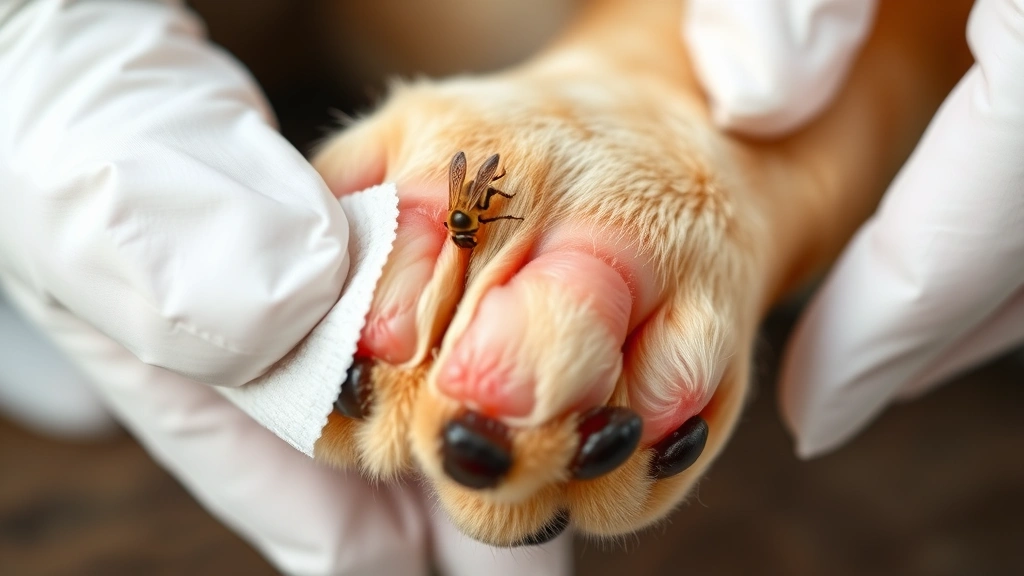
Mouth or Throat Stings: A sting inside the mouth or throat is particularly concerning because swelling can block the airway. Even if your dog seems okay initially, swelling can worsen over several hours.
Signs of Infection: If the sting site becomes increasingly red, warm, swollen, or starts oozing pus days after the sting, infection has set in. Your vet can prescribe antibiotics to clear it up.
If you’re ever uncertain, it’s better to err on the side of caution. Contact your telehealth vet appointments service for quick guidance, or call your emergency veterinary clinic. They can assess your dog’s symptoms and advise whether an in-person visit is necessary.
Recognizing Allergic Reactions to Bee Stings
Just like humans, some dogs have bee sting allergies. A dog bee sting allergy can manifest as a mild reaction (excessive itching and swelling) or a severe one (anaphylaxis). Signs of an allergic reaction include:
Hives or rash spreading across the body, severe facial swelling, vomiting or diarrhea, difficulty breathing or wheezing, excessive drooling, lethargy, or collapse. If your dog has had an allergic reaction to a bee sting before, inform your vet immediately. They might recommend carrying an epinephrine auto-injector (similar to an EpiPen) for future incidents, especially if your dog spends a lot of time outdoors.
Prevention: Keeping Your Dog Safe from Bees
The best cure is prevention. While you can’t eliminate all bees from your yard, you can reduce the risk:
Avoid Peak Bee Activity: Bees are most active during warm, sunny days, especially in early morning and late afternoon. Keep your dog indoors or supervised during these times.
Remove Attractants: Don’t leave food, garbage, or sweet drinks outside. Bees are attracted to sugary substances and food scraps. Keep your trash cans secure and clean up after picnics immediately.
Eliminate Nesting Sites: Remove standing water, seal holes in trees or structures, and avoid planting bee-attracting flowers like lavender or clover if you want to minimize bee presence in your yard.
Train Your Dog: Teach your dog to leave insects alone. A solid “leave it” command can save your pup from a painful encounter. Some dogs are naturally curious about flying insects, so extra training might be necessary.
Supervise Outdoor Time: Even the best-trained dog can’t resist a buzzing bee sometimes. Keep a close eye on your pup when they’re outside, especially near flowering plants or gardens.
What Your Vet Might Do for a Bee Sting
If you bring your dog to the vet for a bee sting, they’ll perform a physical examination and ask about the incident. For most cases, treatment is supportive care—the same first aid you’d provide at home. Your vet might:
Administer antihistamines or corticosteroids to reduce swelling and itching, prescribe pain medication if your dog is particularly uncomfortable, apply topical treatments to soothe the area, or recommend preventative measures for the future. For severe allergic reactions, your vet will have epinephrine on hand and can administer it immediately. They might also keep your dog for observation to monitor for complications.
If you notice your dog’s condition worsening or you’re unsure whether to seek professional help, the Pet Poison Hotline is an excellent resource. While bee stings aren’t technically “poisoning,” the hotline staff can provide expert guidance on whether your dog’s symptoms warrant a vet visit.
Bee Sting Complications You Should Know About
While rare, some complications can arise from a bee sting. Secondary infections are the most common—if your dog scratches or licks the sting excessively, bacteria can enter the wound. This leads to abscess formation, which requires antibiotics or drainage. Cellulitis (spreading skin infection) is another possibility, characterized by increasing redness and warmth around the sting site.
In very rare cases, a dog bee sting can trigger a systemic reaction affecting multiple organ systems. This is more likely if your dog was stung multiple times or has a severe allergy. Symptoms include fever, lethargy, vomiting, or difficulty urinating. These require immediate veterinary intervention.
Special Considerations for Puppies and Senior Dogs
Puppies and senior dogs may have different responses to bee stings. Puppies have developing immune systems, so they might overreact to a sting or, conversely, show minimal symptoms. Senior dogs might have underlying health conditions that complicate their response to venom. Always inform your vet about your dog’s age and any existing health issues when discussing a bee sting incident.
For senior dogs with arthritis or mobility issues, preventing bee stings is especially important since they can’t move quickly to escape bees. Keep them in screened areas and avoid outdoor time during peak bee activity. If your senior dog has experienced a severe allergic reaction before, discuss preventative measures with your vet before the next stinging season arrives.
Frequently Asked Questions
Can a dog die from a bee sting?
Death from a bee sting is extremely rare in dogs. However, severe allergic reactions or multiple stings (50+) can be life-threatening. Dogs with anaphylaxis symptoms need emergency treatment immediately. Most dogs recover completely from a single bee sting with minor discomfort.
How long does a dog bee sting take to heal?
Most bee stings resolve within 24-48 hours. Swelling typically peaks within the first 24 hours and gradually subsides. Complete healing usually occurs within 3-7 days. If swelling or redness persists beyond a week, contact your vet as infection might be present.
Is Benadryl safe for dogs with bee stings?
Benadryl (diphenhydramine) can be used for bee stings in dogs, but only with veterinary approval. The correct dose depends on your dog’s weight. Never give human medications without professional guidance. Your vet can recommend appropriate dosing or suggest alternative antihistamines better suited to your dog’s needs.
What should I do if my dog was stung in the mouth?
Mouth and throat stings are potentially serious because swelling can obstruct the airway. Remove any visible stinger, offer ice chips (if your dog will tolerate them), and monitor closely for difficulty breathing or excessive drooling. Contact your vet or emergency clinic immediately—don’t wait to see if symptoms develop. These stings often require professional evaluation.
Can I use essential oils or home remedies for a bee sting?
Stick to proven remedies like baking soda paste, cold compresses, and mild soap and water. Some essential oils are toxic to dogs, and unproven remedies might delay necessary treatment. Always consult your vet before applying anything topical to your dog’s skin. When in doubt, reach out to your online vet advice service for guidance on safe home treatments.
Should I take my dog to the vet for every bee sting?
Not every bee sting requires a vet visit. Minor stings with mild swelling can be managed at home. However, visit your vet if: your dog shows signs of an allergic reaction, the sting is in the mouth or throat, your dog was stung multiple times, swelling doesn’t improve within 24 hours, or you notice signs of infection. When uncertain, it’s better to seek professional advice.
Summary: Staying Prepared for Bee Sting Season
A dog bee sting is usually a minor incident that resolves with basic first aid and time. The key is knowing how to respond calmly, recognizing when professional help is needed, and taking preventative steps to reduce the likelihood of stings in the first place. Most dogs will encounter a bee at some point in their lives, but with proper preparation, you can handle it like a pro.
Keep your vet’s contact information readily available, learn the signs of allergic reactions, and practice prevention strategies year-round. If your dog does get stung, remove the stinger, apply cold, and monitor closely. For severe reactions or stings in sensitive areas, don’t hesitate to contact your vet or the Emergency Food Poisoning Telehealth service for immediate guidance. Your quick thinking and knowledge could make all the difference in your dog’s comfort and safety.





