
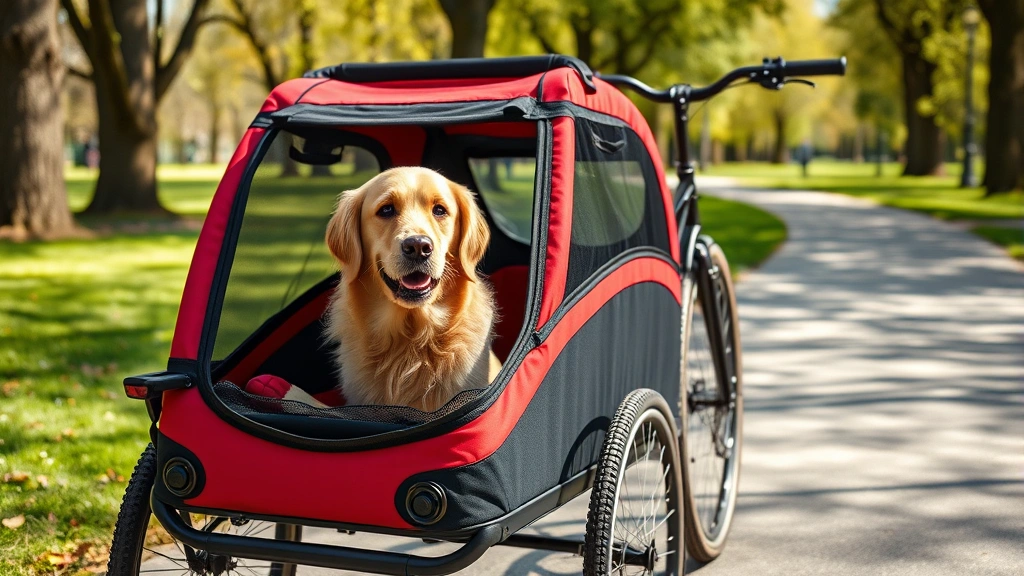
A dog bike trailer is basically a genius invention that lets you take your furry friend on cycling adventures without worrying they’ll chase a squirrel into traffic or collapse from exhaustion after 50 feet. Whether you’ve got a senior pup, a tiny breed, or just a dog who’d rather ride than run, these trailers are game-changers for active pet parents.
Table of Contents
- What Exactly Is a Dog Bike Trailer?
- Why Your Dog Needs a Pet Bike Trailer
- Key Features to Look for in a Dog Bike Trailer
- Size and Weight Capacity Considerations
- Suspension and Comfort Features
- Safety Features That Matter
- Best Dog Bike Trailers on the Market
- Training Your Dog to Love the Trailer
- Weather Considerations and Seasonal Use
- Maintenance and Care Tips
- Budget-Friendly Options vs. Premium Models
- Common Mistakes to Avoid
- Making the Most of Your Bike Adventures
- Conclusion
- Frequently Asked Questions
What Exactly Is a Dog Bike Trailer?
Think of a dog bike trailer as a miniature chariot for your pooch. It’s a wheeled carrier that attaches to your bicycle, allowing your dog to ride along while you pedal. The trailer sits low to the ground, has suspension systems to smooth out bumps, and features ventilation so your pup stays cool and comfortable. It’s the perfect solution for dogs who can’t keep up with your cycling pace or need a break from the pavement.
Why Your Dog Needs a Pet Bike Trailer
Not all dogs are marathon runners. Some are too young, too old, too small, or just too lazy to handle long bike rides. A dog bike trailer solves this problem beautifully. You get your exercise, your dog gets fresh air and adventure, and nobody’s miserable. Plus, it’s safer than having your dog run alongside your bike—no leash tangles, no sudden lunges, and no paws on hot asphalt. According to the American Kennel Club, exercise should be tailored to your dog’s age, breed, and health status, which is exactly what a trailer allows you to do.
Key Features to Look for in a Dog Bike Trailer
When shopping for a dog bike trailer, focus on these essentials: a sturdy frame that can handle your dog’s weight, good suspension to absorb shocks, proper ventilation for airflow, reflectors and lights for visibility, and a secure attachment mechanism. You’ll also want weather protection—some trailers have rain covers, which is clutch during unexpected downpours. The best trailers have comfortable padding inside and enough space for your dog to stand, turn around, and lie down.
Size and Weight Capacity Considerations
Dog bike trailers come in various sizes, typically accommodating dogs from 10 to 100 pounds. Measure your dog and check the trailer’s weight capacity before purchasing. A trailer rated for 50 pounds shouldn’t carry a 60-pound Lab—that’s asking for trouble. Most quality trailers have weight limits clearly marked, and it’s important to respect them. Also consider your bike’s frame and your own strength; heavier trailers require more effort to pedal and maneuver.
Suspension and Comfort Features
A good suspension system is what separates a bumpy nightmare from a smooth ride. Look for trailers with independent wheel suspension, which keeps your dog stable even on rough terrain. Padded interiors with orthopedic foam are especially important for senior dogs or those with joint issues. Some premium models even have shock-absorbing technology that rivals luxury cars. Your dog’s comfort directly impacts how much they’ll enjoy these outings.
Safety Features That Matter
Safety isn’t optional—it’s mandatory. Your trailer should have reflective materials on all sides, LED lights for low-light conditions, a sturdy safety tether inside (in case the attachment fails), and proper ventilation to prevent overheating. The attachment to your bike should be rock-solid; wobbly connections are a disaster waiting to happen. Check reviews specifically for attachment reliability because that’s where many cheaper models fail. PetMD emphasizes that pet safety during travel is crucial, and this includes bike trailers.
Best Dog Bike Trailers on the Market
The top contenders include the Burley Kazoo (great for small dogs), the WeeRide Co-Pilot (perfect for mid-sized pups), and the DoggyRide Original (excellent for larger breeds). The Burley offers fantastic suspension and weather protection, the WeeRide is super stable and easy to attach, and the DoggyRide has the highest weight capacity. Each has its strengths, so your choice depends on your dog’s size, your bike type, and your budget. Don’t cheap out on this purchase—your dog’s safety is worth the investment.
Training Your Dog to Love the Trailer
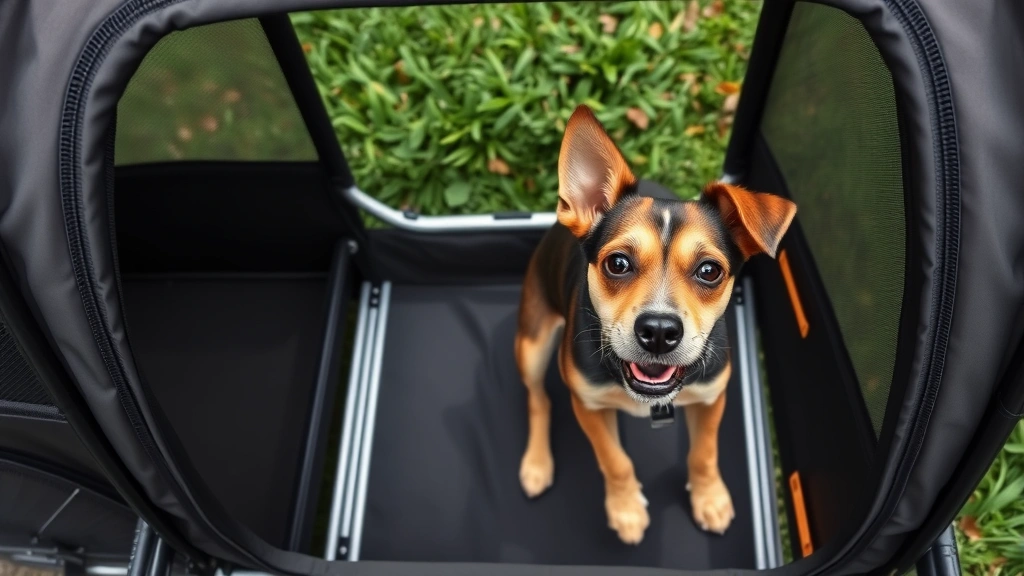
Not every dog immediately embraces trailer life. Start by letting your dog explore the stationary trailer with treats inside. Then take short rides around the neighborhood before attempting longer adventures. Keep initial trips under 20 minutes and gradually increase duration. Some anxious dogs benefit from calming foods for anxious pets before their first rides. Positive reinforcement—treats, praise, and fun destinations—makes your dog associate the trailer with good times.
Weather Considerations and Seasonal Use
Summer rides require extra caution. Never leave your dog in a parked trailer in the sun—it becomes an oven in minutes. Early morning or evening rides are safer during hot months. Winter presents different challenges; ensure your dog stays warm and protected from wind. Rain covers are essential year-round. Check weather conditions before every ride and adjust your plans accordingly. Your dog can’t tell you they’re overheating or freezing, so you need to be proactive.
Maintenance and Care Tips
Keep your trailer clean by wiping it down after muddy rides. Check wheels regularly for debris and proper inflation. Inspect the attachment mechanism frequently to ensure it’s secure. Store the trailer in a dry place to prevent rust and mold growth. If your dog sheds heavily, consider a washable liner inside the trailer. Regular maintenance extends the trailer’s lifespan and keeps your dog safe.
Budget-Friendly Options vs. Premium Models
Budget trailers (under $150) work for occasional use but often lack proper suspension and durability. Mid-range options ($150-400) offer good balance between price and quality. Premium trailers ($400+) provide superior comfort, durability, and features. Think of it as an investment in your dog’s wellbeing and your biking enjoyment. A quality trailer lasts years and handles multiple dogs, making it worth the upfront cost. Check Oregon State University’s research on pet health benefits for motivation on getting outside with your pup.
Common Mistakes to Avoid
Don’t overload the trailer beyond its weight capacity. Don’t ride in extreme heat without proper breaks. Don’t neglect the attachment mechanism—a loose connection is dangerous. Don’t assume all dogs will immediately love the trailer; patience is key. Don’t forget water and snacks for longer rides. Don’t ride on busy streets with heavy traffic; stick to bike paths and quiet roads. These mistakes can turn a fun outing into a disaster, so learn from others’ mishaps.
Making the Most of Your Bike Adventures
Plan routes with your dog in mind—avoid steep hills and rough terrain initially. Pack water, collapsible bowls, and treats. Consider your dog’s energy level and age when planning distance. Take breaks every 30 minutes to let your dog stretch. Use these rides as bonding time and exercise combined. Your dog will love the new sights, sounds, and smells, and you’ll get a great workout. It’s a win-win that strengthens your relationship while keeping both of you healthy. Speaking of health, understanding human food portion sizes for pets helps you avoid overfeeding during snack breaks.
Conclusion
A dog bike trailer opens up a world of adventure for you and your furry companion. Whether your pup is a senior who can’t run anymore, a tiny breed who’d get lost in tall grass, or just a dog who prefers riding to running, there’s a trailer perfect for your situation. Invest in quality, prioritize safety, and introduce your dog gradually to trailer life. With the right trailer and proper preparation, you’ll create amazing memories while keeping your dog safe, comfortable, and happy. Your next cycling adventure is just a trailer away.
Frequently Asked Questions
Is a dog bike trailer safe for all dog breeds?
Most breeds can use trailers, but puppies under one year and very senior dogs with mobility issues should be evaluated by a vet first. Brachycephalic breeds (like Bulldogs and Pugs) can overheat easily, so they need extra caution. Always consult your veterinarian before starting trailer adventures, especially for dogs with health conditions.
How long can a dog stay in a bike trailer?
Start with 15-20 minute rides and gradually increase to 45-60 minutes as your dog adapts. Longer rides require multiple breaks for water and bathroom needs. Most dogs do fine with 30-45 minute rides several times weekly. Listen to your dog’s cues—excessive panting or whining means it’s time to stop.
Can I use a dog bike trailer in winter?
Yes, but with precautions. Use a rain cover to protect from wind and moisture. Ensure your dog stays warm with proper clothing if needed. Avoid icy conditions that make biking dangerous. Winter riding is possible and enjoyable if you plan appropriately and check weather conditions.
What’s the best age to start using a dog bike trailer?
Wait until your dog is at least one year old for large breeds and 6-8 months for small breeds. Their joints need time to develop before handling trailer rides. Senior dogs can use trailers indefinitely unless they have mobility issues or health problems that make riding uncomfortable.
Do I need special bike equipment to use a dog trailer?
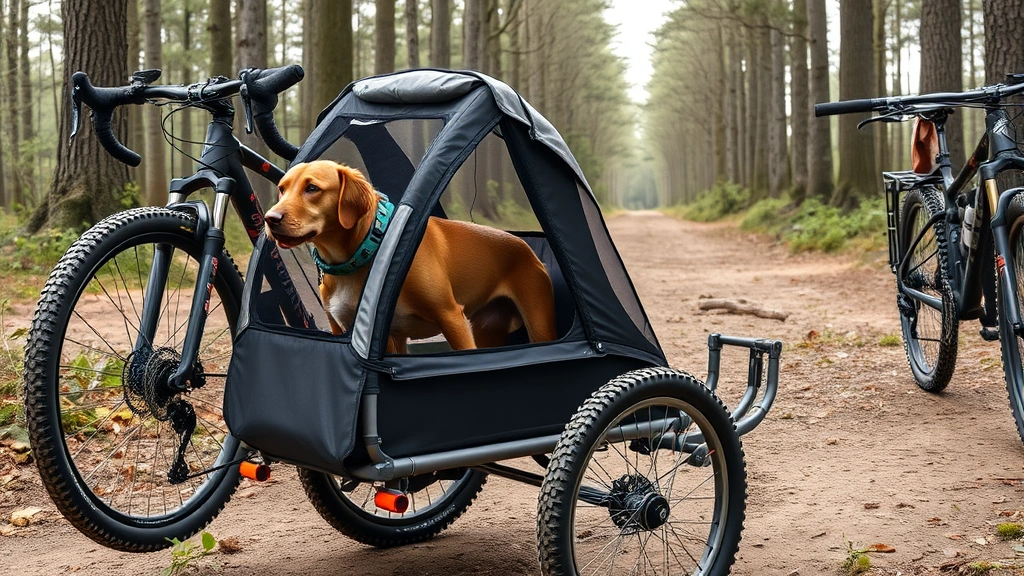
Most trailers attach to standard bikes, but check compatibility before purchasing. You might need a rear rack adapter or different attachment mechanism depending on your bike type. Mountain bikes, road bikes, and hybrids typically work fine, but single-speed bikes or very old models might have compatibility issues.
How much does a quality dog bike trailer cost?
Quality trailers range from $150-600 depending on features, size capacity, and brand. Budget options exist under $150, but they often lack durability and comfort features. Mid-range trailers ($250-400) offer the best value for most pet owners. Premium models cost more but last longer and provide superior comfort for your dog.





