
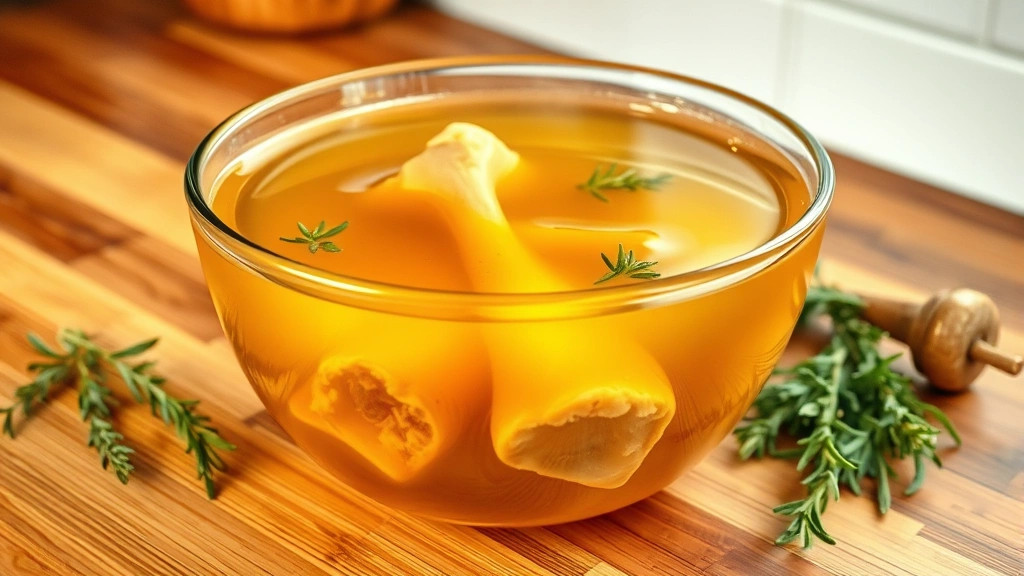
If you’ve been scrolling through pet health forums lately, you’ve probably seen dog bone broth popping up everywhere like it’s the canine equivalent of a miracle elixir. And honestly? There’s some serious science backing up the hype. This golden liquid isn’t just trendy—it’s packed with nutrients that can genuinely transform your pup’s health from the inside out.
Table of Contents
- What Exactly Is Dog Bone Broth?
- Benefit #1: Supports Joint Health and Mobility
- Benefit #2: Improves Gut Health and Digestion
- Benefit #3: Enhances Skin and Coat Quality
- Benefit #4: Boosts Immune Function
- Benefit #5: Supports Healthy Aging and Longevity
- How to Choose or Make Dog Bone Broth
- Dosage and How to Introduce It
- Safety Considerations and When to Check with Your Vet
- Real Results: What Dog Owners Are Seeing
- Frequently Asked Questions
- The Bottom Line
What Exactly Is Dog Bone Broth?
Dog bone broth is basically what it sounds like: a nutrient-dense liquid made by simmering animal bones (usually chicken, beef, or fish) for extended periods—typically 12 to 48 hours. This slow-cooking process breaks down the bones and connective tissues, releasing collagen, amino acids, minerals, and gelatin into the water. Unlike the watered-down broths you might find in the soup aisle, proper bone broth is packed with bioavailable nutrients that your dog’s body can actually absorb and use.
The beauty of bone broth is its simplicity. No fancy ingredients, no weird additives—just bones, water, and time. You can make it at home for pennies or grab pre-made versions from pet suppliers if you’re short on kitchen time.
Benefit #1: Supports Joint Health and Mobility
Here’s where dog bone broth really shines for aging pups and active breeds. The collagen and gelatin in bone broth contain amino acids like glycine and proline, which are essential building blocks for cartilage and joint tissue. Think of it as internal lubrication for your dog’s joints.
Studies have shown that collagen supplementation can help reduce joint inflammation and improve mobility in dogs with arthritis or joint issues. If your senior dog is moving a bit slower these days or your athletic breed needs extra joint support, bone broth can be a game-changer. Many vets recommend it as a natural complement to other joint care strategies.
Benefit #2: Improves Gut Health and Digestion
Your dog’s digestive health is the foundation of everything else—immunity, energy levels, coat quality, you name it. Dog bone broth contains glutamine, an amino acid that helps seal and repair the gut lining. This is especially beneficial for dogs with sensitive stomachs or inflammatory digestive issues.
The gelatin in bone broth also acts as a prebiotic, feeding the beneficial bacteria in your dog’s gut microbiome. A healthier gut means better nutrient absorption, fewer digestive upset episodes, and overall improved wellness. If you’ve got a pup with a finicky stomach, check out our guide on human foods for pets with sensitive stomachs to see how bone broth fits into a comprehensive digestive support plan.
Benefit #3: Enhances Skin and Coat Quality
Want your dog’s coat to look like they just walked out of a grooming salon? The collagen and amino acids in dog bone broth are exactly what your pup needs. Collagen is literally the protein that keeps skin elastic and fur lustrous. When your dog consumes bone broth regularly, you’re giving their body the raw materials to build healthier skin and shinier fur from within.
Dogs with dry, itchy skin or dull coats often show noticeable improvement within 4-6 weeks of adding bone broth to their diet. For more comprehensive coat care strategies, our article on skin and coat health foods dives deeper into nutrition for external radiance.
Benefit #4: Boosts Immune Function
The minerals and amino acids in bone broth—including zinc, iron, and selenium—are crucial for a robust immune system. These nutrients support the production and function of white blood cells, which are your dog’s first line of defense against illness and infection.
Additionally, bone broth contains compounds that promote healthy inflammation response, helping your dog’s body manage stress and recover from illness more effectively. For dogs that seem to catch every bug going around, adding immune-boosting bone broth to their routine can make a real difference. Learn more about comprehensive immune support in our piece on immune boosting foods for pets.
Benefit #5: Supports Healthy Aging and Longevity
All those benefits combined—joint support, digestive health, immune function, and nutrient density—add up to one thing: helping your dog age gracefully. The antioxidants and amino acids in bone broth help combat cellular aging and support organ function as your pup enters their senior years.
Regular consumption of dog bone broth can help maintain muscle mass, keep joints flexible, and support cognitive function in aging dogs. It’s like giving your senior pup a daily health insurance policy.
How to Choose or Make Dog Bone Broth
If you’re the DIY type, making bone broth at home is straightforward. Grab some bones from your butcher (chicken necks, beef knuckles, or fish heads all work), dump them in a pot with water, add a splash of apple cider vinegar to help extract minerals, and let it simmer for 12-48 hours. Strain, cool, and you’ve got liquid gold.
If cooking isn’t your jam, plenty of reputable pet brands now offer freeze-dried or liquid bone broth specifically formulated for dogs. Just make sure you’re buying from companies that use human-grade ingredients and don’t add weird fillers or sodium.
Dosage and How to Introduce It
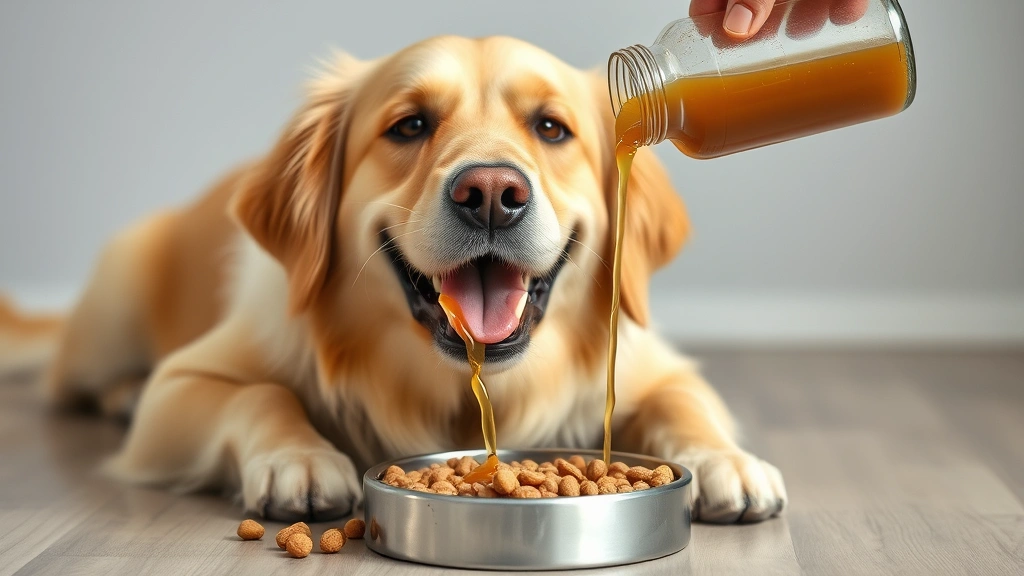
Start small—a teaspoon or tablespoon mixed into your dog’s regular food is plenty for beginners. Gradually increase over a week or two to avoid digestive upset. Most dogs do well with 1-4 ounces daily, depending on size. Think of it as a supplement, not a meal replacement.
When introducing any new food, patience is key. Check out our guide on pet diet transition advice for a detailed roadmap on safely adding new foods to your pup’s routine.
Safety Considerations and When to Check with Your Vet
Dog bone broth is generally safe for most pups, but there are a few caveats. Make sure your broth doesn’t contain onions, garlic, or excessive salt—these can be harmful to dogs. If your dog has specific health conditions like kidney disease or is on a special diet, chat with your vet before adding bone broth regularly.
Some dogs with pancreatitis may need to avoid high-fat broths, so it’s worth having that conversation. If you’re unsure whether bone broth is right for your individual pup, our virtual vet consultation for diet questions can connect you with a professional who knows your dog’s health history.
Real Results: What Dog Owners Are Seeing
Anecdotal evidence from dog owners is pretty compelling. People report seeing improvements in their dogs’ energy levels, coat quality, and joint mobility within weeks of adding bone broth to their routine. Senior dogs seem to benefit most, with owners noting increased activity and better appetite.
Of course, individual results vary, and bone broth works best as part of a comprehensive approach to canine health—good nutrition, exercise, regular vet checkups, and lots of love.

Frequently Asked Questions
Can I give my dog bone broth every day?
Yes, most dogs can safely consume bone broth daily. Start with small amounts and gradually increase to 1-4 ounces per day depending on your dog’s size. Monitor your pup for any digestive changes and adjust as needed.
Is homemade bone broth better than store-bought?
Homemade allows you complete control over ingredients, which is a major plus. However, quality store-bought options from reputable pet brands are also excellent if you don’t have time to simmer bones for hours. Look for products with minimal ingredients and no added sodium or fillers.
Can puppies have bone broth?
Puppies can have bone broth in small amounts, but they’re already getting excellent nutrition from quality puppy food. If you want to add it, use tiny portions and ensure the broth has no bones or sharp fragments that could cause choking.
What if my dog has allergies or sensitivities?
If your dog has food allergies, stick with bone broth made from proteins they tolerate well. For instance, if your pup is chicken-sensitive, use beef or fish bones instead. Always introduce slowly and watch for any adverse reactions.
How long does bone broth last in the fridge?
Properly stored bone broth keeps in the refrigerator for about 5 days. For longer storage, freeze it in ice cube trays for convenient portioning, and it’ll last 3-6 months in the freezer.
Is bone broth expensive?
Homemade bone broth is incredibly cheap—often just a few dollars per batch. Pre-made options vary in price, but quality products typically cost $20-40 per container, which lasts several weeks depending on dosage.
The Bottom Line
Dog bone broth is one of those rare supplements that actually lives up to the hype. It’s nutrient-dense, natural, and backed by solid science. Whether you’re looking to support aging joints, heal a sensitive gut, or just give your pup an extra health boost, bone broth deserves a spot in your dog care arsenal.
The best part? It’s simple, affordable, and something you can start using today. Your dog’s body will thank you for the collagen, amino acids, and minerals that bone broth provides. So go ahead—simmer those bones, and watch your furry friend thrive.





