
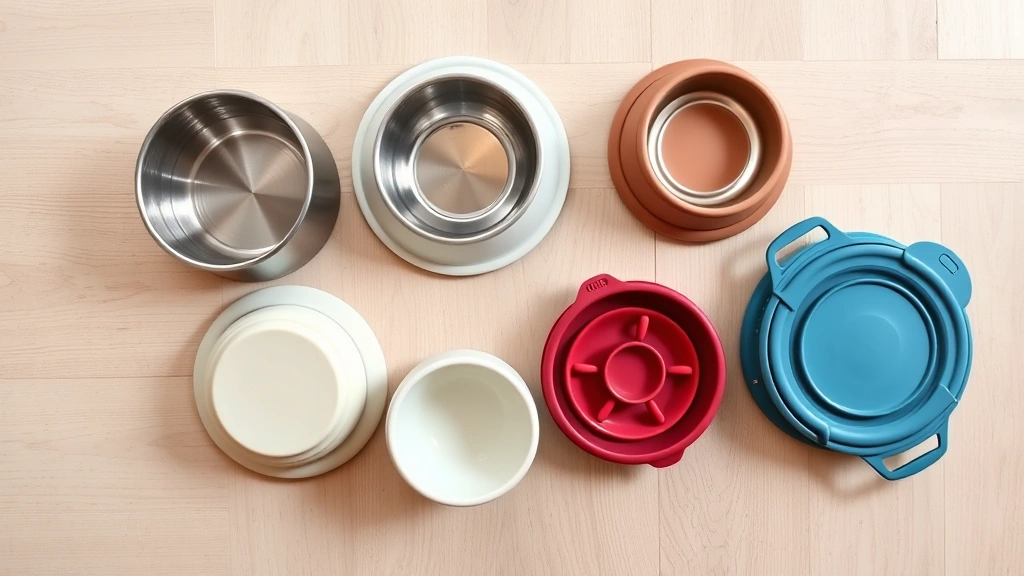
Let’s be real—your pup spends a shocking amount of time staring at their food bowl. Whether they’re demolishing kibble like it’s going out of style or sipping water between zoomies, choosing the right dog bowls dog owners actually recommend matters more than you’d think. A quality bowl isn’t just about aesthetics (though we all want Instagram-worthy pet gear). It’s about your dog’s health, safety, and mealtime happiness.
Table of Contents
- Why the Right Dog Bowls Matter More Than You Think
- Stainless Steel Bowls: The Reliable Workhorse
- Ceramic and Glazed Bowls: Style Meets Function
- Elevated Feeders: Ergonomic Excellence
- Slow-Feeder Bowls: Perfect for Speed Eaters
- Collapsible and Travel Bowls: For the Adventurous Pup
- Automatic Water Bowls: Tech-Forward Hydration
- Material Matters: Avoiding the Toxic Trap
- Size and Breed Considerations
- Cleaning and Maintenance Tips
- The 5 Best Dog Bowls for 2024
- Budget-Friendly vs. Premium: Finding Your Sweet Spot
- Eco-Conscious Choices for Sustainable Feeding
- Common Dog Bowl Mistakes to Avoid
- Frequently Asked Questions
- Conclusion: Invest in Your Dog’s Dining Experience
Why the Right Dog Bowls Matter More Than You Think
Your dog’s bowl is basically their dining table, and it deserves serious consideration. The wrong bowl can lead to messy eating, water splashing everywhere, and even health issues like bloat or neck strain. According to the American Kennel Club, elevated feeding stations and properly sized bowls can actually improve digestion and reduce strain on joints—especially for larger breeds and senior dogs.
Think about it: if you had to eat off a bowl on the floor every single day, you’d probably complain too. Dogs can’t talk, but their behavior tells us plenty about whether they’re comfortable during meals.
Stainless Steel Bowls: The Reliable Workhorse
Stainless steel dog bowls are the Toyota Camry of pet feeding—reliable, durable, and they’ll outlast your dog’s enthusiasm for squeaky toys. These bad boys are virtually indestructible, dishwasher safe, and won’t harbor bacteria like plastic can. Plus, they don’t retain flavors or odors, so your pup gets a fresh-tasting meal every time.
The downside? They can be noisy (your dog might sound like they’re performing a metal drum solo), and they don’t come with fancy features. But if you want something that’ll last through multiple dogs without breaking a sweat, stainless steel is your answer. Many vets recommend stainless steel for pups with sensitive stomachs since they’re non-reactive and easy to keep sanitary.
Ceramic and Glazed Bowls: Style Meets Function
Want your dog’s dining area to look less “kennel” and more “cozy kitchen corner”? Ceramic bowls are gorgeous and come in endless designs. They’re heavier than stainless steel, so less likely to slide around during enthusiastic eating sessions. Quality ceramic is also non-porous and easy to clean.
Here’s the catch: ceramic can chip or crack if dropped (and let’s face it, accidents happen), and you need to verify the glaze is food-safe and lead-free. Look for bowls specifically labeled as pet-safe. When shopping for dog bowls dog owners love, ceramic options from reputable manufacturers are worth the investment if you value both function and aesthetics.
Elevated Feeders: Ergonomic Excellence
Elevated feeders raise your dog’s bowl to a more natural eating height, reducing strain on their neck, spine, and joints. This is especially important for large breeds, senior dogs, or pups with arthritis. Think of it like upgrading from eating at a coffee table to eating at an actual dining table—it’s just more comfortable.
Many elevated feeders come with two bowls (one for food, one for water), making them space-efficient. Some even have adjustable heights as your puppy grows. If your dog has joint concerns or you’re looking to prevent future issues, an elevated feeder is worth every penny. Check out our guide on foods for joint health in pets to complement your feeder setup.
Slow-Feeder Bowls: Perfect for Speed Eaters
Does your dog inhale their food like they’re competing in an eating contest? Slow-feeder bowls feature ridges, bumps, or maze-like patterns that force your pup to eat more slowly. This isn’t just about manners—it actually prevents bloat, reduces digestive issues, and makes meals last longer (which means more contentment for your dog).
These dog bowls are game-changers for competitive eaters or dogs prone to gulping. They come in various materials (plastic, stainless steel, ceramic) and designs. Some dogs initially resist the change, but most adapt quickly once they realize food is still food, just slower.
Collapsible and Travel Bowls: For the Adventurous Pup
Road trip with your furry friend? Collapsible silicone bowls are lightweight, packable, and surprisingly durable. They fold flat, taking up minimal space in your car or backpack. Perfect for hiking, camping, or visits to the dog park where you want to offer water without hauling a full-sized bowl.
These aren’t meant to replace your home bowls—they’re supplementary gear for active dogs. Quality silicone is non-toxic and easy to clean, though you’ll want to inspect regularly for damage. They’re affordable too, so keeping one in your car is smart.
Automatic Water Bowls: Tech-Forward Hydration
Some dogs just won’t drink enough water, and others love playing in their bowl (turning it into a splash pad). Automatic water bowls keep water fresh and circulating, encouraging more drinking. They’re especially useful for dogs with dental issues or those prone to dehydration.
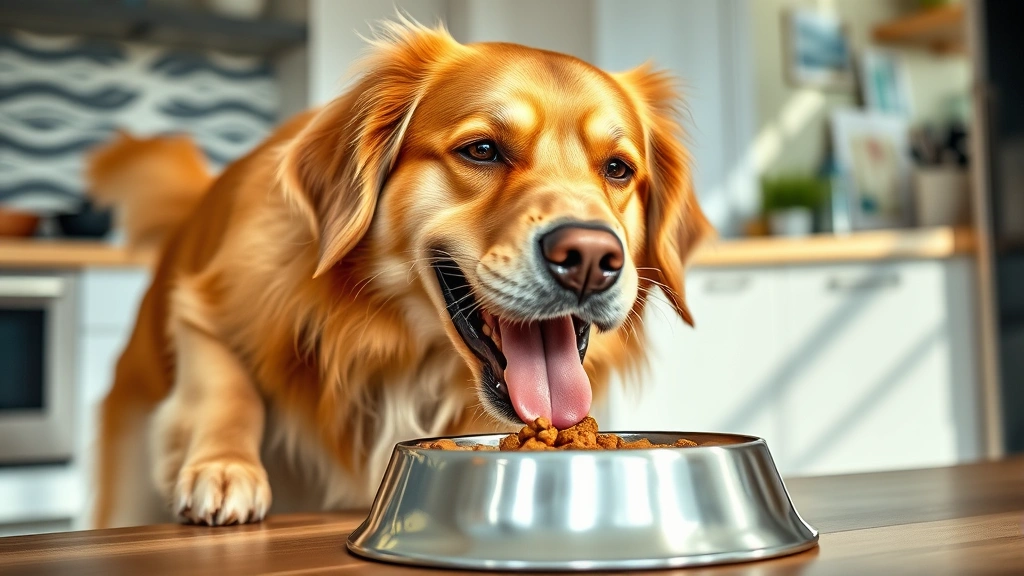
The investment is higher, and they require electricity or battery power, but for health-conscious pet parents, they’re worth considering. Our pet nutrition advice article covers hydration importance in detail.
Material Matters: Avoiding the Toxic Trap
Not all bowl materials are created equal. Cheap plastic can leach chemicals and harbor bacteria in microscopic scratches. Some ceramics contain lead in their glaze. This is why choosing quality dog bowls dog vets actually recommend is crucial for your pup’s long-term health.
According to PetMD, stainless steel and food-grade ceramic are safest choices. Avoid bowls with BPA or phthalates, and always check for certifications. Your dog’s health is worth spending a few extra dollars on quality bowls.
Size and Breed Considerations
A Chihuahua needs a different bowl than a Great Dane. Bowl size affects eating comfort, portion visibility, and even digestion. Small dogs need shallow, narrow bowls they can eat from without their ears dragging through food. Large dogs benefit from wider, deeper bowls and elevated feeders.
Measure your dog’s muzzle width and consider their eating style. Some dogs are dainty; others are enthusiastic messers. The right bowl size prevents food from spilling everywhere and makes cleanup easier. When selecting dog bowls for your specific pup, breed and size are your starting points.
Cleaning and Maintenance Tips
Even the best bowl is only as good as its hygiene. Wash bowls daily with hot, soapy water (or toss them in the dishwasher if they’re dishwasher-safe). Food residue harbors bacteria that can cause digestive upset or infections. Stainless steel is easiest to keep clean, while ceramic might need occasional scrubbing to remove stains.
Replace bowls if they become cracked, chipped, or discolored. A damaged bowl is a bacteria breeding ground. Consider keeping backup bowls so one can be washed while your dog eats from another.
The 5 Best Dog Bowls for 2024
1. Stainless Steel with Non-Slip Base: Durable, affordable, and vet-approved. Perfect for everyday feeding and water bowls. Brands like OurPets and Neater Pet Brands offer excellent options.
2. Elevated Double Feeder: Combines style with ergonomic benefits. Great for large breeds and senior dogs. Adjustable heights make them grow with your puppy.
3. Slow-Feeder Maze Bowl: Ideal for speed eaters and dogs prone to bloat. Available in multiple materials and designs. Your vet will love that you’re taking this seriously.
4. Ceramic Artisan Bowl: For the aesthetically-minded pet parent who refuses to sacrifice style. Choose from reputable manufacturers with food-safe glazes. Pair with bamboo pet products for an eco-friendly feeding station.
5. Collapsible Travel Bowl Set: Essential for active dogs and road-tripping pups. Lightweight, packable, and surprisingly durable. Keep one in your car, one in your backpack, one in your bag.
Budget-Friendly vs. Premium: Finding Your Sweet Spot
You don’t need to spend a fortune on dog bowls dog owners recommend, but you shouldn’t cheap out either. A quality stainless steel bowl costs $10-20 and lasts years. A fancy ceramic set might run $30-50. Elevated feeders range from $40-150 depending on features.
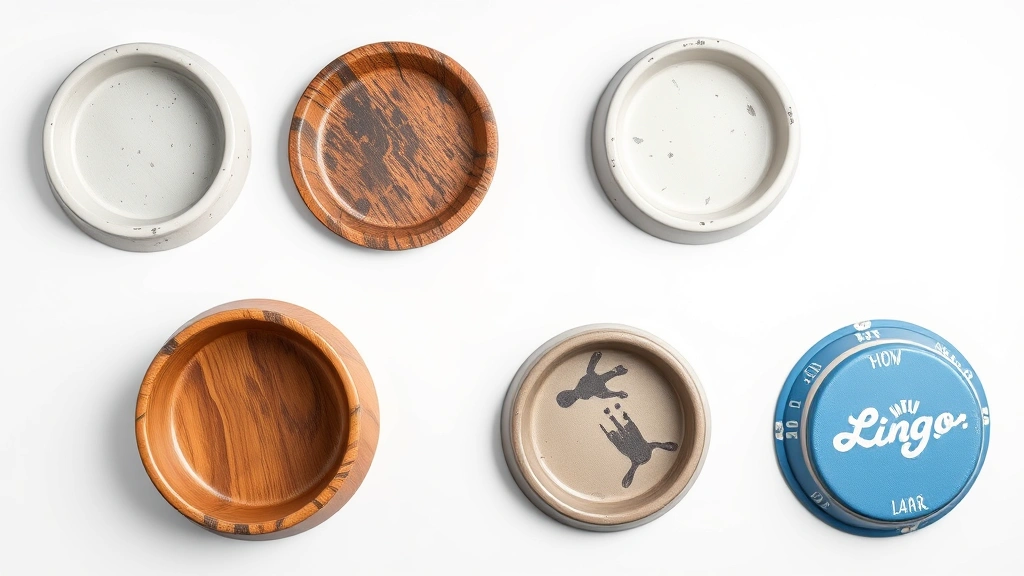
Consider your dog’s age, health, eating habits, and lifestyle. A young, healthy dog with normal eating habits can do fine with basic stainless steel bowls. A senior with joint issues or a speed-eating enthusiast deserves a more specialized setup. Budget accordingly—your dog’s health is an investment that pays dividends.
Eco-Conscious Choices for Sustainable Feeding
If you care about the planet (and your dog, naturally), look for eco-friendly bowl options. Bamboo bowls are sustainable and stylish, though they require more care than stainless steel. Recycled materials and sustainably-sourced ceramics are increasingly available. Some companies even offer compostable options for responsible pet parents.
Common Dog Bowl Mistakes to Avoid
Don’t leave water bowls down 24/7 without monitoring—some dogs drink excessively. Don’t use bowls with chipped or cracked surfaces. Don’t forget to wash bowls daily. Don’t assume all “pet-safe” labels are legitimate—research brands. Don’t ignore signs of digestive upset that might relate to bowl material or feeding position. And don’t let your dog eat from dirty bowls—cleanliness is non-negotiable.
Frequently Asked Questions
What size bowl does my dog need?
Measure your dog’s muzzle width and add about an inch. The bowl should be wide enough for comfortable eating without their face scraping the sides. Depth depends on your dog’s eating style—some prefer shallow bowls, others do better with deeper ones. As a rule, small dogs (under 20 lbs) typically need 1-2 cup bowls, medium dogs (20-60 lbs) need 2-3 cup bowls, and large dogs (over 60 lbs) need 4+ cup bowls.
Are plastic bowls bad for dogs?
Low-quality plastic can leach chemicals and harbor bacteria in scratches. However, high-quality, BPA-free plastic bowls are safer. That said, stainless steel and ceramic are generally better choices. If you do use plastic, inspect regularly for damage and replace frequently.
Should I use elevated feeders for all dogs?
Elevated feeders are especially beneficial for large breeds, senior dogs, and pups with joint issues or arthritis. However, they’re not necessary for all dogs. Some small breeds actually prefer eating from floor-level bowls. Observe your dog’s comfort during meals and adjust accordingly.
How often should I replace my dog’s bowls?
Stainless steel bowls can last years if well-maintained. Ceramic might need replacement if chipped or cracked. Plastic bowls should be replaced every 6-12 months due to scratches and bacterial growth. Inspect bowls regularly and replace immediately if damaged.
Can I use human dishes for my dog?
In a pinch, yes—but dedicated pet bowls are better. They’re designed for your dog’s safety and comfort. Human dishes might have harmful glazes or chemicals, and they’re not ergonomically designed for pet feeding.
What’s the best material for dog bowls?
Stainless steel is the most durable and vet-recommended. Food-grade ceramic is also excellent if you verify it’s lead-free. Avoid low-quality plastic. Each material has pros and cons, so choose based on your dog’s needs and your lifestyle.
Conclusion: Invest in Your Dog’s Dining Experience
Your dog deserves a quality eating experience, and choosing the right dog bowls dog owners and vets actually trust is an easy way to show you care. Whether you opt for simple stainless steel, stylish ceramic, ergonomic elevated feeders, or specialized slow-feeders, the key is prioritizing your pup’s health and comfort.
Consider your dog’s age, size, eating habits, and any health concerns. Don’t skimp on quality—cheap bowls can harbor bacteria and potentially leach harmful chemicals. Wash bowls daily, replace them when damaged, and monitor your dog’s eating habits. The small investment in quality bowls pays dividends in your dog’s health, happiness, and mealtime contentment.
Your dog can’t tell you if their bowl is uncomfortable or if they’re concerned about the material—but they show you through their behavior. Watch how they eat, observe their digestive health, and adjust as needed. A happy dog is a well-fed dog, and that starts with the right bowl.





