
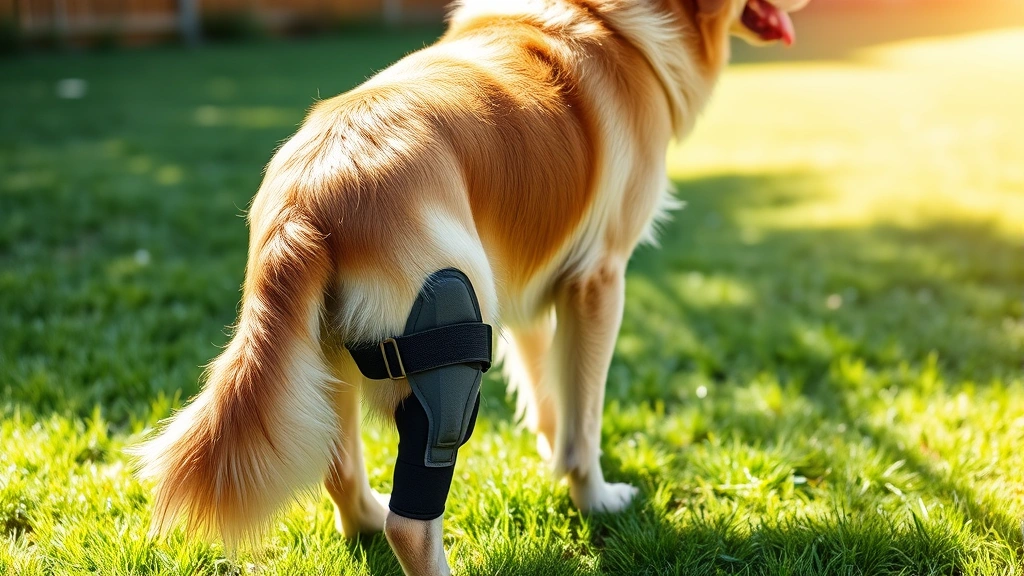
If your furry best friend is limping around like they’ve just lost a three-legged race, dog braces might be the game-changer your pup needs. Whether your dog is recovering from surgery, dealing with arthritis, or has a ligament injury that’s making them move like a rusty robot, leg braces for dogs offer real support and relief. Let’s dive into everything you need to know about canine orthopedic support and how these nifty devices can get your four-legged friend back to their tail-wagging self.
Table of Contents
- What Are Dog Braces and Why Your Pup Might Need Them
- Types of Canine Leg Braces and Support Systems
- ACL Injuries and Dog Braces: The Perfect Match
- Arthritis Support: Keeping Senior Dogs Comfortable
- Fitting Your Dog for Braces: The Goldilocks Principle
- Post-Surgical Recovery: Braces as Part of Your Dog’s Comeback Story
- Materials and Comfort: What Makes a Good Brace
- Common Mistakes Dog Owners Make With Braces
- When to Consider Surgery Instead of Braces
- Nutrition and Joint Health: The Brace’s Best Friend
- Cost Considerations: What to Budget for Dog Braces
- Frequently Asked Questions
- Conclusion: Giving Your Dog the Support They Deserve
What Are Dog Braces and Why Your Pup Might Need Them
Dog braces are orthopedic support devices designed to stabilize, protect, and provide compression to your dog’s joints and limbs. Think of them as the canine equivalent of the ankle brace your cousin wore after that awkward soccer incident, except way cuter and specifically engineered for paws.
Your dog might need dog braces for several reasons: ACL tears (the most common reason), arthritis, hip dysplasia, ligament injuries, post-surgical recovery, or chronic joint problems. If your vet has suggested bracing as part of your dog’s treatment plan, you’re looking at a legitimate medical intervention, not just a fashion statement (though some dogs do look pretty snazzy in them).
The beauty of these devices is that they reduce pain, improve mobility, and can sometimes prevent the need for more invasive surgical procedures. That said, they work best when combined with proper veterinary care, which is why consulting with your vet through telehealth vet appointments can help you get professional guidance on whether bracing is right for your specific dog.
Types of Canine Leg Braces and Support Systems
Not all dog braces are created equal. Your vet might recommend different styles depending on your dog’s specific injury or condition.
Compression Wraps: These are the lightweight, flexible option. They provide gentle compression and warmth, perfect for mild sprains or post-exercise soreness. They’re easy to put on and most dogs tolerate them well.
Rigid Braces: For more serious injuries like ACL tears, rigid braces provide maximum support and immobilization. These bad boys keep the joint stable and prevent unwanted movement that could aggravate the injury.
Hock and Knee Braces: Specifically designed for the hock (ankle) or knee joint, these targeted braces address the most common injury sites in dogs. They’re the workhorses of the dog brace world.
Full-Leg Braces: For comprehensive support from hip to paw, full-leg braces stabilize multiple joints simultaneously. They’re heavier and require more adjustment time, but they’re incredibly effective for severe cases.
Neoprene Sleeves: The comfort option. These stretchy supports provide mild compression and warmth without restricting movement too much. Great for arthritic dogs who need gentle support during their golden years.
ACL Injuries and Dog Braces: The Perfect Match
Let’s talk about the elephant in the room—or rather, the torn ACL in your dog’s knee. The anterior cruciate ligament (ACL) is basically your dog’s stability superhero, and when it tears, your pup’s mobility takes a nosedive.
Here’s the thing: many vets will recommend dog braces as a conservative treatment option before jumping straight to surgery. A quality knee brace can stabilize the joint, reduce pain, and allow your dog to heal naturally. Some dogs recover beautifully with just bracing and rest; others eventually need surgical intervention.
The key is catching the injury early. If your dog suddenly starts limping or refusing to put weight on their hind leg, get them to your vet ASAP. Early intervention with proper bracing can sometimes prevent the injury from getting worse and save you thousands in surgical costs down the road.
Arthritis Support: Keeping Senior Dogs Comfortable
As dogs age, arthritis becomes as common as gray fur and slower walks. Canine arthritis is degenerative and painful, but dog braces combined with proper nutrition can make a world of difference in your senior dog’s quality of life.
Compression braces work particularly well for arthritic joints because they reduce inflammation, improve circulation, and provide stability that arthritic joints desperately need. Many older dogs show immediate improvement in mobility and pain levels once they start wearing a brace.
Pair your dog’s brace with foods for joint health in pets like those rich in omega-3 fatty acids, glucosamine, and chondroitin. This one-two punch of mechanical support and nutritional support can keep your senior pup active and happy for years to come.
Fitting Your Dog for Braces: The Goldilocks Principle
Getting the right fit is absolutely critical. A brace that’s too loose won’t provide support; one that’s too tight can cut off circulation and cause skin irritation. You want it juuust right.
Most quality dog braces come with detailed sizing charts based on your dog’s leg circumference and length. Measure carefully—seriously, get out the measuring tape and do this properly. If you’re ordering online, many reputable companies offer free exchanges if the fit isn’t perfect.
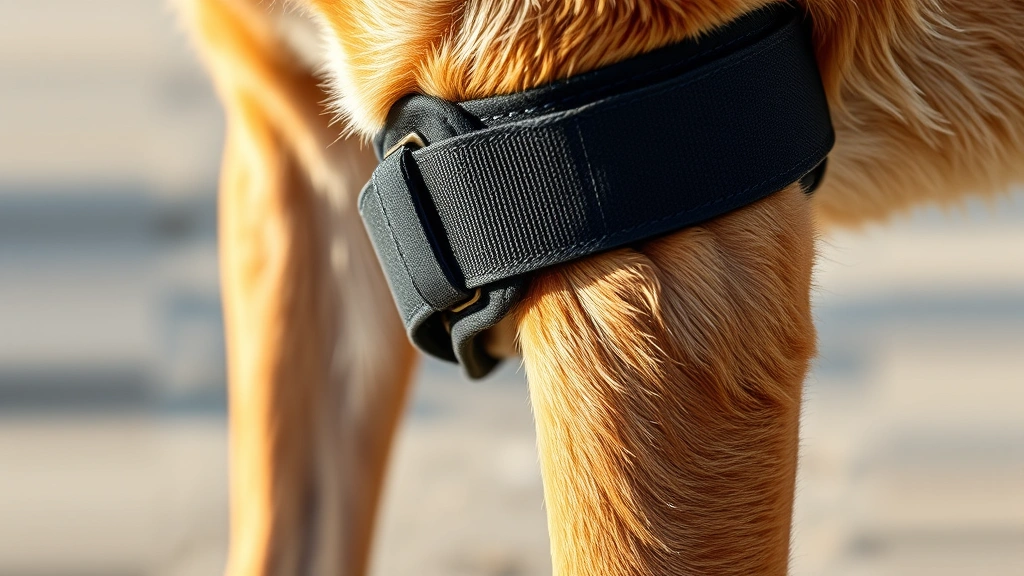
When you first put the brace on your dog, expect some adjustment time. Most dogs need a few days to a week to get used to the sensation. Start with short wearing periods and gradually increase the duration. Your dog might walk funny at first (think of it as their learning phase), but they’ll adjust.
Check the brace regularly for proper fit, especially as your dog heals or gains/loses weight. A brace that fit perfectly last month might be too loose now. Consistency is key to getting the best results.
Post-Surgical Recovery: Braces as Part of Your Dog’s Comeback Story
If your dog has had orthopedic surgery—whether it’s ACL repair, fracture stabilization, or joint surgery—a properly fitted brace is often essential for recovery. Post-surgical dog braces protect the surgical site, prevent re-injury, and support healing tissues.
Your vet will likely have specific recommendations about when to start bracing, how long to wear it, and when to transition away from it. Follow these instructions religiously. This isn’t the time to get creative with your dog’s care plan.
During recovery, your dog needs restricted activity, physical therapy, and careful monitoring. Consider using online pet diagnostics to track your dog’s progress and get professional feedback on how recovery is progressing. Your vet can monitor healing without requiring multiple in-person visits.
Materials and Comfort: What Makes a Good Brace
The best dog braces are made from breathable, durable materials that won’t irritate your dog’s skin. Look for neoprene, mesh panels, and moisture-wicking fabrics that keep your dog comfortable during extended wear.
Padding is essential—nobody wants pressure points and skin breakdown. Quality braces have strategically placed padding that distributes pressure evenly without creating hot spots.
Closures matter too. Velcro straps are convenient and adjustable, but they wear out over time. Some premium braces use custom straps or buckle systems that last longer. Consider your lifestyle and your dog’s activity level when choosing a brace style.
Common Mistakes Dog Owners Make With Braces
Let’s talk about what NOT to do, because honestly, this is where most people mess up their dog’s brace experience.
Mistake #1: Skipping the vet consultation. Your dog’s specific injury requires professional assessment. Don’t just order a brace because your neighbor’s dog wore one. Get proper diagnosis first.
Mistake #2: Wrong size selection. This is huge. Too tight is bad; too loose is useless. Measure carefully and don’t guess.
Mistake #3: Expecting overnight miracles. Braces work, but they work gradually. Your dog might need 2-3 weeks to show significant improvement.
Mistake #4: Ignoring skin checks. Braces can cause skin irritation if not monitored. Check your dog’s skin daily for redness or sores.
Mistake #5: Neglecting complementary care. Braces work best alongside rest, physical therapy, and proper nutrition. Don’t rely on the brace alone.
When to Consider Surgery Instead of Braces
Here’s the honest truth: not every injury can be managed with dog braces alone. Some injuries require surgical intervention.
If your dog has a complete ACL tear and isn’t improving with conservative treatment after 4-6 weeks, surgery might be necessary. Large breed dogs often have better outcomes with surgery than with bracing alone. Severe fractures typically need surgical stabilization before bracing can be effective.
Your vet will help you navigate this decision. Sometimes they’ll recommend trying bracing first and moving to surgery if conservative treatment fails. Other times, they’ll recommend surgery from the start based on the injury severity and your dog’s age and breed.
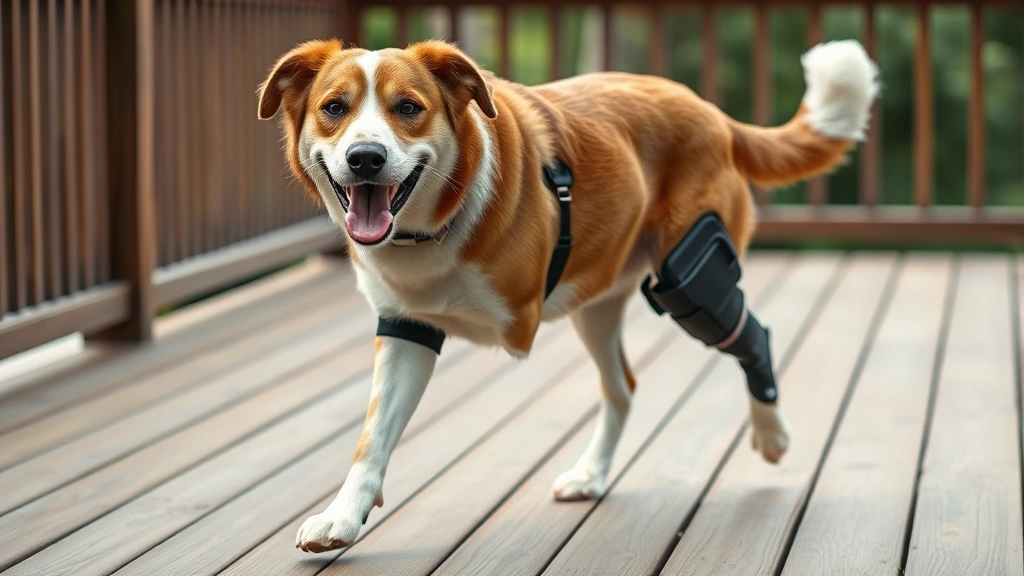
For detailed information about your dog’s specific condition, online vet advice services can provide professional guidance on treatment options and what to expect.
Nutrition and Joint Health: The Brace’s Best Friend
Here’s something many dog owners overlook: what you feed your dog matters just as much as the brace they wear. Proper nutrition supports healing and joint health from the inside.
Dogs recovering from injury or managing arthritis benefit from diets rich in glucosamine, chondroitin, omega-3 fatty acids, and high-quality protein. These nutrients support cartilage health, reduce inflammation, and promote healing.
If your dog has specific dietary needs or restrictions related to their injury, check out pet dietary restrictions to ensure you’re feeding them appropriately. Some dogs with orthopedic issues also need weight management to reduce stress on injured joints.
Cost Considerations: What to Budget for Dog Braces
Let’s talk money, because dog braces aren’t cheap, but they’re significantly cheaper than surgery.
Basic compression wraps run $20-$50. Mid-range quality braces cost $100-$300. Premium custom-fitted braces can run $300-$800 or more. Yes, that’s a significant investment, but compared to ACL surgery costs ($1,500-$5,000+), braces are the budget-friendly option.
Many pet insurance plans cover orthopedic braces if they’re prescribed by your vet. Check your policy—you might be able to offset some costs. Some veterinary clinics also offer payment plans for dogs requiring ongoing orthopedic support.
Frequently Asked Questions
How long does my dog need to wear a brace?
Duration depends on the injury. Mild sprains might need 2-4 weeks of bracing, while ACL injuries might require 8-12 weeks or longer. Post-surgical bracing typically lasts 4-8 weeks. Your vet will provide specific timelines based on your dog’s condition.
Can my dog sleep with a brace on?
Most dogs can wear braces while sleeping, but check with your vet first. Some dogs sleep better with the brace off. If your dog is restless or uncomfortable, try removing it during sleep and reapplying it during active hours.
Will my dog’s brace cause skin problems?
Properly fitted braces shouldn’t cause skin issues, but monitor daily for redness, sores, or irritation. If problems develop, contact your vet. Sometimes adjusting the fit or taking breaks from wearing the brace helps.
Can I use a human brace on my dog?
Absolutely not. Human anatomy is completely different from canine anatomy. Always use braces specifically designed for dogs. Your vet can recommend appropriate options.
How do I know if the brace is working?
Signs of improvement include increased weight-bearing on the affected leg, reduced limping, improved activity level, and less pain response. Most dogs show noticeable improvement within 2-3 weeks of proper bracing.
Can my dog exercise while wearing a brace?
Controlled, gentle exercise is usually fine—in fact, it’s often recommended. Avoid high-impact activities, jumping, and running. Short walks and swimming are usually safe. Your vet will give specific activity guidelines.
Do dog braces need replacement?
Yes, eventually. Depending on use and material quality, most braces last 6-12 months before needing replacement. Check regularly for wear and tear.
Conclusion: Giving Your Dog the Support They Deserve
Dog braces aren’t a magic cure, but they’re a legitimate, effective treatment option for countless dogs dealing with orthopedic injuries and conditions. Whether your pup is recovering from ACL surgery, managing arthritis, or healing from a ligament injury, the right brace can significantly improve their quality of life and mobility.
The key to success is working closely with your veterinarian, choosing the right type of brace for your dog’s specific needs, ensuring proper fit, and combining bracing with complementary care like rest, physical therapy, and proper nutrition. Your dog deserves to be comfortable and active, and with the right support system in place, they can be.
Don’t let your dog suffer through pain and limited mobility when effective solutions exist. Talk to your vet about whether dog braces might be right for your furry friend, and get them back to doing what dogs do best—being absolutely adorable and full of joy.





