
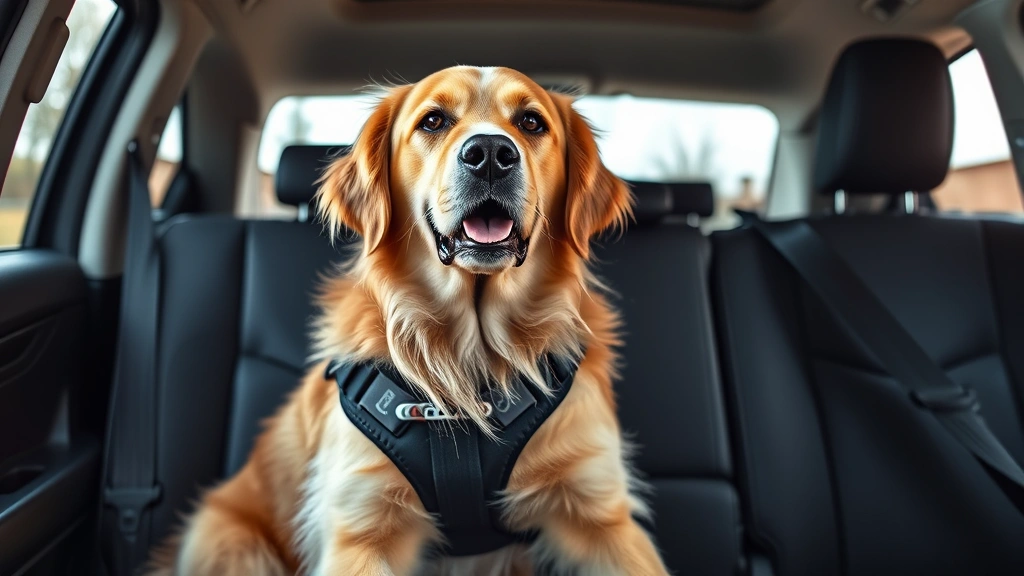
A dog car harness is basically your furry co-pilot’s seatbelt, and honestly, it’s one of the smartest safety investments you’ll ever make for road trips. Whether you’ve got a tiny Chihuahua or a massive Great Dane, strapping your pup in properly means fewer distractions for you and way less risk of injury for them if you have to brake suddenly. Let’s dive into why these harnesses matter and which ones actually deserve a spot in your vehicle.
Table of Contents
- Why Your Dog Needs a Car Harness (Not Just a Cute Idea)
- Understanding Different Types of Vehicle Restraint Systems
- The Crash-Test Champion: What Makes a Harness Actually Safe
- Top Pick #1: The All-Around Reliable Choice
- Top Pick #2: The Luxury Option for Frequent Travelers
- Top Pick #3: The Budget-Friendly Solution
- Top Pick #4: The Best for Large Breeds
- Top Pick #5: The Crate Alternative for Maximum Security
- Installation Tips That Actually Matter
- Making Car Rides Less Stressful for Anxious Pups
- Maintenance and Replacement: Keeping Your Harness in Top Shape
- Frequently Asked Questions
- Summary: Making the Right Choice for Your Road-Tripping Pup
Why Your Dog Needs a Car Harness (Not Just a Cute Idea)
Picture this: you’re cruising down the highway, your dog is loose in the backseat, and you hit the brakes hard. That 60-pound golden retriever just became a 60-pound projectile. Not pretty. A quality dog car harness keeps your pup secure and prevents them from becoming a furry missile during accidents or sudden stops. Studies show that unrestrained pets are involved in more distracted driving incidents than you’d think, and they’re at serious risk of injury.
Beyond safety, a proper harness reduces anxiety for nervous travelers and gives your dog a sense of security. Plus, it keeps them from jumping into the front seat while you’re trying to navigate traffic. Win-win-win.
Understanding Different Types of Vehicle Restraint Systems
Not all dog car harness options are created equal. You’ve got several styles to choose from, each with its own perks and drawbacks. Some attach directly to your car’s seatbelt system, while others work with travel crates or seat covers. Understanding the differences helps you pick the right one for your driving style and your dog’s personality. Some pups do great with a simple harness, while others need the full fortress of a crash-tested carrier.
The Crash-Test Champion: What Makes a Harness Actually Safe
Here’s where things get real: not every harness has been crash-tested. The good ones have undergone rigorous safety evaluations to ensure they’ll hold up during actual accidents, not just slow-speed bumps. Look for harnesses that have been tested by the Center for Pet Safety or similar organizations. These aren’t just marketing gimmicks—they’re the difference between a harness that holds and one that fails when it matters most.
The American Kennel Club (AKC) recommends restraint systems that are crash-tested and properly fitted to your dog’s size and weight. Check the weight limits carefully; a harness rated for 50 pounds won’t work safely for your 80-pound lab.
Top Pick #1: The All-Around Reliable Choice
The Ruffwear Load Up Harness is like the Honda Civic of dog car harnesses—dependable, well-reviewed, and actually designed with dogs in mind. It features a reinforced design that connects to your vehicle’s seatbelt system, and it’s been through serious crash testing. The padding keeps it comfortable for longer drives, and the reflective trim means your pup is visible if you need to stop on the roadside. For most dog owners, this is the sweet spot between price, safety, and functionality.
Top Pick #2: The Luxury Option for Frequent Travelers
If you’re constantly hitting the road, the Sleepypod Clickit Harness is worth the splurge. This isn’t just a harness—it’s a statement that you take your pup’s safety seriously. It’s been tested in crash scenarios and actually comes with a lifetime warranty. The design is sleek enough that you won’t feel embarrassed showing it off, and it works beautifully with a car seat for dogs setup if you want maximum comfort for your furry friend.
Top Pick #3: The Budget-Friendly Solution
Not everyone has $200 to drop on a harness, and that’s okay. The PetSafe Happy Ride Harness offers solid safety features without destroying your wallet. It’s lightweight, easy to install, and surprisingly durable. Sure, it doesn’t have all the bells and whistles of premium options, but it’ll keep your dog secure during normal driving conditions. Pair it with a coach dog collar for added style and control during rest stops.
Top Pick #4: The Best for Large Breeds
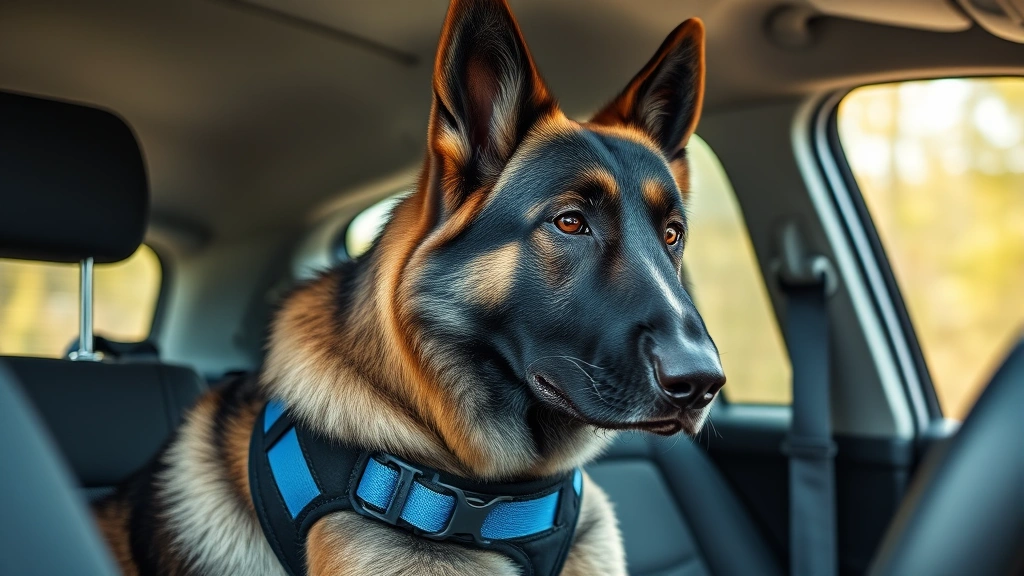
Big dogs need big solutions. The EzyDog Drive Harness is specifically engineered for larger pups and comes with reinforced straps that can handle serious pulling power. It distributes weight evenly across your dog’s body, which means better comfort and safer restraint. The dual attachment points give you extra security, which is crucial when you’re transporting a German Shepherd or similar large breed. PetMD recommends this style for dogs over 60 pounds.
Top Pick #5: The Crate Alternative for Maximum Security
Some dogs do better with a full travel crate setup rather than just a harness. The MidWest Homes for Pets Crash Test Certified Crate combines a secure travel environment with proven crash-test results. It’s perfect if your dog gets anxious in cars or if you’re hauling multiple pets. While it takes up more space, the peace of mind is priceless. You can even add a cooling dog bed inside to make it more comfortable for summer road trips.
Installation Tips That Actually Matter
Here’s the thing: even the best dog car harness only works if you install it correctly. Read the instructions—seriously, don’t skip this step. Most harnesses attach to your vehicle’s seatbelt system, but the attachment points matter. You want the harness snug enough that your dog can’t slide around but loose enough that they can breathe comfortably and shift positions. Test the fit with your dog sitting and standing to make sure there’s appropriate tension.
For multiple dogs, never clip two harnesses to one seatbelt. Each dog gets their own secure attachment point. And always practice before long trips—let your dog get used to the harness in the driveway first.
Making Car Rides Less Stressful for Anxious Pups
Some dogs hate car rides no matter what restraint system you use. If your pup is a nervous traveler, a secure harness actually helps by giving them a sense of stability. Start with short trips to build confidence, and consider using training treats from human food as positive reinforcement for good car behavior. Never punish your dog for anxiety—it only makes things worse.
Keep the car cool, play calming music, and avoid sudden movements that might startle them. Some vets recommend calming supplements for serious car anxiety, but always check with your veterinarian first.
Maintenance and Replacement: Keeping Your Harness in Top Shape
A dog car harness isn’t a one-time purchase and forget situation. Check it regularly for signs of wear, fraying straps, or broken buckles. Most quality harnesses last several years, but they’ll eventually need replacement, especially if they’ve been through an accident. After any collision, replace the harness immediately—you can’t trust its integrity anymore.
Clean your harness according to manufacturer instructions (usually machine wash on gentle cycle), and inspect all attachment points before each trip. This takes five minutes and could literally save your dog’s life.
Frequently Asked Questions
Can I use a regular collar instead of a car harness?
Absolutely not. Regular collars aren’t designed to handle the forces of sudden stops or accidents. They can actually cause serious neck injuries. A proper dog car harness distributes force across your dog’s body safely. This is non-negotiable for your pup’s safety.
What size harness do I need?
Check the weight and chest measurement guidelines for each harness. Measure your dog’s chest girth with a soft measuring tape and compare it to the manufacturer’s specifications. When fitted correctly, you should be able to fit one finger between the harness and your dog’s body.
Are expensive harnesses really better?
Price doesn’t always equal quality, but crash-tested harnesses from reputable brands are worth the investment. You’re paying for research, testing, and durability. Budget options can work for calm, short trips, but frequent travelers should invest in proven safety equipment.
Can my dog share a harness with another dog?
No way. Each dog needs their own harness and their own secure attachment point. Sharing creates safety risks and discomfort for both pups. Plus, they might fight over space during the ride.
What should I do if my dog has a harness-related injury?
Contact your veterinarian immediately. Even minor injuries can become serious if left untreated. Your vet can assess whether the harness fit was the issue and recommend adjustments or alternatives.
Summary: Making the Right Choice for Your Road-Tripping Pup
Choosing the right dog car harness is about balancing safety, comfort, and your specific situation. Whether you go with a crash-tested harness like the Ruffwear, a luxury option like the Sleepypod, or a budget-friendly pick, the important thing is that your dog is actually restrained. Check out our guide on pet nutrition advice for tips on keeping your pup healthy during travel too.
Your dog depends on you to keep them safe, and a quality dog car harness is one of the easiest ways to do that. Test different options if you can, read reviews from actual users, and don’t cheap out on something this important. Your pup will thank you—even if they don’t understand why they’re suddenly strapped in like an astronaut.





