
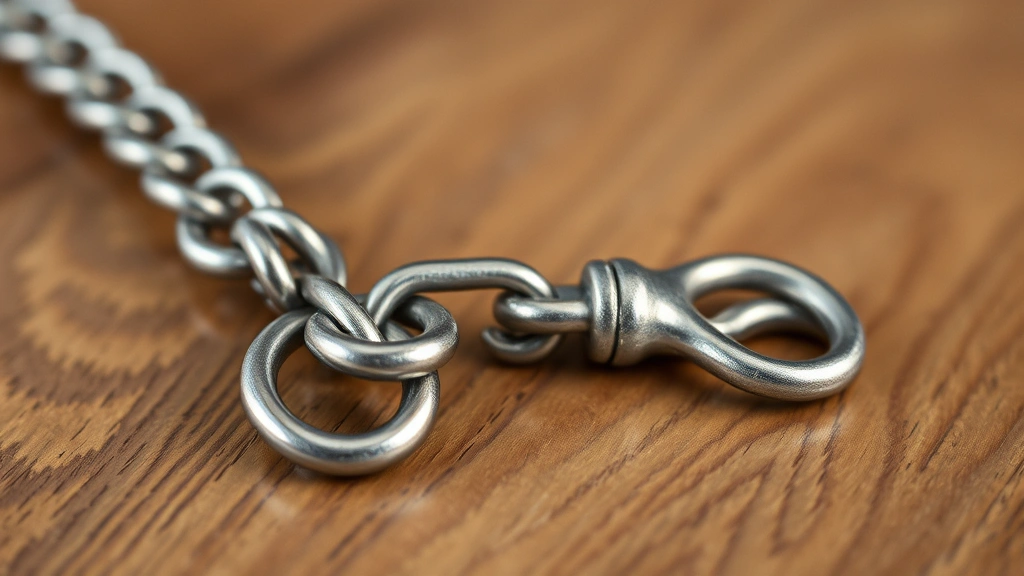
A dog chain is one of those essential pieces of gear that every dog owner needs to understand, whether you’re securing your pup in the yard, taking them on outdoor adventures, or just keeping them from bolting toward that squirrel they’ve been eyeing all morning. But here’s the thing—not all dog chains are created equal, and choosing the wrong one could turn your furry friend into an escape artist or, worse, put them in danger.
Table of Contents
- What Exactly Is a Dog Chain and Why Does It Matter?
- Types of Dog Chains: Finding Your Perfect Match
- Choosing the Right Size and Weight for Your Pup
- Length Considerations: How Much Freedom Does Your Dog Need?
- Material Matters: Steel, Aluminum, and Cable Options
- Safety Features Every Dog Chain Should Have
- Best Practices for Using a Dog Chain Safely
- Common Mistakes Dog Owners Make with Chains
- Alternatives to Traditional Dog Chains
- Maintenance Tips to Extend Your Dog Chain’s Life
- Legal and Ethical Considerations
- Expert Recommendations and Resources
- Summary: Your Dog Chain Checklist
- Frequently Asked Questions
Let’s dive into everything you need to know about selecting, using, and maintaining the perfect dog chain for your four-legged companion.
What Exactly Is a Dog Chain and Why Does It Matter?
A dog chain is a restraint device made from linked metal (usually steel or aluminum) that connects your dog to a fixed point or to you via a collar or harness. Unlike a simple rope leash, a dog chain offers superior strength and durability, making it ideal for larger breeds or particularly strong pullers. The primary purpose is to provide control and safety while allowing your dog some freedom of movement.
The importance of choosing the right dog chain can’t be overstated. A chain that’s too weak might snap, while one that’s too heavy could injure your dog’s neck or cause discomfort. The material, length, and attachment method all play crucial roles in your dog’s safety and well-being.
Types of Dog Chains: Finding Your Perfect Match
There are several varieties of dog chains available, each designed for different purposes and dog sizes.
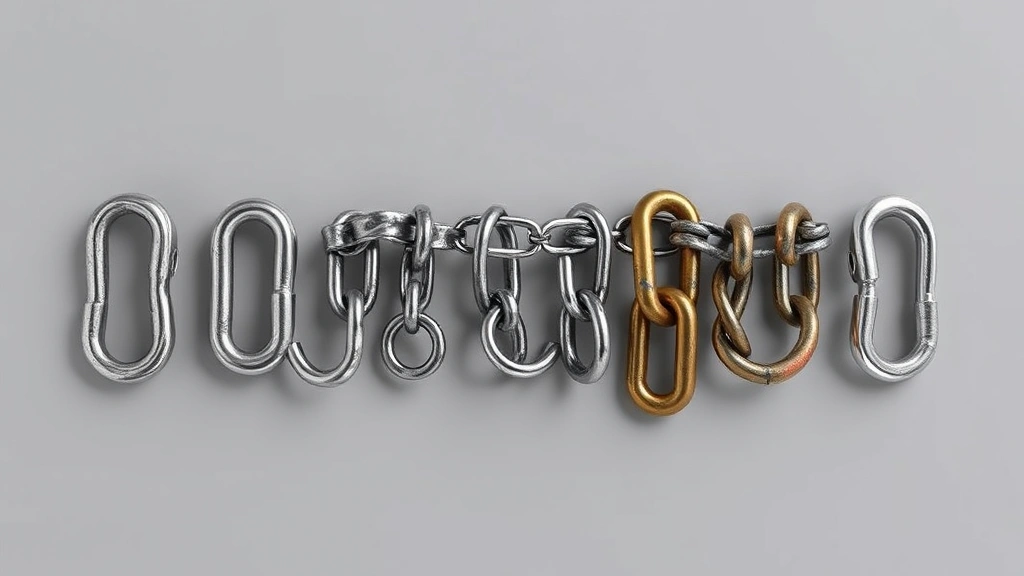
Standard Metal Chains are the most common type. These come in various gauges (thicknesses) and are typically made from galvanized steel to prevent rust. They’re affordable, durable, and work well for most dogs.
Choke chains (also called slip chains) are designed to tighten around a dog’s neck when they pull. However, many trainers now discourage their use due to potential injury risks. If you’re considering one, consult with a professional trainer first.
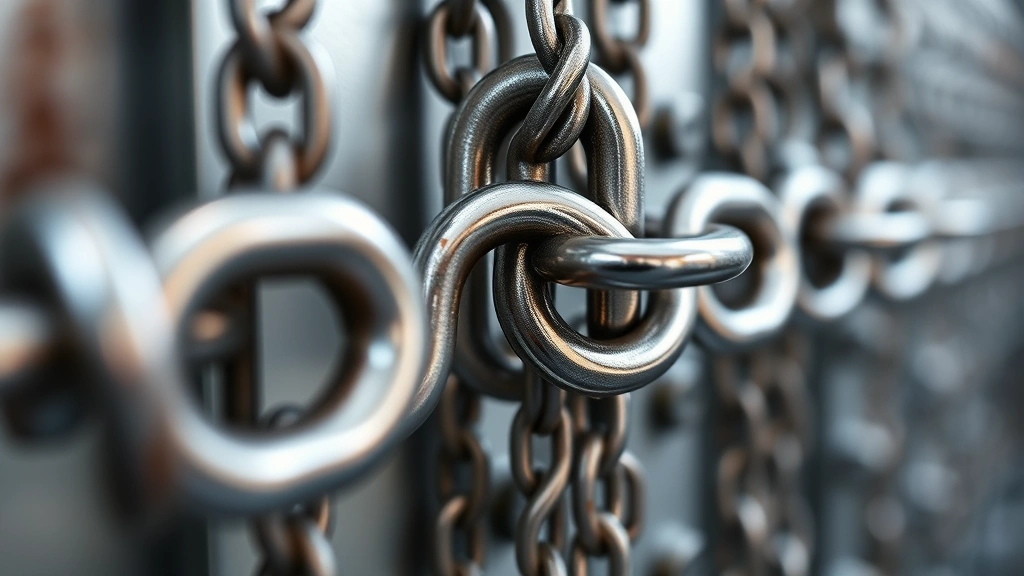
Pinch chains feature blunt prongs that apply pressure around the neck when the dog pulls. Like choke chains, these are controversial and require proper training to use safely.
Cable chains are made from twisted steel wires and offer a lighter alternative to traditional chains while maintaining strength. They’re excellent for dogs who like to chew, as they’re harder to damage than regular chains.
Nylon-coated chains combine the durability of metal with comfort. The nylon coating reduces the weight and can be gentler on your dog’s coat and skin.
Choosing the Right Size and Weight for Your Pup
Selecting the appropriate size dog chain depends on your pet’s breed, weight, and strength. A general rule of thumb: the chain should be able to withstand at least 10 times your dog’s body weight in breaking strength.
For small breeds (under 25 lbs), a lightweight chain with a breaking strength of 250+ lbs is usually sufficient. Medium breeds (25-60 lbs) need chains rated for 500+ lbs, while large and extra-large breeds (over 60 lbs) require heavy-duty chains rated for 1,000+ lbs or more.
Weight matters too. A chain that’s too heavy will cause neck strain and fatigue, while one that’s too light won’t provide adequate control. Test the weight in your hands—it should feel substantial but not cumbersome.

Length Considerations: How Much Freedom Does Your Dog Need?
Dog chain length typically ranges from 4 to 30 feet, depending on the intended use. A shorter 4-6 foot chain works great for close control during walks or training sessions. For yard restraint, a 10-15 foot chain gives your dog reasonable freedom to move while keeping them secure.
Longer chains (20-30 feet) are ideal for yard tie-outs where you want your dog to have maximum movement. However, longer chains increase the risk of tangling around obstacles or other hazards. Always supervise your dog when using a lengthy chain, and ensure the area is clear of dangers.
Material Matters: Steel, Aluminum, and Cable Options
Galvanized steel chains are the industry standard. They resist rust and corrosion, making them perfect for outdoor use. They’re heavy-duty and long-lasting, though they can be heavier than alternatives.
Stainless steel chains offer superior rust resistance compared to galvanized options, making them ideal for coastal areas or wet climates. They’re pricier but worth the investment for longevity.
Aluminum chains are lightweight and rust-resistant, perfect for dogs who need less weight around their neck. However, they’re not as strong as steel, so they’re better suited for smaller or less powerful dogs.
Coated cable chains combine flexibility with durability. The coating protects your dog’s coat and reduces noise, while the cable design resists chewing better than traditional chains.
Safety Features Every Dog Chain Should Have
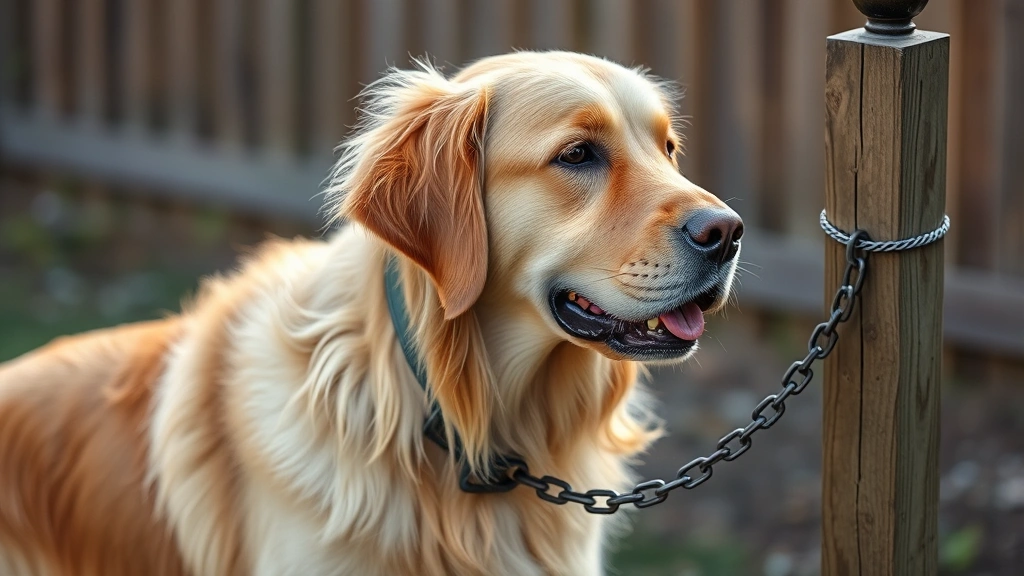
Look for chains with secure, swivel attachments on both ends. Swivels prevent the chain from twisting and tangling, which can cause injury or escape. A quality dog chain should have smooth links without sharp edges or burrs that could cut your dog’s skin or coat.
The attachment point (whether to a collar, harness, or fixed structure) must be secure and properly fitted. A collar should allow two fingers of space between it and your dog’s neck—tight enough to prevent slipping but loose enough to ensure comfort and breathing.
Consider chains with rubber or nylon guards at connection points. These reduce metal-on-metal contact and protect your dog’s fur from getting caught.
Best Practices for Using a Dog Chain Safely
Never leave your dog chained unattended for extended periods. Chains can become tangled, and your dog might panic or injure themselves trying to escape. Always supervise outdoor chaining sessions.
Ensure your dog has access to fresh water and shade while chained. A bowl that attaches to the chain prevents tipping and keeps water accessible.
Check the chain regularly for damage, rust, or weak links. Replace it immediately if you notice any wear. Inspect your dog’s neck daily for signs of chafing, hair loss, or irritation.
Rotate between different restraint methods. Constant chaining can lead to behavioral issues and physical problems. Mix it up with supervised off-leash time, harness walks, and indoor time.
For training purposes, consider consulting with a professional dog trainer. Organizations like the American Kennel Club (AKC) offer resources on proper restraint techniques and training methods.
Common Mistakes Dog Owners Make with Chains
One major mistake is using a chain that’s too heavy for your dog’s size. This causes neck strain and can lead to injury or behavioral problems. Another common error is failing to use a swivel attachment, which allows the chain to twist and tangle dangerously.
Many owners don’t properly fit collars or harnesses, leading to either escape or choking hazards. Additionally, chaining dogs for 24/7 confinement is cruel and often illegal in many jurisdictions. Dogs need regular exercise, socialization, and mental stimulation—a chain alone cannot provide these.
Neglecting to check chains for damage is another oversight. Rust, weak links, and sharp edges develop over time and can fail when you least expect it.
Alternatives to Traditional Dog Chains
If you’re uncomfortable with chains, several alternatives exist. Rope leashes are softer and lighter, though less durable for strong pullers. Harnesses distribute pressure across the chest and back rather than the neck, making them more comfortable and safer for many dogs.
Retractable leashes offer adjustable length control, though they’re not ideal for training or for dogs that pull excessively. Wireless or underground fencing systems provide yard containment without visible restraints, though they require proper training.
For yard containment, physical fencing is often the safest long-term solution. Check out our guide on cool dog names while you’re planning the perfect setup for your pup.
Maintenance Tips to Extend Your Dog Chain’s Life
Regular cleaning prevents rust and keeps your chain in top condition. Rinse it with fresh water after use, especially if exposed to saltwater or chemicals. Dry it thoroughly and store it in a dry location.
Inspect links monthly for signs of wear, rust, or damage. Apply a light coat of oil to metal chains to prevent corrosion. If your chain shows significant rust, it’s time to replace it—safety comes first.
Store chains indoors during extreme weather. Excessive heat, cold, and moisture can degrade materials faster. Keep chains away from chemicals, fertilizers, or de-icing salts that can accelerate rust.
Legal and Ethical Considerations
Many jurisdictions have laws regarding dog chaining. Some areas require minimum chain lengths, regular breaks from chaining, or even ban the practice entirely. Check your local regulations before purchasing a dog chain.
Ethically, dogs are social animals that thrive on interaction and exercise. Chaining should be temporary and supervised, never a substitute for proper care, training, and companionship. If you’re struggling with your dog’s behavior, consult a certified trainer. Our article on what not to feed your dog covers behavioral nutrition that might help.
Expert Recommendations and Resources
The PetMD veterinary team recommends using properly fitted harnesses over collars for restraint whenever possible. They emphasize that chains should never be used as a primary training tool or for extended confinement.
For breed-specific guidance, the AKC provides detailed resources on appropriate restraint methods for different dog types. Large breed owners should pay special attention to weight ratings and proper fitting techniques.
If you’re interested in training your dog with positive reinforcement methods, check out our training treats from human food article for nutritious reward options during training sessions.
Summary: Your Dog Chain Checklist
Choosing the right dog chain involves understanding your dog’s size, strength, and needs. Prioritize safety by selecting appropriately-sized chains with swivel attachments, secure fittings, and smooth links. Never leave your dog unattended while chained, and rotate between different restraint and exercise methods.
Regular maintenance keeps your chain in good condition and extends its lifespan. Always check local regulations and consider your dog’s overall well-being. When in doubt, consult with a veterinarian or certified dog trainer to ensure you’re making the best choice for your furry friend.

Remember: a dog chain is a tool for safety and control, not punishment or permanent confinement. Use it responsibly, maintain it properly, and always prioritize your dog’s comfort and happiness.
Frequently Asked Questions
Is it legal to chain a dog?
It depends on your location. Many areas have specific laws about dog chaining, including minimum chain lengths, required breaks, and supervision rules. Some jurisdictions ban it entirely. Check your local animal control regulations before using a chain.
What’s the best chain for a large breed dog?
Large breed dogs need heavy-duty chains rated for at least 1,000+ lbs breaking strength. Galvanized or stainless steel chains with swivel attachments work best. Ensure the chain isn’t too heavy (usually 3/16 inch diameter is sufficient) and always pair it with a properly-fitted collar or harness.
Can I leave my dog chained outside all day?
No. Extended chaining causes physical and psychological problems. Dogs need regular exercise, socialization, and time with their owners. Chaining should only be temporary and supervised. Provide shelter, water, and shade if your dog must be outside, and bring them in regularly.
What’s the difference between a chain and a leash?
Chains are made from metal links and offer superior strength and durability for powerful dogs. Leashes are typically made from rope, nylon, or leather and are lighter but less durable. Chains are better for yard tie-outs, while leashes are ideal for walks and training.
How do I know if my dog’s chain is too tight?
You should be able to fit two fingers between the collar and your dog’s neck. If you can’t, it’s too tight. Check daily for signs of chafing, hair loss, or skin irritation. A properly-fitted collar allows comfortable breathing and movement while preventing escape.
Are choke chains safe?
Choke chains are controversial and can cause injury if used improperly. Many modern trainers and veterinarians recommend avoiding them in favor of harnesses or flat collars. If you choose to use one, consult a certified professional trainer first.





