
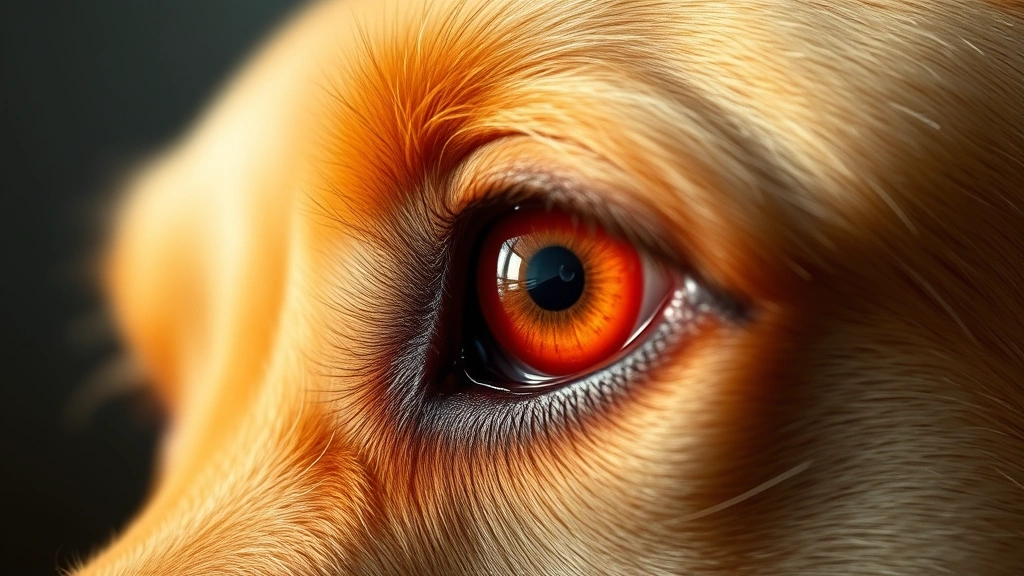
If you’ve noticed your furry best friend has a red, swollen bump in the corner of their eye, you might be dealing with dog cherry eye—a condition that sounds way scarier than it actually is. Don’t panic! We’re here to break down what’s happening, why it happens, and most importantly, how to fix it.
Table of Contents
- What Exactly Is Dog Cherry Eye?
- Why Do Dogs Get Cherry Eye?
- Recognizing the Signs of Prolapsed Nictitating Membrane
- Fix #1: Veterinary Surgery—The Gold Standard Solution
- Fix #2: Topical Medications and Anti-Inflammatory Drops
- Fix #3: Managing Allergies and Inflammation Naturally
- Fix #4: Proper Eye Care and Hygiene Practices
- Fix #5: Post-Surgery Care and Prevention
- When Should You Seek Emergency Care?
- The Role of Breed Predisposition in Cherry Eye
- Nutritional Support for Eye Health
- Working with Your Vet: When to Consult a Specialist
- Frequently Asked Questions
- Summary: Taking Action for Your Dog’s Eye Health
What Exactly Is Dog Cherry Eye?
Dog cherry eye is the common name for a prolapsed nictitating membrane gland, which is basically your pup’s third eyelid saying “hello” when it shouldn’t be. Your dog has three eyelids (yes, three!), and the third one—called the nictitating membrane—normally hangs out behind the scenes, producing tears to keep those adorable eyes moist and protected.
When the gland supporting this third eyelid weakens or gets inflamed, it pops out and becomes visible as a red, cherry-like mass in the inner corner of the eye. It looks alarming, but it’s not actually an emergency in most cases. Still, you’ll want to get it checked out by your vet because ignoring it can lead to complications.
Why Do Dogs Get Cherry Eye?
The truth is, veterinarians don’t fully understand why some dogs develop cherry eye and others don’t. However, certain breeds are more prone to it. Cocker Spaniels, Bulldogs, Beagles, and other breeds with shorter snouts seem to be more susceptible. Puppies and young dogs are also more likely to experience this condition.
Genetics play a huge role here. If your dog’s parents had cherry eye, your pup is at higher risk. Some theories suggest that weakness in the connective tissue holding the gland in place is hereditary. Environmental factors like allergies, infections, or even excessive eye rubbing can trigger the condition in predisposed dogs.
Recognizing the Signs of Prolapsed Nictitating Membrane
The most obvious sign is that cherry-red bump in the corner of your dog’s eye—it’s hard to miss. But other symptoms might include excessive tearing, mild discharge, or your dog pawing at their eye more than usual. Some dogs seem unbothered by it, while others show signs of discomfort.
If your dog has cherry eye in both eyes (which happens sometimes), it’s even more important to seek veterinary care quickly. The condition won’t resolve on its own, and delaying treatment can lead to corneal ulcers or chronic dry eye.
Fix #1: Veterinary Surgery—The Gold Standard Solution
Here’s the reality: surgery is the most effective and permanent fix for dog cherry eye. A veterinary ophthalmologist or experienced vet will perform a procedure to reposition and secure the gland back into its proper location. This is called gland replacement surgery, and it’s the preferred method because it preserves the gland’s tear-producing function.
The surgery is relatively straightforward and has a high success rate. Your vet will use sutures to anchor the gland in place, allowing it to heal and function normally again. Recovery typically takes 1-2 weeks, during which you’ll need to prevent your dog from rubbing their eye—yes, that means the dreaded cone collar.
The cost varies depending on your location and vet, but expect to pay between $500-$1,500 per eye. While that’s not cheap, it’s worth the investment for your dog’s long-term eye health.
Fix #2: Topical Medications and Anti-Inflammatory Drops
Before jumping straight to surgery, your vet might recommend trying topical treatments first, especially if the cherry eye just appeared. Anti-inflammatory eye drops can reduce swelling and sometimes allow the gland to retract on its own.
Medications containing corticosteroids or NSAIDs can help, but they’re typically a temporary solution rather than a permanent fix. Some vets prescribe antibiotic ointments to prevent secondary infections while the gland is exposed. These medications work best when started early, so don’t delay getting your pup to the vet.
Keep in mind that while drops might reduce the appearance of cherry eye, they won’t permanently fix the underlying issue. Think of them as a bridge to surgery or a way to manage mild cases while you’re deciding on next steps.
Fix #3: Managing Allergies and Inflammation Naturally
Since inflammation plays a role in cherry eye development, managing your dog’s overall health can help prevent recurrence after surgery or reduce symptoms in mild cases. This is where skin and coat health foods come into play—a nutrient-rich diet supports your dog’s immune system and reduces chronic inflammation.
Omega-3 fatty acids are particularly beneficial for eye health and reducing inflammation throughout the body. You can incorporate fish oil supplements or feed your dog foods rich in these healthy fats. Additionally, identifying and eliminating allergens from your dog’s environment can prevent the constant eye irritation that might trigger or worsen cherry eye.
Some owners have found success with herbs safe for pets like turmeric (in appropriate doses) for their anti-inflammatory properties. Always consult your vet before introducing supplements or herbal remedies.
Fix #4: Proper Eye Care and Hygiene Practices
Once your dog has cherry eye, keeping the affected eye clean becomes crucial. Gently wipe away any discharge with a soft, damp cloth several times daily. This prevents infection and keeps your dog from being tempted to rub or scratch the area.
Avoid getting water or shampoo directly in the eye during baths. If your dog loves swimming, consider protective goggles (yes, they make them for dogs). Keep the eye area dry and clean, and resist the urge to apply home remedies without veterinary guidance.
If your dog has environmental allergies, managing those aggressively can prevent the inflammation that triggers cherry eye. Regular grooming and keeping your home clean of dust and allergens helps too.
Fix #5: Post-Surgery Care and Prevention
After gland replacement surgery, the real work begins. Your dog will need to wear a cone collar for 7-14 days to prevent them from rubbing or scratching the eye. Apply prescribed eye drops exactly as directed—usually several times daily for the first week or two.
Restrict strenuous activity during recovery. That means no running, jumping, or rough play. Keep your dog calm and indoors as much as possible. Watch for signs of infection like increased redness, swelling, or discharge, and contact your vet immediately if you notice anything concerning.
Some dogs develop cherry eye in the other eye down the road. While you can’t completely prevent this if your dog is genetically predisposed, maintaining good overall health, managing allergies, and avoiding eye trauma can reduce the risk.
When Should You Seek Emergency Care?
While cherry eye isn’t usually an emergency, certain situations warrant immediate veterinary attention. If your dog’s eye becomes severely swollen, develops a discharge with pus, or if your dog seems to be in significant pain, don’t wait for a regular appointment. Visit an emergency vet right away.
Also seek urgent care if the cherry eye appears suddenly in both eyes or if your dog has a fever accompanying the eye issue. These could indicate an underlying infection or systemic problem requiring immediate treatment.
The Role of Breed Predisposition in Cherry Eye
Certain breeds are genetically wired for cherry eye. Cocker Spaniels top the list, followed by Bulldogs, Beagles, Boxers, and other breeds with shorter muzzles. If you own one of these breeds, being aware of cherry eye and its early signs is essential.
This is why responsible breeding practices matter. Ethical breeders screen their dogs for genetic predispositions and avoid breeding dogs with cherry eye or a strong family history of the condition. If you’re considering getting a puppy, ask the breeder about cherry eye in their breeding lines.
Nutritional Support for Eye Health
Beyond treating the immediate problem, supporting your dog’s eye health through nutrition is smart preventive medicine. Antioxidants like vitamins C and E, lutein, and zeaxanthin all support eye function. These are found in vegetables, fish, and specialized dog foods formulated for eye health.
A balanced diet rich in high-quality proteins and essential fatty acids supports tissue integrity, including the connective tissues holding your dog’s eye structures in place. This won’t prevent cherry eye entirely if your dog is genetically predisposed, but it gives your pup the best chance of maintaining healthy eye tissues.
If your dog has dietary sensitivities, human foods for pets with sensitive stomachs can be incorporated into their diet under veterinary guidance to boost nutrition without triggering inflammation.
Working with Your Vet: When to Consult a Specialist
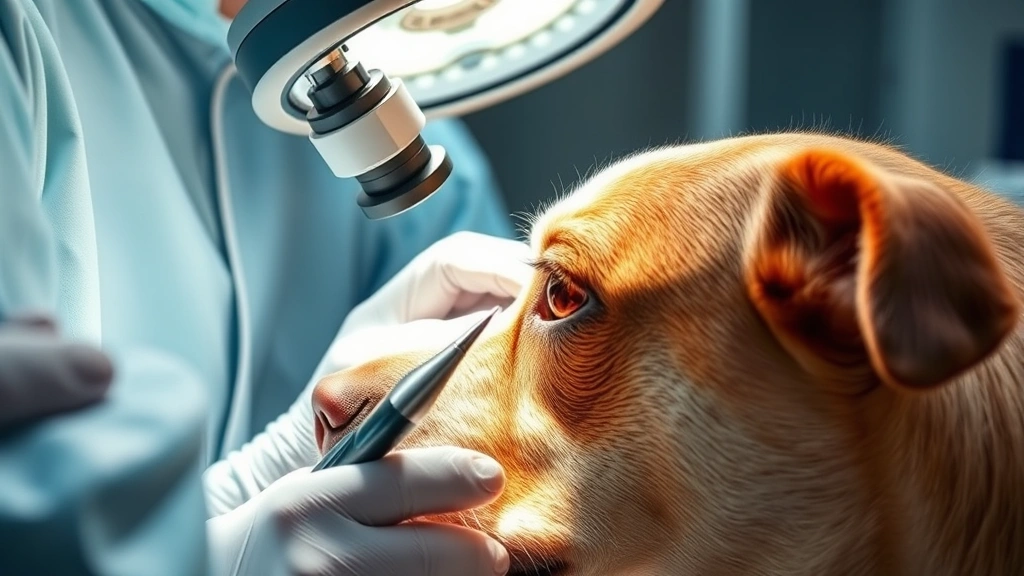
For complex cases or if your dog has cherry eye in both eyes, your regular vet might refer you to a veterinary ophthalmologist. These specialists have advanced training and equipment to handle complicated eye conditions. They can provide more detailed diagnostics and might offer treatment options your regular vet can’t.
Don’t hesitate to ask for a referral if you feel your dog’s case is beyond your vet’s expertise. Specialist care might cost more upfront, but it could save you money and heartache down the road by preventing complications.
You can also consider a virtual vet consultation to get a second opinion on treatment options or discuss post-surgery care protocols.
Frequently Asked Questions
Can cherry eye go away on its own?
Unfortunately, no. While the swelling might reduce with medication, the underlying condition—the prolapsed gland—won’t return to its normal position without surgical intervention. Some dogs might have temporary improvement with drops, but the gland typically prolapses again.
Is cherry eye painful for dogs?
It can be mildly uncomfortable, similar to having something irritating your eye. Most dogs aren’t in severe pain, but they might experience itchiness or a foreign body sensation. The real danger is secondary complications like corneal ulcers, which are painful.
What happens if you don’t treat cherry eye?
Without treatment, the exposed gland can become infected, ulcerated, or damaged. This can lead to chronic dry eye (keratoconjunctivitis sicca), which is painful and can cause vision problems. The gland’s tear-producing function is compromised, affecting your dog’s eye health long-term.
How long does cherry eye surgery take?
The actual surgical procedure typically takes 30-60 minutes, depending on the complexity and whether one or both eyes are affected. Recovery at home takes 1-2 weeks, with full healing occurring over several weeks.
Can cherry eye come back after surgery?
Recurrence is possible but uncommon—success rates for gland replacement surgery are around 90-95%. If it does recur, a second surgery can be performed. Some dogs might develop cherry eye in the other eye years later.
Are certain dog breeds more prone to cherry eye?
Yes, absolutely. Cocker Spaniels, Bulldogs, Beagles, Boxers, and other brachycephalic breeds (flat-faced dogs) are significantly more prone to cherry eye. Genetics play the biggest role in predisposition.
Summary: Taking Action for Your Dog’s Eye Health
Dog cherry eye might look alarming, but it’s manageable with proper veterinary care. The five proven fixes we’ve discussed—surgery, medications, natural inflammation management, proper eye care, and post-surgery protocols—give you a comprehensive approach to tackling this condition.
The key is acting quickly. Don’t ignore that red bump in your dog’s eye corner. Schedule a vet appointment, discuss treatment options, and follow your vet’s recommendations closely. Whether you opt for immediate surgery or try conservative management first, your goal is the same: protecting your dog’s vision and comfort.
Remember, every dog is different. What works for one pup might not be ideal for another. Work closely with your veterinarian to develop a treatment plan tailored to your dog’s specific situation, breed predisposition, and overall health. Your pup’s eyes—and your peace of mind—are worth the effort.





