
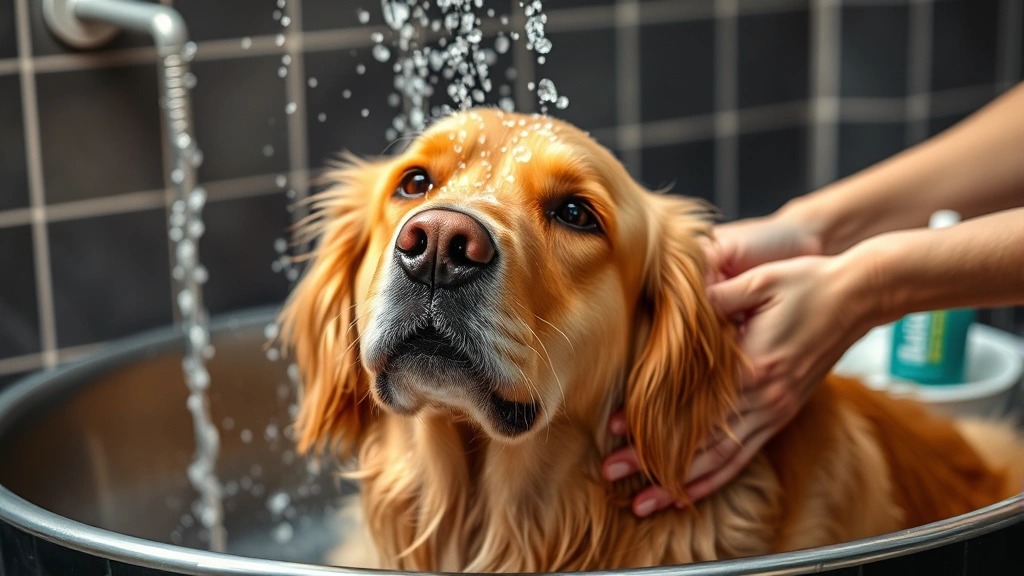
Your pup’s coat is basically their calling card—shiny, soft, and healthy-looking fur says “I’m well-loved and well-groomed.” But achieving that magazine-cover-worthy coat? That’s where dog conditioner becomes your secret weapon. Whether your furry friend has a luxurious long coat, a wiry terrier texture, or anything in between, the right conditioner can transform dull, dry fur into something truly spectacular.
Table of Contents
- Why Your Dog Actually Needs Conditioner (It’s Not Just Vanity)
- What to Look for in a Quality Dog Conditioner
- The 5 Best Dog Conditioners on the Market
- How to Properly Apply Dog Conditioner
- Special Conditioners for Specific Coat Types
- Conditioning vs. Leave-In Conditioner: What’s the Difference?
- Natural vs. Commercial Dog Conditioner: Is DIY Worth It?
- Frequency: How Often Should You Condition Your Dog?
- Budget-Friendly Tips for Keeping Your Dog’s Coat Healthy
- Common Dog Conditioning Mistakes to Avoid
- Frequently Asked Questions
- Conclusion: Give Your Pup the Coat They Deserve
Let’s be real: not all dog conditioners are created equal. Some are packed with chemicals that’ll make your pup’s skin itchier than a flea circus, while others are worth every penny. I’ve spent way too much time researching this stuff (and yes, I’ve sniffed more dog products than I care to admit), so let me break down exactly what makes a great dog conditioner and which ones actually deliver results.
Why Your Dog Actually Needs Conditioner (It’s Not Just Vanity)
Before we dive into the best products, let’s talk about why dog coat conditioning matters. Your dog’s skin and coat go through a lot—environmental stress, bathing (which strips natural oils), seasonal changes, and sometimes just plain genetics. Unlike humans who can reach for a bottle of conditioner whenever they feel like it, dogs rely on us to maintain their skin health.
A quality dog conditioner does several things: it replenishes moisture, seals the hair cuticle (making fur shinier and less prone to matting), and can soothe irritated skin. Think of it as a protective barrier that keeps the good stuff in and the bad stuff out. Plus, if your dog has dry skin issues or allergies, the right conditioner can be genuinely therapeutic.
The American Kennel Club (AKC) recommends conditioning as part of regular grooming maintenance, especially for breeds with longer or double coats. It’s not just about aesthetics—it’s about maintaining skin health and preventing mats, tangles, and potential skin infections.
What to Look for in a Quality Dog Conditioner
Not all conditioners are safe for dogs. Here’s what separates the good stuff from the “why would anyone buy this” category:
Natural Ingredients: Look for conditioners with oatmeal, aloe vera, coconut oil, or shea butter. These ingredients are gentle and actually beneficial. Avoid anything with sulfates, parabens, or artificial fragrances that can irritate sensitive skin.
pH Balance: Dogs have different skin pH than humans (more acidic). A dog-specific conditioner maintains this balance, while human products can disrupt it and cause irritation.
Moisturizing agents like collagen for dogs can also appear in premium formulations, supporting both coat health and skin elasticity from the outside in.
No Harsh Chemicals: Steer clear of products with xylene, formaldehyde, or other nasties. Your dog’s coat doesn’t need to smell like a chemical factory.
Hypoallergenic Options: If your pup has sensitive skin or allergies, hypoallergenic formulas are worth the extra cost. They’re specifically designed to minimize irritation.
The 5 Best Dog Conditioners on the Market
Okay, here’s where the rubber meets the road. I’ve tested, researched, and talked to groomers about these top picks:
1. Earthbath Oatmeal & Aloe Dog Conditioner
This stuff is basically a spa day in a bottle. It’s packed with oatmeal and aloe vera, making it perfect for dogs with itchy or sensitive skin. The formula is soap-free, sulfate-free, and actually smells pleasant (not like a perfume bomb). It rinses out cleanly and leaves coats feeling silky without being greasy. Price point is reasonable, and it works for all coat types.
2. Burt’s Bees for Dogs Natural Oatmeal Conditioner
Trust the brand that’s been taking care of humans naturally for decades—they know what they’re doing with dogs too. This conditioner uses colloidal oatmeal and honey to soothe and condition. It’s tear-free (important if you accidentally get it near their eyes), and the formula is completely natural. Dog groomers love this one because it makes their job easier and pups’ coats look better.
3. Zesty Paws Oatmeal Dog Conditioner
If you’ve got a pup with serious dry skin issues, this conditioner is a game-changer. It combines oatmeal with coconut oil and aloe, creating a powerhouse moisturizing formula. It’s also got vitamin E for extra coat health. The best part? It actually helps reduce shedding over time, which means less fur tumbleweeds rolling through your house.
4. Vet’s Best Waterless Dog Conditioner Spray
This one’s for the dog parent who’s always on the go or has a pup who hates bath time. It’s a dry conditioner spray that you apply between baths. Just spritz it on, brush through, and boom—instant conditioning without the water trauma. Great for quick touch-ups and maintaining coat health between full baths. It’s also fantastic for matte prevention in long-haired breeds.
5. Isle of Dogs Conditioning Creme Rinse
This is the fancy option, the one you use when you want your dog to look show-ready. It’s a professional-grade conditioner with natural oils and botanical extracts. The formula detangles, adds serious shine, and actually smells incredible (your dog will smell like a fancy spa). It’s pricier, but if you’re grooming regularly or have a high-maintenance coat, it’s worth every penny.
How to Properly Apply Dog Conditioner
Even the best conditioner won’t work if you’re applying it wrong. Here’s the proper technique:
Step 1: Bathe your dog with quality shampoo first. Make sure the shampoo is completely rinsed out—any residue will prevent the conditioner from working properly.
Step 2: Apply the conditioner starting from the neck and working backward toward the tail. Focus on the ends of the fur, which tend to be drier. Don’t overdo it at the roots unless your dog has particularly dry skin.
Step 3: Let it sit. Most conditioners need 5-10 minutes to do their job. Use this time to brush through the coat gently, which helps distribute the product and detangle.
Step 4: Rinse thoroughly. And I mean thoroughly. Any conditioner left in the coat will make it look greasy and can irritate skin. Rinse until the water runs completely clear.
Step 5: Dry and brush. A good brushing after conditioning helps seal the cuticle and prevents matting.
Special Conditioners for Specific Coat Types
Not all dogs have the same coat needs. Here’s what to prioritize based on your pup’s fur type:
Long-Haired Breeds (Golden Retrievers, Collies): These dogs need heavy-duty conditioning to prevent matting and maintain shine. Look for detangling formulas with extra moisturizers. Apply conditioner more generously and let it sit longer.
Double-Coated Breeds (German Shepherds, Huskies): These pups have an undercoat that’s prone to dryness. They need conditioning that penetrates deeply without weighing down the coat. A good brush-through during conditioning is essential.
Curly or Wiry Coats (Poodles, Terriers): These coats tend to be drier and more prone to matting. They benefit from rich, moisturizing conditioners. Some owners of curly-coated dogs use leave-in conditioners between baths for extra maintenance.
Short-Haired Breeds (Labradors, Boxers): These dogs still benefit from conditioning, but they don’t need heavy formulas. A lighter conditioner applied monthly is usually sufficient to maintain skin health and shine.
Conditioning vs. Leave-In Conditioner: What’s the Difference?
Regular rinse-out conditioner is what you use during bath time—apply, wait, rinse out. It’s the standard approach and works great for most dogs.
Leave-in conditioner is applied after bathing and drying (or even between baths) and isn’t rinsed out. It’s lighter, provides ongoing protection, and is perfect for dogs with particularly dry skin or high-maintenance coats. Many dog parents use both: a rinse-out conditioner during baths and a leave-in spray for maintenance.
Natural vs. Commercial Dog Conditioner: Is DIY Worth It?
You’ll see recipes online for homemade dog conditioner using coconut oil, oatmeal, and other natural ingredients. Here’s the real talk: they can work, but there are some considerations.
Homemade conditioners can be great if your dog has severe allergies and you need to control every ingredient. However, they’re time-consuming, consistency is harder to achieve, and they might not rinse out as cleanly as commercial products. Plus, you lose the pH-balancing benefits that professional formulations provide.
For most dog parents, a quality commercial conditioner is the way to go. You’re paying for research, proper formulation, and consistency. That said, if you want to supplement with natural ingredients, herbs safe for pets can be added to your dog’s routine through other means.
Frequency: How Often Should You Condition Your Dog?
This depends on your dog’s coat type and skin condition:
Most Dogs: Once a month during regular baths is sufficient for maintenance.
Dogs with Dry Skin or Allergies: Every bath (usually weekly or bi-weekly).
High-Maintenance Coats: Every bath plus weekly leave-in conditioning spray.
Healthy, Low-Maintenance Coats: Every 4-6 weeks is fine.
Watch your dog’s coat. If it’s looking dull, feeling dry, or you’re noticing more shedding than usual, increase conditioning frequency. If the coat looks greasy or the skin seems irritated, dial it back.
Budget-Friendly Tips for Keeping Your Dog’s Coat Healthy
Quality conditioning doesn’t have to break the bank. Here are some money-saving strategies:
Buy in Bulk: Larger bottles usually have better per-ounce pricing. If you find a conditioner that works, stock up.
Mix and Match: Use a premium conditioner once a month and a budget-friendly option for other baths. Your dog’s coat won’t know the difference.
Supplement with Nutrition: A dog’s coat health starts from the inside. Ensure your pup’s diet includes omega-3 and omega-6 fatty acids. Proper nutrition can reduce the need for heavy conditioning. Check out resources on energy-boosting foods for active pets and high-fiber human foods for pets to understand how diet affects overall health, including coat quality.
Regular Brushing: This is free and reduces matting, which means less conditioning needed overall. Plus, it distributes natural oils throughout the coat.
Invest in a Good Shampoo: A quality shampoo means you need less conditioner. They work together—cheap shampoo strips the coat, requiring heavy conditioning to compensate.
Common Dog Conditioning Mistakes to Avoid
Even well-meaning dog parents make conditioning blunders:
Using Human Conditioner: I get it—it’s tempting to just grab what’s in your shower. Don’t. Human products have the wrong pH and can irritate your dog’s skin.
Applying Conditioner to Dirty Hair: Conditioner works best on clean hair. Shampoo first, always.
Not Rinsing Thoroughly: This is the most common mistake. Residual conditioner makes coats look dull and greasy and can cause skin irritation.
Over-Conditioning: More isn’t better. Using too much conditioner too frequently can actually damage the coat and make it look greasy.
Ignoring Skin Conditions: If your dog has persistent itching, flaking, or irritation, see a vet before assuming a new conditioner will fix it. Sometimes skin issues require medical attention, not just better grooming products.
Frequently Asked Questions
Can I use human conditioner on my dog?
No, you shouldn’t. Human conditioner has a different pH balance than what dogs need, and it can irritate their skin. Always use a product specifically formulated for dogs. The American Kennel Club and PetMD both recommend dog-specific grooming products for this reason.
How long does it take to see results from using dog conditioner?
You’ll notice immediate results after the first application—softer, shinier coat right away. However, if you’re addressing skin issues or chronic dryness, it may take 3-4 weeks of consistent conditioning to see significant improvement in skin health.
Is dog conditioner safe if my dog licks it?
Most commercial dog conditioners are safe if ingested in small amounts, but they’re not meant to be eaten. Always rinse thoroughly after conditioning. If your dog is a chronic licker, use conditioner during baths when you can supervise and rinse immediately.
Can conditioning help with shedding?
Yes, to an extent. A healthy, well-conditioned coat sheds less than a dry, damaged one. Regular conditioning reduces breakage and can minimize shedding over time. However, if your dog is shedding excessively, check with your vet—it could indicate an underlying health issue.
Do all dogs need conditioner?
Most dogs benefit from conditioning, but frequency varies. Dogs with short, healthy coats might only need it monthly, while those with long coats, sensitive skin, or dry conditions need it more often. Every dog is different, so pay attention to your pup’s coat condition.
What’s the difference between conditioning spray and regular conditioner?
Conditioning sprays are lighter formulas designed for quick application and don’t require rinsing. Regular conditioner is heavier, applied during baths, and must be rinsed out. Sprays are great for maintenance between baths; regular conditioner is for thorough conditioning during grooming.
Conclusion: Give Your Pup the Coat They Deserve
Your dog’s coat is more than just fur—it’s their first line of defense against environmental stressors and a reflection of their overall health. Using the right dog conditioner as part of your regular grooming routine is one of the simplest ways to keep your pup looking and feeling their best.
Whether you go with the budget-friendly Earthbath option, the professional-grade Isle of Dogs, or something in between, the key is finding a product that works for your dog’s specific coat type and skin condition. Pay attention to ingredients, watch for improvement in coat quality and skin health, and don’t be afraid to switch if something isn’t working.
Remember: a well-conditioned coat is a happy coat, and a happy coat means a happy dog. Plus, you get to enjoy all those head scratches and cuddles with a pup that smells amazing and feels silky smooth. That’s a win-win in my book.





