

As a devoted dog owner, you’ve probably noticed your furry companion sniffling, sneezing, or showing signs of lethargy that mirror human cold symptoms. This naturally leads to the question: can dogs catch colds like we do? While dogs don’t catch the same viruses that cause human colds, they can indeed develop respiratory infections that produce remarkably similar symptoms.
Understanding whether your dog has a cold-like illness is crucial for providing proper care and knowing when to seek veterinary attention. Dogs can contract various respiratory infections caused by bacteria, viruses, or other pathogens that affect their upper respiratory system. These conditions can range from mild, self-limiting illnesses to more serious infections requiring professional treatment.
Can Dogs Catch Human Colds?
The short answer is no – dogs cannot catch the common cold viruses that affect humans. The rhinoviruses and coronaviruses responsible for most human colds are species-specific and don’t typically cross over to infect dogs. This means you don’t need to worry about giving your cold to your dog, nor will your dog’s respiratory symptoms spread to you in most cases.
However, dogs can develop their own version of cold-like symptoms through various respiratory infections. These canine respiratory infections are caused by different pathogens than those affecting humans, including canine parainfluenza virus, Bordetella bronchiseptica bacteria, and canine adenovirus. While the underlying causes differ, the symptoms can be strikingly similar to what we experience during a human cold.
It’s worth noting that some respiratory pathogens can occasionally cross species barriers, though this is relatively rare. The Centers for Disease Control and Prevention monitors these situations closely, particularly with influenza viruses that may affect both humans and animals.
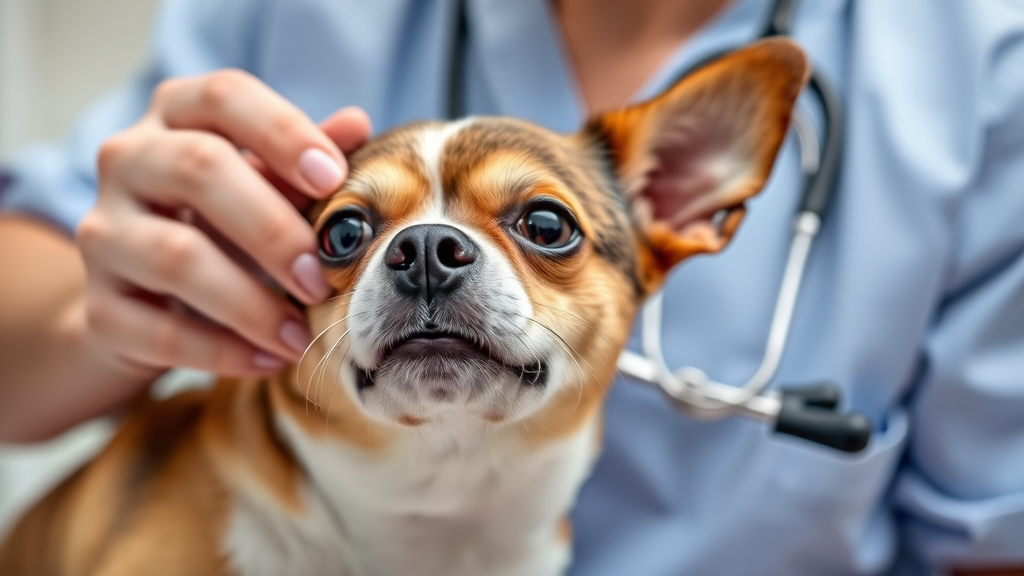
Common Causes of Dog Cold Symptoms
Several different conditions can cause cold-like symptoms in dogs. Understanding these various causes helps pet owners better assess their dog’s condition and determine the appropriate course of action. The most common culprits include infectious and non-infectious factors that affect the respiratory system.
Kennel cough, also known as canine infectious tracheobronchitis, is perhaps the most well-known cause of cold-like symptoms in dogs. This highly contagious condition is typically caused by a combination of bacteria and viruses, including Bordetella bronchiseptica and canine parainfluenza virus. Can dogs get colds from kennel cough? While it’s not technically a cold, the symptoms are very similar.
Canine influenza represents another significant cause of respiratory symptoms in dogs. Unlike human colds, can dogs get the flu is a legitimate concern, as there are specific influenza viruses that affect canines. These viruses can cause symptoms ranging from mild coughing to severe respiratory distress.
Environmental factors also play a crucial role in triggering cold-like symptoms. Allergies to pollen, dust, mold, or other airborne particles can cause sneezing, nasal discharge, and coughing. Additionally, irritants like cigarette smoke, cleaning chemicals, or perfumes may trigger respiratory symptoms that mimic a cold.
Other potential causes include:
- Bacterial infections of the upper respiratory tract
- Fungal infections in certain geographic regions
- Foreign objects lodged in the nasal passages
- Dental disease affecting the upper respiratory tract
- Autoimmune conditions affecting respiratory tissues
Recognizing Cold Signs in Dogs
Identifying cold-like symptoms in your dog requires careful observation of both obvious and subtle behavioral changes. The most common signs mirror those we experience during human colds, though dogs may express discomfort differently than we do.
Respiratory symptoms are typically the most noticeable indicators. Why is my dog sneezing so much is a common concern among pet owners, and frequent sneezing often accompanies cold-like illnesses. You may also notice clear or slightly cloudy nasal discharge, though thick, colored discharge usually indicates a more serious condition requiring veterinary attention.
Coughing represents another primary symptom to monitor. Why is my dog coughing can help you determine whether the cough sounds dry and hacking or wet and productive. A dry, honking cough often suggests kennel cough, while a wet cough may indicate other respiratory conditions.
Behavioral changes frequently accompany physical symptoms. Your dog may appear more lethargic than usual, showing less interest in play, walks, or favorite activities. Some dogs become clingy and seek extra comfort from their owners, while others may prefer to rest in quiet, secluded areas.

Additional signs to watch for include:
- Reduced appetite or reluctance to eat
- Slight fever (normal dog temperature is 101-102.5°F)
- Watery or slightly red eyes
- Mouth breathing or labored breathing
- Changes in vocalization or bark
- Restless sleeping patterns
The American Veterinary Medical Association emphasizes the importance of monitoring these symptoms carefully, as they can indicate various conditions ranging from mild to serious.
When to See a Veterinarian
While many mild respiratory symptoms resolve on their own, certain warning signs indicate the need for immediate veterinary attention. Knowing when to seek professional help can prevent minor issues from developing into serious health complications.
Emergency situations require immediate veterinary care. If your dog experiences difficulty breathing, excessive panting when not hot or excited, or blue-tinged gums or tongue, contact your veterinarian or emergency clinic immediately. These symptoms may indicate serious respiratory distress or other life-threatening conditions.
How to tell if a dog has a fever is crucial knowledge, as persistent fever often accompanies serious infections. A temperature above 103°F, especially when combined with other symptoms, warrants professional evaluation.
Schedule a veterinary appointment if symptoms persist for more than a few days or worsen over time. Additionally, seek professional help if you notice thick, colored nasal discharge (yellow, green, or bloody), persistent loss of appetite lasting more than 24 hours, or significant lethargy that doesn’t improve with rest.
Puppies, senior dogs, and those with compromised immune systems require more vigilant monitoring and earlier veterinary intervention. These vulnerable populations may develop complications more quickly than healthy adult dogs.
The American Kennel Club recommends contacting your veterinarian if you’re unsure about your dog’s symptoms, as early intervention often leads to better outcomes and prevents complications.
Home Remedies and Care
When your dog shows mild cold-like symptoms, several home care strategies can provide comfort and support recovery. However, these remedies should supplement, not replace, veterinary care when needed.
Ensuring adequate hydration is crucial for recovery. Encourage your dog to drink plenty of fresh water, and consider adding low-sodium chicken broth to make it more appealing. Proper hydration helps thin respiratory secretions and supports the immune system’s efforts to fight off infections.
Creating a comfortable environment supports healing. Use a humidifier or allow your dog to breathe steam from a hot shower (keeping them safely outside the shower area) to help loosen mucus and soothe irritated respiratory passages. Ensure your dog has a warm, quiet place to rest away from drafts and temperature fluctuations.
Gentle exercise modifications can help maintain circulation without overtaxing the respiratory system. Replace vigorous activities with short, leisurely walks, and allow your dog to rest when they show signs of fatigue. Avoid strenuous exercise until symptoms completely resolve.
Nutritional support plays an important role in recovery. Offer easily digestible, nutritious foods, and consider warming food slightly to enhance its aroma and appeal. Some dogs prefer soft foods when they’re not feeling well.
Natural remedies may provide additional comfort:
- Honey (in small amounts for dogs over one year) can soothe throat irritation
- Coconut oil may provide antimicrobial benefits
- Ensuring adequate vitamin C through appropriate foods
- Maintaining consistent meal schedules to support immune function
The Humane Society recommends monitoring your dog’s response to home care measures and seeking veterinary advice if symptoms don’t improve within a reasonable timeframe.
Prevention Strategies
Preventing respiratory infections in dogs involves a comprehensive approach addressing vaccination, environmental management, and overall health maintenance. While it’s impossible to prevent all respiratory illnesses, these strategies significantly reduce the risk and severity of infections.
Vaccination represents the most effective prevention method for many respiratory pathogens. Core vaccines protect against several respiratory viruses, while the Bordetella vaccine specifically targets kennel cough. Do dogs get colds from exposure to other dogs? Proper vaccination significantly reduces this risk.
Environmental management helps minimize exposure to pathogens and irritants. Avoid crowded dog areas during peak illness seasons, ensure good ventilation in your home, and maintain clean living spaces. Regular cleaning of food and water bowls, bedding, and toys reduces bacterial and viral loads in your dog’s environment.
Supporting your dog’s immune system through proper nutrition, regular exercise, and stress management creates natural resistance to infections. High-quality nutrition provides essential nutrients for immune function, while appropriate exercise maintains overall health and circulation.
Special considerations apply during certain situations. When boarding your dog or visiting grooming facilities, ensure these establishments follow proper sanitation protocols and require current vaccinations. Can dogs get bird flu or other zoonotic diseases? While rare, avoiding contact with wild animals and their droppings reduces these risks.
Regular veterinary checkups allow for early detection and treatment of potential health issues before they become serious problems. Your veterinarian can also provide personalized recommendations based on your dog’s age, health status, and lifestyle factors.
Additional prevention strategies include:
- Avoiding exposure to cigarette smoke and chemical irritants
- Managing allergies through environmental control
- Maintaining proper dental hygiene
- Providing adequate shelter from weather extremes
- Socializing puppies gradually to build immunity
Frequently Asked Questions
Can dogs catch colds from humans?
No, dogs cannot catch the common cold viruses that affect humans. The viruses responsible for human colds, primarily rhinoviruses, are species-specific and don’t cross over to infect dogs. However, dogs can develop their own respiratory infections with similar symptoms.
How long do cold symptoms last in dogs?
Mild cold-like symptoms in dogs typically resolve within 7-10 days with proper care. However, more serious respiratory infections may require 2-3 weeks for complete recovery. If symptoms persist beyond two weeks or worsen at any point, veterinary evaluation is recommended.
What’s the difference between kennel cough and a cold in dogs?
Kennel cough is a specific respiratory infection caused by bacteria and viruses, characterized by a distinctive dry, honking cough. While dogs don’t get true colds like humans, kennel cough produces the most similar symptoms to what we consider a cold, including coughing, sneezing, and nasal discharge.
Can I give my dog human cold medicine?
Never give your dog human cold medications without veterinary approval. Many human medications are toxic to dogs, including common ingredients like acetaminophen, ibuprofen, and certain decongestants. Always consult your veterinarian before administering any medication to your pet.
Should I isolate my dog if they have cold symptoms?
If your dog shows signs of a respiratory infection, it’s wise to limit their contact with other dogs until symptoms resolve. Many canine respiratory infections are contagious between dogs, though they typically don’t spread to humans. Consult your veterinarian about appropriate isolation measures.
When should cold symptoms in dogs be considered an emergency?
Seek emergency veterinary care if your dog experiences difficulty breathing, blue-tinged gums or tongue, persistent high fever above 103°F, complete loss of appetite for more than 24 hours, or severe lethargy. These symptoms may indicate serious complications requiring immediate attention.
Can puppies get colds more easily than adult dogs?
Puppies are more susceptible to respiratory infections due to their developing immune systems. They may also experience more severe symptoms and complications. Puppy owners should monitor respiratory symptoms closely and seek veterinary care earlier than they might for adult dogs.





