

Nothing’s worse than watching your furry best friend suffer through dog diarrhea and vomiting. One minute they’re their normal goofy selves, the next they’re making a mess on your carpet at 3 AM. If you’re reading this, you’ve probably already cleaned up more than your fair share of unpleasant surprises. The good news? Most cases of simultaneous diarrhea and vomiting in dogs aren’t emergencies, and there are proven solutions that actually work.
Table of Contents
- Understanding Why Your Dog Has Diarrhea and Vomiting
- Solution 1: The Bland Diet Approach for Upset Stomachs
- Solution 2: Hydration and Electrolyte Balance
- Solution 3: Pumpkin Puree – Nature’s Digestive Wonder
- Solution 4: Probiotics and Gut Health Restoration
- Solution 5: Knowing When to Call the Vet
- Common Causes Beyond Simple Upset Stomach
- Prevention: Keeping Your Dog’s Digestion Healthy
- Recovery Timeline: What to Expect
- Frequently Asked Questions
- Summary: Getting Your Pup Back on Track
As a vet tech with years of hands-on experience, I’ve seen countless pups bounce back from digestive distress using simple, straightforward methods. Let’s dig into what causes these issues and how to fix them.
Understanding Why Your Dog Has Diarrhea and Vomiting
Before we jump into solutions, let’s talk about why your pup is experiencing both symptoms simultaneously. Dog diarrhea and vomiting often go hand-in-hand because they share common root causes. Your dog’s digestive system is basically throwing a tantrum, and we need to figure out why.
The most common culprits include dietary indiscretion (fancy term for “ate something they shouldn’t have”), food sensitivities, bacterial infections, parasites, or sudden diet changes. Sometimes it’s as simple as Fido getting into the trash. Other times, it’s something more serious that requires veterinary attention.
The key is recognizing when your dog needs professional help versus when home care will do the trick.
Solution 1: The Bland Diet Approach for Upset Stomachs
When your dog’s digestive system is in revolt, it’s time to hit the reset button with bland, easily digestible food. This is the gold standard first step that vets recommend across the board.
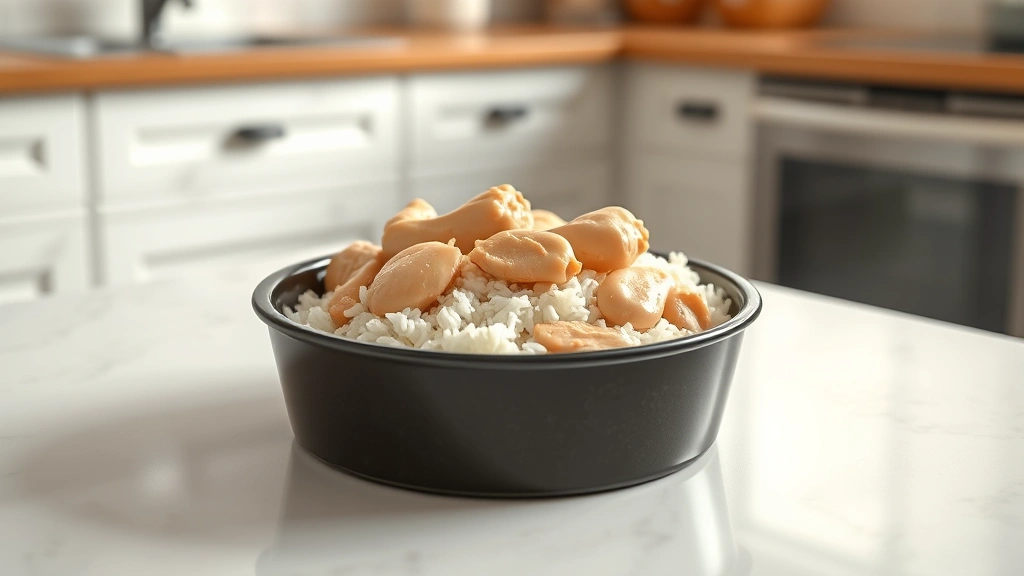
The classic bland diet consists of boiled chicken (no seasoning, no skin) and white rice in a 1:1 ratio. Some pups do better with plain turkey or lean ground beef. The idea is to give their stomach something it can handle without working overtime.
Feed small portions every 3-4 hours instead of one big meal. This prevents overwhelming their digestive tract. Most dogs start improving within 24-48 hours on this regimen. For detailed recipes and variations, check out our bland diet recipes for sick pets guide.
Keep your pup on the bland diet for 5-7 days, then gradually reintroduce their regular food by mixing in small amounts of their normal kibble with the bland food over several days.
Solution 2: Hydration and Electrolyte Balance
Here’s what most dog owners miss: when your dog has diarrhea and vomiting, they’re losing crucial fluids and electrolytes. Dehydration can turn a minor issue into a major problem faster than you’d think.
Offer water frequently in small amounts rather than letting them guzzle a whole bowl. If they’re vomiting after drinking, try ice chips or a wet cloth they can lick. Some dogs do better with hydrating human foods for pets like unsalted bone broth or plain pumpkin puree.
If your dog refuses water or continues vomiting for more than a few hours, contact your vet. They might need IV fluids, which is a sign the situation requires professional intervention.
Solution 3: Pumpkin Puree – Nature’s Digestive Wonder
Canned pumpkin puree is like the Swiss Army knife of dog digestive issues. It works for both diarrhea and constipation because it’s fiber-rich and helps regulate bowel movements.
Add 1-4 tablespoons of plain canned pumpkin (not pie filling with added sugar and spices) to your dog’s bland diet. The soluble fiber helps firm up stools while also soothing the digestive tract. Most dogs see improvement within 24 hours.
For comprehensive information on using this remedy, visit our canned pumpkin for dogs resource. Pumpkin is safe, affordable, and something you can keep on hand for future digestive emergencies.
Solution 4: Probiotics and Gut Health Restoration
Your dog’s gut is full of beneficial bacteria that keep everything running smoothly. When diarrhea and vomiting strike, these good bacteria take a hit. Probiotics help restore the balance.
Look for dog-specific probiotics containing strains like Lactobacillus and Bifidobacterium. Avoid human probiotics, which may contain xylitol—a sweetener that’s toxic to dogs. Quality probiotic supplements designed for dogs can significantly speed recovery and prevent future episodes.
Give probiotics for at least 2-4 weeks after symptoms resolve. This ensures the good bacteria population fully rebounds and your pup’s digestive system gets back to normal functioning.
Solution 5: Knowing When to Call the Vet
Here’s the truth: sometimes home remedies aren’t enough, and your dog needs professional care. This is actually the most important “solution” because recognizing when to seek help can save your dog’s life.
Contact your vet immediately if your dog shows signs of severe dehydration (dry gums, lethargy, loss of skin elasticity), blood in vomit or stool, abdominal pain, fever, or if symptoms persist beyond 48 hours despite home treatment. Puppies and senior dogs need faster intervention than healthy adults.
Your vet might recommend prescription medications, diagnostic testing, or dietary modifications specific to your dog’s condition. For personalized guidance, consider our virtual vet consultation for diet questions service.
Common Causes Beyond Simple Upset Stomach
While most cases of dog diarrhea and vomiting resolve with home care, sometimes there’s an underlying issue. Pancreatitis, food allergies, inflammatory bowel disease, and parasites all cause these symptoms. If your dog has chronic digestive issues, your vet needs to investigate deeper.
Certain human foods can trigger serious problems. For instance, if your dog accidentally ate something toxic, you need to know immediately. Check our guide on chocolate toxicity in pets if there’s any chance they got into something dangerous.
Dogs with pancreatitis have specific dietary needs, and you’ll want to review our article on human foods for pets with pancreatitis if your vet confirms this diagnosis.
Prevention: Keeping Your Dog’s Digestion Healthy
The best cure is prevention. Keep your dog away from table scraps, trash, and foods toxic to dogs. Maintain a consistent feeding schedule with high-quality food. Introduce any dietary changes gradually over 7-10 days.
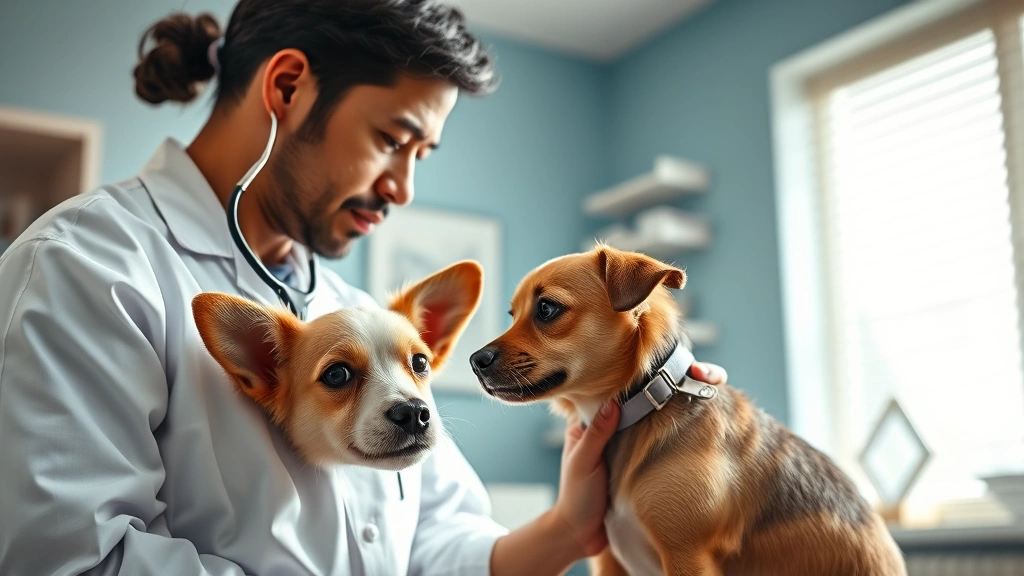
Keep your dog’s vaccinations and parasite prevention up to date. Regular vet checkups catch issues before they become serious. If your dog has a sensitive stomach, work with your vet to find a food formula that keeps them thriving.
Recovery Timeline: What to Expect
Most dogs recover from simple cases of diarrhea and vomiting within 2-5 days with proper home care. You’ll notice your pup’s energy returning, appetite improving, and stools firming up. Gradually transition back to regular food over 5-7 days to prevent relapse.
If improvement stalls or worsens, that’s your signal to get professional help. Every dog is different, and some conditions require veterinary intervention from the start.
Frequently Asked Questions
How long should I wait before calling the vet about dog diarrhea and vomiting?
If your dog vomits more than once or has diarrhea lasting beyond 24 hours, contact your vet. For puppies, seniors, or dogs with health conditions, call sooner. If you see blood, extreme lethargy, or signs of pain, don’t wait—call immediately.
Can I give my dog regular food if they’re vomiting?
No. Regular food is too rich and will likely trigger more vomiting. Stick with bland options like boiled chicken and rice for at least 5-7 days. Gradual reintroduction of normal food is key.
Is canned pumpkin safe for all dogs?
Yes, plain canned pumpkin puree (not pie filling) is safe for virtually all dogs. It’s especially helpful because it works for both diarrhea and constipation. Just avoid the sugary pie filling versions.
What’s the difference between gastroenteritis and other digestive issues?
Gastroenteritis is inflammation of the stomach and intestines, causing both vomiting and diarrhea. It’s usually temporary and caused by dietary indiscretion or minor infections. More serious conditions like pancreatitis or IBD require specific veterinary diagnosis and treatment.
Should I fast my dog when they have diarrhea and vomiting?
Short fasting (4-8 hours) can help, but don’t fast longer without vet guidance. Once vomiting stops, introduce bland foods in small, frequent portions. Prolonged fasting can actually slow recovery.
Summary: Getting Your Pup Back on Track
Dog diarrhea and vomiting might seem like a nightmare, but most cases respond beautifully to simple home remedies. Start with a bland diet, ensure proper hydration, add pumpkin puree, consider probiotics, and know when to call your vet. Most dogs bounce back within days.
Remember: you know your dog best. If something feels off or symptoms persist, trust your instincts and get professional help. Your vet is your partner in keeping your furry friend healthy and happy. With these proven solutions and a little patience, your dog will be back to their normal self soon.





