
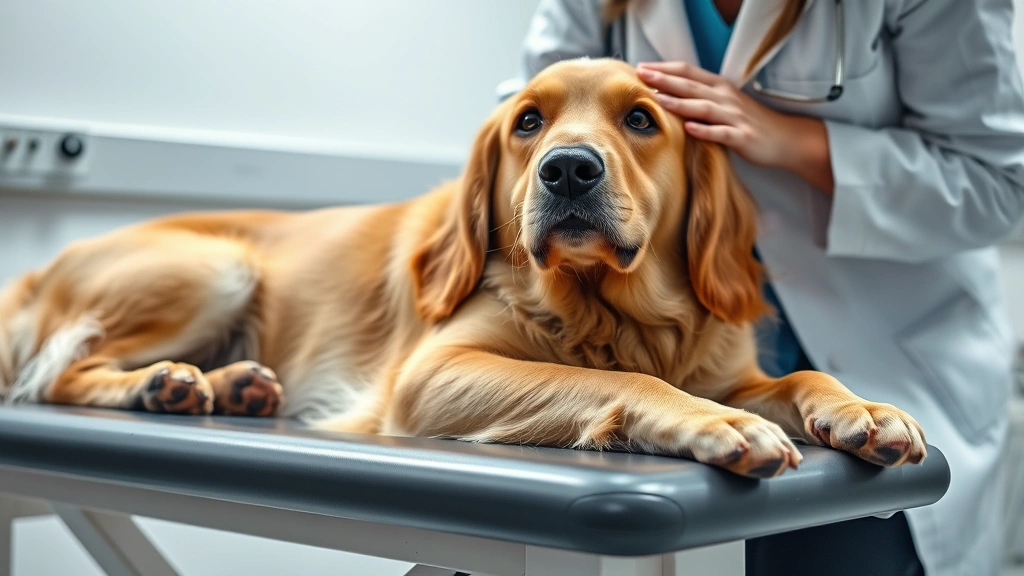
If your pup’s rear end is staging a horror movie, complete with bloody diarrhea, it’s time to put on your detective hat—because dog diarrhea with blood is your furry friend’s way of screaming “something’s wrong!” This isn’t just an upset stomach from stealing garbage; bloody stools are a red flag (literally) that demands attention. Let’s dig into what’s causing this mess and how to fix it.
Table of Contents
- Why Is Your Dog’s Poop Suddenly Resembling a Crime Scene?
- Cause #1: Parasitic Infections and Intestinal Worms
- Cause #2: Food Allergies and Dietary Sensitivities
- Cause #3: Inflammatory Bowel Disease (IBD)
- Cause #4: Bacterial or Viral Infections
- Cause #5: Trauma, Tumors, or Anal Gland Issues
- How to Identify Bloody Diarrhea vs. Normal Poop Problems
- When to Rush to the Emergency Vet Right Now
- Treatment Options: From Home Care to Veterinary Intervention
- Dietary Management and Recovery
- Prevention: Keeping Your Dog’s Gut Happy
- Frequently Asked Questions
- Wrapping Up: Your Dog Needs You to Act
Why Is Your Dog’s Poop Suddenly Resembling a Crime Scene?
When your dog develops bloody diarrhea, it’s usually their digestive system waving a white flag. The blood can come from anywhere along the GI tract—from the stomach to the colon—and the color and consistency tell you where the trouble started. Bright red blood typically means the issue is lower in the digestive tract (like the colon or rectum), while darker, tarry stools suggest upper GI bleeding. Either way, it’s not something to ignore while binge-watching Netflix.
Cause #1: Parasitic Infections and Intestinal Worms
Your dog doesn’t need to be rolling in mud puddles to pick up parasites. Hookworms, whipworms, and roundworms are common culprits that cause bloody diarrhea, especially in puppies and dogs with weak immune systems. These little freeloaders damage the intestinal lining, leading to bleeding and inflammation. If your dog hasn’t been on a regular deworming schedule, this is probably your villain. The American Kennel Club recommends routine parasite prevention as part of basic dog care. Check out our guide on when to call the vet about food to understand when this becomes urgent.
Cause #2: Food Allergies and Dietary Sensitivities
Your dog’s stomach might be throwing a tantrum because of what’s in their bowl. Food allergies in pets can trigger inflammation in the digestive tract, causing bloody diarrhea. Common culprits include chicken, beef, dairy, and grains. Some dogs develop sensitivities to new foods or treats seemingly overnight. If you recently switched brands or introduced human food, your pup might be staging a protest. The solution? An elimination diet under veterinary guidance to identify the offender.
Cause #3: Inflammatory Bowel Disease (IBD)
IBD isn’t just for humans—dogs get it too, and it’s a chronic condition that causes intestinal inflammation and bloody stools. This autoimmune condition requires long-term management and dietary adjustments. Dogs with IBD often experience recurring episodes of bloody diarrhea, weight loss, and lethargy. It’s not curable, but it’s manageable with the right treatment plan. Your vet might recommend prescription diets or medications to keep it under control. Get professional advice through our virtual pet checkup service for initial guidance.
Cause #4: Bacterial or Viral Infections
Sometimes your dog’s gut gets invaded by unwanted bacteria or viruses. Salmonella, E. coli, and canine parvovirus can all cause bloody diarrhea accompanied by vomiting, fever, and lethargy. These infections are especially dangerous for puppies and senior dogs. Viral infections like parvovirus are serious business—they can be life-threatening without proper treatment. This is where “call your vet immediately” becomes non-negotiable. PetMD’s veterinary experts emphasize that infectious causes require rapid diagnosis and treatment.
Cause #5: Trauma, Tumors, or Anal Gland Issues
Sometimes the problem is mechanical rather than infectious. Eating something sharp, intestinal blockages, or even anal gland impaction can cause bloody diarrhea. In older dogs, tumors in the digestive tract become a possibility. While less common than infections or allergies, these issues can be serious and require imaging or professional examination to diagnose properly. Don’t assume it’s always something simple—bloody stools deserve investigation.
How to Identify Bloody Diarrhea vs. Normal Poop Problems
Not all loose stools are created equal. True bloody diarrhea contains visible blood—either bright red streaks or dark, tarry consistency. If your dog is straining, having accidents in the house, or showing signs of abdominal pain (hunched posture, whining), these are red flags. The frequency matters too; occasional loose stool is normal, but consistent bloody diarrhea over 24-48 hours needs professional evaluation. Trust your gut (pun intended) and when in doubt, contact your vet.
When to Rush to the Emergency Vet Right Now
Some situations require immediate action, not “I’ll call Monday morning.” If your dog has bloody diarrhea accompanied by vomiting, lethargy, fever, pale gums, or signs of shock (collapse, rapid breathing), head to the emergency clinic NOW. Severe bleeding or signs of infection can quickly become life-threatening. Puppies under six months and senior dogs are higher risk. Don’t be a hero—let the professionals handle it. Our online vet advice for food reactions can help you assess urgency.
Treatment Options: From Home Care to Veterinary Intervention
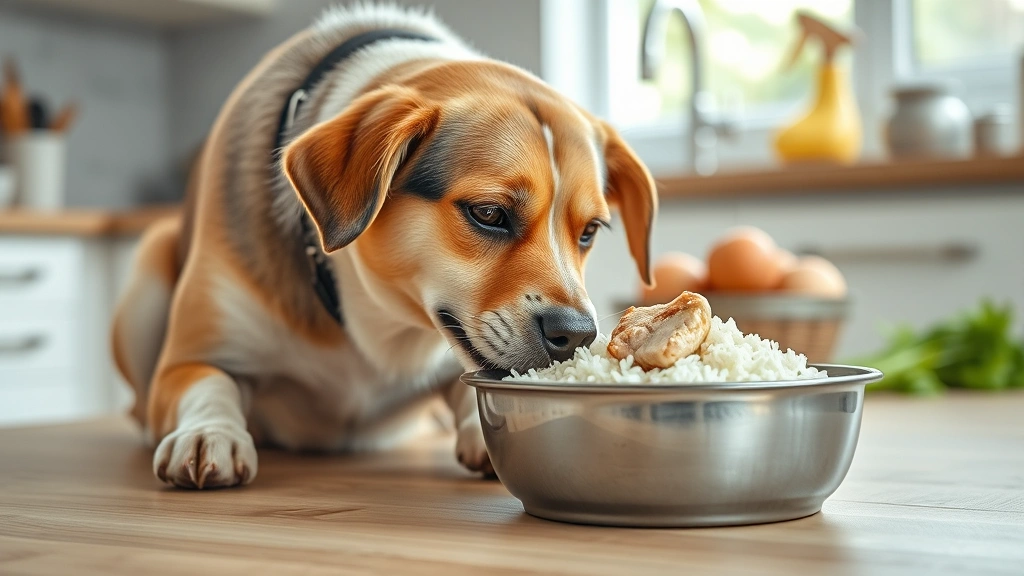
Your vet’s approach depends on the underlying cause. For mild cases from dietary issues, they might recommend fasting for 12-24 hours followed by a bland diet (boiled chicken and rice). Canned pumpkin for dogs can help normalize stool consistency. For parasites, deworming medication is straightforward. Infections might require antibiotics or antivirals. Inflammatory conditions need prescription diets or immunosuppressive medications. Serious cases like parvovirus require hospitalization with IV fluids and supportive care. The point? Don’t self-diagnose—let your vet determine what your dog actually needs.
Dietary Management and Recovery
Once your vet diagnoses the problem, diet becomes crucial for recovery. Many vets recommend low-fat human food options temporarily, like plain boiled chicken, sweet potato, and white rice. Avoid fatty foods, dairy, and anything spicy. Some dogs benefit from prescription digestive diets formulated for sensitive stomachs. Probiotics designed for dogs can help restore healthy gut bacteria. Transition back to regular food slowly—abrupt changes can trigger another episode. Patience during recovery prevents relapse.
Prevention: Keeping Your Dog’s Gut Happy
An ounce of prevention beats a pound of bloody diarrhea. Keep your dog on a consistent diet—avoid random table scraps and sudden food switches. Maintain regular deworming and parasite prevention year-round, even for indoor dogs. Ensure vaccinations are current, especially parvovirus protection. Practice good hygiene: wash hands after handling other dogs, and keep your pup away from contaminated areas. Feed high-quality food appropriate for your dog’s age and health status. Regular vet checkups catch problems early before they become emergencies.
Frequently Asked Questions
Is bloody diarrhea in dogs always an emergency?
Not always, but it should never be ignored. Small amounts of bright red blood with otherwise normal behavior might wait until your regular vet appointment. However, large amounts of blood, repeated episodes, or accompanying symptoms like vomiting, lethargy, or fever warrant immediate veterinary attention. When in doubt, call your vet for guidance—they know your dog’s history.

Can I treat bloody diarrhea at home?
Minor cases from dietary indiscretion might improve with fasting and bland food, but you’re guessing at the cause. Parasites, infections, and inflammatory conditions need professional diagnosis and treatment. Home care alone won’t fix bacterial infections or IBD. Always get a professional opinion before attempting home treatment.
How long does it take for bloody diarrhea to resolve?
It depends entirely on the cause. Dietary issues might resolve in 3-5 days with dietary change. Parasitic infections typically improve within a week of deworming. Bacterial infections need 7-14 days of antibiotics. Inflammatory conditions are chronic and require ongoing management. Your vet can give you realistic timelines based on your dog’s specific diagnosis.
Can bloody diarrhea indicate cancer in dogs?
While tumors are a possible cause, they’re relatively uncommon in younger dogs. Older dogs with bloody diarrhea should be evaluated for this possibility, but it’s usually not the first diagnosis. Your vet will perform appropriate testing if cancer is suspected.
What’s the difference between blood in stool and bloody diarrhea?
Bloody diarrhea means the stool is loose or liquid with visible blood. Blood in stool can refer to any presence of blood, regardless of consistency. Both warrant veterinary evaluation, though bloody diarrhea suggests more active inflammation or bleeding.
Wrapping Up: Your Dog Needs You to Act
Bloody diarrhea isn’t something to hope goes away on its own. Whether it’s parasites, food sensitivities, infections, or something more serious, your dog’s bloody stools are a cry for help. Don’t panic, but do take action—contact your vet, describe what you’re seeing, and get professional guidance. With proper diagnosis and treatment, most dogs bounce back quickly. Your vigilance today could prevent a serious health crisis tomorrow. Now get that pup to the vet and let’s get their digestive system back on track!





