
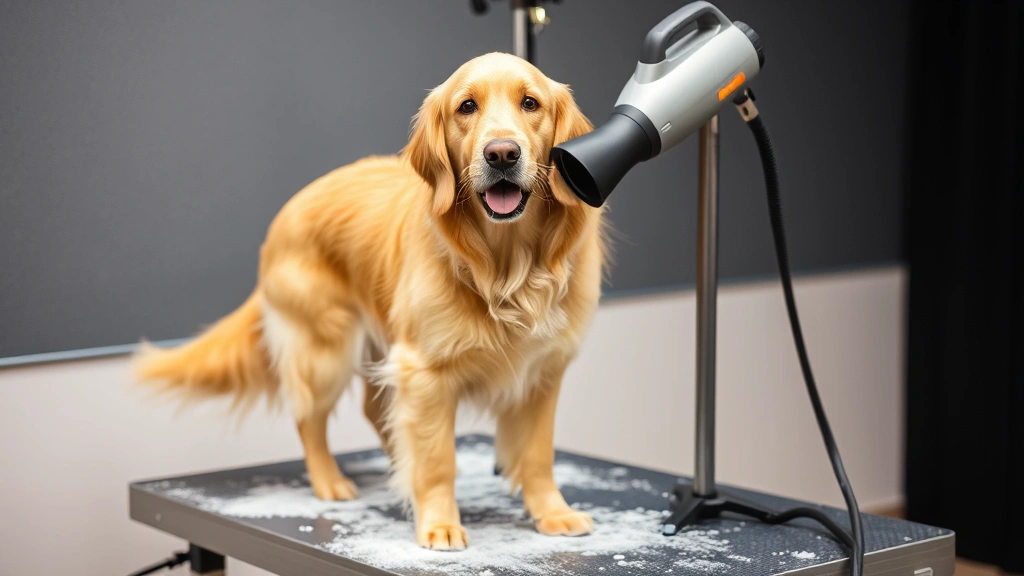
A dog dryer is basically a game-changer for pet parents who are tired of their furry friends looking like drowned rats after bath time. Whether you’ve got a Golden Retriever with a coat thicker than a winter blanket or a Poodle that needs professional-level grooming, investing in the right pet drying equipment can save you time, money, and sanity. Let’s dive into everything you need to know about choosing and using a dog dryer that’ll have your pup looking salon-fresh at home.
Table of Contents
- Why Every Dog Owner Needs a Dog Dryer
- Understanding Dog Dryer Types and Pet Grooming Solutions
- Heat Settings Matter: Safety First for Your Pup
- Noise Level: Keeping Stress Low During Drying Sessions
- Top Features to Look for in the Best Dog Dryer Models
- Best Dog Dryer Models for Different Coat Types
- Step-by-Step Guide to Using Your Dog Dryer Safely
- Maintenance Tips to Keep Your Dog Dryer Running Strong
- Professional vs. DIY Grooming: When to Use a Dog Dryer at Home
- Common Dog Dryer Mistakes to Avoid
- Budget Breakdown: Finding the Right Dog Dryer for Your Wallet
- Frequently Asked Questions
- Summary: Choosing Your Perfect Dog Dryer
Why Every Dog Owner Needs a Dog Dryer
Forget about towel-drying your dog for 45 minutes while they shake water everywhere like a furry sprinkler system. A quality dog dryer cuts drying time dramatically—we’re talking 10-20 minutes instead of hours. Beyond convenience, proper drying prevents matting in long-haired breeds, reduces the risk of ear infections (moisture trapped in floppy ears is a bacteria’s dream home), and keeps your pup’s coat healthy and shiny. Plus, your dog gets used to the process, making grooming day way less stressful for everyone involved.
Understanding Dog Dryer Types and Pet Grooming Solutions
Not all dog dryers are created equal, and choosing the wrong one is like buying a hair dryer that only works on one setting. There are three main types: stand dryers (hands-free, perfect for grooming tables), handheld dryers (portable and versatile), and cage dryers (great for multiple pets or professional grooming). Stand dryers are ideal if you’re serious about pet grooming and have the space. Handheld models offer flexibility and work great for quick touch-ups. Cage dryers are the budget-friendly option but require more supervision. Each type has different heat settings, noise levels, and airflow power—factors that directly impact your dog’s comfort and safety.
Heat Settings Matter: Safety First for Your Pup
Here’s where a lot of people mess up: blasting your dog with high heat is basically asking for skin irritation, burns, or stress. The best dog dryer models come with adjustable heat settings, letting you choose between low, medium, and high depending on your dog’s coat type and sensitivity. Double-coated breeds like German Shepherds and Golden Retrievers actually benefit from higher heat paired with proper technique, while short-haired breeds do better on lower settings. Always test the temperature on your inner wrist first—if it’s too hot for you, it’s definitely too hot for Fido. Most professional-grade dryers include a thermostat that prevents overheating, which is a feature worth paying extra for.

Noise Level: Keeping Stress Low During Drying Sessions
Your dog’s hearing is way more sensitive than yours—what sounds like a gentle hum to you might sound like a jet engine to them. A loud dog dryer can cause anxiety, stress-related behaviors, or even hearing damage over time. Look for models that operate at 70-80 decibels or lower (most quality dryers specify this). Quieter dryers typically cost more, but they’re worth it if you want your pup to actually tolerate grooming. Some pet owners use noise-reducing techniques like dryer covers or running the dryer in short bursts, but honestly, investing in a quieter model from the start is the smarter move. Your dog’s mental health during grooming is just as important as their physical appearance.
Top Features to Look for in the Best Dog Dryer Models
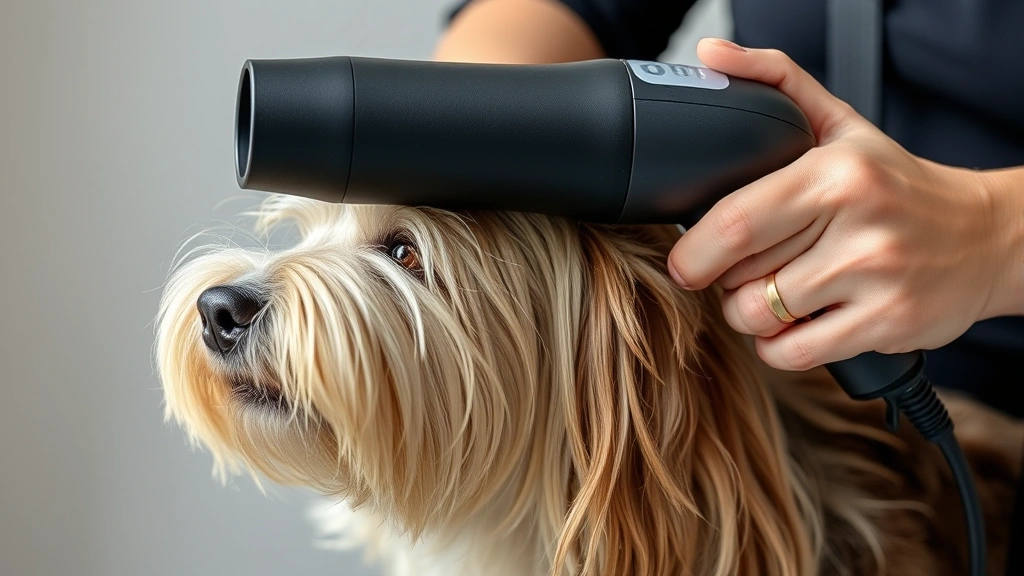
When shopping for a dog dryer, focus on these key features: adjustable heat and speed settings, low noise operation (under 85 decibels), lightweight design for handheld models, a variety of nozzle attachments, and ideally a cool-down feature. Professional-grade dryers should have at least 2000+ watts of power for efficient drying without excessive heat exposure. Ergonomic handles on handheld models reduce fatigue during longer grooming sessions. A good dog dryer should also be easy to clean and maintain—pet hair gets everywhere, and you don’t want a machine that clogs constantly. Water resistance is another bonus feature, especially if you’re using it right after bathing your pup. Check reviews specifically mentioning durability; a dryer that lasts 5+ years beats a cheap model that dies after one season.
Best Dog Dryer Models for Different Coat Types
For double-coated breeds needing serious drying power, stand dryers like the Flying Pig Grooming Dryer are industry favorites—they’re powerful, hands-free, and built to last. If you’ve got a Doodle mix or curly-haired pup, a high-velocity handheld dryer works magic at separating and fluffing the coat. Short-haired breeds do fine with basic handheld models or even cage dryers. The MetroVac Air Force Dryer is a popular mid-range choice offering good power without breaking the bank. For budget-conscious pet parents, cage dryers provide decent results if you’re patient. Professional groomers often swear by velocity dryers that use high-speed air rather than intense heat—these are gentler on sensitive skin while still drying efficiently. Your choice really depends on your dog’s coat type, your budget, and how frequently you’ll be using the dryer. Check out our guide on cruelty-free pet supplies for eco-conscious grooming options.
Step-by-Step Guide to Using Your Dog Dryer Safely
First, bathe your dog and squeeze out excess water with towels—you’re not trying to dry a soaking-wet pup from scratch. Start with the dryer on low heat and low speed, letting your dog get used to the sensation and noise. Work methodically from head to tail, avoiding sensitive areas like eyes, ears, and the nose. For handheld dryers, keep the nozzle 6-12 inches away from the skin to prevent burns. Brush as you dry to prevent matting and help the warm air penetrate the coat. Take breaks every 5-10 minutes to let your dog cool down and check their comfort level. Never force a stressed dog—if they’re panicking, stop and try again later or consider professional grooming. The entire process should feel like a positive experience, not a battle. Some dogs do better with the dryer running in the background while they eat treats, gradually building tolerance.

Maintenance Tips to Keep Your Dog Dryer Running Strong
A well-maintained dog dryer lasts longer and works more efficiently. Clean the intake filter regularly—pet hair accumulates fast and reduces airflow. Check the power cord for damage before each use. Store in a dry location away from moisture and dust. If using a handheld model, let it cool between sessions to prevent overheating the motor. For stand dryers, wipe down the exterior and check all connections monthly. Some models have replaceable filters or nozzles; invest in spares so you’re never without your grooming tool. If your dryer starts making weird noises or losing power, don’t ignore it—these are signs of motor strain. Regular maintenance costs nothing but saves you from replacing a $200+ piece of equipment. Learn more about sustainable pet care at planet conscious pet care.
Professional vs. DIY Grooming: When to Use a Dog Dryer at Home
Using a dog dryer at home doesn’t make you a professional groomer, but it definitely helps maintain your dog’s coat between professional visits. DIY drying works great for regular maintenance, touch-ups, and keeping costs down. However, if your dog has matting, skin conditions, or severe anxiety around grooming, professional groomers have the experience and equipment to handle it safely. Many pet parents use a hybrid approach: professional grooming every 6-8 weeks for full grooming, and at-home drying after baths on regular days. This saves money while keeping your pup looking sharp. If you’re interested in eco-friendly grooming practices, check out bamboo pet products for sustainable grooming tools.
Common Dog Dryer Mistakes to Avoid
Don’t use human hair dryers on dogs—they get way too hot and don’t have the right safety features. Avoid drying a dog with wet ears; moisture trapped inside leads to ear infections, especially in floppy-eared breeds. Never leave a dog unattended while using a dryer, even for a second. Don’t assume your dog will be fine with high heat just because they have a thick coat—always start low and adjust based on their comfort. Skipping the brush-out before drying causes matting that’s a nightmare to remove later. Don’t ignore your dog’s stress signals; panting, whining, and trying to escape mean it’s time to stop. Finally, don’t cheap out on a dryer so much that you end up with a loud, underpowered machine that stresses everyone out. A mid-range quality dryer beats a budget model every single time.
Budget Breakdown: Finding the Right Dog Dryer for Your Wallet
Budget dog dryers ($50-150) are basic cage or handheld models—fine for occasional use but loud and slow. Mid-range dryers ($150-400) offer better power, quieter operation, and more features—this is where most pet owners find the sweet spot. Professional-grade dryers ($400-1000+) are built for heavy use, have superior noise control, and last years longer. For most home users, a mid-range handheld or small stand dryer hits the perfect balance of performance and cost. Consider how often you’ll use it: if it’s weekly, invest in quality. If it’s monthly, a budget model might suffice. Remember that a good dryer saves you money on professional grooming over time, so the upfront investment pays for itself. For budget-conscious pet parents, explore pet nutrition advice to balance grooming costs with overall pet care spending.
Frequently Asked Questions
Is a dog dryer necessary, or can I just use towels?
Towels work for quick dry-offs, but they don’t fully dry the coat, especially on double-coated or long-haired breeds. A dog dryer prevents matting, reduces drying time from hours to minutes, and helps maintain coat health. For dogs with floppy ears or skin conditions, proper drying is actually important for preventing infections.

How often should I use a dog dryer?
This depends on your dog’s coat type and bathing schedule. If you bathe your dog weekly, you’ll use the dryer weekly. Most pet owners bathe their dogs every 4-8 weeks, so that’s how often you’d need the dryer. Between baths, spot-cleaning and brushing are usually sufficient.
Can a dog dryer hurt my pet’s skin or coat?
Not if used correctly. High heat or holding the dryer too close can cause burns or irritation, but using low-to-medium heat with proper distance (6-12 inches) is safe. Always test temperature on your wrist first, and never leave the dryer in one spot for too long.
What’s the difference between a high-velocity dryer and a regular dog dryer?
High-velocity dryers use speed and air pressure rather than intense heat to dry the coat. They’re gentler on sensitive skin, prevent matting better, and are preferred by many professional groomers. Regular dryers rely more on heat, which can be drying to the skin if used improperly.
How do I get my anxious dog used to the dog dryer?
Start slow: let them see and hear the dryer before using it. Run it nearby while giving treats. Use it on low settings for just 30 seconds at a time, gradually building duration. Some dogs respond better to white noise or calming music playing simultaneously. If anxiety is severe, consider professional grooming.
Are cage dryers effective for home use?
Cage dryers work but require more time and supervision. They’re gentler on anxious dogs since the dog isn’t being held, but drying takes longer. They’re great for multi-pet households or if your dog is extremely stressed by handheld dryers.
Summary: Choosing Your Perfect Dog Dryer
Investing in a quality dog dryer transforms your home grooming routine from a frustrating chore into a manageable task. Whether you choose a handheld model for flexibility, a stand dryer for hands-free convenience, or a cage dryer for gentle drying, prioritize adjustable heat settings, low noise operation, and build quality. Remember that the cheapest option rarely delivers the best results—a mid-range dryer offers the perfect balance of performance, durability, and cost-effectiveness. Start with low heat, use proper technique, and always prioritize your dog’s comfort and safety. With the right dog dryer and a little patience, your pup will be looking grooming-salon-ready in no time, and you’ll actually enjoy the grooming process instead of dreading it.





