
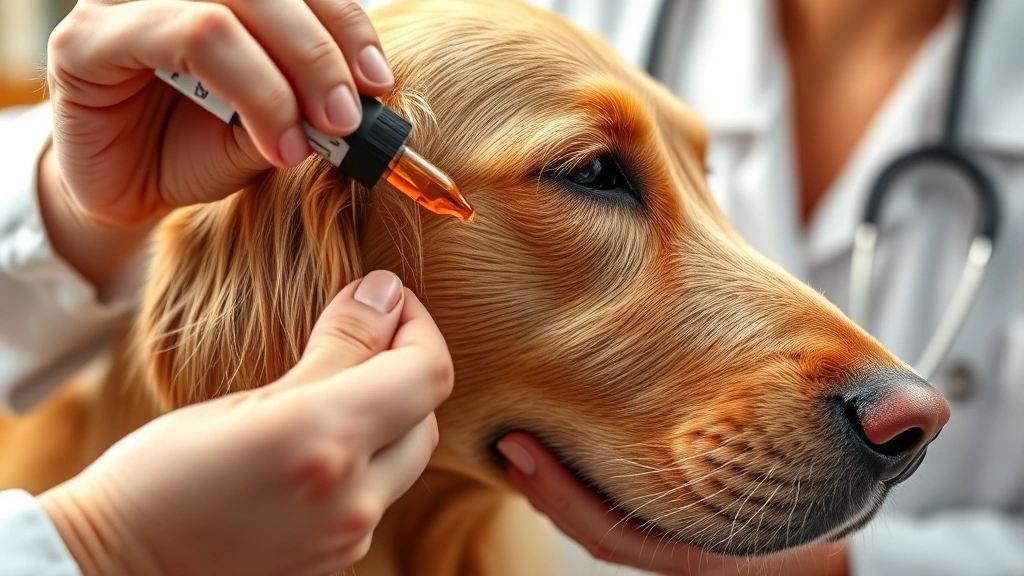
If your furry friend has been scratching at their ears like they’re auditioning for a heavy metal band, it’s time to talk about dog ear drops—the unsung heroes of canine ear health. Ear issues in dogs are incredibly common, affecting everything from floppy-eared Cocker Spaniels to perky-eared Corgis. The good news? The right dog ear drops can transform your pup from an itchy, uncomfortable mess into a happy, head-shaking-free zone.
Table of Contents
- Why Your Dog’s Ears Need Attention
- Types of Dog Ear Drops Explained
- How to Apply Dog Ear Drops Like a Pro
- Prescription vs. Over-the-Counter Dog Ear Drops
- Best Dog Ear Drops on the Market
- Natural and Holistic Alternatives
- Prevention: Stop Ear Problems Before They Start
- When to See Your Vet About Ear Issues
- Common Mistakes When Using Dog Ear Drops
- The Recovery Timeline: What to Expect
- Frequently Asked Questions
- Final Thoughts on Dog Ear Drops
Why Your Dog’s Ears Need Attention
Dog ears are basically tiny, moist caves that bacteria and yeast absolutely love. It’s like a five-star resort for ear infections. Your pup’s ears produce natural oils and wax, which is great in moderation but becomes a problem when moisture gets trapped inside. This is especially true for dogs with floppy ears—those adorable droopy appendages create the perfect environment for trouble.
Common culprits include ear mites, bacterial infections, yeast overgrowth, and allergies. Some dogs are just prone to ear issues, while others might develop them after swimming or getting water in their ears during bath time. Whatever the cause, dog ear drops are often the first line of defense your vet will recommend.
Types of Dog Ear Drops Explained
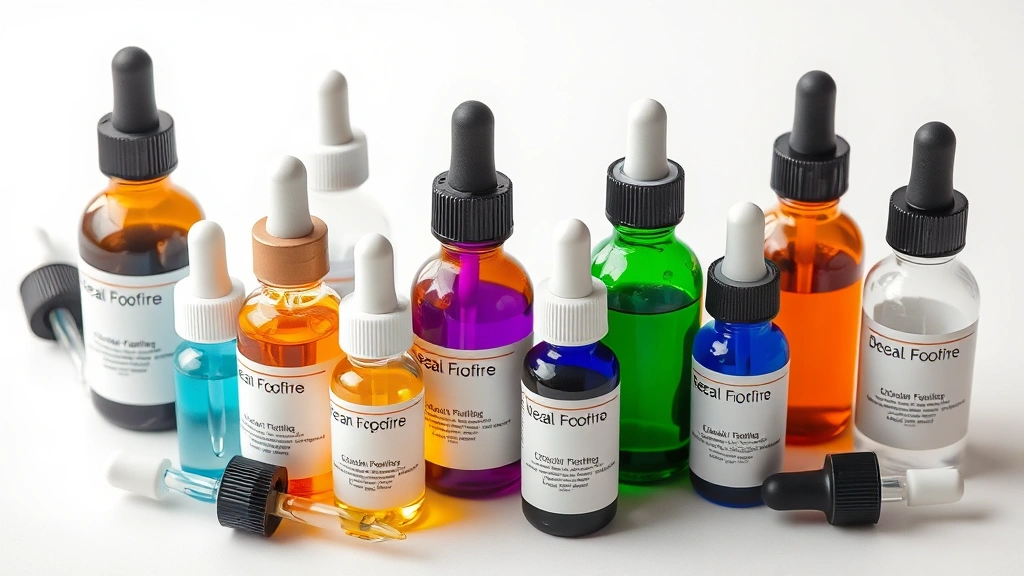
Not all dog ear drops are created equal. Understanding the different types helps you know what you’re dealing with and why your vet recommended a specific product.
Antibiotic Ear Drops: These bad boys contain antibiotics like neomycin or gentamicin to fight bacterial infections. They’re prescription-only because they pack serious punch and need professional oversight.
Antifungal Ear Drops: If yeast is the villain in your dog’s ear story, antifungal drops containing miconazole or clotrimazole are your answer. Yeast infections are sneaky and persistent, so these drops are essential.
Anti-inflammatory Drops: Sometimes the inflammation itself is the problem. These drops reduce swelling and discomfort, often containing hydrocortisone or dexamethasone.
Combination Formulas: Many prescription drops combine antibiotics, antifungals, and anti-inflammatories in one bottle. It’s like the Swiss Army knife of ear care.
Natural and Organic Options: If you’re concerned about herbs safe for pets, some natural dog ear drops use tea tree oil, aloe vera, or other plant-based ingredients. These are gentler but may be less effective for serious infections.
How to Apply Dog Ear Drops Like a Pro
Applying dog ear drops correctly is half the battle. Here’s the step-by-step process that actually works:
Step 1: Gather your supplies—the drops, a cotton ball, and maybe some treats for bribery. Yes, treats are essential.
Step 2: Have your dog sit or lie down in a comfortable position. Some people find it easier to do this on a grooming table or even the bathroom floor for easy cleanup.
Step 3: Gently lift your dog’s ear flap and look inside. If it’s visibly dirty, use a cotton ball (never a Q-tip!) to gently clean away excess debris. Check out our guide on pet food safety for other health fundamentals.
Step 4: Hold the bottle at body temperature or warm it slightly under warm water. Cold drops feel shocking and your dog won’t appreciate it.
Step 5: Squeeze the recommended number of drops directly into the ear canal. Most vets suggest 5-10 drops per ear.
Step 6: Massage the base of the ear gently for about 30 seconds. You’ll hear a squelchy sound—that’s normal and means the drops are distributing properly.
Step 7: Let your dog shake their head. They will. Let them. It’s part of the process.

Step 8: Praise like crazy and give treats. Positive reinforcement makes future applications way easier.
Prescription vs. Over-the-Counter Dog Ear Drops
This is where things get interesting. Over-the-counter dog ear drops are widely available and can help with minor issues, but they have limitations.
OTC drops work best for maintenance, mild irritation, or prevention after swimming. However, if your dog has a genuine infection confirmed by your vet, you’ll need prescription-strength drops. Why? Because your vet can identify the specific culprit—whether it’s bacteria, yeast, or ear mites—and prescribe accordingly. Using the wrong type of drop on the wrong infection is like bringing a water gun to a snowball fight.
Your veterinarian can also examine your dog’s ear with an otoscope to see what’s really happening in there. That professional diagnosis is worth its weight in gold. If you’re considering pet telehealth options, many vets offer virtual consultations for follow-ups.
Best Dog Ear Drops on the Market
While I can’t recommend specific brands without knowing your dog’s exact condition, I can tell you what to look for. The best dog ear drops for your pup should:
- Be prescribed or recommended by your veterinarian
- Target the specific problem (bacterial, fungal, or parasitic)
- Have minimal side effects
- Come with clear application instructions
- Show results within 7-10 days
Popular prescription options include Otomax, Mometamax, and Tresaderm. Over-the-counter favorites include Zymox and Epi-Otic. Again, your vet is your best resource for what’s actually appropriate for your dog’s situation.
Natural and Holistic Alternatives
Some pet parents prefer a more natural approach. While these shouldn’t replace veterinary treatment for confirmed infections, they can help with maintenance and prevention.
Apple cider vinegar diluted with water (50/50 mix) can help maintain ear pH balance. Coconut oil has natural antifungal properties. Vitamin E oil can soothe irritated skin. However, these should only be used on clean, healthy ears without active infections. If you’re interested in natural pet care, explore our resource on earth-friendly flea control for other holistic pet health options.
Prevention: Stop Ear Problems Before They Start
The best dog ear drops are the ones you never have to use. Prevention is genuinely easier than treatment.
Regular Cleaning: Clean your dog’s ears weekly with a vet-approved cleanser. This removes debris and keeps the environment less hospitable to infections.
Dry Ears: After swimming or baths, dry your dog’s ears thoroughly with a soft cloth. Moisture is the enemy.
Allergy Management: Many ear infections stem from allergies. Managing your dog’s overall health and allergies prevents ear issues downstream.
Ear Hair Removal: Some breeds need their ear canals plucked to improve air circulation. Your groomer or vet can handle this.
Diet Quality: A healthy immune system fights infections better. Quality nutrition matters. Check our guide on pet food safety to ensure your dog’s diet supports ear health.
When to See Your Vet About Ear Issues
Not every ear issue requires a vet visit, but some definitely do. See your veterinarian if your dog shows:
- Excessive scratching or head shaking
- Discharge from the ears (yellow, brown, or bloody)
- Foul odor coming from the ears
- Swelling or redness inside the ear
- Loss of hearing or balance issues
- Symptoms lasting more than a few days despite home care
Your vet might recommend medication like Carprovet for dogs if there’s pain involved, or they might suggest additional diagnostics like ear cytology to identify the exact problem.
Common Mistakes When Using Dog Ear Drops
Even well-intentioned pet parents make mistakes with dog ear drops. Here are the biggies to avoid:
Mistake #1: Stopping treatment too early. Even if your dog’s ears look better after a few days, finish the full course. Infections love to come roaring back.
Mistake #2: Using Q-tips in the ear canal. Seriously, don’t. You can damage the eardrum or pack debris deeper inside.
Mistake #3: Not cleaning the ear first. Debris blocks the drops from reaching infected tissue. Clean first, drop second.
Mistake #4: Using expired drops. Check the expiration date. Old drops lose potency and can harbor bacteria.
Mistake #5: Sharing drops between dogs. Even if both dogs have ear infections, they might have different causes. Cross-contamination is real.
The Recovery Timeline: What to Expect
Most dogs show improvement within 3-5 days of starting appropriate dog ear drops. However, complete resolution typically takes 7-14 days. Some stubborn infections might need three weeks of treatment.
You should notice your dog scratching less, shaking their head less frequently, and generally acting more comfortable. If you don’t see improvement after a week, contact your vet. The infection might be resistant to the current treatment, or there might be something else going on entirely.
Frequently Asked Questions
Can I use human ear drops on my dog?
Absolutely not. Human ear drops are formulated for human anatomy and pH balance. What’s safe for us can be toxic for dogs. Always use products specifically designed for canine ears.
How often should I clean my dog’s ears?
For most dogs, weekly cleaning is ideal. Dogs prone to ear infections might need twice-weekly cleaning. Breeds with floppy ears generally need more frequent attention than those with upright ears.
Are ear mites contagious to other pets?
Yes, ear mites are highly contagious between pets. If one dog has them, treat all your pets. Your vet can recommend appropriate preventatives for your other animals.
What’s the difference between ear mites and ear infections?
Ear mites are parasites that cause intense itching and dark, crumbly discharge. Bacterial or yeast infections cause discharge too, but it’s usually more liquid and might smell bad. Only your vet can definitively diagnose which one your dog has.
Can allergies cause ear infections?
Absolutely. Allergies cause inflammation and excess ear wax production, creating the perfect environment for secondary infections. Treating the underlying allergy helps prevent recurring ear problems.
Is it normal for dog ears to smell?
Healthy dog ears have a minimal, mild odor. A strong, unpleasant smell indicates infection. Trust your nose—if something smells off, it probably is.
Final Thoughts on Dog Ear Drops
Dog ear drops are a simple yet powerful tool for maintaining your pup’s ear health. Whether you’re dealing with an active infection or preventing future problems, the right approach makes all the difference. Work closely with your veterinarian, follow application instructions carefully, and don’t hesitate to reach out if things aren’t improving as expected.
Your dog will thank you with head tilts, ear flaps, and the kind of comfort that comes from finally being itch-free. Because really, that’s what it’s all about—keeping our furry friends happy, healthy, and ready for whatever adventures come next.





