
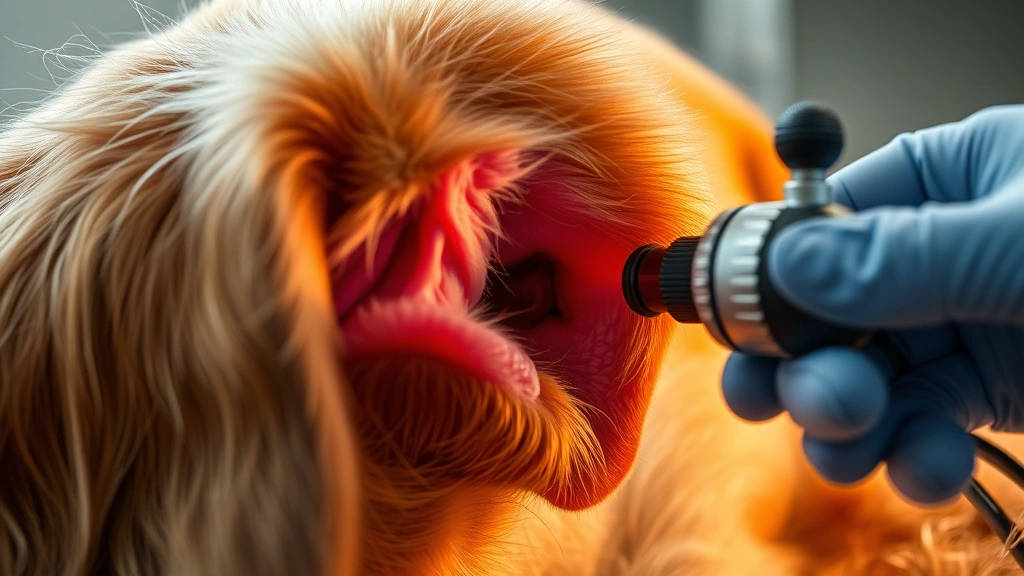
If your pup has been scratching their ears like they’re auditioning for a heavy metal band, you might be dealing with ear mites—and dog ear mite treatment is probably at the top of your to-do list right now. These tiny parasites are about as welcome as uninvited guests at a dinner party, but the good news? They’re totally treatable. Let’s dive into five proven solutions that actually work, so your furry friend can get back to enjoying life without the constant ear-scratching soundtrack.
Table of Contents
- What Are Ear Mites and Why Do Dogs Get Them?
- Solution 1: Prescription Ear Drops (The Gold Standard)
- Solution 2: Ivermectin Injections or Oral Medications
- Solution 3: Mineral Oil and Manual Cleaning
- Solution 4: Specialized Ear Mite Treatments (Selamectin and Pyrethrins)
- Solution 5: Thorough Environmental Cleaning and Prevention
- How Long Does Dog Ear Mite Treatment Take?
- Secondary Infections: The Sneaky Complication
- When to See a Vet vs. Home Remedies
- Preventing Future Ear Mite Infestations
- Frequently Asked Questions
- The Bottom Line on Dog Ear Mite Treatment
What Are Ear Mites and Why Do Dogs Get Them?
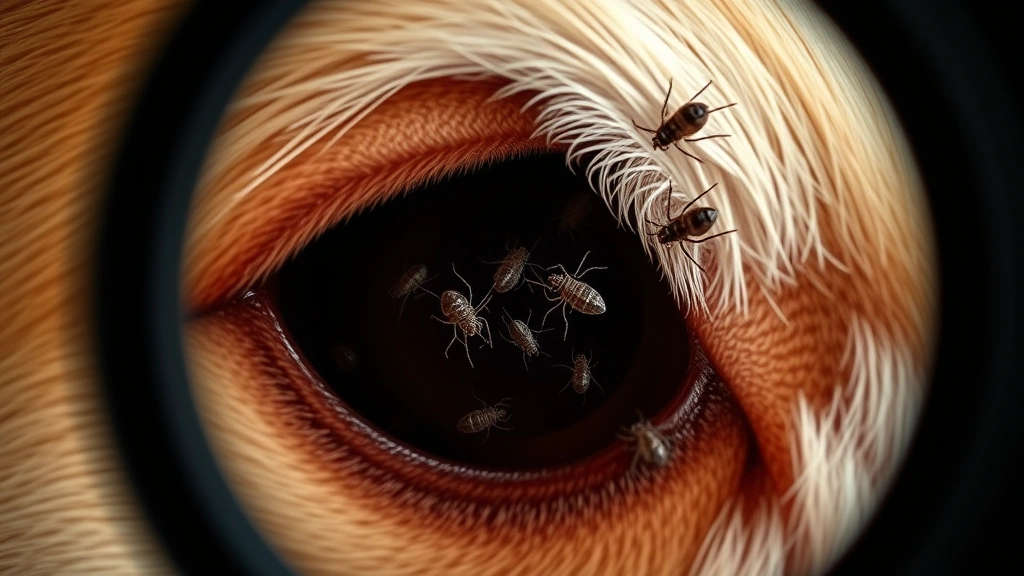
Ear mites are microscopic parasites that love nothing more than setting up shop in your dog’s ear canal. They’re contagious little troublemakers that spread faster than gossip at a dog park. If your dog has been around other animals—especially cats—there’s a decent chance they picked up these unwelcome visitors. The classic signs? Excessive scratching, dark waxy discharge, and that distinctive yeasty smell coming from the ears. It’s basically an all-you-can-eat buffet for mites, and your poor pup is the restaurant.
Solution 1: Prescription Ear Drops (The Gold Standard)
When it comes to dog ear mite treatment, prescription ear drops from your vet are like the A-team of solutions. Products like Tresaderm or Mometamax contain ingredients specifically designed to obliterate mites while reducing inflammation and secondary yeast infections. Your vet will examine your dog’s ears first—because misdiagnosis is a real thing—and then prescribe the appropriate drops. You’ll typically apply these daily for 7-14 days, and your dog will look at you like you’re committing a crime against their dignity. But trust me, they’ll forgive you when the itching stops. If you’re unsure about dosing or application, pet telehealth services can provide quick guidance from licensed vets.
Solution 2: Ivermectin Injections or Oral Medications
For stubborn cases or dogs who absolutely refuse to let you near their ears with drops, ivermectin is a systemic option that works from the inside out. Your vet might recommend oral ivermectin or injectable versions, which circulate through your dog’s bloodstream and eliminate mites. This approach is particularly useful for canine ear mite treatment when dealing with multiple infested dogs in the same household. The treatment typically requires multiple doses spaced a week or two apart. It’s not a one-and-done situation, but it’s incredibly effective. Just make sure your vet knows your dog’s breed—some breeds like Collies and Australian Shepherds have sensitivity to ivermectin, so dosing needs to be carefully monitored.
Solution 3: Mineral Oil and Manual Cleaning
Before you dismiss this as old-school, hear me out: mineral oil is a legitimate first-line defense for mild ear mite cases. The oil suffocates the mites by coating the ear canal and blocking their oxygen supply. Here’s the process: warm some mineral oil (not hot—test it on your wrist first), use a dropper to fill the ear canal, massage the base of the ear for a minute, then let your dog shake it out. Do this daily for two weeks. It’s messy, your dog will look like they just walked out of a disco, and you’ll find oil on literally everything. But it works, especially when combined with gentle ear cleaning to remove debris. You can find colloidal silver for dogs as an alternative antimicrobial option, though mineral oil remains the most proven natural approach.
Solution 4: Specialized Ear Mite Treatments (Selamectin and Pyrethrins)
Products like Revolution or Advantage contain selamectin, a topical parasiticide that kills ear mites along with fleas and other external parasites. These are applied monthly and provide ongoing protection—basically like giving your dog a tiny insurance policy against mites. Alternatively, some over-the-counter treatments containing pyrethrins (natural insecticides derived from chrysanthemums) can help manage mild infestations. However, these aren’t as potent as prescription options, so they’re best used as preventatives or for mild cases. Always consult your vet before using any over-the-counter treatment, because some dogs have sensitivities to these ingredients.
Solution 5: Thorough Environmental Cleaning and Prevention
Here’s what nobody likes to talk about: ear mites don’t just live in your dog’s ears. They hang out on bedding, toys, and anywhere your dog rests. Your dog ear mite treatment plan is incomplete without tackling the environment. Wash all bedding, toys, and anything your dog contacts in hot water weekly. Vacuum frequently, especially areas where your dog sleeps. If you have multiple pets, treat them all simultaneously—ear mites don’t discriminate. This preventative approach is similar to the strategies outlined in our guide to earth-friendly flea control, which emphasizes environmental management alongside direct treatment.
How Long Does Dog Ear Mite Treatment Take?
Most dogs show improvement within 5-7 days of starting treatment, but you can’t stop there. Mite life cycles take about 3 weeks, so you need to continue treatment for the full duration your vet recommends—usually 2-4 weeks depending on the method. Stopping early is like declaring victory before halftime; the mites will bounce back faster than you can say “ear scratch.” Your vet might schedule a follow-up exam to confirm the mites are completely gone before you can officially declare victory.
Secondary Infections: The Sneaky Complication
Ear mites are jerks because they often invite secondary bacterial or yeast infections to the party. If your dog’s ears smell funky or have a thick, dark discharge, you’re probably dealing with a combo situation. This is why prescription drops that contain both antiparasitic and antifungal ingredients are so valuable—they address the whole problem at once. Ignoring secondary infections means your dog keeps scratching even after the mites are gone, which is basically treatment failure in slow motion.
When to See a Vet vs. Home Remedies
Look, I get it—vet visits cost money and your dog hates car rides. But ear mite diagnosis requires actual examination under magnification to confirm you’re dealing with mites and not allergies, yeast infections, or bacterial issues. Home remedies might feel good temporarily, but they’re often just masking the problem. If your dog’s ears have been bothering them for more than a week, it’s time to call the vet. Most vets offer affordable first exams, and pet telehealth consultations can provide initial guidance if you’re truly strapped for cash. Think of it as an investment in your dog’s quality of life—because constant itching is genuinely miserable for them.
Preventing Future Ear Mite Infestations
Once you’ve successfully eliminated ear mites, prevention is your new best friend. Regular ear cleaning (weekly or biweekly) helps you catch problems early. Keep your dog’s ears dry, especially after baths or swimming. Limit contact with stray animals or unvetted pets. Some vets recommend monthly topical preventatives like Revolution or Advantage for dogs with chronic mite issues. If you have multiple pets, treating them all simultaneously prevents the mite carousel from spinning endlessly. It’s way easier to prevent ear mites than to treat them, so don’t skip this step.
Frequently Asked Questions
Can ear mites spread from dogs to humans?
Good news: ear mites prefer dogs and cats. While they *might* cause temporary irritation if they crawl on human skin, they won’t establish an infestation. So you’re safe, but your dog definitely isn’t.
Are over-the-counter ear mite treatments effective?
Some work for mild cases, but prescription treatments are significantly more effective. OTC options are better for prevention than treatment. If your dog actually has ear mites, prescription drops are worth the vet visit.

How do I know if my dog has ear mites or just dirty ears?
Ear mites cause intense itching, dark waxy discharge, and sometimes a yeasty smell. Dirty ears might just need cleaning. Only a vet exam can confirm mites, so don’t guess—get it checked.
Can I treat ear mites at home without seeing a vet?
Technically yes, with mineral oil or natural remedies, but you risk misdiagnosis and secondary infections. A vet visit ensures proper treatment and rules out other conditions.
How contagious are ear mites?
Very contagious between animals, especially in multi-pet households. If one pet has them, treat all your pets simultaneously to prevent reinfection.
What if the treatment isn’t working?
Some mites develop resistance to certain treatments. If you’re not seeing improvement after two weeks, contact your vet for a different approach or prescription strength adjustment.
The Bottom Line on Dog Ear Mite Treatment
Dealing with ear mites sucks, but it’s entirely fixable with the right approach. Whether you go with prescription drops, oral medications, mineral oil, or specialized topical treatments, the key is consistency and patience. Don’t skip the environmental cleaning, and definitely don’t stop treatment early just because your dog stops scratching. Most importantly, get a proper diagnosis from your vet so you’re actually treating mites and not something else. Your dog will thank you by finally being able to enjoy a peaceful ear-scratch-free existence, and you’ll thank yourself for not having to listen to that constant scratching soundtrack anymore. Ear mites are annoying, but they’re no match for a solid treatment plan and a determined pet parent.





