
Dog easy drawing is something anyone can learn, whether you’re a complete beginner or just someone who doodles during boring meetings. Forget the myth that you need some magical artistic talent—drawing a dog is totally achievable with just a few basic steps and maybe a pencil that isn’t covered in eraser marks.
Table of Contents
- Why Dog Easy Drawing Is Perfect for Beginners
- Step 1: Start with Basic Circles and Shapes
- Step 2: Add the Legs and Tail
- Step 3: Refine the Head and Facial Features
- Step 4: Sketch in the Ears
- Step 5: Add Details and Refine Your Lines
- Common Mistakes to Avoid in Dog Easy Drawing
- Different Dog Breeds and Their Unique Features
- Tools and Materials You’ll Actually Need
- Practice Exercises to Level Up Your Skills
- Frequently Asked Questions
- Summary: You Can Do This
Why Dog Easy Drawing Is Perfect for Beginners
Let’s be honest: most people think they can’t draw. But here’s the secret—drawing isn’t some exclusive club. It’s a skill, and skills can be learned. Dogs are actually fantastic subjects for beginners because they’re familiar, forgiving, and honestly, people love them. When you nail a dog drawing, people will be impressed. When you mess up a dog drawing, you can just say it’s a “unique interpretation” and move on.
The beauty of learning to draw dogs is that you don’t need expensive supplies or fancy techniques. A pencil, some paper, and the willingness to accept that your first attempt might look like a potato with ears—that’s all you need to start.
Step 1: Start with Basic Circles and Shapes
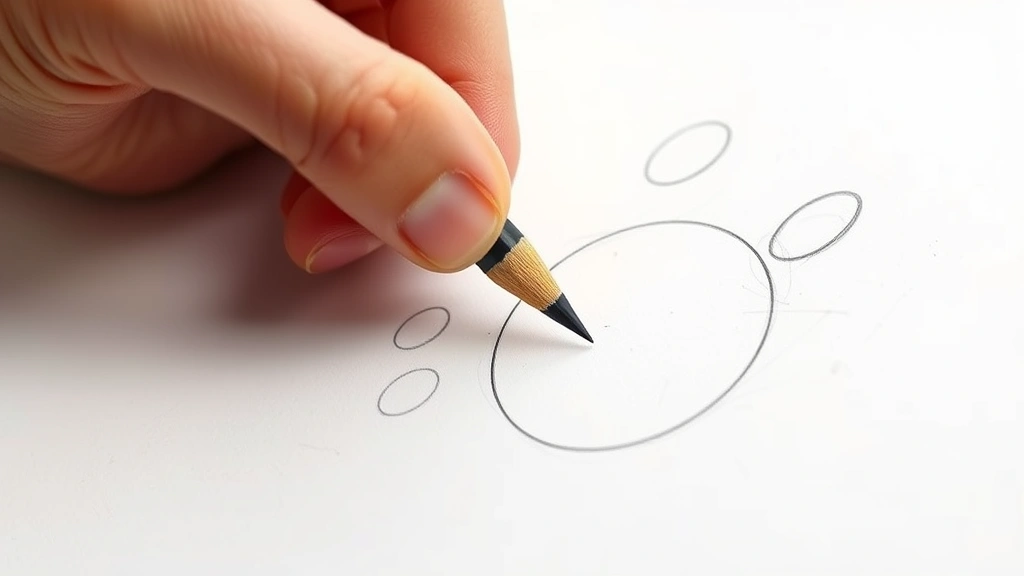
This is where the magic happens. Forget trying to draw a perfect dog outline. Instead, think like you’re building with blocks. Start with a large circle for the head and a bigger oval or rectangle for the body. These shapes don’t need to be perfect—they’re just guides.
Add two smaller circles for the rear haunches and you’re already 30% of the way to a recognizable pup. The key here is not overthinking it. These are construction lines, the skeleton of your dog drawing. Nobody needs to see them in the final piece.
Step 2: Add the Legs and Tail
Now things get fun. Using simple lines, sketch four legs beneath your body shape. They don’t all need to be the same length or angle—in fact, variation makes it look more natural and less like a robot dog. Add a curved or straight tail depending on what breed you’re imagining.
If you’re drawing a specific breed like those adorable Chinese dog breeds, you might adjust your tail accordingly. A Pug has a curly tail, while a Greyhound has a thin, whip-like tail. These little details are what transform a generic dog into something specific and charming.
Step 3: Refine the Head and Facial Features
This is where your dog actually becomes a dog. Start with the snout—a simple triangle or elongated shape pointing downward works great. Add two dots or circles for eyes. This is crucial: where you place the eyes determines the entire personality of your dog. Eyes closer together look worried; eyes wider apart look friendly and dopey.
Add a small nose at the tip of the snout and a simple line for the mouth. Don’t overcomplicate it. A curved line that goes up slightly at the ends makes a happy dog. Straight or slightly down makes a more serious expression. You’re literally controlling your dog’s mood with pencil strokes.
Step 4: Sketch in the Ears
Ears are the personality amplifiers of dog drawings. Floppy ears hanging down? Cute and gentle. Pointy ears standing up? Alert and energetic. Ears that stick out to the sides? Goofy and lovable. There’s no wrong choice here—it’s your dog, your rules.
Add ears by drawing two shapes on either side of the head. They can be triangles, ovals, or even just curved lines. The style of ears you choose will make your dog look like a Labrador, a Corgi, a German Shepherd, or any number of breeds. If you want to explore different dog types, check out information about Colorado Mountain Dogs or even research costliest breeds for inspiration on unique features.
Step 5: Add Details and Refine Your Lines
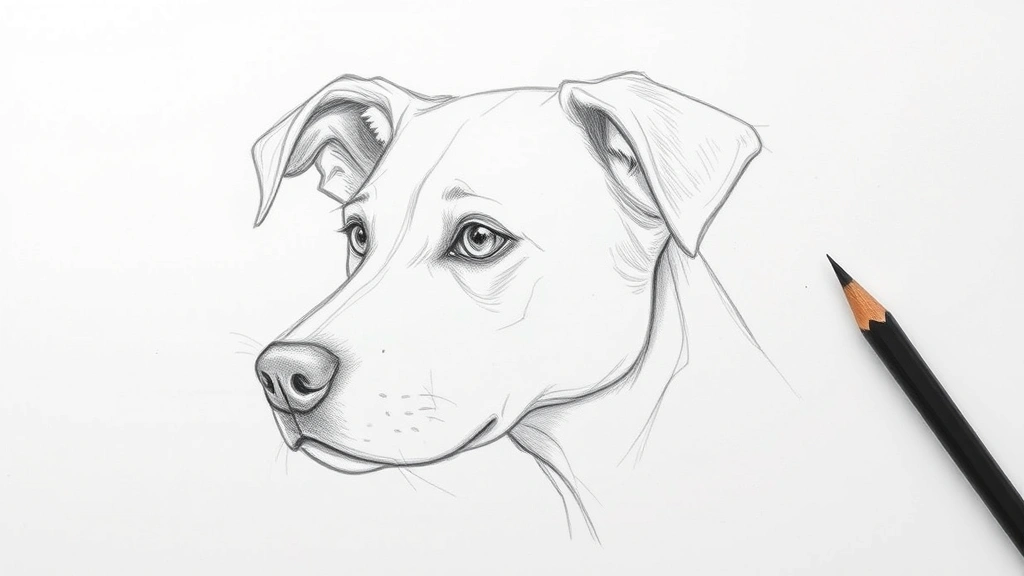
Now comes the fun part—making your sketch look less like a sketch and more like an actual drawing. Erase your construction lines (or just ignore them if you’re lazy). Go over your dog’s outline with darker, more confident lines. Add some shading to show dimension: darker lines on one side of the body, lighter on the other.
Add details like fur texture with small lines, spots or patterns if you want, and maybe some definition around the paws. You don’t need to go crazy here. Even simple shading makes a massive difference between “that looks like a dog” and “wow, that actually looks good.”
Common Mistakes to Avoid in Dog Easy Drawing
The biggest mistake beginners make is trying to draw the entire dog at once without planning. You end up with a head that’s too big or legs that are weirdly proportioned. That’s why the shape-building approach works so well—it forces you to think about proportions from the start.
Another mistake: making the eyes too small or too close together. Eyes are the window to the soul, even in dog drawings. Make them prominent and expressive. Also, don’t be afraid of asymmetry. Real dogs aren’t perfectly symmetrical, and your drawing shouldn’t be either. Imperfection is what makes drawings look alive.
Different Dog Breeds and Their Unique Features
Once you’ve mastered basic dog easy drawing, you can start experimenting with different breeds. A Dachshund has a long body and short legs—just elongate your body oval and shorten those legs. A Bulldog has a massive head and compact body—make that head circle bigger and the body smaller.
A Poodle has fluffy, curly fur—add lots of little curved lines throughout. A Greyhound is lean and elegant—make the whole body thinner and more streamlined. The fundamental steps stay the same; you’re just tweaking proportions and adding breed-specific details.
Tools and Materials You’ll Actually Need
Here’s the beautiful truth: you don’t need much. A regular pencil (HB or 2B works fine), some paper, and an eraser. That’s it. If you want to get fancy, grab a pencil set with different hardnesses, some blending stumps for shading, or colored pencils. But honestly, a regular pencil produces fantastic results when you know what you’re doing.
Paper quality matters slightly—thicker paper handles erasing better—but even notebook paper works. Don’t let equipment be your excuse. Some of the best drawings are made with the most basic tools.
Practice Exercises to Level Up Your Skills
Draw the same dog five times. Each time, try to improve one thing: maybe the second time you focus on better proportions, the third time on shading, the fourth on expression. This targeted practice is way more effective than just randomly drawing.
Also, draw from references. Look at photos of dogs and try to replicate them. This trains your eye to see proportions and details. Don’t worry about it being “cheating”—professional artists use references constantly. You’re learning, not plagiarizing.
Frequently Asked Questions
How long does it take to get good at dog easy drawing?
Most people can draw a recognizable dog within 30 minutes of their first attempt. Getting genuinely good—where your drawings look polished and confident—typically takes a few weeks of regular practice. We’re talking 15-30 minutes a day, a few times a week.
Do I need to be able to draw other things first?
Nope. Dogs are actually a great starting point. The basic shapes translate to other subjects, but you don’t need to master anything else first. Start with dogs and expand from there.
What if my dog drawing looks nothing like a dog?
Welcome to being human. Every artist has created something that looks more like a potato than a pup. The difference between beginners and experienced artists isn’t talent—it’s that experienced artists have created way more potatoes and learned from each one. Keep drawing.
Can I use these techniques to draw dogs digitally?
Absolutely. The same principles work on a tablet or digital drawing app. The shape-building approach is actually even easier digitally because you can use layers and easily adjust things. Many professional dog illustrators use digital tools exclusively.
Should I use a reference photo?
Yes, absolutely. Using references isn’t cheating; it’s smart. Professional artists use references constantly. A photo gives you real-world proportions and details to work from, which makes your drawing infinitely better.
What breed should I start with?
Start with a dog that has simple proportions—maybe a Labrador or a generic mixed breed. Avoid extremely wrinkly breeds like Bulldogs or Shar-Peis until you’re more comfortable. Simple is better when you’re learning.
Summary: You Can Do This
Dog easy drawing isn’t a myth or some skill reserved for “artistic people.” It’s a learnable technique that anyone can master with basic shapes, a little patience, and the willingness to draw the same dog multiple times until it stops looking like it was attacked by a geometry textbook.
Start with circles and ovals, add simple features, refine your lines, and boom—you’ve got a dog drawing that’ll make people ask if you went to art school. (You can tell them you did, just don’t mention it was art school for 30 minutes on a Tuesday afternoon.)
The hardest part isn’t the drawing itself—it’s convincing yourself that you can do it. You can. Grab a pencil and start with those basic shapes. Your future masterpiece is waiting, one simple circle at a time.
External Resources: For more detailed information on dog anatomy and breeds, check out the American Kennel Club, PetMD’s breed guides, or your local art education resources at university extension programs.





