
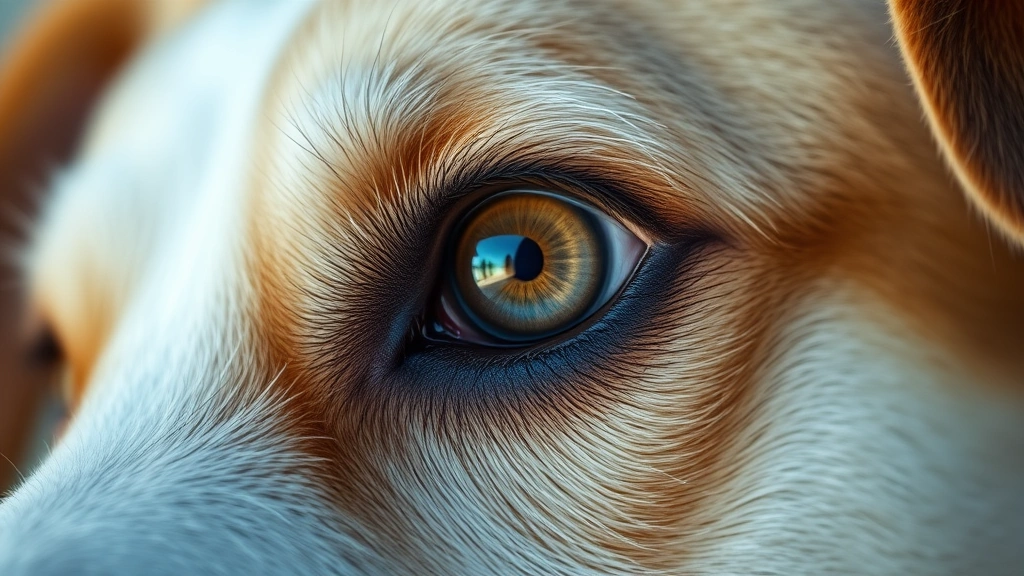
Your dog’s dog eyes are windows into their health, and sometimes they’re screaming for help—you just need to know what to look for. As a vet tech who’s seen everything from minor irritations to serious emergencies, I can tell you that most dog owners miss critical warning signs hiding right in their pup’s peepers. Let’s talk about what those signs are and why ignoring them could cost you big time.
Table of Contents
- Why Dog Eyes Matter More Than You Think
- Sign #1: Red, Inflamed Eyes (Conjunctivitis Alert)
- Sign #2: Excessive Discharge or Goopy Eyes
- Sign #3: Cloudiness or Haziness in the Lens
- Sign #4: Squinting, Pawing, and Obvious Discomfort
- Sign #5: Bulging Eyes or Changes in Eye Position
- Understanding Canine Vision and Eye Health
- Common Culprits: Allergies and Dietary Issues
- When to Call the Vet vs. When It’s an Emergency
- Preventative Care: Keeping Those Peepers Healthy
- What to Expect at the Vet Visit
- Frequently Asked Questions
- Summary: Your Dog’s Eyes Deserve Attention
Why Dog Eyes Matter More Than You Think
Here’s the thing: dogs can’t tell us when something hurts. They can’t schedule their own vet appointments or complain about blurry vision. Your dog’s eyes are literally one of the few places where disease shows up before symptoms get catastrophic. Redness, discharge, cloudiness, or excessive tearing aren’t just cosmetic issues—they’re your dog’s way of waving a red flag. Canine vision problems can escalate rapidly, and what seems like a minor irritation on Monday could be a vision-threatening emergency by Friday.
Sign #1: Red, Inflamed Eyes (Conjunctivitis Alert)
If your dog’s eyes look like they’ve been on a three-day bender, you’re probably dealing with conjunctivitis or general inflammation. The whites of their eyes (the sclera) turn pink or bright red, and your pup might be squinting like they’re staring directly into the sun. This is one of the most common dog eye problems I see, and it has multiple causes: allergies, infections, dry eye, or even a foreign object lodged in there.
The tricky part? Some cases are no big deal. Others indicate serious infections. If your dog’s eyes are red AND they’re pawing at their face constantly, that’s your cue to call the vet. Don’t wait. Infections can spread fast, and you don’t want this turning into keratitis (corneal inflammation) on your watch.
Sign #2: Excessive Discharge or Goopy Eyes
A little eye gunk in the morning? Normal. Your dog looking like they’ve got a mucus factory running 24/7? That’s a problem. Excessive discharge—whether it’s clear, yellow, green, or crusty—indicates infection, inflammation, or blocked tear ducts. Green or yellow discharge especially screams bacterial infection.
Pay attention to the consistency too. Thick, stringy discharge is different from watery tears. Some breeds (hello, Pugs and Bulldogs) are prone to tear staining and discharge because of their facial structure, but that doesn’t mean you should ignore it. Even breed-prone conditions need monitoring. If the discharge is new, sudden, or smells funky, your dog needs professional help.
Sign #3: Cloudiness or Haziness in the Lens
This one’s sneaky because it develops slowly. If your dog’s eyes look cloudy, milky, or hazy—especially if they’re having trouble navigating familiar spaces—you might be looking at cataracts. Cataracts are super common in aging dogs and in dogs with diabetes. The lens literally becomes opaque, like looking through frosted glass.
Here’s what kills me: cataracts are often preventable or manageable if caught early. But owners frequently miss them because the changes happen gradually. Your senior dog doesn’t suddenly go blind; they slowly lose clarity over weeks or months. Start noticing if your pup is bumping into furniture, hesitating before jumping, or moving more cautiously in dim lighting.
Sign #4: Squinting, Pawing, and Obvious Discomfort
Dogs showing pain signals around their eyes need immediate attention. Constant squinting, pawing at the face, keeping the eye partially closed, or sensitivity to light all indicate corneal ulcers, scratches, or foreign objects. This is genuinely painful for your dog, and unlike some conditions that can wait a few days, corneal damage gets worse rapidly.
If your dog has a scratched cornea and you wait too long, it can lead to permanent scarring and vision loss. Don’t mess around here. Eye pain is your emergency signal. If your dog won’t stop pawing at their eye or keeps it clamped shut, get to the vet today.
Sign #5: Bulging Eyes or Changes in Eye Position
This one’s rare but serious: if your dog’s eye suddenly appears to be bulging forward or if you notice one eye is positioned differently than the other, that’s an emergency. Bulging can indicate glaucoma (dangerous eye pressure), orbital tumors, or severe infection behind the eye. These conditions can cause permanent blindness if not treated immediately.
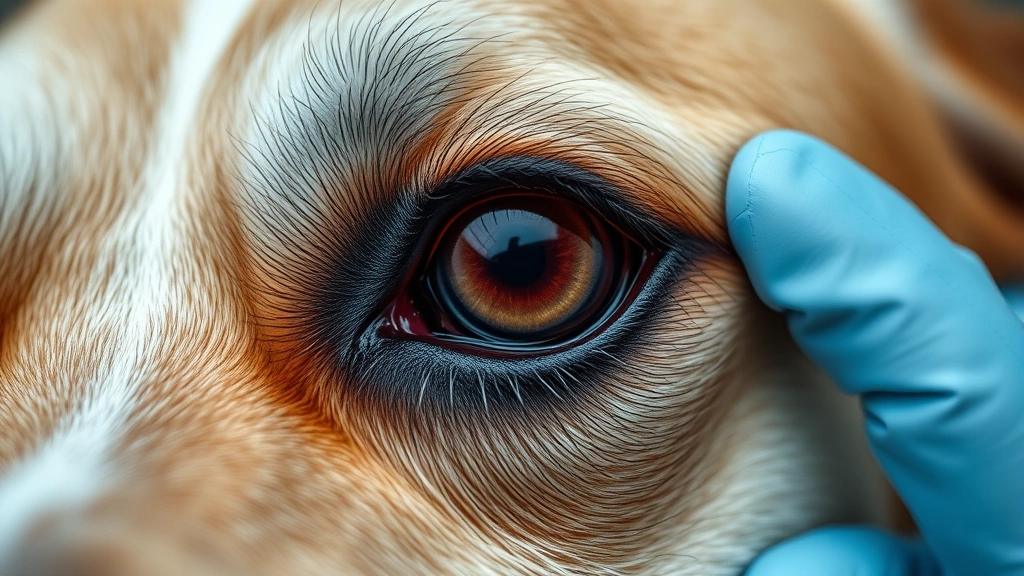
Don’t confuse breed-normal eye prominence (some dogs naturally have more prominent eyes) with actual bulging. But if you notice a sudden change in how your dog’s eyes sit in their head, that’s different from their baseline—and different means vet visit today.
Understanding Canine Vision and Eye Health
Dogs see the world differently than we do. They have better night vision, detect motion better, but don’t see colors the same way. Their eyes are optimized for hunting and survival, not reading fine print. Because of this, certain conditions affect dogs differently than humans. A scratch that’s annoying for us could be debilitating for a dog who relies on their eyes for navigation and safety.
This is also why preventative care matters. Regular vet checkups catch eye disease early. Breeds predisposed to specific conditions (like Cocker Spaniels prone to ear and eye infections, or Dalmatians prone to deafness and vision issues) need extra monitoring. Check out our guide on pet nutrition advice because diet absolutely impacts eye health too.
Common Culprits: Allergies and Dietary Issues
Here’s something most people don’t realize: what your dog eats directly impacts their eyes. Food allergies cause inflammation and discharge. Environmental allergies cause itching and redness. If your dog’s eye issues are seasonal or happen after eating certain foods, you might be dealing with allergies rather than infection.
Some foods are genuinely toxic to dogs and cause systemic inflammation affecting the eyes. Check out our resource on toxic fruits for dogs and safe vegetables for dogs because certain produce can trigger reactions. Proper nutrition supports eye health, while poor nutrition (or toxic foods) undermines it.
When to Call the Vet vs. When It’s an Emergency
Not every eye issue requires an emergency vet visit, but some absolutely do. Call your regular vet if you see mild redness, minor discharge, or slight squinting that seems manageable. Schedule an appointment within 24-48 hours. However, go to an emergency vet immediately if your dog has severe pain, sudden vision loss, eye trauma, or chemical exposure.
The rule of thumb: if your dog’s quality of life is affected right now, it’s an emergency. If they’re in obvious pain, it’s an emergency. If you’re unsure, call your vet and describe what you’re seeing—they can advise whether to wait or come in immediately.
Preventative Care: Keeping Those Peepers Healthy
Prevention beats treatment every single time. Keep your dog’s face clean, especially breeds prone to tear staining. Protect their eyes from trauma (don’t let them stick their heads out car windows at highway speeds—bugs hurt). Maintain healthy weight and nutrition because obesity and poor diet compromise immune function and eye health.
Regular vet checkups catch early disease. If your dog has diabetes, monitor their eyes closely because diabetic dogs are prone to cataracts. If your dog has allergies, manage them aggressively because chronic inflammation damages eyes. Use prescribed eye medications exactly as directed—don’t skip doses or stop early.
And here’s a pro tip: if your dog has had eye issues before, keep their medical records organized and share them with your vet. Chronic conditions need consistent monitoring. Some dogs need preventative eye drops or supplements to maintain vision long-term.
What to Expect at the Vet Visit
When you bring your dog in for eye concerns, the vet will perform a thorough eye exam. They’ll check vision, examine the cornea with special lights, measure eye pressure (important for glaucoma screening), and assess tear production. They might use fluorescent dye to detect scratches or ulcers. This isn’t painful for your dog, but it is thorough.
Be prepared to describe when the issue started, what it looks like, and whether anything triggered it. Bring photos if you have them—visual documentation helps. Mention any recent trauma, exposure to irritants, or dietary changes. The more information you provide, the faster your vet can diagnose and treat the problem.
For serious conditions like glaucoma or retinal disease, your vet might refer you to a veterinary ophthalmologist. These specialists handle complex eye cases and have equipment regular vets don’t. Don’t view this as bad news—it means your dog is getting expert-level care. For food-related emergencies affecting your dog’s eyes or overall health, reference our guide on emergency vet for food poisoning and holiday foods pets should avoid.
Frequently Asked Questions
What does a healthy dog eye look like?
Healthy dog eyes are clear, bright, and alert. The whites should be white (or mostly white), the iris should be clearly visible with good color, and there should be minimal discharge. Your dog’s pupils should respond to light, and they should track movement smoothly. Any deviation from this baseline warrants attention.
Can dog eye problems heal on their own?
Some minor issues like mild irritation might improve with time, but most eye problems don’t resolve without treatment. Infections get worse. Corneal scratches worsen. Pressure builds in glaucoma cases. Waiting usually means more pain, more damage, and more expensive treatment later. Get professional help early.
Are certain breeds more prone to eye disease?
Absolutely. Flat-faced breeds (Bulldogs, Pugs, Shih Tzus) have structural eye issues. Large breeds are prone to glaucoma and retinal problems. Cocker Spaniels get frequent infections. Senior dogs develop cataracts. If your breed has predispositions, discuss preventative strategies with your vet.
How often should I have my dog’s eyes checked?
Annual eye exams are standard at regular vet checkups. Senior dogs (7+ years) benefit from twice-yearly exams. Dogs with known conditions need more frequent monitoring. Breeds prone to specific diseases should have baseline exams early so you know what normal looks like for your dog.
Is eye discharge always a sign of infection?
Not always, but it’s always worth investigating. Clear discharge might be allergies or dry eye. Colored discharge usually indicates infection. Tear staining is cosmetic but can indicate underlying issues. The key is noticing changes from your dog’s normal baseline and getting it checked if something seems different.
Summary: Your Dog’s Eyes Deserve Attention
Your dog’s dog eyes are telling you stories all the time—you just need to pay attention. Red, cloudy, goopy, painful, or bulging eyes aren’t normal, and they’re not something to ignore. These five signs indicate your dog needs professional help, and the sooner you act, the better the outcome.
Make eye health part of your regular pet care routine. Notice your dog’s baseline. Catch changes early. Don’t wait for problems to get worse. Your dog depends on their vision for everything—navigation, safety, and quality of life. Protecting those eyes is one of the most important things you can do as a pet owner. When in doubt, call your vet. They’d rather check something that turns out fine than miss something serious.





