
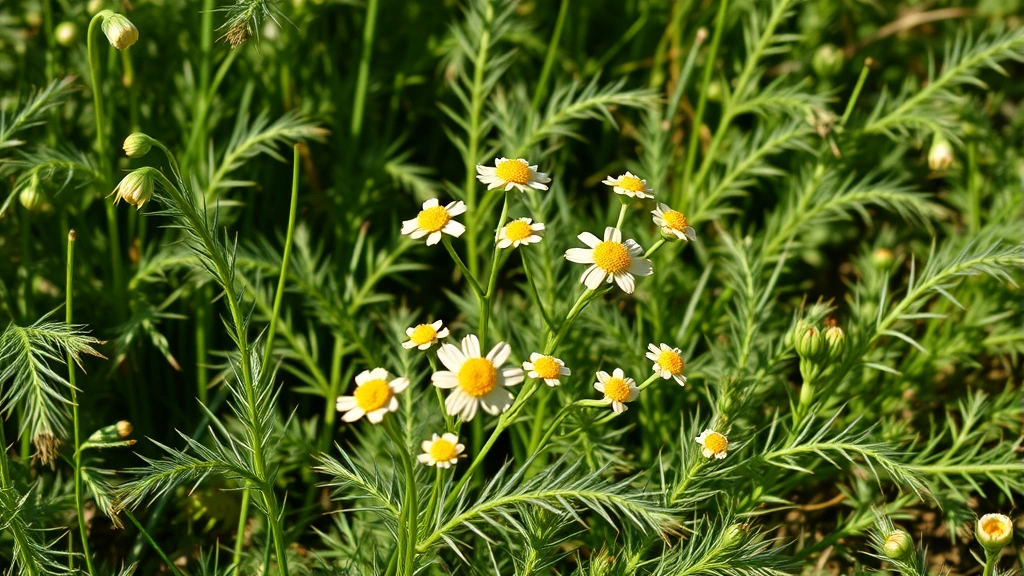
Dog fennel is one of those plants that sounds like it was specifically designed for our furry friends, but the reality is far more complicated and potentially dangerous. If you’re wondering whether dog fennel is safe for your pup, the short answer is: it’s not, and you should keep your dog away from it entirely. Let’s dig into what this plant actually is, why it’s problematic, and how to keep your four-legged companion safe.
Table of Contents
- What Exactly Is Dog Fennel?
- Why Dog Fennel Is Toxic to Dogs
- Symptoms of Dog Fennel Poisoning in Canines
- Fennel Plants and Pet Safety: What You Need to Know
- Where You’ll Find Dog Fennel Growing
- Protecting Your Dog from Dog Fennel Exposure
- Other Toxic Plants That Look Similar to Dog Fennel
- What to Do If Your Dog Eats Dog Fennel
- Safe Alternatives to Explore with Your Dog
- Working with Your Veterinarian on Plant Safety
- Seasonal Considerations for Dog Fennel Risk
- Frequently Asked Questions
- Summary: Keeping Your Dog Safe from Dog Fennel
What Exactly Is Dog Fennel?
Dog fennel (Anthemis cotula), also known as stinking chamomile or mayweed, is a common wildflower found across North America, Europe, and other temperate regions. Despite its innocent-sounding name, this plant has nothing to do with the culinary fennel we use in cooking. The “dog” part of its name is actually derogatory—it was historically used to describe plants that were considered worthless or inferior. The plant itself is a low-growing weed with feathery leaves and small white flowers that resemble chamomile. When crushed, dog fennel releases a distinctly unpleasant, acrid smell—hence the alternate name “stinking chamomile.”
Why Dog Fennel Is Toxic to Dogs
Here’s where things get serious. Dog fennel contains toxic compounds called thiophenes and other irritating substances that can cause real harm to your pet. These chemical compounds are concentrated in all parts of the plant—leaves, stems, flowers, and roots. When ingested, they irritate the gastrointestinal tract and can cause dermatological reactions as well. The plant’s toxicity is well-documented in veterinary literature, and it’s something every responsible dog owner should know about.
According to the American Kennel Club, toxic plants are a significant concern for dogs who spend time outdoors or have access to gardens. Dog fennel consistently appears on lists of plants that pose health risks to canines.
Symptoms of Dog Fennel Poisoning in Canines
If your dog has nibbled on dog fennel, watch for these warning signs. The symptoms typically appear within a few hours of ingestion and can range from mild to moderate in severity. PetMD notes that gastrointestinal symptoms are the most common presentation in cases of plant toxicity.
Common symptoms include:
- Vomiting and nausea
- Diarrhea (sometimes with blood)
- Abdominal pain and cramping
- Loss of appetite
- Excessive drooling
- Lethargy and weakness
- Skin irritation or dermatitis (from contact with the plant)
- Mouth and throat irritation
In more severe cases, dogs may experience dehydration from prolonged vomiting or diarrhea. If your pup shows any of these symptoms and you suspect dog fennel exposure, contact your veterinarian immediately.
Fennel Plants and Pet Safety: What You Need to Know
It’s important to distinguish between dog fennel and other fennel-related plants, as the safety profile varies. Regular culinary fennel (Foeniculum vulgare) is actually considered safe for dogs in small amounts and is sometimes used in pet products for digestive health. However, dog fennel is entirely different and should never be given to pets intentionally. This confusion is exactly why checking with your vet before introducing any plant-based product to your dog’s diet is crucial.
When exploring herbs safe for pets, always verify each plant individually. Not all herbs that are safe for humans translate to safety for dogs.
Where You’ll Find Dog Fennel Growing
Dog fennel thrives in disturbed areas, pastures, roadsides, and waste ground. It prefers well-drained soils and can tolerate poor soil conditions, which is why it’s so common in neglected areas. If you have a yard, you might find it growing in your garden, especially if you don’t maintain it regularly. It’s also frequently found along hiking trails, in dog parks, and in rural areas where dogs roam freely. The plant is particularly problematic because it grows low to the ground, making it easily accessible to curious dogs who like to investigate and nibble on vegetation during walks.

Protecting Your Dog from Dog Fennel Exposure
Prevention is always better than treatment when it comes to plant toxicity. Here are practical steps to keep your dog safe from dog fennel:
At Home: Regularly inspect your yard for weeds, especially during growing seasons (spring and summer). Remove any dog fennel plants by pulling them up (wear gloves to avoid skin contact) or using appropriate herbicides labeled as pet-safe. Keep your lawn well-maintained and your garden clear of weeds. Supervise your dog while they’re in the yard, particularly if they have a tendency to eat plants.
During Walks: Keep your dog on a leash in areas where you’re unfamiliar with the vegetation. Teach the “leave it” command and practice it regularly. Avoid letting your dog graze on plants during walks, even if they seem harmless. If you frequent a particular hiking trail or park, familiarize yourself with the plants that grow there.
Training: Work with your dog to discourage plant-eating behavior. This is especially important for puppies who explore the world with their mouths. Redirect their attention to appropriate toys and treats instead.
Other Toxic Plants That Look Similar to Dog Fennel
Dog fennel isn’t the only plant that can cause problems. Several other plants with similar appearances or growing habits pose risks to dogs. Hemlock, for instance, is extremely toxic and can sometimes be confused with benign plants. Ragweed, another common weed, can cause allergic reactions. Even some varieties of spices safe for pets have plant relatives that are dangerous. When in doubt, err on the side of caution and consult your veterinarian or a local extension office to identify plants in your area.
What to Do If Your Dog Eats Dog Fennel
If you catch your dog eating dog fennel or suspect they’ve ingested it, don’t panic—but do act quickly. First, remove your dog from the area and prevent further ingestion. Try to determine how much plant material your dog consumed and which parts of the plant (leaves, flowers, roots). Call your veterinarian or poison control immediately. Have the following information ready: your dog’s weight, age, breed, and the approximate time of ingestion.
Your vet may recommend bringing your dog in for an examination, especially if symptoms develop. Treatment is typically supportive and focuses on managing symptoms—there’s no specific antidote for dog fennel toxicity. This might include IV fluids to combat dehydration, anti-nausea medications, and monitoring for secondary complications. Most dogs recover well with prompt veterinary care, but prevention is always preferable to treatment.
Safe Alternatives to Explore with Your Dog
If you’re interested in giving your dog plant-based treats or supplements, there are safe options available. Consider checking out our guide on safe human snacks for pets for approved options. Many herbs like parsley, basil, and dog-safe versions of mint can be beneficial for your pup’s health. Carrots, apples (without seeds), and pumpkin are nutritious treats that provide mental stimulation and health benefits. Always introduce new foods gradually and in moderation, and consult your veterinarian before making significant dietary changes.
Working with Your Veterinarian on Plant Safety
Your veterinarian is your best resource for questions about plant safety and your specific dog’s health needs. They can provide personalized recommendations based on your dog’s age, health status, and lifestyle. Many vets can identify plants from photos or descriptions, which is helpful if you’re unsure about vegetation in your area. Some veterinary clinics even offer consultations specifically about yard safety and toxic plant prevention. Don’t hesitate to reach out—it’s far better to ask questions than to deal with a poisoning emergency.

Seasonal Considerations for Dog Fennel Risk
Dog fennel is most problematic during late spring through early fall when the plant is actively growing and producing flowers. During these months, increase your vigilance during outdoor activities. In winter, the plant dies back in many regions, reducing exposure risk. However, in milder climates, dog fennel can remain a year-round concern. Understanding the growing season in your specific area helps you anticipate when risks are highest.
Frequently Asked Questions
Is dog fennel the same as regular fennel?
No, absolutely not. Dog fennel (Anthemis cotula) and culinary fennel (Foeniculum vulgare) are completely different plants from different plant families. Culinary fennel is safe for dogs in small amounts, but dog fennel is toxic and should never be given to pets. The confusion arises from their similar names, but they have different chemical compositions and safety profiles.
Can a small amount of dog fennel hurt my dog?
Yes, even small amounts of dog fennel can cause gastrointestinal irritation in dogs. The toxic compounds are present throughout the plant, so there’s no “safe” threshold. The severity of symptoms depends on the amount ingested and the individual dog’s sensitivity, but it’s best to prevent any exposure whatsoever.
How long does it take for dog fennel poisoning symptoms to appear?
Symptoms typically appear within 1-3 hours of ingestion, though in some cases they might take up to 6-8 hours to manifest. This is why monitoring your dog closely after suspected exposure is important. If you notice any unusual behavior or symptoms, contact your vet immediately rather than waiting to see if symptoms develop.
Is dog fennel poisoning fatal?
Dog fennel poisoning is rarely fatal, especially with prompt veterinary treatment. Most dogs recover fully with supportive care. However, severe cases involving large amounts of plant material, dehydration, or complications in very young, elderly, or immunocompromised dogs could potentially be more serious. This is another reason why prevention and quick action are so important.
How can I identify dog fennel in my yard?
Dog fennel is a low-growing annual or winter annual plant with feathery, finely divided leaves that look somewhat like chamomile. It produces small white flowers with yellow centers. The most distinctive feature is the smell—when crushed, it releases a strong, unpleasant, acrid odor. If you’re unsure about a plant in your yard, take a photo and ask your local extension office or veterinarian for identification.
What should I plant instead of dog fennel in my garden?
Focus on dog-safe plants and flowers. Some excellent choices include sunflowers, zinnias, roses, and marigolds. For herbs, consider pet-safe options like parsley, basil, and mint. Remove any dog fennel and other toxic plants, then replace them with vegetation that’s both beautiful and safe for your four-legged family members.
Summary: Keeping Your Dog Safe from Dog Fennel
Dog fennel is a toxic plant that every dog owner should be able to identify and avoid. Despite its innocent-sounding name, this common weed poses a real threat to our canine companions. The plant contains toxic compounds that cause gastrointestinal distress and dermatological reactions, and there’s no safe amount for dogs to ingest. By understanding what dog fennel looks like, where it grows, and how to prevent exposure, you can significantly reduce the risk of poisoning. Regular yard maintenance, careful supervision during walks, and training your dog not to eat plants are your best defenses. If your dog does ingest dog fennel, seek veterinary care immediately. Remember, when it comes to plant safety, your veterinarian is always your best resource. Stay vigilant, stay informed, and keep your furry friend safe from this dangerous weed. For more information on dangerous plants, check out our comprehensive guide on harmful foods for dogs. If you have a new puppy, our article on puppy safe human foods can help you navigate early nutrition safely.





