
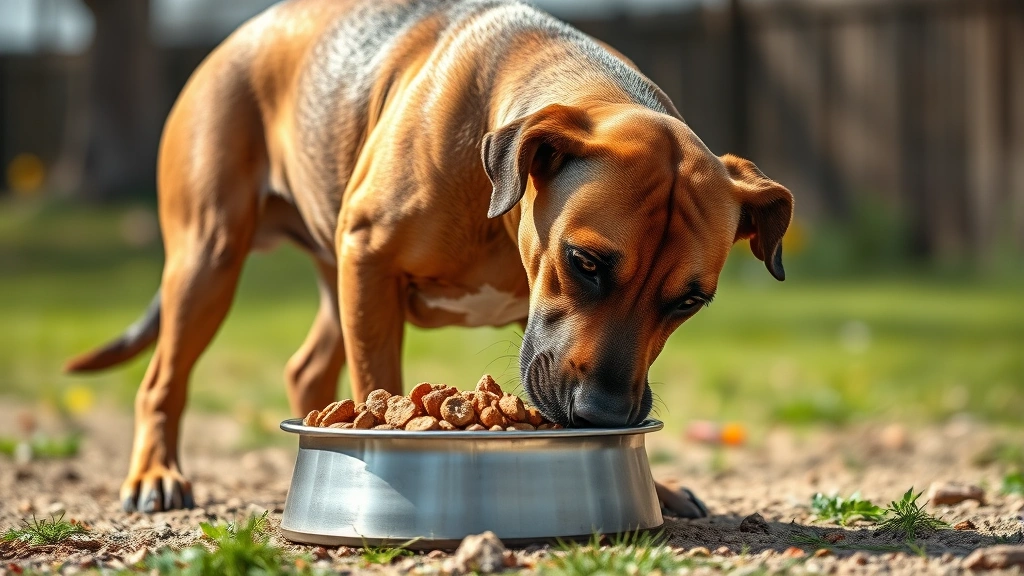
If you’re looking for the best dog food for Rhodesian Ridgebacks, you’ve landed in the right place—because feeding these majestic African hunters isn’t just about tossing kibble in a bowl and calling it a day. These muscular, independent pups have specific nutritional needs that’ll keep them thriving, energetic, and looking like the absolute units they are.
Table of Contents
- Understanding Your Rhodesian Ridgeback’s Nutritional Needs
- Protein: The Foundation of Ridgeback Nutrition
- Fats and Omega Fatty Acids for Joint Health
- Large-Breed Specific Formulations
- Energy-Boosting Foods for Your Active Ridgeback
- Addressing Food Allergies and Sensitivities
- Sustainable and Ethical Dog Food Options
- Wet, Dry, and Raw: Which Format Works Best?
- Top Recommended Brands for Rhodesian Ridgebacks in 2024
- Feeding Schedule and Portion Control
- Frequently Asked Questions
- Conclusion: Finding Your Ridgeback’s Perfect Food
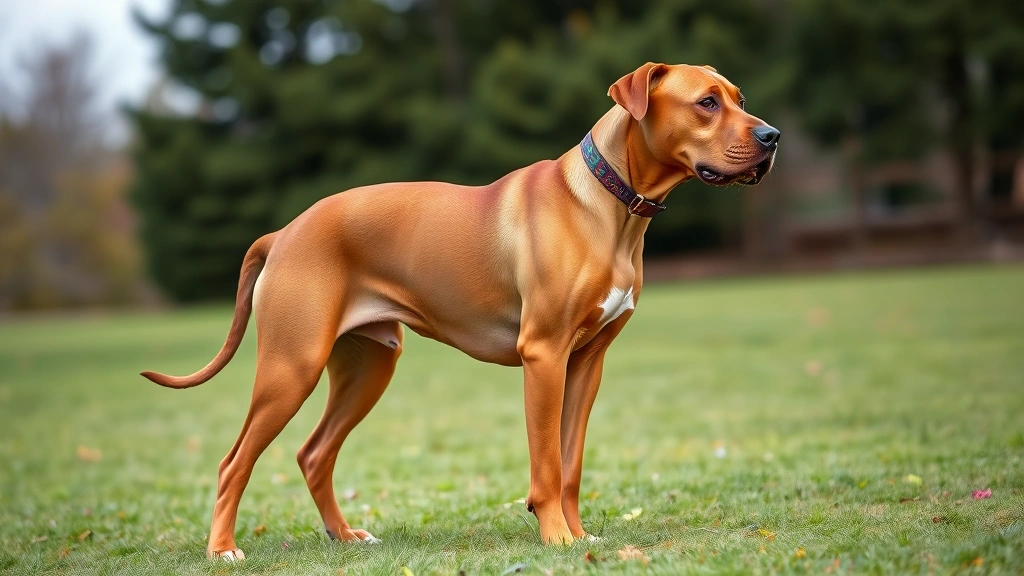
Rhodesian Ridgebacks are known for their distinctive ridge of hair running down their spine, their boundless energy, and their tendency to think they’re lap dogs despite weighing 70-85 pounds. But here’s the thing: their impressive physique and athletic prowess demand quality nutrition that matches their lifestyle. Let’s dive into everything you need to know about keeping your Ridgeback fed, fit, and fabulous.
Understanding Your Rhodesian Ridgeback’s Nutritional Needs
Rhodesian Ridgebacks are large-breed, high-energy dogs originally bred to hunt lions in Africa. Yeah, lions. That means they’ve got the metabolism and muscle composition of a serious athlete. Your Ridgeback needs a diet rich in high-quality proteins, healthy fats, and essential nutrients to support their active lifestyle.
These dogs typically require between 1,200-1,800 calories per day, depending on their age, activity level, and metabolism. The key is finding quality pet nutrition advice tailored to large-breed dogs. Protein should make up at least 18-25% of their diet, with fats comprising around 12-15%. This isn’t just fluff—proper nutrition prevents joint issues, maintains coat health, and keeps their energy levels consistent.
Protein: The Foundation of Ridgeback Nutrition
Your Ridgeback’s muscles didn’t build themselves. High-quality animal proteins are absolutely essential for maintaining lean muscle mass and supporting recovery from their daily adventures. Look for dog foods where the first ingredient is a specific meat source like beef, chicken, lamb, or fish—not vague terms like “meat meal” or “animal by-products.”
The best options include:
- Beef: Rich in iron and B vitamins, perfect for active dogs
- Chicken: Lean protein that’s easy to digest
- Lamb: Great for dogs with poultry sensitivities
- Fish: Omega-3 fatty acids for joint and coat health
Multi-protein formulas can also work well, giving your Ridgeback variety and a broader spectrum of amino acids. Aim for foods with at least two to three named meat sources in the top five ingredients.
Fats and Omega Fatty Acids for Joint Health
Here’s where things get interesting. Rhodesian Ridgebacks are prone to joint issues like hip dysplasia and elbow dysplasia, especially as they age. That’s why incorporating foods for joint health in pets is absolutely crucial. Omega-3 and omega-6 fatty acids reduce inflammation, support cognitive function, and keep that gorgeous coat shiny and healthy.
Look for dog foods that include:
- Fish oil or salmon oil
- Flaxseed
- Chicken fat (a quality fat source)
- Canola oil
A healthy fat content of 12-15% helps maintain skin barrier function and supports joint cartilage. Don’t fear fat—it’s essential for these active dogs, not something to avoid.
Large-Breed Specific Formulations
This is critical: Rhodesian Ridgebacks are large dogs, and they need large-breed specific formulas. Why? Because large-breed puppies grow quickly, and improper calcium-to-phosphorus ratios can cause serious skeletal problems. Even adult Ridgebacks benefit from formulas designed with their size in mind.
Large-breed foods typically have:
- Controlled calcium and phosphorus levels (1.2% calcium, 0.9% phosphorus)
- Glucosamine and chondroitin for joint support
- Appropriate calorie density to prevent rapid growth
- DHA for cognitive development (especially important for puppies)
Brands like Royal Canin, Hill’s Science Diet, and Purina Pro Plan all offer excellent large-breed formulations. While they might cost more upfront, they prevent expensive vet bills down the road.
Energy-Boosting Foods for Your Active Ridgeback
Rhodesian Ridgebacks aren’t couch potatoes. These dogs need fuel for their active lifestyle, whether they’re running, playing, or just being their typical stubborn selves. Check out energy-boosting foods for active pets to understand how to keep your pup performing at peak levels.
Complex carbohydrates like sweet potatoes, brown rice, and oats provide sustained energy release. Some premium brands incorporate:
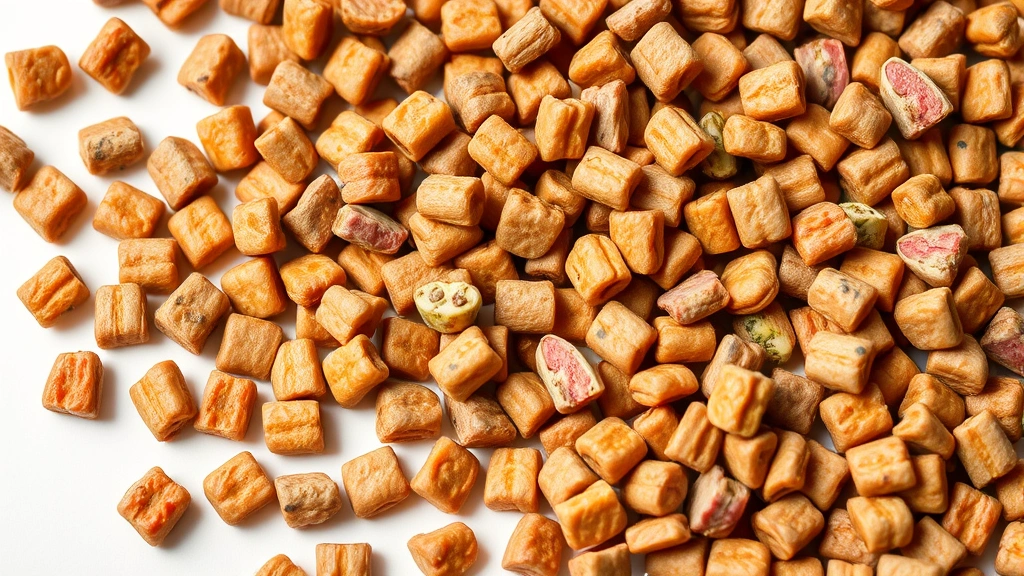
- Sweet potatoes (rich in beta-carotene and fiber)
- Brown rice and whole grains
- Legumes like chickpeas and lentils
- Antioxidant-rich fruits like blueberries
These ingredients work together to maintain stable blood sugar and provide the sustained energy your Ridgeback needs for those long walks and play sessions.
Addressing Food Allergies and Sensitivities
Some Rhodesian Ridgebacks develop food sensitivities or allergies—common culprits include chicken, beef, dairy, and grains. If your pup is itching excessively, has digestive issues, or develops skin problems, it might be time to investigate. Learn more about this at our guide on food allergies in pets.
Signs of food allergies include:
- Excessive scratching or licking
- Ear infections
- Vomiting or diarrhea
- Dry, flaky skin
- Hot spots or skin rashes
Limited ingredient diets or novel protein formulas (like venison, duck, or kangaroo) can help identify triggers. Work with your vet to do an elimination diet if you suspect allergies. It takes patience, but finding the right food makes a massive difference in your Ridgeback’s quality of life.
Sustainable and Ethical Dog Food Options
If you care about where your dog’s food comes from—and honestly, you should—there are excellent sustainable options available. Check out our article on sustainable dog food to learn about ethical sourcing and environmentally conscious brands.
Sustainable dog food brands focus on:
- Responsibly sourced meat proteins
- Minimal environmental impact
- Transparent supply chains
- Ethical animal treatment
- Minimal packaging waste
Brands like Open Farm, Stella & Chewy’s, and The Farmer’s Dog prioritize sustainability without compromising on nutrition. Your Ridgeback can eat well while you feel good about your choices.
Wet, Dry, and Raw: Which Format Works Best?
The format of your Ridgeback’s food matters more than you might think. Here’s the breakdown:
Dry Kibble: Most convenient and economical. Look for high-quality brands with named meat sources. Kibble also helps maintain dental health through chewing action.
Wet Food: Higher moisture content aids hydration and digestion. Great for picky eaters or dogs with dental issues. Often more expensive and less shelf-stable.
Raw Diets: Mimics what wild dogs would eat, but requires careful handling to prevent bacterial contamination. Not recommended for immunocompromised dogs or households with young children.
Hybrid Approach: Many owners mix wet and dry food for the best of both worlds—convenience plus nutritional variety. This works great for most Ridgebacks.
Top Recommended Brands for Rhodesian Ridgebacks in 2024
While every dog is unique, these brands consistently deliver quality nutrition for large-breed dogs like Ridgebacks:
- Orijen: High-protein, grain-free with excellent meat ratios
- Acana: Regional formulas with fresh ingredients
- Purina Pro Plan Sport: Specifically designed for active, athletic dogs
- Royal Canin Large Breed: Veterinarian-formulated for large dogs
- Taste of the Wild: Grain-free with novel proteins
- The Farmer’s Dog: Fresh, human-grade ingredients delivered to your door
Always transition slowly to new foods over 7-10 days to avoid digestive upset. Mix the new food gradually with the old food, increasing the new food percentage each day.
Feeding Schedule and Portion Control
Adult Rhodesian Ridgebacks typically do best on two meals per day, spaced 8-12 hours apart. This prevents bloat—a serious concern for large-breed dogs—and maintains stable energy levels throughout the day. Never feed a large meal right before or after intense exercise.
Portion sizes depend on your dog’s specific food, age, activity level, and metabolism. Most foods include feeding guidelines on the package, but these are often overestimated. Start with the recommended amount and adjust based on your dog’s body condition. You should be able to feel their ribs without pressing hard, but not see them prominently.
For Ridgebacks, this typically means:
- Young adults (1-3 years): 2-2.5 cups per meal
- Mature adults (3-7 years): 1.5-2.5 cups per meal
- Senior dogs (7+ years): 1.5-2 cups per meal
Individual needs vary significantly, so work with your vet to dial in the perfect amount for your specific dog.
Frequently Asked Questions
What’s the best food for a Rhodesian Ridgeback puppy?
Rhodesian Ridgeback puppies need large-breed puppy formulas with controlled calcium and phosphorus to support proper bone development. Look for foods with DHA for brain development and at least 22% protein. Brands like Royal Canin Large Breed Puppy or Hill’s Science Diet Large Breed Puppy are excellent choices. Feed puppies 3-4 times daily until 6 months, then transition to twice daily feeding.
How much should I feed my adult Ridgeback?
Most adult Ridgebacks need 1.5-2.5 cups of high-quality food per meal, twice daily. However, this varies based on the specific food’s calorie content, your dog’s metabolism, and activity level. Start with the package recommendations and adjust based on your dog’s body condition. If your Ridgeback is gaining weight, reduce portions by 10-15%. If they seem hungry or are losing weight, increase slightly.
Are grain-free diets safe for Ridgebacks?
Grain-free diets are safe for most Ridgebacks unless they have specific grain allergies. However, recent studies suggest some grain-free diets may be linked to heart issues in certain dogs. If you choose grain-free, ensure it’s from a reputable brand and discuss it with your vet. Most Ridgebacks do perfectly fine with grains like brown rice and oats.
Can I feed my Ridgeback human food?
Some human foods are safe in moderation—like carrots, green beans, sweet potatoes, and plain chicken. However, avoid chocolate, grapes, raisins, onions, garlic, and anything with xylitol. Keep treats to no more than 10% of daily calories. Too many table scraps can lead to nutritional imbalances and weight gain. Stick primarily to a complete and balanced commercial diet.
How do I know if my Ridgeback has a food allergy?
Common signs include excessive scratching, ear infections, vomiting, diarrhea, dry skin, and hot spots. If you suspect allergies, consult your vet before making dietary changes. They may recommend an elimination diet using limited ingredients or novel proteins. It typically takes 8-12 weeks to see improvement when switching to a new food for allergies.
Should I add supplements to my Ridgeback’s diet?
If you’re feeding a high-quality, complete and balanced diet, additional supplements usually aren’t necessary. However, many vets recommend fish oil for joint and coat health, especially for large breeds prone to hip dysplasia. Glucosamine and chondroitin supplements can also support joint health as your Ridgeback ages. Always consult your vet before adding supplements.
Conclusion: Finding Your Ridgeback’s Perfect Food
Choosing the right dog food for Rhodesian Ridgebacks isn’t complicated, but it does require attention to their specific needs. These magnificent dogs deserve nutrition that matches their athletic heritage and supports their long-term health. Focus on high-quality proteins, appropriate fat levels, large-breed specific formulations, and joint-supporting ingredients.
Remember: the best food is the one your individual Ridgeback thrives on. Every dog is unique, with different preferences, sensitivities, and nutritional requirements. Start with a quality brand, monitor your dog’s body condition and energy levels, and don’t hesitate to adjust if needed. Your Ridgeback will reward you with years of loyalty, energy, and that characteristic stubborn independence we all love about the breed.
Work with your veterinarian annually to reassess your dog’s dietary needs, especially as they age. A good vet can catch potential health issues early and recommend adjustments to keep your Ridgeback in peak condition. With the right nutrition, your majestic African hunter will continue thriving for many years to come.





