

If your furry best friend scratches more than a DJ at a turntable, you’ve probably wondered if dog food for sensitive skin might be the answer. Here’s the thing: what goes into your dog’s bowl directly affects what happens on the outside—including their skin health. A poor diet can turn your pup into an itchy, uncomfortable mess, while the right nutrition can have them looking and feeling like a million bucks.
Table of Contents
- Understanding Canine Skin Sensitivity
- Why Limited-Ingredient Diets Work Wonders
- Fish-Based Proteins: The Omega-3 Powerhouse
- The Grain-Free vs. Grain-Inclusive Debate
- Probiotics and Digestive Health: The Gut Connection
- Best Dog Food Solutions for Sensitive Skin
- Making the Transition: Patience is Key
- Reading Labels Like a Pro
- Supplements and Additional Support
- When to See a Vet Dermatologist
- Real Results: What to Expect
- Frequently Asked Questions
- Conclusion: Your Dog’s Skin Health Starts in the Bowl
Understanding Canine Skin Sensitivity
Before we dive into solutions, let’s talk about what’s actually happening under all that fur. Dogs with sensitive skin aren’t just being dramatic—they’re dealing with real inflammation, irritation, and sometimes downright painful conditions. The culprits? Often it’s food allergies or intolerances that trigger the chaos.
Common triggers include chicken (ironic, right?), beef, dairy, wheat, and corn. When a dog’s digestive system can’t handle these ingredients, it sends inflammatory signals throughout the body, and the skin becomes a billboard advertising the problem. This is where anti-inflammatory foods for pets become your secret weapon.
Why Limited-Ingredient Diets Work Wonders
Think of limited-ingredient dog food as a detective’s magnifying glass. By stripping away the usual suspects and keeping only essential proteins and carbs, you can identify exactly what’s bothering your pup. Most quality limited-ingredient formulas use novel proteins like duck, venison, or fish—ingredients your dog probably hasn’t encountered before, so fewer chances of an allergic reaction.

The beauty here is simplicity. Fewer ingredients mean fewer opportunities for hidden culprits to cause problems. It’s like decluttering your dog’s diet, and their skin often thanks you within 4-6 weeks.
Fish-Based Proteins: The Omega-3 Powerhouse
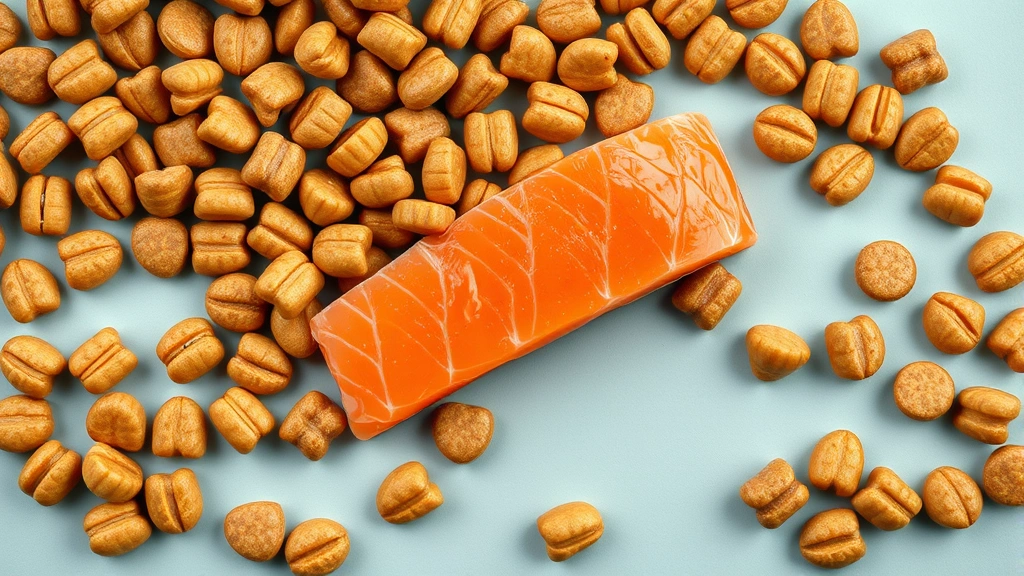
Let’s talk about fish. Salmon, sardines, and other fatty fish are packed with omega-3 and omega-6 fatty acids—basically nature’s anti-inflammatory medication. These fatty acids strengthen the skin barrier, reduce itching, and promote a shinier coat. According to AAFCO standards, fish-based proteins are among the most digestible options for sensitive pups.
If your dog’s been living the chicken life, switching to fish might feel like a vacation for their immune system. Many vets recommend fish-based kibble as a first-line solution for itchy dogs, and for good reason—it actually works.
The Grain-Free vs. Grain-Inclusive Debate
Here’s where things get spicy. For years, grain-free was marketed as the holy grail for sensitive skin. The theory? Grains cause inflammation. But here’s the plot twist: some dogs do great with grains like sweet potato and brown rice, while others genuinely need them eliminated.
The key is understanding your individual dog. If your pup has a wheat or corn sensitivity, grain-free makes sense. If they’re fine with oats or barley, there’s no need to overcomplicate things. Work with your vet to determine what works best—not every dog needs the trendy grain-free option.
Probiotics and Digestive Health: The Gut Connection
Here’s something most people don’t realize: healthy skin starts in the gut. A dog with a compromised digestive system will almost always have compromised skin. This is where probiotics come in. These beneficial bacteria help break down food properly and reduce inflammation from the inside out.

Look for dog foods containing probiotics, or consider adding a probiotic supplement. When your dog’s digestive system is happy, you’ll notice less scratching, less itching, and a noticeably healthier coat. It’s like giving your pup’s immune system a training program.
Best Dog Food Solutions for Sensitive Skin
Now for the moment you’ve been waiting for—actual recommendations. Here are five proven options:
1. Fish-Based Limited Ingredient Formulas – Brands using single-source fish proteins with minimal ingredients. These are your go-to for immediate relief.

2. Venison and Potato Blends – Novel protein that rarely triggers reactions, paired with easily digestible carbs. Perfect for dogs who’ve been on chicken their whole lives.
3. Duck and Sweet Potato Combinations – Another excellent novel protein pairing that’s gentle on the digestive system and skin.
4. Hydrolyzed Protein Diets – These break proteins down into tiny molecules, making them nearly impossible to trigger allergies. Prescription-grade but incredibly effective.
5. Hypoallergenic Formulas with Added Probiotics – The all-in-one approach combining limited ingredients with gut-healthy probiotics. Your skin-sensitive pup’s best friend.
For more insight, check out our guide on whether dogs can eat chicken and explore chicken-free dog food options if poultry is the problem.
Making the Transition: Patience is Key
Here’s where most people mess up: they switch foods too quickly. Your dog’s digestive system needs time to adjust. A proper transition takes 7-10 days, gradually mixing more of the new food with the old. Rush this process, and you might see digestive upset that has nothing to do with the new food itself.

Start with 25% new food mixed with 75% old food for 2-3 days, then bump it to 50/50 for another 2-3 days, and so on. Your patience now means relief later.
Reading Labels Like a Pro
Not all dog food labels are created equal. Look for:
- Named meat sources (salmon, duck, venison) not vague terms like “meat by-products”
- Absence of common allergens like wheat, corn, and soy
- Probiotics and digestive enzymes listed
- Limited ingredients (usually under 15)
- AAFCO certification for nutritional completeness
Basically, if you can’t pronounce half the ingredients, your dog probably shouldn’t be eating it either.

Supplements and Additional Support
Sometimes diet alone needs a little backup. Consider adding:
- Omega-3 supplements – Extra fish oil for maximum skin benefits
- Probiotics – For digestive and immune support
- Coconut oil – Applied topically or added to food for skin health
- Quercetin – A natural antihistamine that reduces itching
Always check with your vet before adding supplements to avoid interactions or overdosing.
When to See a Vet Dermatologist
If you’ve tried multiple dog food for sensitive skin options and your pup is still scratching like they owe someone money, it’s time for professional help. A vet dermatologist can perform allergy tests, rule out parasites or infections, and create a customized plan. Sometimes it’s not food at all—it could be environmental allergies, yeast infections, or other conditions masquerading as food sensitivity.

According to PetMD’s dermatology resources, about 10% of dogs have food allergies, but many owners assume food is the culprit when it’s actually something else. Professional diagnosis saves time, money, and your dog’s comfort.
Real Results: What to Expect
Here’s the honest timeline: you might see improvements within 2-4 weeks, but full results typically take 8-12 weeks. Skin takes time to heal. Initially, you might notice less scratching, then a shinier coat, then finally, that healthy pink skin instead of red, irritated patches.
Keep a journal of your dog’s scratching frequency, coat quality, and energy levels. This helps you track progress and identify any foods that trigger setbacks. Also explore our comprehensive guide on anti-inflammatory foods for pets for additional dietary strategies.

Frequently Asked Questions
How long does it take for dog food changes to affect skin?
Most dogs show improvement within 4-6 weeks, but complete skin healing can take 8-12 weeks. The digestive system needs time to stabilize, and then the skin needs time to regenerate. Patience is crucial—don’t switch foods every week expecting instant results.
Can environmental allergies cause skin issues that look like food sensitivity?
Absolutely. Environmental allergies (pollen, dust mites, mold) cause identical symptoms to food allergies. If your dog is scratching year-round, it’s likely food-related. If it’s seasonal, environmental factors are probably the culprit. A vet can help distinguish between the two.
Is grain-free always better for sensitive skin?
Not necessarily. While some dogs benefit from grain-free diets, others do perfectly fine with grains. The real issue is usually specific protein sources, not grains themselves. Work with your vet to determine if grains are actually the problem before eliminating them.

Should I use prescription dog food or over-the-counter options?
Prescription diets are formulated specifically for health conditions and are often more reliable. However, quality over-the-counter limited-ingredient foods work for many dogs. Start with OTC options, and if they don’t help after 8-12 weeks, ask your vet about prescription alternatives.
Can I make homemade dog food for sensitive skin?
You can, but it requires careful planning to ensure nutritional completeness. Work with a veterinary nutritionist to create balanced recipes. Homemade diets can work beautifully but need professional guidance to avoid deficiencies.
What’s the difference between food allergies and food intolerances?
Food allergies involve the immune system and cause itching, skin reactions, and sometimes vomiting. Food intolerances cause digestive upset (diarrhea, vomiting) without immune involvement. Both can affect skin health, but they’re treated differently.
Conclusion: Your Dog’s Skin Health Starts in the Bowl
Finding the right dog food for sensitive skin is like solving a puzzle—sometimes it takes trial and error, but when you get it right, the results speak for themselves. A dog with healthy skin is a happy dog: less scratching, more playing, and a coat that actually shines instead of looking dull and irritated.
Start with limited-ingredient, fish-based formulas, transition slowly, be patient with the process, and don’t hesitate to bring in professional help if needed. Your vet is your partner in this journey. Remember, every dog is unique, so what works for your neighbor’s golden retriever might not work for yours—and that’s okay.
The investment in quality nutrition pays dividends in comfort, happiness, and fewer vet visits for skin issues. Your pup will thank you with fewer scratches and more cuddles. Now get out there and find that perfect food that’ll have your dog’s skin looking and feeling amazing.





