
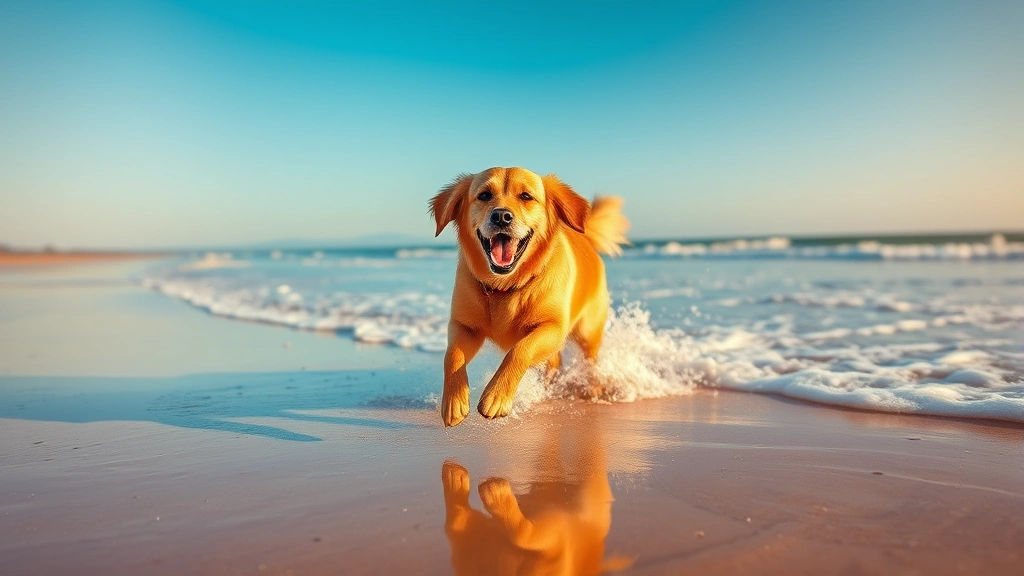
Finding a dog friendly beach near me shouldn’t feel like you need a metal detector and a treasure map. Yet here we are, countless dog parents scrolling frantically on their phones, desperately seeking that perfect spot where Fido can splash around without getting the stink eye from beach patrol. Well, buckle up—this guide is your golden ticket to beachside bliss with your furry best friend.
Table of Contents
- Why Dog Friendly Beaches Matter More Than You Think
- Understanding Beach Dog Regulations & Restrictions
- Best Types of Dog Friendly Beaches to Search For
- How to Find Dog Friendly Beaches in Your Area
- Essential Gear for Your Beach Day Adventure
- Safety Tips: Keeping Your Dog Safe at the Beach
- Nutrition & Hydration: Beach Day Feeding Guide
- Environmental Responsibility & Beach Etiquette
- Seasonal Considerations for Beach Dog Visits
- Top Dog-Friendly Beach Features to Look For
- Red Flags: Beaches to Avoid
- Frequently Asked Questions
- Conclusion: Your Dog’s Beach Adventure Awaits
Why Dog Friendly Beaches Matter More Than You Think
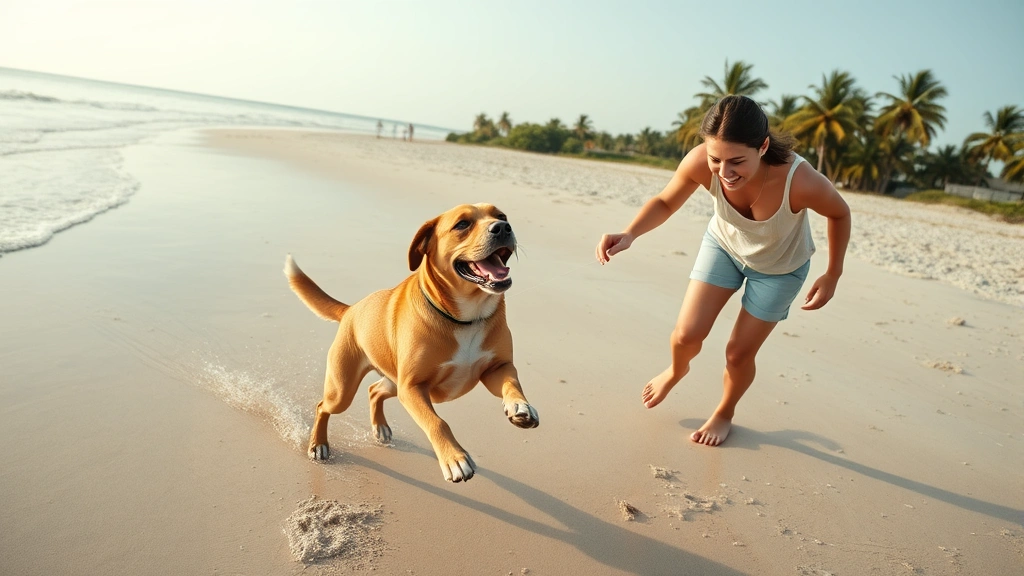
Let’s be real: dogs LOVE beaches. It’s like Disneyland for their snouts. The smells, the textures, the endless entertainment of chasing seagulls (even though they’ll never catch one). But not all beaches welcome our four-legged friends with open arms. Some have strict no-dog policies year-round, while others allow pups during specific seasons. Knowing where to go saves you from awkward confrontations with rangers and keeps your pup happy and legal. Plus, beaches offer incredible exercise opportunities—nothing tires out a dog quite like sand resistance and salt water play.
Understanding Beach Dog Regulations & Restrictions
Before you pack your cooling dog bed and head out, understand that most beaches have rules. Some require leashes, others designate off-leash areas. Many restrict dogs during peak summer months (typically May-September) to protect nesting shorebirds and manage crowds. Federal beaches like those in national seashores often have stricter rules than municipal beaches. Check your local government website or call ahead—seriously, just call. A two-minute phone conversation beats a wasted trip with a disappointed pup in your car.
Best Types of Dog Friendly Beaches to Search For
Not all dog beaches are created equal. Some offer designated off-leash areas, complete with dog parks right on the sand. Others allow leashed dogs everywhere except during certain hours. Some beaches have shallow, calm waters perfect for senior dogs or puppies, while others have strong currents better suited for athletic swimmers. Look for beaches with amenities like freshwater rinse stations, shade structures, and nearby parking. These features transform a decent beach day into an exceptional one. When searching for a dog-friendly beach location, prioritize those with lifeguard presence and good reviews from other dog owners.
How to Find Dog Friendly Beaches in Your Area
Start with your smartphone—use Google Maps and search “dog beach near me” or “off-leash dog beach [your city].” Check BringFido.com, a comprehensive database of dog-friendly locations including beaches. Follow local dog parks and pet groups on social media; they’re goldmines of current information. Call your city’s parks and recreation department directly. Many have updated PDFs listing seasonal dog policies. Read recent reviews on Yelp and Google, paying attention to comments about dog policies and water conditions. Don’t trust outdated information—beach rules change, and you want current intel.
Essential Gear for Your Beach Day Adventure
Packing right makes the difference between a magical day and a sunburned, dehydrated disaster. Bring fresh water—lots of it. Salt water dehydrates dogs faster than you’d think, and drinking ocean water causes digestive upset. Pack a collapsible bowl for easy hydration breaks. Sunscreen designed for dogs protects sensitive noses and ears (yes, dogs get sunburned). Use a biodegradable pet waste bags to clean up responsibly—this is non-negotiable for keeping beaches dog-friendly. Bring a towel, a leash (even if off-leash areas exist), and consider a rash guard if your dog has sensitive skin. Don’t forget toys for entertainment and treats for positive reinforcement.
Safety Tips: Keeping Your Dog Safe at the Beach
Salt water and sand present unique hazards. Rinse your dog with fresh water immediately after beach time to prevent skin irritation and ear infections. Check between paw pads for sand and debris. Watch for signs of overheating—excessive panting, drooling, or lethargy mean it’s time for shade and water. Avoid peak sun hours (10 AM-3 PM) during summer. Be cautious of strong currents, rip tides, and rough waves. Not all dogs are strong swimmers, regardless of breed. Some dogs panic in deep water. Start in shallow areas and gauge your dog’s comfort level. Keep an eye on water temperature—cold water can cause hypothermia in small breeds. Most importantly, never leave your dog unattended, even for a moment.
Nutrition & Hydration: Beach Day Feeding Guide
Your dog’s stomach is more sensitive than you think. Avoid feeding a large meal right before beach activities to prevent bloat. For pet food safety during travel, pack high-quality treats and meals in insulated containers with ice packs. Fresh water is absolutely critical—offer it every 15-20 minutes during activity. Some dogs enjoy frozen treats (like dog-safe popsicles) as both hydration and cooling mechanisms. If your pup wants to snack on beach snacks, stick to dog-safe options. Learn which fruits dogs can eat safely, like watermelon (seedless) and apples (no seeds), which make refreshing beach treats.
Environmental Responsibility & Beach Etiquette
Being a responsible dog owner at the beach means practicing planet conscious pet care. Always pick up after your dog—no exceptions. Use biodegradable bags and dispose of waste in designated receptacles. Avoid letting your dog chase or harass wildlife, especially nesting birds. Keep your dog under control to prevent conflicts with other beachgoers and their pets. Respect posted signage and seasonal restrictions. If you see someone else’s dog in distress, offer help. If your dog shows aggression toward others, it’s time to leave. These practices keep beaches welcoming for all users and protect fragile coastal ecosystems.
Seasonal Considerations for Beach Dog Visits
Summer brings crowds and heat—visit early morning or late evening. Spring and fall offer ideal temperatures and fewer restrictions. Winter means colder water and fewer tourists but potential rough conditions. Many beaches restrict dogs May through September to protect nesting plovers and other shorebirds. Some lift restrictions during winter months, making December-March prime time in certain locations. Check seasonal calendars on your local beach’s website. Some beaches have “dog season” designations—typically October-April—when off-leash areas open. Plan accordingly and adjust your expectations based on what season you’re visiting.
Top Dog-Friendly Beach Features to Look For
The best dog beaches have freshwater rinse stations to remove salt and sand. Shade structures or nearby trees provide relief from intense sun. Designated dog areas keep your pup separate from other beach users who might not appreciate canine enthusiasm. Parking close to the beach entrance matters more than you’d think—carrying supplies and a tired dog long distances is brutal. Lifeguard presence adds safety. Shallow, calm water sections suit different dog swimming abilities. Some premium dog beaches even offer amenities like dog waste stations, water fountains, and beach chairs. While not essential, these features elevate the experience significantly.
Red Flags: Beaches to Avoid
Steer clear of beaches with no freshwater access—your dog will suffer. Avoid areas with strong undertows or dangerous currents unless your dog is an exceptional swimmer. Skip beaches with excessive algae blooms (harmful to dogs). Don’t go to beaches with aggressive wildlife or excessive broken glass and sharp objects. Avoid peak tourist hours unless you enjoy chaos. Watch for beaches with consistently negative reviews about dog policies or safety. If a beach feels sketchy—poor maintenance, aggressive other dogs, unfriendly staff—trust your gut and find somewhere else. There are plenty of better options.
Frequently Asked Questions
What age can puppies start going to the beach?
Most puppies can visit the beach after 12-16 weeks of age, once they’ve received initial vaccinations. However, avoid peak sun hours and limit activity to prevent overexertion. Puppies overheat easily and tire quickly. Keep visits short and supervised. Very young puppies (under 8 weeks) shouldn’t go to beaches with other dogs due to disease risk.

Is salt water dangerous for dogs?
Salt water itself isn’t toxic in small amounts, but excessive ingestion causes diarrhea and dehydration. Prevent your dog from drinking ocean water by offering fresh water frequently. Rinse your dog thoroughly after swimming to prevent skin irritation and ear infections caused by salt residue.
Can senior dogs enjoy beach days?
Absolutely! Senior dogs benefit from gentle beach activities. Keep sessions short, avoid extreme heat, and provide plenty of rest breaks. The soft sand is easier on aging joints than hard pavement. Shallow water wading offers low-impact exercise. Just monitor for signs of fatigue and discomfort.
What should I do if my dog gets sand in their ears?
Rinse ears thoroughly with fresh water after beach visits. Use a soft cloth to gently dry ear canals. If your dog shows signs of ear infection (head shaking, odor, discharge), contact your vet. Some dogs are prone to ear infections and may need preventative drops after beach visits.
Are there beaches where dogs can swim off-leash?
Yes! Many beaches have designated off-leash areas, typically during specific seasons. Check your local parks department website or BringFido.com for locations. Off-leash areas often have specific hours and rules. Always ensure your dog has reliable recall before using off-leash areas.
How do I protect my dog’s paws from hot sand?
Visit beaches during cooler hours (early morning or late evening). Test sand temperature with your hand first—if it’s too hot for you to hold your hand there for 10 seconds, it’s too hot for your dog’s paws. Consider dog booties for extended beach time on scorching sand.
Conclusion: Your Dog’s Beach Adventure Awaits
Finding a dog friendly beach near me is absolutely doable with the right approach. Start by researching local regulations, checking seasonal restrictions, and reading recent reviews. Prepare properly with fresh water, protective gear, and waste cleanup supplies. Respect beach rules and other visitors. Practice responsible dog ownership by keeping your pup under control and cleaning up after them. Most importantly, enjoy the moment—watching your dog experience the pure joy of sand, surf, and salty air is worth the planning effort. Get out there, find your perfect beach spot, and create memories that’ll have your pup dreaming of waves for months. Your furry friend is counting on you!





