
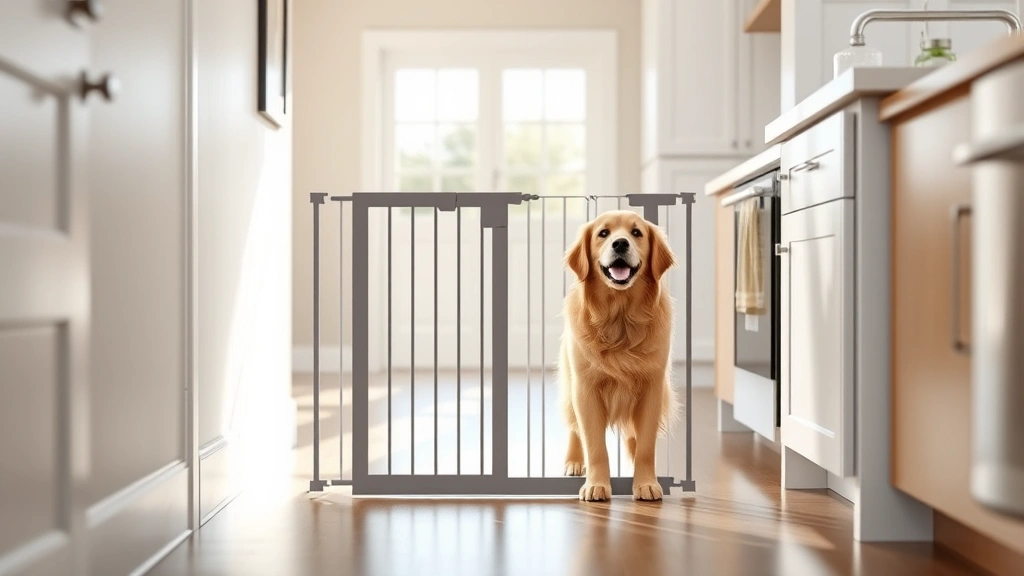
A dog gate with door is one of those game-changing pet products that’ll make you wonder how you ever lived without it. Whether you’ve got a rambunctious puppy, an escape artist senior, or just need to keep your furry friend out of the kitchen while you’re cooking dinner, these gates are absolute lifesavers. Let me walk you through everything you need to know about finding the perfect one for your home and your pup.
Table of Contents
- Why Your Dog Needs a Gate with Door Access
- Types of Dog Gates with Doors Available Today
- Best Materials for Pet-Proof Gates
- Size Matters: Finding the Right Fit
- Installation: Pressure-Mounted vs. Hardware-Mounted
- Safety Features You Absolutely Need
- Top Features to Look For in 2024
- Budget-Friendly Options vs. Premium Models
- Training Your Dog to Accept the Gate
- Common Mistakes to Avoid
- Maintenance and Longevity Tips
- Real-World Scenarios: When a Dog Gate with Door Shines
- Comparing Popular Brands and Models
- Frequently Asked Questions
- Final Thoughts: Choosing Your Perfect Dog Gate with Door
Why Your Dog Needs a Gate with Door Access
Look, we all love our dogs, but sometimes they need boundaries—and honestly, so do we. A quality dog gate with door functionality gives you peace of mind without making your home look like a prison. You can contain your pet safely while still having easy access to them, which beats traditional baby gates that require you to step over them like you’re training for an obstacle course.
The door feature is the real MVP here. Instead of constantly climbing over barriers like some kind of parkour athlete, you just walk through. It’s especially useful if you’re carrying laundry, groceries, or your grumpy cat who definitely doesn’t appreciate being squeezed past a gate.
Types of Dog Gates with Doors Available Today
Not all dog gates are created equal, and the variety out there is honestly impressive. You’ve got pressure-mounted gates that don’t require any drilling—perfect for renters or those of us who don’t trust ourselves with power tools. Then there are hardware-mounted options that are more permanent and sturdy, ideal for serious escape artists or larger breeds.
Some gates feature swing doors that open both ways, while others have one-way doors that let your dog pass through but keep them from going back. There are also accordion-style gates and retractable models. The material options range from wood (fancy!) to metal (durable!) to plastic (easy to clean!).
Best Materials for Pet-Proof Gates
When choosing a dog gate with door, material matters more than you’d think. Metal gates are nearly indestructible—perfect if you’ve got a determined chewer or a large breed who thinks they’re stronger than they are (they’re not, but they try). Wood gates look nicer and blend seamlessly with home décor, though they’re more susceptible to scratches and damage from anxious pups.
Plastic gates are lightweight and super easy to clean, making them ideal for puppies in potty-training mode. Mesh or fabric gates work well for smaller dogs and don’t obstruct your view of your pet. Whatever material you choose, make sure it’s non-toxic and won’t splinter or create sharp edges that could harm your furry friend.
Size Matters: Finding the Right Fit
Before you buy anything, measure your doorway or space where you want the gate. I’m serious—grab a tape measure. Gates come in various widths, and some are adjustable while others aren’t. You’ll also need to consider the height based on your dog’s size and jumping ability. A Chihuahua might be fine with a 24-inch gate, but if you’ve got a Colorado Mountain Dog or similar large breed, you’re looking at 36 inches minimum.
Some gates extend from 24 to 42 inches wide, which is super convenient if you’re using it in multiple doorways. Others are fixed widths, so measure twice and buy once—that’s my motto.
Installation: Pressure-Mounted vs. Hardware-Mounted
Pressure-mounted gates are the renters’ best friend. They use tension to stay in place without any drilling or permanent installation. Just position them in your doorway and tighten the pressure bars. Easy peasy. However, determined dogs might be able to push through if the gate isn’t installed correctly.
Hardware-mounted gates require drilling holes and using screws or bolts, but they’re incredibly secure. This is your choice if you’ve got a dog who treats gates like personal challenges. According to the American Kennel Club, proper installation is crucial for pet safety, so don’t skip this step.
Safety Features You Absolutely Need
Look for gates with locking mechanisms that are actually effective. Some gates have simple latches, while others feature double-locking systems. You want something that your clever pup can’t accidentally open by ramming into it or pawing at the latch.
Check that there are no gaps large enough for your dog’s head or paws to get stuck. The spacing between vertical bars should be appropriate for your pet’s size. Also, ensure the door hinges are sturdy and won’t pinch little toes or tails. PetMD recommends checking gates regularly for wear and tear, especially if you’ve got an active pup.
Top Features to Look For in 2024
Modern dog gates have come a long way. Many now feature auto-close mechanisms that gently shut the door behind you—no more wondering if you left it open. Some have one-way doors that let your dog go through but prevent them from coming back, which is great for managing movement between rooms.
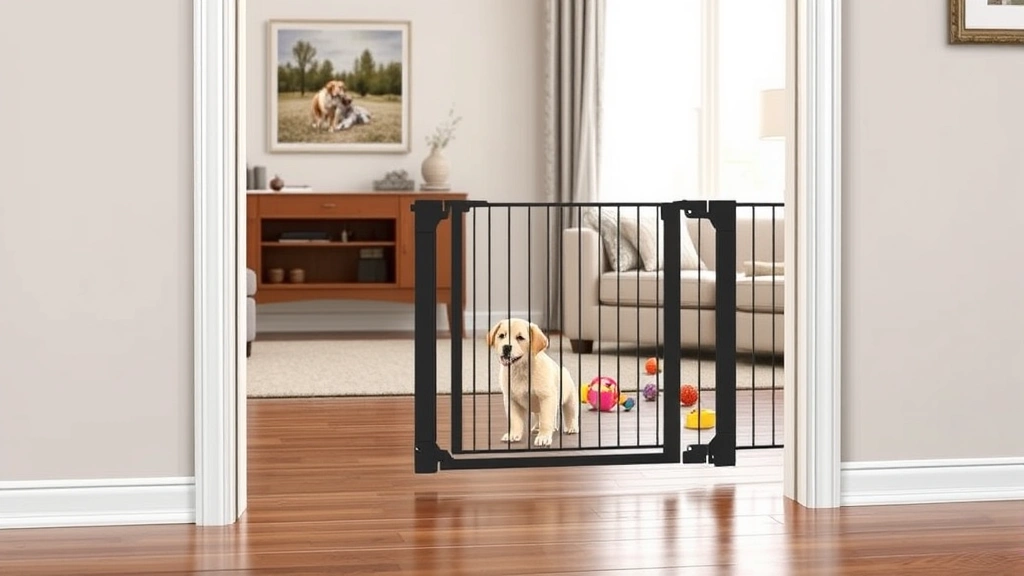
Adjustable height options are becoming more common, and some premium models even have a slight angle to them, making it harder for dogs to climb over. Transparency is another cool feature; some gates are made of clear materials so you can see your pet without obstruction.
Budget-Friendly Options vs. Premium Models
You don’t need to spend a fortune on a quality dog gate with door. Basic models start around $30-50 and work perfectly fine for average-sized dogs and normal situations. Mid-range gates ($50-150) offer better materials, more features, and longer warranties.
Premium models ($150-300+) typically include extra durability, better aesthetics, advanced locking mechanisms, and lifetime warranties. For most dog owners, a mid-range option hits the sweet spot between quality and cost.
Training Your Dog to Accept the Gate
Here’s where patience comes in. Don’t just throw up a gate and expect your dog to be cool with it. Introduce it gradually. Let them sniff it, walk around it, and get comfortable with its presence. Use positive reinforcement—treats, praise, and playtime—when they interact with the gate calmly.
Practice opening and closing the door without actually confining them at first. This builds positive associations. Once they’re comfortable, start using the gate for short periods while you’re nearby. Gradually increase the duration. If your dog struggles with anxiety, consult a veterinary behaviorist or trainer. Cornell University’s College of Veterinary Medicine has excellent resources on pet behavior and anxiety management.
Common Mistakes to Avoid
Don’t use the gate as punishment. If your dog associates the gate with negative experiences, they’ll resist it harder. Also, avoid leaving your dog confined for excessive periods—gates are for temporary separation, not all-day lockdown.
Don’t forget to check what not to feed your dog before leaving them alone in a gated area with toys or treats. Some common items are toxic. Additionally, if your dog has constipation in dogs or other health issues, consult your vet before confining them for extended periods.
Maintenance and Longevity Tips
Keep your gate clean and functional by wiping it down regularly, especially if your dog drools or has muddy paws. Check the hinges and locking mechanisms monthly to ensure they’re working smoothly. Tighten any loose screws or bolts before they become a problem.
If you’ve got a chewer, inspect the gate regularly for damage. Wood gates might need occasional sanding and resealing. Metal gates might develop rust if exposed to moisture, so consider a protective coating if you’re using it in humid areas.
Real-World Scenarios: When a Dog Gate with Door Shines
Imagine you’re cooking dinner and your puppy is underfoot, tripping you up and begging for food. A dog gate with door lets you keep them safely contained in the living room while you work in the kitchen. You can still see them, talk to them, and check on them without constant interruptions.
Or picture this: you’ve got a new puppy in potty-training mode, and you need to keep them confined to an easily cleanable area. A gate with door access makes it simple to take them outside frequently without having to dismantle anything.
Got a senior dog who needs rest while younger pets are playing rough? Gate them safely away with easy access for water, food, and bathroom breaks.
Comparing Popular Brands and Models
Several brands dominate the market. Carlson makes solid, affordable pressure-mounted gates. Midwest offers both pressure and hardware-mounted options with excellent build quality. North States is known for premium materials and design. Each has its strengths, so read reviews specific to your situation and dog size.
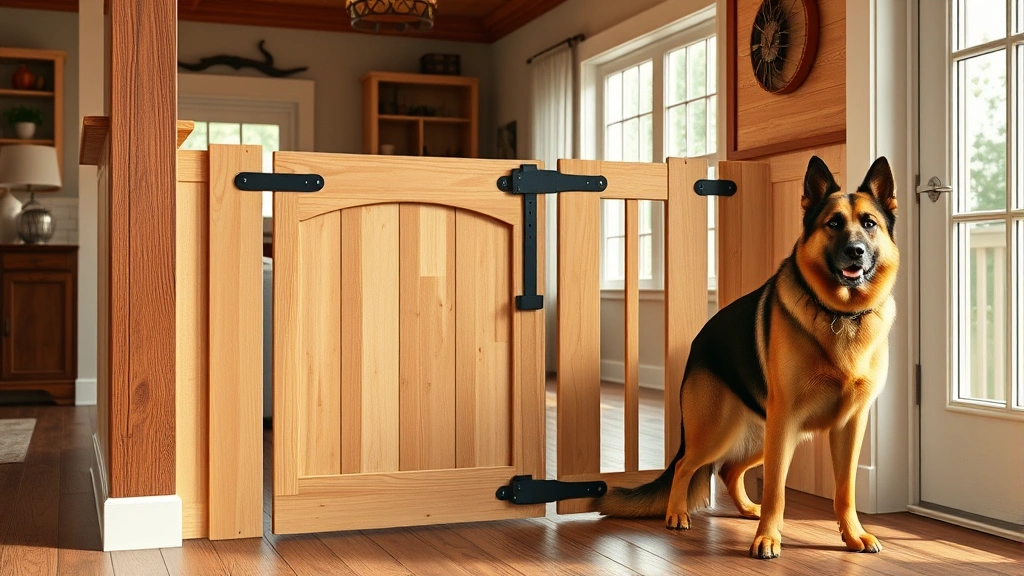
Look for gates with verified customer reviews from people with similar-sized dogs in comparable situations. A gate that works great for a 20-pound Beagle might not be adequate for a 90-pound German Shepherd.
Frequently Asked Questions
Can a dog jump over a dog gate with door?
It depends on the gate height and your dog’s jumping ability. Most dogs can’t jump over a 36-inch gate, but athletic breeds like Border Collies or Australian Shepherds might manage a shorter one. Choose a gate height appropriate for your dog’s size and athleticism. If you’ve got a jumper, opt for the taller option.
Are pressure-mounted gates safe for dogs?
Yes, when installed correctly. Pressure-mounted gates are safe as long as they’re properly positioned and tightened. Check the installation regularly to ensure the gate hasn’t shifted. They’re particularly useful for renters who can’t drill holes.
How do I stop my dog from pushing the gate open?
Choose a gate with a strong locking mechanism and double-lock feature if available. Hardware-mounted gates are more secure than pressure-mounted ones. Practice training your dog not to push, and always ensure the gate is fully latched before leaving.
What’s the best gate for a large breed dog?
Hardware-mounted metal gates that are at least 36 inches tall work best for large breeds. Look for sturdy construction, strong hinges, and effective locking mechanisms. Brands like Midwest and North States specialize in heavy-duty options for big dogs.
Can I use a dog gate in multiple doorways?
Yes, if you choose an adjustable width model. These typically range from 24 to 42 inches wide, so they work in various doorways. Just measure each location carefully before purchasing.
How long can a dog stay behind a gate?
Gates are meant for temporary separation, typically a few hours at most. Dogs shouldn’t be confined for extended periods without bathroom breaks, water access, and social interaction. For longer confinement, use a proper pen or crate designed for that purpose.
Final Thoughts: Choosing Your Perfect Dog Gate with Door
A dog gate with door is an investment in both your sanity and your dog’s safety. Whether you’re dealing with a curious puppy, managing multiple pets, or just need some personal space while you’re cooking, the right gate makes life infinitely easier.
Consider your dog’s size, the gate’s installation requirements, your home’s aesthetics, and your budget. Don’t skimp on safety features, but don’t overspend on fancy features you won’t use. Start with a solid mid-range option from a reputable brand, install it properly, and train your dog to accept it positively.
Remember, a gate is a tool for management and safety, not punishment. Used correctly, it’ll be one of the best purchases you make as a dog owner. Your future self—the one who isn’t tripping over a puppy while carrying hot dishes—will thank you.
And hey, if you’re also concerned about what your pup is eating or their digestive health, don’t forget to check out our guides on quality dog accessories and proper pet care. Your dog deserves the best, and that includes a safe space with easy access for you.





