
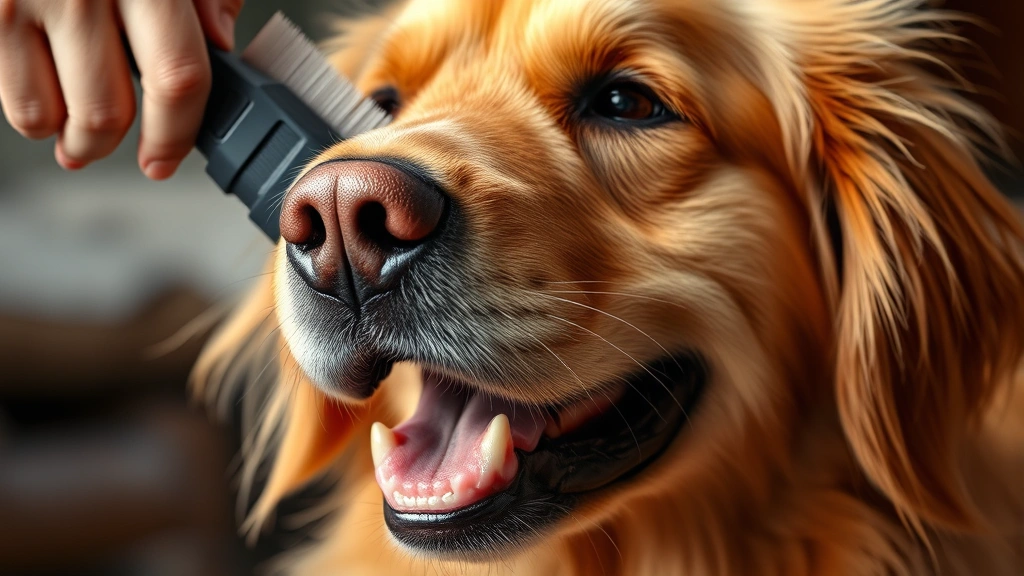
A quality dog grooming brush is honestly one of the best investments you’ll make for your furry best friend—right up there with treats and that ridiculously expensive orthopedic dog bed they’ll probably ignore. Whether your pup is a fluffy Golden Retriever shedding enough hair to knit a second dog, or a sleek Greyhound who just needs a little polish, finding the right brush can transform grooming from a wrestling match into actual bonding time. Let’s dig into the five best picks that’ll have your dog’s coat looking magazine-ready (or at least, not like they rolled around in a mud pit).
Table of Contents
- Why Your Dog Actually Needs a Proper Grooming Brush
- Understanding Different Brush Types for Your Pup
- Pick #1: The Slicker Brush Champion
- Pick #2: The Undercoat Rake for Double-Coated Breeds
- Pick #3: The Gentle Pin Brush for Sensitive Souls
- Pick #4: The Metal Comb Detective Tool
- Pick #5: The Deshedding Miracle Worker
- Grooming Brush Maintenance: Keep Your Tools in Top Shape
- Brushing Techniques That Actually Work
- Choosing the Right Brush for Your Dog’s Coat Type
- Budget Considerations: Quality Versus Price
- Frequently Asked Questions
- Final Thoughts: Your Dog’s Coat Deserves Better
Why Your Dog Actually Needs a Proper Grooming Brush
Before we jump into the fancy stuff, let’s talk about why this matters. Regular brushing isn’t just about aesthetics—though your Instagram followers will definitely appreciate the fluff factor. A good dog grooming brush removes dead hair, prevents matting, distributes natural oils throughout their coat, and helps you spot any skin issues early. Plus, it feels amazing to your dog (most of the time), reduces shedding around your house, and gives you quality time together. It’s basically a spa day that keeps your vacuum from staging a revolt.
Understanding Different Brush Types for Your Pup
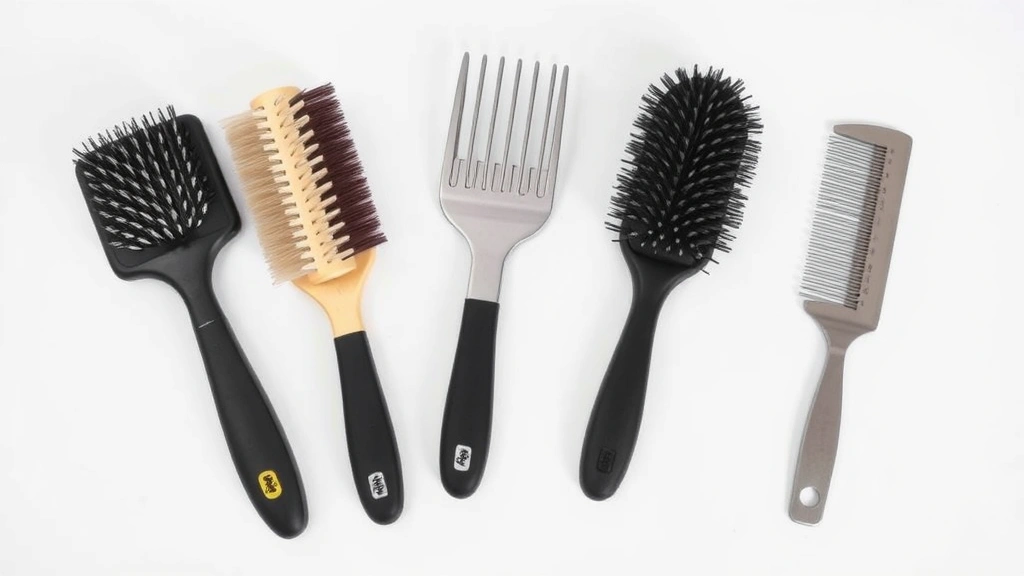
Not all brushes are created equal, and choosing the wrong one is like showing up to a formal dinner in pajamas—technically you’re there, but something’s off. Slicker brushes work great for removing mats and tangles, while undercoat rakes are perfect for double-coated breeds who shed like it’s their life’s mission. Deshedding tools like the FURminator actually work (shocking, I know), and pin brushes are gentler for sensitive skin. Bristle brushes are the versatile friend who gets along with everyone, while metal combs help you check for parasites. Understanding your dog’s coat type is the first step to finding your grooming soulmate.
Pick #1: The Slicker Brush Champion
The Chris Christensen slicker brush is basically the Tesla of dog grooming brushes—premium, efficient, and worth every penny if you’ve got a long-haired breed. This brush features fine, short wires close together on a flat or slightly curved surface, making it perfect for removing mats and tangles without yanking out healthy hair. Dog owners with Doodles, Shih Tzus, and Poodles swear by this thing like it’s a religious artifact. The ergonomic handle won’t destroy your hand after a 20-minute grooming session, and the wires are gentle enough that your dog won’t treat brushing time like a trip to the dentist. Check out our guide on sustainable pet grooming for eco-friendly brush options that don’t sacrifice quality.
Pick #2: The Undercoat Rake for Double-Coated Breeds
If you’ve got a German Shepherd, Husky, or Golden Retriever, an undercoat rake is your secret weapon against the hair apocalypse. The FURminator Undercoat Deshedding Tool is specifically designed to remove loose hair from the undercoat without damaging the topcoat—which is clutch because those guard hairs actually protect your dog’s skin. The ergonomic handle is seriously comfortable, and the results are genuinely impressive. After one session, you’ll understand why people dedicate entire online communities to discussing undercoat rakes. It’s not just a brush; it’s an intervention for your vacuum cleaner’s mental health. Your dog might not love it initially, but introduce it slowly with treats, and they’ll come around.
Pick #3: The Gentle Pin Brush for Sensitive Souls
For dogs with sensitive skin or those who treat grooming like a medieval torture device, the Hertzko Soft Slicker Brush offers a gentler touch without sacrificing effectiveness. The pins are slightly longer and more flexible than traditional slickers, making them ideal for dogs with curly or wavy coats. This brush is particularly great for Poodles, Bichon Frises, and any pup whose skin gets irritated easily. The soft bristles won’t cause discomfort, and the lightweight design means your arm won’t feel like you’ve been doing CrossFit after grooming. Pair this with our bamboo pet products guide for sustainable grooming options that align with eco-conscious pet care.
Pick #4: The Metal Comb Detective Tool
A quality metal comb like the Andis Steel Comb is the Sherlock Holmes of dog grooming—it helps you investigate your dog’s coat for fleas, ticks, and other uninvited guests while smoothing everything out. Use it after brushing to check for parasites and ensure you haven’t missed any mats. The fine and coarse teeth give you flexibility depending on what you’re looking for, and it’s durable enough to last through years of grooming sessions. Plus, metal combs are incredibly easy to clean and sanitize, making them hygienic for your whole pack if you’ve got multiple dogs.
Pick #5: The Deshedding Miracle Worker
The Shed Ender by Oster is specifically engineered to remove loose hair before it ends up on your couch, your clothes, and mysteriously in your coffee. This tool features a unique blade design that gently lifts loose undercoat without cutting or damaging healthy hair. It’s particularly effective during shedding season when your dog seems to be molting like a bird preparing for migration. The comfortable grip and lightweight construction make it suitable for regular use, and honestly, the amount of hair you’ll remove is oddly satisfying—like popping bubble wrap, but for your dog’s coat.
Grooming Brush Maintenance: Keep Your Tools in Top Shape
Your dog grooming brush deserves love too. Clean your brushes weekly by removing hair and rinsing with warm water—don’t let hair build up in the bristles like some kind of gross nest. For slicker brushes and combs, use a small brush or old toothbrush to clean between the wires. Store them in a dry place away from humidity, and replace them when the bristles start bending or breaking. A well-maintained brush lasts longer, works better, and honestly just feels nicer to use. Think of it as grooming your grooming tools.
Brushing Techniques That Actually Work
Having the right brush is half the battle; using it correctly is the other half. Always brush in the direction of hair growth, using gentle strokes rather than aggressive scrubbing. Start with the undercoat if you’ve got a double-coated breed, then work on the topcoat. For mats and tangles, be patient—force them out and you’ll hurt your dog and damage their coat. Work from the outside of the mat inward, using a slicker brush or mat splitter. Make it a positive experience with treats and praise, because if your dog associates grooming with good things, future sessions will be infinitely easier. Check out our article on zero waste pet care for sustainable grooming practices that benefit both your dog and the planet.
Choosing the Right Brush for Your Dog’s Coat Type
This is crucial: the best brush for a Poodle is absolutely wrong for a Boxer. Short-haired breeds need bristle brushes or rubber curry brushes to stimulate skin and remove loose hair. Long-haired breeds benefit from slicker brushes and undercoat rakes. Curly-haired dogs need pin brushes and metal combs to prevent matting. Double-coated breeds require undercoat rakes and deshedding tools. Don’t just grab whatever’s on sale at the pet store—match the brush to your specific dog’s coat, and you’ll see dramatic improvements in coat health and grooming satisfaction.
Budget Considerations: Quality Versus Price
You don’t need to spend $50 on a brush, but the cheapest option often feels cheap for a reason. Mid-range brushes ($15-30) offer solid quality and durability for most dog owners. Premium brushes ($30-60) are worth it if you’ve got a high-maintenance coat or are grooming multiple dogs regularly. Think of it as cost-per-use—if you’re brushing your dog 2-3 times weekly for years, that premium brush amortizes to pennies per session. Budget-friendly doesn’t mean cheap; it means finding the best value for your specific situation.
Frequently Asked Questions
How often should I brush my dog?
It depends on coat type. Short-haired dogs need brushing weekly, while long-haired breeds should be brushed 2-3 times per week. Double-coated breeds during shedding season might need daily attention. Consistency is more important than frequency—regular brushing prevents matting and keeps your dog’s coat healthy.
Can I use a human hairbrush on my dog?
Technically you could, but you really shouldn’t. Human hairbrushes aren’t designed for dog coat types and can damage their hair or irritate their skin. Dog-specific brushes account for their unique coat structure and density. It’s like using a car wash on your house—might seem similar, but it’s not ideal.
What if my dog hates being brushed?
Start slow with short sessions (5 minutes) and use high-value treats to create positive associations. Brush gently and avoid sensitive areas initially. Some dogs warm up with patience and consistency; others might need professional grooming help. Never force it—a negative experience now means future grooming battles.
Is deshedding the same as brushing?
Not quite. Brushing removes surface hair and detangles, while deshedding specifically targets loose undercoat. Both are important for double-coated breeds, but they serve different purposes. Think of brushing as maintenance and deshedding as deep cleaning.
Should I brush before or after bathing?
Always brush before bathing. Wet hair is more prone to breakage, and mats tighten when wet. Brush first to remove tangles and loose hair, then bathe, then brush again after drying to prevent new mats from forming.
Final Thoughts: Your Dog’s Coat Deserves Better
Investing in a quality dog grooming brush is one of the smartest decisions you’ll make as a pet owner. Your dog gets a healthier coat, you get less hair everywhere, and bonding time becomes actually enjoyable instead of a frustrating wrestling match. Whether you go with a slicker brush, undercoat rake, pin brush, metal comb, or deshedding tool depends entirely on your dog’s coat type and your grooming goals. Start with the right tool for your pup, master proper technique, and maintain your brush regularly—and you’ll have a dog with a coat so gorgeous they’ll look ready for a photoshoot every single day. Your vacuum will thank you, your dog will feel amazing, and honestly, there’s something deeply satisfying about a well-groomed pup. Now stop reading and go brush that beautiful furball of yours.





