
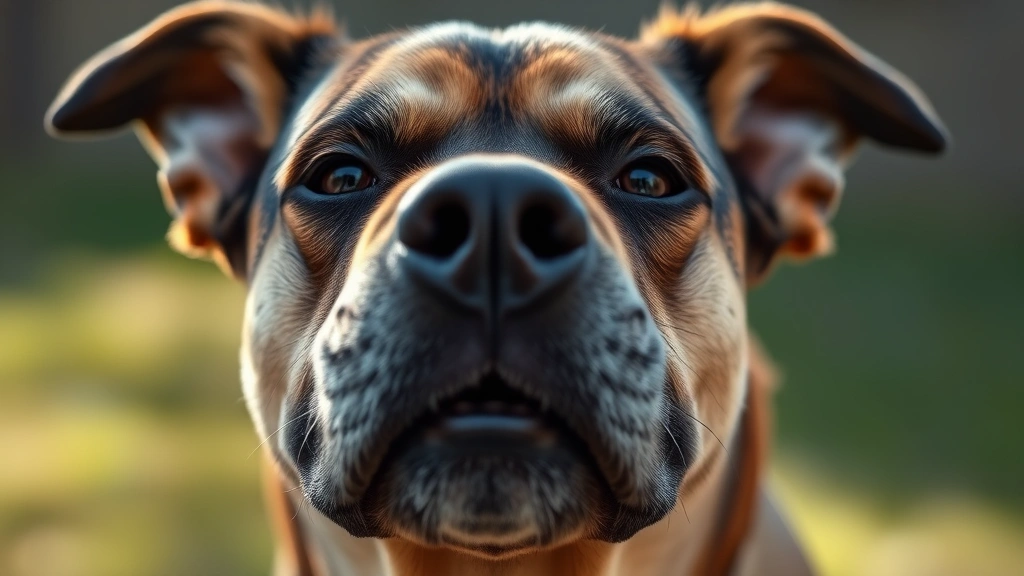
Dog growling is one of those behaviors that can make your heart skip a beat—especially when it’s directed at you, your kids, or your guests. But here’s the thing: your pup isn’t necessarily trying to be a jerk. Growling is actually your dog’s way of communicating that something’s bothering them, and understanding what’s behind that rumbling sound is the first step to addressing it effectively.
Table of Contents
- What Does Dog Growling Actually Mean?
- Reason #1: Resource Guarding and Food Aggression
- Reason #2: Pain and Medical Issues
- Reason #3: Fear and Anxiety
- Reason #4: Territorial and Protective Behavior
- Reason #5: Lack of Training and Socialization
- The Role of Breed Tendencies
- Training Techniques That Actually Work
- When to Seek Professional Help
- Quick Wins: Immediate Steps You Can Take Today
- Preventing Future Growling Issues
- Frequently Asked Questions
- The Bottom Line
Whether your furry friend is resource guarding, feeling anxious, or just being a protective goofball, we’ve got five proven strategies to help you manage and reduce dog growling behavior. Let’s dive in.
What Does Dog Growling Actually Mean?
Before we talk about stopping dog growling, we need to understand what it means. Growling isn’t always a sign of aggression—it’s actually a warning system. Think of it like your dog’s way of saying, “Hey, back off, I’m uncomfortable.” This vocal communication is way better than a bite, honestly. Your dog is giving you a heads-up before escalating to something more serious.
Dogs growl for tons of reasons: fear, pain, territorial protection, resource guarding (that toy is MINE), or even playfulness during rough-and-tumble games. The context matters huge here. A playful growl during tug-of-war sounds different from a defensive growl when someone approaches their food bowl.
Reason #1: Resource Guarding and Food Aggression
One of the most common triggers for dog growling is resource guarding—when your pup thinks you’re about to steal their food, toy, or favorite spot on the couch. This behavior often stems from anxiety or past experiences where resources were limited.
The fix? Start with counterconditioning. Instead of punishing the growl (which just teaches them to skip the warning and go straight to biting), try this: when your dog is eating, toss high-value treats near their bowl. The goal is to teach them that your approach = good things happen. Never reach for their bowl while they’re eating, and give them space to enjoy meals in peace.
You can also practice the “trade-up” game: offer something better in exchange for what they’re guarding. Swap a toy for a treat, then give the toy back. This builds trust and shows them that sharing doesn’t mean losing.
If resource guarding is severe or you’re worried about bites, consider consulting a certified professional dog trainer or using pet telehealth services to get expert guidance remotely.
Reason #2: Pain and Medical Issues
Sometimes dog growling is a red flag for underlying pain or illness. If your normally chill pup suddenly starts growling when touched in certain areas, or if they’re growling more frequently than usual, a vet visit is non-negotiable. Conditions like arthritis, ear infections, or dental disease can make dogs irritable and defensive.
Pain-related growling is your dog’s way of protecting themselves from further discomfort. Once you address the medical issue—whether that’s treating an infection, managing arthritis with carprofen dosage for dogs, or extracting a problematic tooth—the growling often improves dramatically.
Don’t assume behavioral problems before ruling out health issues. A quick vet checkup could save you months of frustration and help your dog feel better faster.
Reason #3: Fear and Anxiety
Fearful dogs often growl as a defensive mechanism. They’re basically saying, “Don’t come closer, you’re scaring me!” This is especially common in rescue dogs with unknown histories, dogs who’ve had traumatic experiences, or naturally anxious pups.
The solution involves desensitization and counter-conditioning. Gradually expose your dog to whatever triggers their fear—whether it’s strangers, loud noises, or other dogs—at a distance where they feel safe. Pair these exposures with positive reinforcement like treats and praise. Over time, their emotional response shifts from “This is scary” to “Oh, this means treats are coming.”
For severe anxiety, your vet might recommend anti-anxiety medications or supplements. Consistency and patience are key here—you’re essentially rewiring your dog’s emotional response, which takes time.
Reason #4: Territorial and Protective Behavior
Some dogs growl to protect their territory, family, or possessions. This is especially true for breeds with strong protective instincts. While a little protectiveness is normal, excessive territorial growling can become problematic if it escalates to lunging or biting.
Start by managing your dog’s environment. If they growl at the mailman, close the blinds or move them to another room during mail delivery. This isn’t about punishment—it’s about preventing the behavior from becoming reinforced.
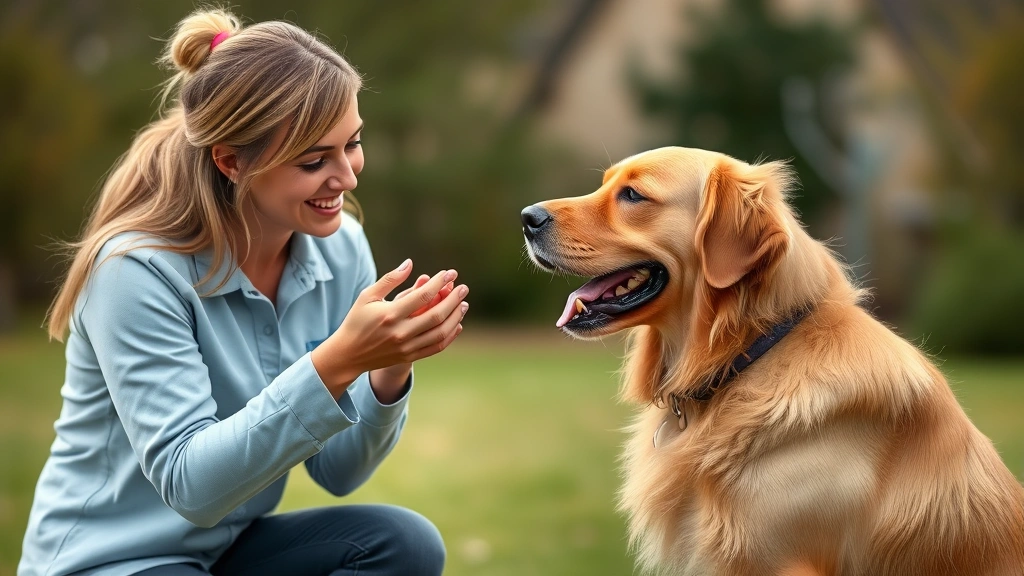
Next, work on impulse control through obedience training. Commands like “sit,” “down,” and “leave it” give your dog an alternative behavior to focus on instead of growling. When a trigger appears (like a visitor at the door), redirect them to sit and reward heavily for compliance.
Socialization also helps. Exposing your dog to various people, places, and situations in a positive way reduces their defensive responses. A well-socialized dog is generally less likely to see the world as a threat.
Reason #5: Lack of Training and Socialization
Sometimes dog growling is simply a communication gap. Your pup never learned better ways to express themselves, or they weren’t exposed to enough positive experiences with people and other dogs. This is where training becomes your best friend.
Invest in positive reinforcement-based obedience training. Teach your dog that good behavior gets rewarded, and that looking to you for guidance is the best strategy. Classes also provide controlled socialization opportunities where your dog can practice being around others in a structured environment.
Consistency is crucial. Everyone in your household needs to enforce the same rules and use the same commands. If mom allows jumping and dad doesn’t, your dog gets confused and frustrated.
The Role of Breed Tendencies
Let’s be real: some breeds are more prone to vocal communication than others. Terriers, for example, tend to be more vocal overall. This doesn’t mean you can’t manage growling in these breeds, but it does mean setting realistic expectations. You might not eliminate growling entirely—you might just redirect it or reduce its frequency.
Understanding your dog’s breed tendencies helps you work with their nature rather than against it. A German Shepherd’s protective instinct isn’t bad; it just needs proper channeling through training and socialization.
Training Techniques That Actually Work
Positive reinforcement is the gold standard for addressing dog growling. Reward the behaviors you want to see more of—calm, quiet responses to triggers. Ignore or redirect unwanted growling rather than punishing it. Punishment-based methods often backfire, creating more anxiety and escalating aggression.
The “watch me” command is particularly useful. Train your dog to make eye contact on cue, then use this to redirect their attention away from triggers. When they’re focused on you, they can’t focus on whatever was making them growl.
Desensitization exercises work best when combined with counter-conditioning. The idea is to reduce your dog’s emotional reaction to triggers while simultaneously building positive associations with those triggers.
When to Seek Professional Help
If your dog’s growling is escalating, if they’re growling at family members, or if you’re genuinely afraid of being bitten, it’s time to call in a certified professional dog trainer or veterinary behaviorist. These folks have the expertise to assess the severity of the situation and create a customized behavior modification plan.
Pet telehealth options can connect you with behavioral specialists remotely, which is convenient if you don’t have access to in-person trainers in your area.
Never feel ashamed about seeking help. Addressing behavioral issues early prevents them from becoming dangerous habits, and it makes life way better for everyone involved—including your dog.
Quick Wins: Immediate Steps You Can Take Today
Can’t wait for a trainer appointment? Here are some immediate strategies:
Create space: If your dog growls during certain situations, remove them from that situation temporarily. This prevents reinforcement of the behavior while you work on a long-term solution.
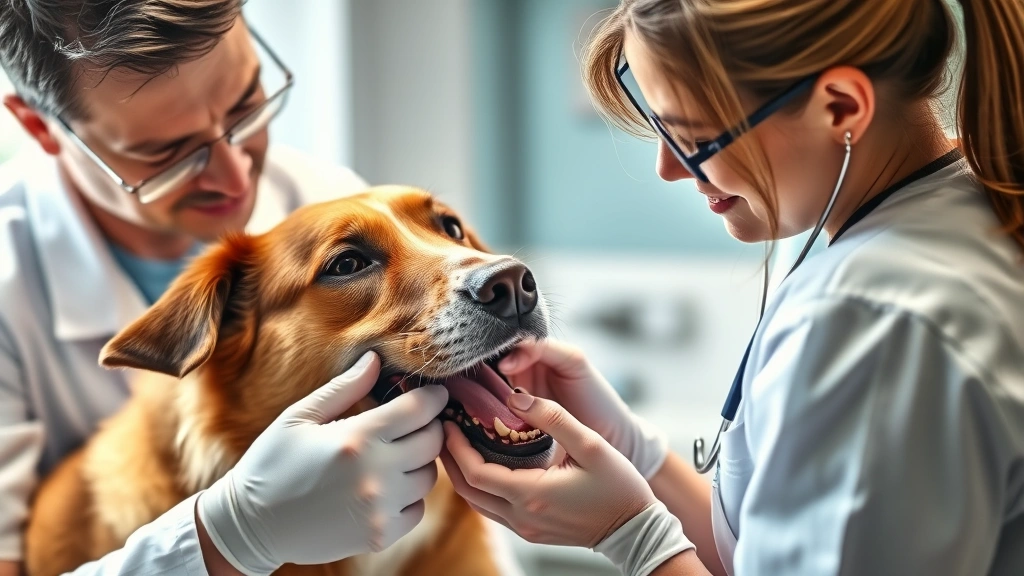
Manage triggers: Identify what causes the growling and minimize exposure. Growls at the vet? Use pet telehealth services for non-emergency consultations to reduce stressful clinic visits.
Increase exercise: A tired dog is a well-behaved dog. Physical activity burns off anxiety and excess energy that might otherwise manifest as growling.
Practice basic obedience: Even 10-minute daily training sessions build confidence and give your dog an outlet for mental stimulation.
Stay calm: Dogs pick up on our stress. If you get tense when you anticipate growling, your dog will too. Keep your energy neutral and positive.
Preventing Future Growling Issues
If you have a puppy or a new dog, prevention is way easier than correction. Proper socialization during critical developmental windows (8 weeks to 4 months for puppies) creates confident, well-adjusted dogs less prone to defensive behaviors.
Establish clear boundaries and consistent rules from day one. Train basic commands early. Expose your pup to various people, environments, and experiences in positive ways. These foundational steps prevent a ton of behavioral problems down the road.
For dogs dealing with health issues, regular vet checkups catch problems early. If your dog has chronic conditions causing discomfort, managing pain effectively (whether through carprofen dosage for dogs or other treatments) prevents pain-related aggression.
Frequently Asked Questions
Is dog growling always a sign of aggression?
No. Growling is communication, not necessarily aggression. Your dog is warning you about discomfort, fear, or a boundary. It’s actually better than a dog who skips the warning and goes straight to biting. That said, growling can escalate to aggression if the underlying issue isn’t addressed, so take it seriously and work to understand the root cause.
Can you punish a dog for growling?
Punishing growling often makes things worse. You’re essentially teaching your dog that the warning system doesn’t work, so they skip the growl and go straight to biting. Instead, use positive reinforcement to reward calm behavior and redirect attention away from triggers. Punishment-based methods increase anxiety and can escalate aggression.
How long does it take to stop dog growling?
It depends on the cause and severity. Simple cases might improve in weeks with consistent training. Complex behavioral issues or those rooted in trauma might take months. The key is consistency and patience. You’re essentially rewiring your dog’s emotional responses, which doesn’t happen overnight.
Should I be worried if my dog growls during play?
Playful growling during games like tug-of-war is usually normal, especially in certain breeds. However, monitor the context. If the growling escalates to snapping or if your dog won’t release toys, that’s a sign to work on impulse control and “drop it” commands. If you’re unsure whether growling is playful or defensive, consult a trainer.
Can medication help with aggressive growling?
In some cases, yes. If anxiety or fear is driving the growling, anti-anxiety medications or supplements can help your dog feel calmer while you work on behavior modification. However, medication alone won’t solve the problem—it works best combined with training and environmental management. Talk to your vet about options.
The Bottom Line
Dog growling isn’t something to ignore or immediately punish—it’s a message from your pup that something needs attention. Whether it’s pain, fear, resource guarding, or lack of training, the underlying cause determines the solution. Start by identifying why your dog is growling, rule out medical issues with a vet visit, and then work on a behavior modification plan tailored to your specific situation.
Most growling issues improve dramatically with patience, consistency, positive reinforcement training, and proper management. You’ve got this, and your dog will thank you for taking the time to understand their needs.





