
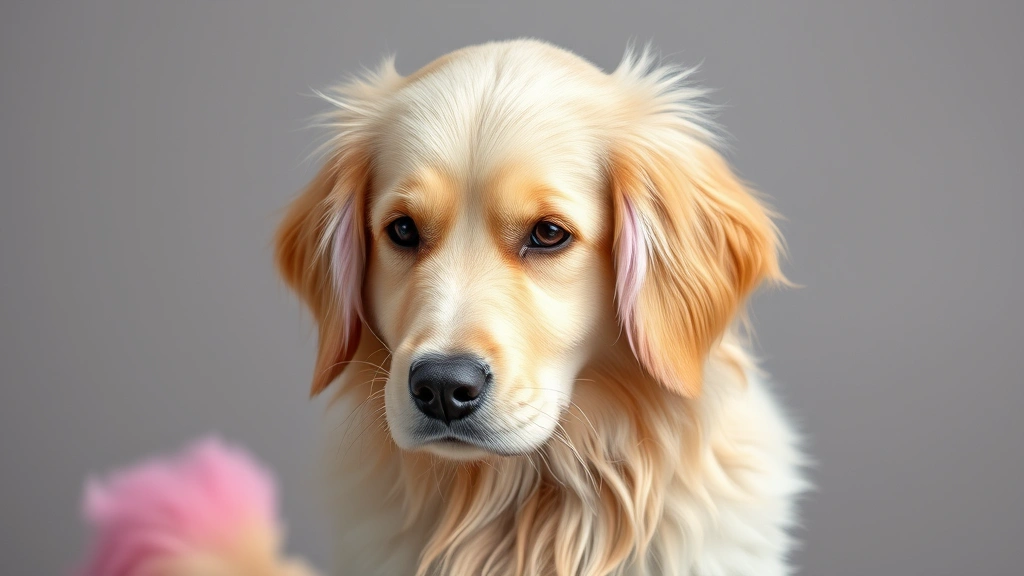
Dog hair dyeing has become increasingly popular among pet owners who want to give their furry friends a colorful makeover, but before you grab that bottle of dye, there’s a lot you need to know about keeping your pup safe and healthy during the process.
Table of Contents
- What Exactly Is Dog Hair Dyeing?
- Is Dog Hair Dyeing Safe for Your Pup?
- Dog Coat Dye Products: What’s Actually Safe?
- Pre-Dyeing Preparation: Getting Your Dog Ready
- Step-by-Step Dog Hair Dyeing Application Process
- Rinsing and Aftercare for Dyed Dog Hair
- Breed-Specific Considerations for Dog Hair Dyeing
- Common Mistakes Pet Owners Make When Dyeing Dog Hair
- When to Avoid Dog Hair Dyeing Entirely
- Professional vs. DIY Dog Hair Dyeing
- Nutrition and Coat Health During the Dyeing Process
- Color Options and What to Expect
- Legal and Ethical Considerations
- Health Monitoring Post-Dyeing
- Frequently Asked Questions
- Conclusion: Making the Right Decision for Your Dog
What Exactly Is Dog Hair Dyeing?
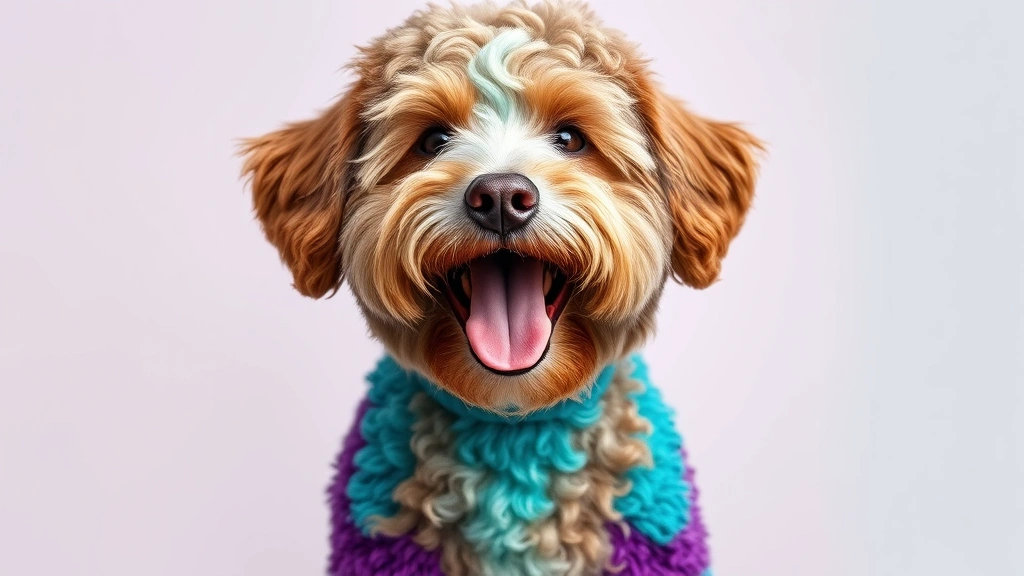
Dog hair dyeing is the practice of applying color to your dog’s coat using specially formulated dyes. Unlike human hair dye, pet-safe versions are designed with your dog’s sensitive skin in mind. The process can range from full-body transformations to creative partial dyes on ears, paws, or tail. Some owners go for subtle tints while others opt for vibrant rainbow effects that’ll make their Instagram followers do a double-take.
The key difference between dog hair dye and human hair dye is the chemical composition. Pet-safe dyes avoid harsh chemicals like PPD (paraphenylenediamine) and ammonia that can irritate or burn your dog’s skin. Think of it as the difference between a gentle facial cleanser and industrial-strength degreaser—both clean, but one won’t leave your face raw.
Is Dog Hair Dyeing Safe for Your Pup?
The short answer: yes, but with significant caveats. Pet-safe dog hair dyes are generally safe when used correctly, but safety depends entirely on the product quality and application method. Your dog’s health, age, and skin condition all play crucial roles in determining whether dyeing is appropriate.
Dogs have more sensitive skin than humans—their pH balance is different, and their skin barrier is thinner. This means they’re more susceptible to irritation from chemical products. Additionally, dogs can’t tell you if something is burning or itching uncomfortably; they just lick and scratch. That’s why choosing the right product matters enormously. Always look for dyes specifically labeled as pet-safe and non-toxic.
Before you proceed with any dog hair dyeing project, consult your veterinarian. They can assess your individual dog’s skin health and determine if dyeing is safe for your specific pet. Some dogs with allergies, sensitive skin, or existing dermatological conditions should absolutely skip the dye job.
Dog Coat Dye Products: What’s Actually Safe?
Not all dog coat dye products are created equal. The market is flooded with options, and some are far safer than others. Look for products that are specifically formulated for pets and have been dermatologically tested. Brands like Opawz, Crazy Liberty, and Pet-Dye are among the more reputable options, though you should still verify ingredients and read recent reviews.

The safest dog coat dye products typically feature:
- Plant-based or vegetable-derived ingredients
- No ammonia, peroxide, or harsh chemicals
- Hypoallergenic formulations
- pH-balanced for canine skin
- Clear ingredient lists with no mysterious proprietary blends
Avoid anything labeled for human use, even if it claims to be “natural” or “organic.” Human-grade products simply aren’t formulated for your dog’s unique skin chemistry. It’s like using industrial-grade sunscreen on a newborn—just because it has SPF doesn’t mean it’s appropriate for the job.
Pre-Dyeing Preparation: Getting Your Dog Ready
Preparation is absolutely critical for safe dog hair dyeing. Start by giving your dog a thorough bath with a gentle, hydrating shampoo about 24-48 hours before dyeing. This removes dirt and debris but allows natural oils to rebuild slightly, which protects the skin during the dyeing process.
Perform a patch test at least 48 hours before full application. Apply a small amount of dye to an inconspicuous area (inside the ear or under the tail) and monitor for any adverse reactions like redness, swelling, or excessive itching. If your dog shows any signs of irritation, do not proceed with the full dyeing session.
Brush your dog’s coat thoroughly to remove mats and tangles. This ensures even dye distribution and prevents the dye from concentrating in certain areas. Trim any matted sections if necessary. For long-haired breeds, you might want to section the coat with clips to make application easier and more controlled.
Have all your supplies ready before you begin: gloves, old towels, petroleum jelly (to protect skin around the eyes and ears), a non-metal mixing bowl, applicator brushes, and plenty of water for rinsing. Preparation prevents panic mid-process.
Step-by-Step Dog Hair Dyeing Application Process
Now for the actual application. This is where patience becomes your best friend. Start by protecting sensitive areas: apply petroleum jelly around your dog’s eyes, nose, ears, and any areas with thin or sensitive skin. This creates a barrier that prevents dye from staining or irritating these delicate zones.
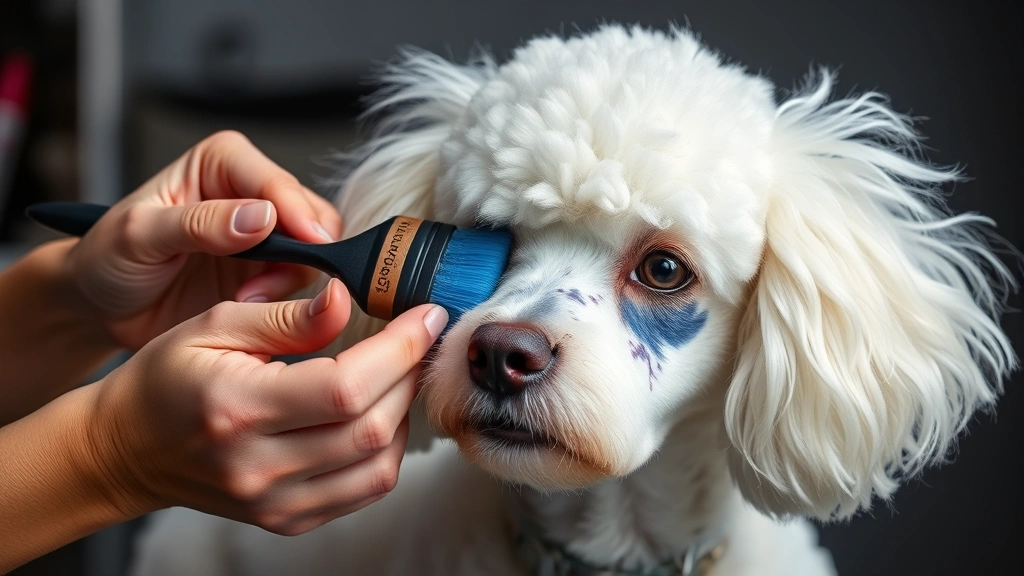
Mix your dye according to package instructions, using only the recommended proportions. Don’t try to “make it stronger” by adding more dye powder—you’ll only increase the risk of irritation. Apply the dye starting from the roots and working outward, ensuring even coverage. Use an applicator brush to work the dye through the coat thoroughly.
Timing is crucial. Most pet-safe dyes require 20-30 minutes of processing time. Don’t leave it on longer than recommended, thinking it’ll create a more vibrant color. Longer contact time increases irritation risk without significantly improving color payoff. Set a timer and stick to it religiously.
Keep your dog calm and still during processing. Some owners use treats, frozen peanut butter, or a lick mat to keep their pup occupied. If your dog seems stressed or uncomfortable, rinse immediately and discontinue the process. Your dog’s wellbeing trumps the perfect color every time.
Rinsing and Aftercare for Dyed Dog Hair
Rinsing is just as important as application. Use lukewarm water (not hot, which can irritate skin further) and rinse thoroughly until the water runs completely clear. This can take 10-15 minutes, but it’s worth every second. Residual dye left on the skin can cause irritation or staining of the skin itself.
After rinsing, apply a high-quality, moisturizing conditioner designed for dogs. This helps restore hydration to the coat and soothes any minor irritation. Leave the conditioner on for 5-10 minutes, then rinse again. Pat your dog dry with soft towels—avoid vigorous rubbing that could irritate the skin.
For the next few days, monitor your dog closely for signs of irritation: excessive scratching, redness, flaking, or hair loss. Some light shedding of dyed hair is normal, but significant hair loss or persistent scratching warrants a veterinary visit. Consider using gentle grooming products similar to those discussed in our cat shampoo guide, but specifically formulated for post-dye care.
Breed-Specific Considerations for Dog Hair Dyeing
Different breeds have different coat types, and this affects how they respond to dyeing. Light-colored dogs show dye more vividly, while dark-coated breeds may require double applications to achieve noticeable color. White or cream-colored coats absorb dye more readily, so you might need less processing time to avoid over-saturation.
Double-coated breeds like Golden Retrievers, Huskies, and German Shepherds require extra care. Their dense undercoats make thorough dye application challenging and can trap moisture against the skin if not properly dried afterward. Consider consulting a professional groomer for these breeds.
Short-haired breeds are generally easier to dye evenly, but their skin is more exposed, so they need extra protection and careful monitoring. Curly or wiry-coated breeds like Poodles and Doodles hold dye beautifully but require meticulous rinsing to prevent product buildup.
Common Mistakes Pet Owners Make When Dyeing Dog Hair
The most frequent mistake is using human hair dye on dogs. People think, “Well, it’s just color,” but the chemical formulations are fundamentally different and can cause serious skin damage. Don’t do this—ever. Full stop.
Another common error is skipping the patch test. Owners get excited and dive straight into full-body application, only to discover their dog is allergic or sensitive to the product. Forty-eight hours of patience upfront saves weeks of dealing with skin irritation.
Over-processing is another culprit. Leaving dye on longer than recommended doesn’t create better color; it increases irritation risk exponentially. Follow the manufacturer’s instructions precisely—they’re based on extensive testing.
Many owners also underestimate the importance of aftercare. They rinse quickly and call it done, leaving residual dye and chemicals on the skin. Thorough rinsing and conditioning are non-negotiable steps, not optional add-ons. Additionally, some pet owners neglect to consider their dog’s existing health conditions. If your dog has skin allergies or sensitivities, dog hair dyeing might not be appropriate, regardless of product quality. This ties back to the importance of consulting your vet beforehand.
When to Avoid Dog Hair Dyeing Entirely
Certain situations make dog hair dyeing inadvisable. Puppies under one year old shouldn’t be dyed—their skin is still developing, and their immune systems aren’t fully mature. Senior dogs with compromised skin or health conditions are also poor candidates.
Dogs with existing skin conditions like allergies, dermatitis, or yeast infections should not be dyed until those conditions are completely resolved. Dogs with open wounds, sores, or recent surgical sites should definitely wait. If your dog is on medications that affect skin health, check with your vet before dyeing.
Pregnant or nursing dogs should not be dyed, as chemicals could potentially affect milk production or puppies. Dogs with anxiety or stress-related behaviors might find the dyeing process traumatic; for these pups, the stress itself could cause health issues that outweigh cosmetic benefits.
Professional vs. DIY Dog Hair Dyeing
You can absolutely dye your dog’s hair at home, but professional groomers offer distinct advantages. They have experience handling anxious dogs, applying dye evenly, and recognizing early signs of irritation. Professional-grade products are sometimes higher quality than retail versions, and professionals know which products work best for specific coat types.
The downside? Cost. Professional dog hair dyeing typically runs $75-$300 depending on your dog’s size and the complexity of the design. DIY costs $20-$50 per application. If budget is tight, DIY is feasible, but if your dog is anxious or has a complex coat, professional application is worth the investment.
Consider a hybrid approach: have a professional do the first dye job while you observe and learn. Then you can maintain the color at home with touch-ups, saving money while ensuring quality.
Nutrition and Coat Health During the Dyeing Process
Healthy coats dye better and recover faster. Start boosting your dog’s coat health weeks before dyeing by ensuring optimal nutrition. High-quality protein, omega-3 and omega-6 fatty acids, and biotin all support coat strength and resilience. Check out our pet treat recipes for nutritious options that support coat health.
Consider adding supplements like fish oil or coconut oil (in appropriate amounts) to your dog’s diet. A well-nourished coat is more resilient to chemical processes and recovers faster afterward. Post-dyeing, maintain this nutritional support for at least 2-3 weeks to help your dog’s coat fully recover.
Color Options and What to Expect
Pet-safe dyes come in various colors: pastels, vibrant jewel tones, and even metallics. However, the final color depends heavily on your dog’s natural coat color. Light coats show color true to the bottle. Dark coats may require bleaching (which carries additional risks) or show color only in certain lighting conditions.
Understand that dyed hair fades over time, especially with regular bathing and sun exposure. Most pet-safe dyes last 4-8 weeks before noticeably fading. This is actually a safety feature—it means the dye gradually leaves your dog’s system rather than accumulating.
Some colors are more forgiving than others. Pastels and jewel tones work on most coat colors, while bright neons might require pre-lightening. Discuss realistic expectations with your groomer or carefully research your chosen dye on similar-colored dogs before committing.
Legal and Ethical Considerations
While dog hair dyeing is legal in most places, some show organizations prohibit dyed dogs from competition. If your dog is a show dog, check the rules before dyeing. Additionally, consider your dog’s comfort and consent (as much as a dog can consent). If your pup hates the dyeing process, the temporary aesthetic isn’t worth ongoing stress.
Some animal welfare advocates argue that dyeing is purely cosmetic and unnecessary. They’re not entirely wrong. If your dog’s quality of life or health is compromised in any way, skip it. But if your dog tolerates the process well and you follow safety protocols, occasional dyeing is generally considered acceptable.
Health Monitoring Post-Dyeing
After dyeing, monitor your dog for two weeks for any delayed reactions. Watch for excessive scratching, hair loss, skin redness, behavioral changes, or digestive issues. Some dogs might experience mild stomach upset if they ingest dye during the process (which is why preventing licking is important).
Keep a close eye on the dyed area for any signs of infection, especially if your dog has scratched and broken the skin. If anything seems amiss, contact your veterinarian immediately. It’s better to be overly cautious than to let a minor irritation develop into a serious infection.
For ongoing health and safety information about pet care, check out our comprehensive guide on pet food safety, which covers many principles applicable to overall pet health management.
Frequently Asked Questions
Is dog hair dyeing permanent?
No, pet-safe dog hair dyes are semi-permanent to temporary. Most fade within 4-8 weeks with regular bathing and sun exposure. This is actually a safety feature, as it prevents dye buildup on your dog’s skin over time.
Can I use human hair dye on my dog?
Absolutely not. Human hair dye contains chemicals like PPD and ammonia that can cause serious chemical burns and skin damage on dogs. Always use products specifically formulated for pets.
What if my dog has a reaction to the dye?
Rinse immediately with cool water for 10-15 minutes. Remove any dye-soaked bedding or toys. Monitor closely for worsening symptoms. If redness, swelling, or excessive itching persists beyond a few hours, contact your veterinarian immediately.
How often can I dye my dog’s hair?
Most veterinarians recommend waiting at least 6-8 weeks between dyeing sessions to allow the skin to fully recover. Frequent dyeing increases irritation risk and can damage the coat structure.
Will dyed hair affect my dog’s temperature regulation?
No. The dye only colors the hair shaft and doesn’t significantly affect the coat’s insulating properties or your dog’s ability to regulate body temperature.
Can puppies be dyed?
No. Wait until your dog is at least one year old. Puppies have developing skin and immature immune systems that make them more vulnerable to irritation and complications.
What’s the best color for my dog’s coat type?
Light coats show true color best. Dark coats show pastels and jewel tones in certain lighting. Consult with a professional groomer or research your specific dye on similar-colored dogs before choosing.
Is dog hair dyeing expensive?
DIY dyeing costs $20-$50 per application. Professional grooming typically costs $75-$300 depending on dog size and design complexity. Budget accordingly based on your preference and your dog’s needs.
Conclusion: Making the Right Decision for Your Dog
Dog hair dyeing can be a fun, creative way to express your personality through your pet—but only when done safely and responsibly. The key to success is choosing pet-safe products, following application instructions precisely, performing patch tests, and monitoring your dog carefully before, during, and after the process.
Remember that your dog’s health and comfort always come first. If at any point your dog shows signs of distress, irritation, or discomfort, stop immediately. The perfect Instagram photo isn’t worth compromising your pup’s wellbeing.
Consult your veterinarian before dyeing, prepare thoroughly, use only pet-safe products, and commit to proper aftercare. With these precautions in place, you can safely explore creative grooming options while keeping your furry friend healthy and happy. Whether you go for subtle pastels or vibrant rainbow effects, your dog will still be the most beautiful pup in the park—dyed or not.





