
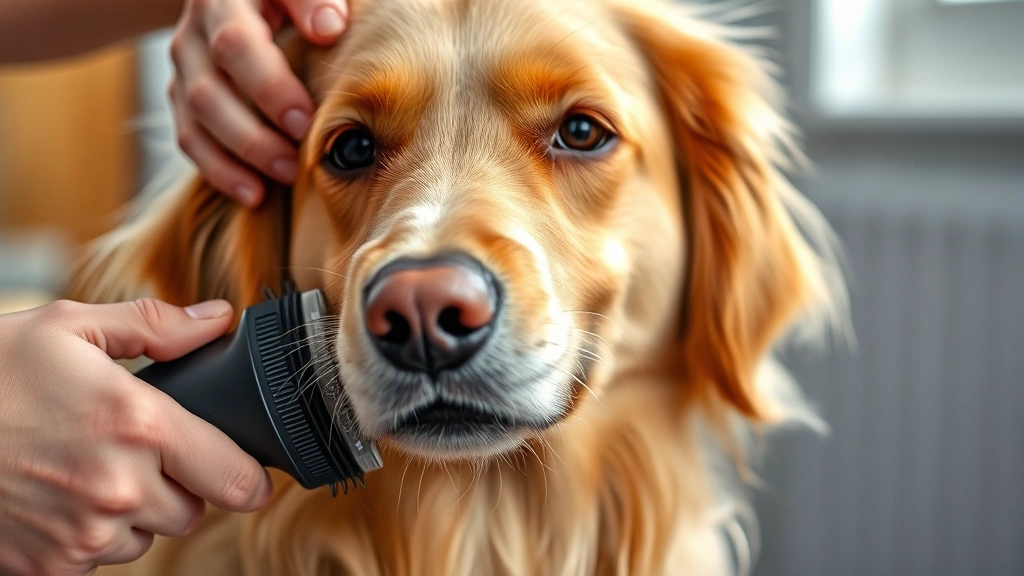
If you’re drowning in dog hair tumbleweeds rolling across your hardwood floors, a dog hair remover isn’t just a luxury—it’s a survival tool. Whether you’ve got a Golden Retriever shedding like it’s going out of style or a German Shepherd that treats your couch like a fur deposit box, the right grooming tool can be an absolute game-changer. Let’s dive into the five best dog hair removers that actually deliver results instead of just pushing fur around like some kind of futile grooming theater.
Table of Contents
- Why Your Dog Hair Remover Matters More Than You Think
- The FURminator: The Legendary Shedding Solution
- Slicker Brushes: The Versatile Workhorse
- Deshedding Tools and Undercoat Rakes: The Deep Cleaners
- Grooming Gloves: The Gentle Alternative
- Vacuum Attachments and Electric Grooming Tools: The High-Tech Option
- How to Choose Your Perfect Dog Hair Remover
- Pro Tips for Maximum Shedding Control
- Shedding Seasons and When to Increase Grooming
- Common Mistakes Dog Owners Make With Hair Removal Tools
- Budget Breakdown: What You Should Actually Spend
- Frequently Asked Questions
- The Bottom Line on Dog Hair Removal
Why Your Dog Hair Remover Matters More Than You Think
Look, we all know shedding happens. It’s part of dog ownership. But when your pup sheds enough fur to knit a second dog, it’s time to get serious about pet grooming tools. A quality dog hair remover isn’t just about keeping your home cleaner—though that’s obviously a massive bonus. Regular grooming with the right tools actually benefits your dog’s health. It reduces matting, improves circulation, and helps you spot potential skin issues early. Plus, your dog probably won’t hate you for it. Most dogs actually enjoy the grooming process when you’re using the right equipment.
The FURminator: The Legendary Shedding Solution
If there’s a Mount Rushmore of pet grooming tools, the FURminator gets its own monument. This undercoat deshedding tool is specifically designed to remove loose fur from your dog’s undercoat without damaging the topcoat. The short-toothed version works great for dogs with shorter coats, while the long-toothed model handles those fluffier breeds. What makes the FURminator so effective is that it actually reaches the undercoat where all that loose fur is hiding, doing the heavy lifting that regular brushes can’t touch. Users consistently report removing enough fur to stuff a pillow after just one session.
Slicker Brushes: The Versatile Workhorse
Don’t underestimate the humble slicker brush. This flat, rectangular brush with short, tightly-packed wires is like the Swiss Army knife of dog grooming. It works on virtually every coat type and does a surprisingly effective job of removing loose hair before it ends up on your furniture. The key is using the right technique—gentle, short strokes in the direction of hair growth. Slicker brushes are particularly good for preventing matting, which is crucial for those fluffy coated breeds. They’re also affordable, durable, and require minimal maintenance. For the money, you’re getting serious bang for your buck.
Deshedding Tools and Undercoat Rakes: The Deep Cleaners
When you need to get serious about shedding season, undercoat rakes and specialized deshedding tools are your secret weapons. These tools have multiple rows of short wires that penetrate deep into your dog’s coat to remove loose undercoat hair. They’re particularly effective on double-coated breeds like Huskies, Malamutes, and German Shepherds. The undercoat rake looks like a rake (hence the name), with a long handle and a wide head covered in wire teeth. One thing to remember: these tools are powerful, so you need to be gentle and careful not to irritate your dog’s skin. When used correctly, though, they’re absolutely phenomenal at reducing shedding by up to 90 percent.
Grooming Gloves: The Gentle Alternative
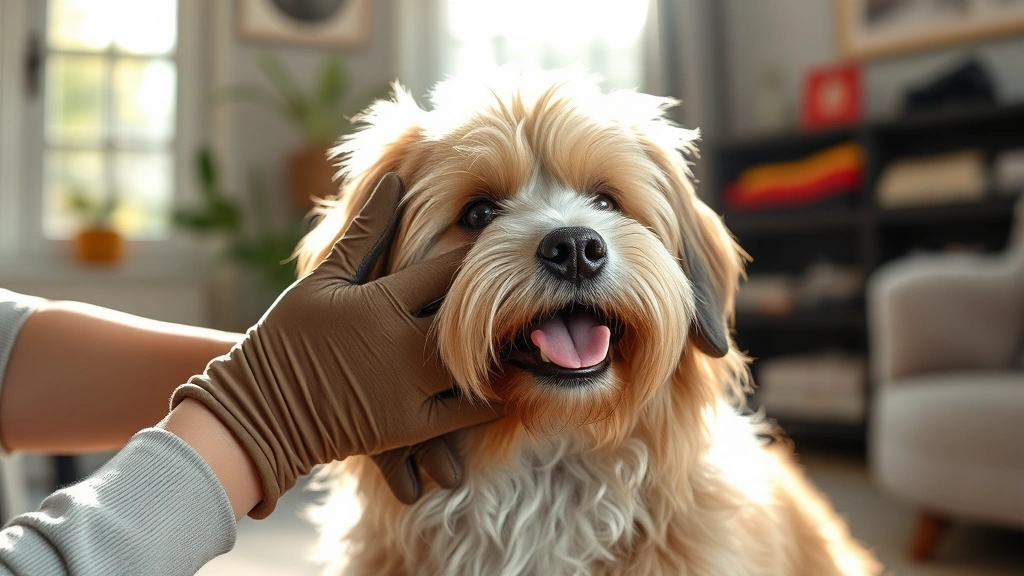
If your dog gets nervous around traditional grooming tools, grooming gloves might be your answer. These rubber or silicone gloves have nubs or teeth on the palms that catch loose fur while you’re literally just petting your dog. It feels natural to your pup, and they often enjoy the experience more than traditional brushing. The downside? They’re not as effective as dedicated tools for heavy shedding situations. But for maintenance grooming and dogs with anxiety, they’re fantastic. Plus, your dog thinks you’re just giving them extra attention, which is basically a win-win scenario.
Vacuum Attachments and Electric Grooming Tools: The High-Tech Option
Welcome to the future of pet grooming. Electric dog grooming vacuums combine suction with grooming brushes to literally vacuum up loose fur right as you groom. Brands like Neakasa make these units specifically for pet owners. They’re incredibly effective at containing the fur mess (since it goes directly into a vacuum) and they’re great for dogs who shed heavily. The downside is the cost and the noise factor—some dogs get spooked by the sound. But if you’ve got a heavy-shedding breed and the budget for it, these tools are genuinely revolutionary. They’re like having a professional groomer on speed dial.
How to Choose Your Perfect Dog Hair Remover
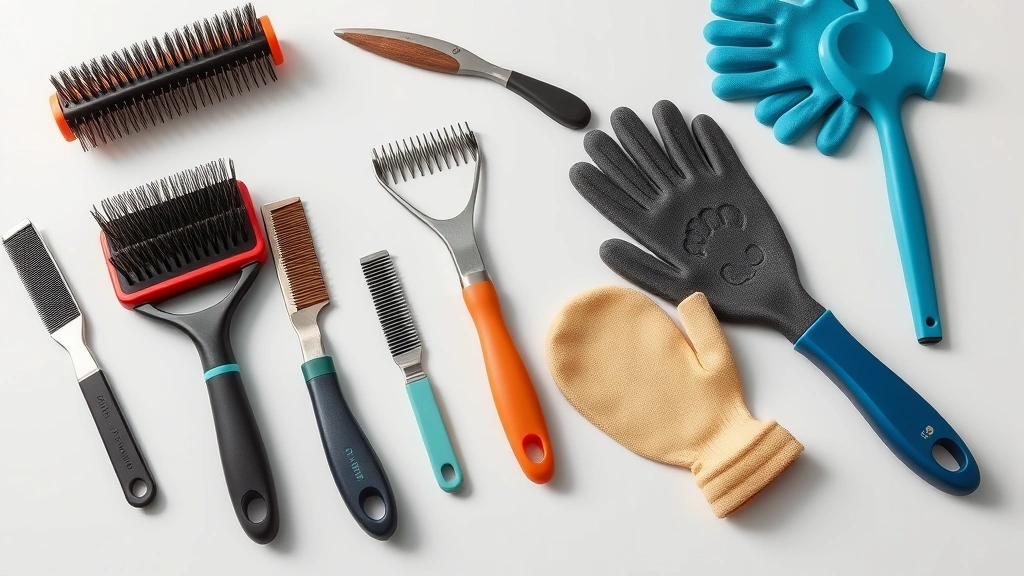
So which tool should you actually buy? Here’s the real talk: it depends on your dog’s coat type, your dog’s temperament, and your budget. Short-haired dogs do great with slicker brushes or rubber grooming gloves. Long-haired and double-coated dogs need the heavy artillery—FURminators or undercoat rakes. If your dog hates grooming, start with gloves. If you’re serious about managing shedding, invest in a deshedding tool. And if money is no object and you want the absolute best results with minimal mess, go for an electric grooming vacuum. The reality is that most serious dog owners end up with multiple tools because different situations call for different equipment. Think of it as building your grooming arsenal.
Pro Tips for Maximum Shedding Control
Using the right tool is only half the battle. Technique matters just as much. Always brush in the direction of hair growth, use gentle pressure (you’re not trying to sand your dog down), and never force a tool through matted fur. If you encounter mats, use a mat splitter or dematting comb first. Groom your dog regularly—at least once or twice a week for heavy shedders—rather than waiting until fur is everywhere. And here’s a pro tip: groom your dog outside or in a bathroom where cleanup is easy. You’ll thank yourself later. Also, consider your dog’s diet. A vet approved human foods for pets that are rich in omega fatty acids can actually improve coat health and reduce excessive shedding from the inside out.
Shedding Seasons and When to Increase Grooming
Most dogs shed year-round, but many breeds have major shedding seasons—usually spring and fall when they’re transitioning between coats. During these periods, you might need to groom daily to manage the fur explosion. This is when having multiple tools really pays off. You can use a slicker brush for daily maintenance and then break out the heavy-duty deshedding tool a few times a week. Consistency during shedding season makes a massive difference in how much fur ends up on your clothes and furniture.
Common Mistakes Dog Owners Make With Hair Removal Tools
Let’s talk about what NOT to do. First mistake: using the wrong tool for your dog’s coat type. A slicker brush on a short-haired dog is overkill; a rubber glove on a heavily matted double-coat is useless. Second mistake: grooming too aggressively and irritating your dog’s skin. The tool should glide smoothly; if you’re meeting resistance, stop and assess. Third mistake: only grooming when you notice excessive shedding. Regular grooming prevents problems. Fourth mistake: neglecting to clean your tools. Fur builds up, reducing effectiveness. Fifth mistake: using human hair brushes on dogs—they’re not designed for animal coats and often cause more harm than good. If you’re concerned about skin issues underneath all that fur, check out information about candida in dogs ear and other common skin conditions that grooming can help you identify early.
Budget Breakdown: What You Should Actually Spend
Here’s the honest breakdown: quality tools don’t have to break the bank. A decent slicker brush runs $10-20. A good FURminator is $25-40. Undercoat rakes are $15-35. Grooming gloves are $10-25. Electric grooming vacuums are the splurge at $200-500. You don’t need all of these. Start with one or two tools that match your dog’s needs, and expand your collection over time. A $30 tool that actually works is infinitely better than a $5 tool that just frustrates you both.
Frequently Asked Questions
How often should I use a dog hair remover on my pet?
For light to moderate shedders, 1-2 times per week is ideal. Heavy shedders during shedding season might need daily grooming. The key is consistency—regular grooming prevents matting and reduces overall shedding better than occasional intense sessions.
Will using a dog hair remover hurt my dog?
Not if you use the right tool correctly. Always use gentle pressure, groom in the direction of hair growth, and avoid forcing tools through tangles. If your dog shows signs of discomfort, stop immediately and reassess your technique or tool choice.
Can I use a human hairbrush on my dog?
Not really. Human hairbrushes aren’t designed for animal coats and can actually damage your dog’s fur and irritate their skin. Always use tools specifically designed for dogs.
What’s the best dog hair remover for sensitive skin?
Grooming gloves are your safest bet for sensitive-skinned dogs. They provide gentle grooming without harsh bristles. Follow up with a soft slicker brush if needed. If your dog has specific skin conditions, consult your vet before grooming.
Do dog hair removers work on all breeds?
Most tools work on most breeds, but effectiveness varies. Double-coated breeds need undercoat rakes or FURminators. Short-haired breeds do fine with slicker brushes. Curly-coated breeds need specific tools designed for their coat type. Match the tool to your breed.
The Bottom Line on Dog Hair Removal
Finding the right dog hair remover is genuinely one of the best investments you can make as a dog owner. Whether you go with a classic FURminator, a versatile slicker brush, or invest in a high-tech grooming vacuum, the key is actually using it consistently. Regular grooming keeps your dog healthy, reduces shedding around your home, and gives you quality bonding time with your pup. Your dog’s coat will be healthier, your furniture will be cleaner, and you’ll spend less time vacuuming fur off literally everything. Start with one tool that matches your dog’s needs, master the technique, and then expand your grooming arsenal as needed. Your future self—the one who isn’t constantly picking dog hair off their clothes—will thank you. And according to the American Kennel Club, regular grooming is one of the most important aspects of responsible dog ownership. For additional insights on maintaining your dog’s overall health, check out our guide on healthy snack alternatives for dogs to ensure your pup is getting proper nutrition that supports a healthy coat from the inside out.





