
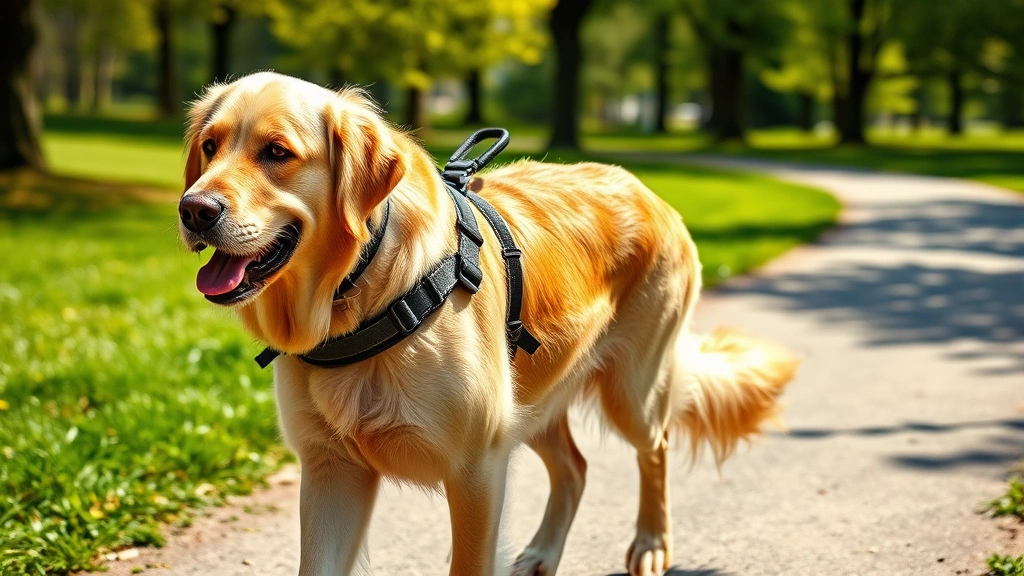
A dog harness with handle is basically the Swiss Army knife of dog walking gear—it gives you maximum control without choking your pup, and that handy grab-point makes life infinitely easier when you’re dealing with a 70-pound furball who thinks every squirrel is a personal vendetta. Whether you’ve got a tiny Cavachon that thinks it’s a sled dog or a massive breed that pulls like it’s training for the Iditarod, the right harness with a handle transforms walks from chaotic wrestling matches into actually enjoyable outings.
Table of Contents
- Why Your Dog Needs a Harness with Handle (Not Just Any Harness)
- Top Features to Look for in a Quality Dog Harness with Handle
- Best Pick #1: The No-Pull Champion
- Best Pick #2: The Lightweight Travel Companion
- Best Pick #3: The Heavy-Duty Beast Master
- Best Pick #4: The Comfort-First Option
- Best Pick #5: The All-Around Reliable Workhorse
- Training Your Dog to Accept the Harness
- Harness vs. Collar: Why the Handle Makes All the Difference
- Size and Fit: Getting It Right
- Maintenance and Care Tips
- Real-World Scenarios Where the Handle Saves the Day
- Budget Considerations: Spending Smart on Dog Gear
- Compatibility with Other Gear
- Frequently Asked Questions
- Final Verdict: Investing in the Right Harness
Why Your Dog Needs a Harness with Handle (Not Just Any Harness)
Let’s be real: traditional collars are basically medieval torture devices for your dog’s neck. A quality harness distributes pressure across the chest and shoulders, which is way better for their anatomy. But throw in a handle? Now you’re playing 4D chess with dog control. That handle lets you:
- Lift your dog safely into vehicles without wrecking your back
- Prevent sudden bolts toward danger (hello, that off-leash dog three yards away)
- Navigate crowded spaces with confidence
- Help senior dogs up stairs or onto furniture
- Maintain better control during training sessions
The handle is basically a third hand that gives you tactical advantage in any situation. It’s the difference between managing your dog and wrestling your dog.
Top Features to Look for in a Quality Dog Harness with Handle
Not all harnesses with handles are created equal. Here’s what separates the mediocre from the magnificent:
- Material Quality: Look for reinforced nylon or heavy-duty polyester that won’t shred after three months of enthusiastic pulling
- Handle Design: The handle should be padded and positioned so it doesn’t interfere with the dog’s movement
- Adjustability: Multiple adjustment points mean the harness actually fits your dog, not just approximately fits
- Reflective Elements: Because visibility matters, especially during those early morning walks
- Durability: Quality stitching and hardware that won’t fail when your 60-pound buddy decides to lunge
Best Pick #1: The No-Pull Champion
If your dog pulls like it’s auditioning for the Olympics, this is your answer. The front-clip design redirects your dog’s forward momentum, making pulling significantly less rewarding. The handle sits perfectly positioned on the back, giving you an emergency control point without restricting movement. It’s like having power steering for your dog. The padding on the handle means your hand won’t get rope burn, and the reflective trim keeps your pup visible at dusk. Quality materials mean this harness laughs at the abuse—we’re talking years of durability, not months.
Best Pick #2: The Lightweight Travel Companion
For owners with smaller breeds or those who travel frequently, this minimalist harness with handle is a game-changer. It weighs practically nothing but doesn’t sacrifice control. The handle is compact but functional, perfect for helping your dog in and out of airline carriers or car seats. The material breathes well, so your dog won’t overheat during summer adventures. It’s like the difference between a heavy winter coat and a light windbreaker—sometimes you don’t need maximum insulation, you just need something that works.
Best Pick #3: The Heavy-Duty Beast Master
Got a dog that makes other dogs look like puppies? This industrial-strength harness is built for serious pullers and large breeds. The handle is reinforced with additional stitching and padding, because if your dog weighs more than a small human, you need equipment that won’t give up. The chest strap is wider to distribute pressure more effectively, and the overall construction feels like it could tow a truck. For owners of large breeds or powerful pullers, this is the harness that actually delivers on the promise of control.
Best Pick #4: The Comfort-First Option
Some dogs have sensitive skin or anxiety around restrictive gear. This ergonomic harness with handle prioritizes comfort without sacrificing functionality. The padding is extensive, the straps distribute pressure evenly, and the handle incorporates a soft grip that’s easy on both dog and handler. It’s particularly great for dogs recovering from injuries or those with anxiety issues. Think of it as the difference between a regular chair and an ergonomic office chair—both work, but one is significantly more comfortable for extended use.
Best Pick #5: The All-Around Reliable Workhorse
Can’t decide what you need? This versatile harness with handle does everything reasonably well. It’s not the absolute best at any one thing, but it’s solid across the board. Good materials, comfortable fit, functional handle, reasonable price. It’s the sensible sedan of dog harnesses—not flashy, but gets you where you need to go reliably. Perfect for owners who want quality without overthinking the decision.
Training Your Dog to Accept the Harness
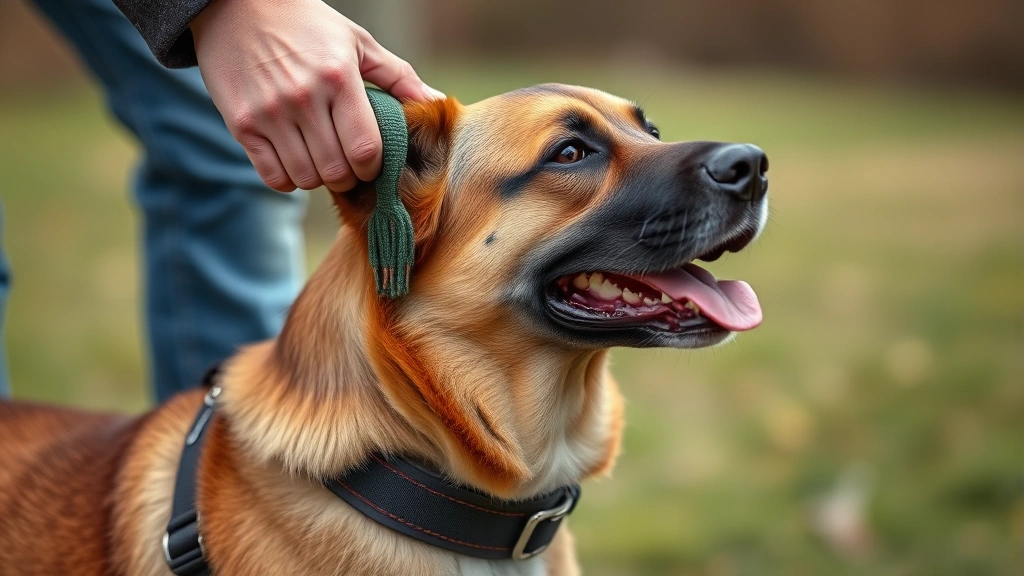
Here’s the thing: even the best harness with handle won’t help if your dog hates wearing it. Introduce it slowly with positive associations. Let them sniff it, reward them for showing interest, then gradually work up to wearing it during short, happy experiences. Using training treats from human food can make the process faster—most dogs will tolerate just about anything if cheese is involved. Keep early sessions short and end on a positive note. Within a week or two, most dogs stop caring about the harness entirely.
Harness vs. Collar: Why the Handle Makes All the Difference
A traditional collar with a handle? That’s basically a chokehold with a grab point. A proper harness distributes pressure across the chest, which is biomechanically sound for dogs. The handle then gives you that emergency control without the risk of tracheal damage. It’s the difference between a noose and a proper lifting device. Your dog’s neck isn’t meant to bear their weight or handle sudden jerks, but their chest and shoulders can handle it just fine. That’s why veterinarians and trainers consistently recommend harnesses over collars for walking and training.
Size and Fit: Getting It Right
A harness that doesn’t fit is basically useless. Measure your dog’s chest and neck according to the manufacturer’s guidelines—don’t just guess. You should be able to fit two fingers between the harness and your dog’s body. Too tight restricts movement and causes discomfort; too loose defeats the purpose of having control. Check the fit regularly, especially with puppies who grow like weeds. For breeds like Cavachon dogs, sizing can be tricky since they’re between small and medium—when in doubt, go with the size that allows for proper adjustment.
Maintenance and Care Tips
Your harness with handle will last longer if you actually maintain it. Most can be hand-washed with mild soap and water—check the manufacturer’s instructions. Let it air dry completely before storing to prevent mildew. Check the stitching regularly for signs of wear, and replace the harness if you notice significant damage. A well-maintained harness can last years, while a neglected one might fail when you need it most. It’s the same principle as maintaining your Carhartt dog collar—quality gear deserves quality care.
Real-World Scenarios Where the Handle Saves the Day
Picture this: you’re at the vet’s office, and your anxious dog is trying to bolt. That handle lets you maintain control without yanking on their neck. Or you’re at a dog park and an off-leash dog approaches aggressively—the handle gives you the ability to quickly move your dog to safety. Loading your senior dog into the car? The handle makes it so much easier. Navigating a crowded street fair? You’ve got that extra point of control. These aren’t hypothetical scenarios; they’re real situations that happen regularly, and a good harness with handle makes them manageable.
Budget Considerations: Spending Smart on Dog Gear
You don’t need to drop $200 on a harness. Solid options exist in the $30-60 range that will serve you well for years. That said, if you’ve got a large breed or serious puller, spending a bit more for industrial-grade construction is worth it. Think of it as insurance against your dog escaping or getting injured. A $50 harness is cheap compared to the emergency vet visit or the stress of losing your dog. Budget for quality, but don’t feel pressured to buy the most expensive option—mid-range often offers the best value.
Compatibility with Other Gear
Your harness with handle should play nicely with other equipment. A good harness works with standard leashes, fits under winter coats, and doesn’t interfere with ID tags. If you’re using puppy safe human foods for training, you’ll want pockets or a way to access treats easily while wearing the harness. Some harnesses have attachment points for additional gear like GPS trackers or service dog vests. Think about your lifestyle and choose a harness that integrates smoothly with how you actually use it.
Frequently Asked Questions
Can I use a harness with handle for running with my dog?
Absolutely, but choose one designed for active use. The handle should be positioned so it doesn’t interfere with your dog’s stride, and the harness should be snug enough that it doesn’t shift during movement. Some dogs prefer harnesses without handles for running, so test it out during short jogs first.
Will a harness with handle work for puppies?
Yes, but you’ll need to size up frequently as they grow. Puppy-specific harnesses exist, but honestly, many puppies do fine in adjustable adult harnesses set to the smallest size. Just check the fit regularly—weekly during rapid growth phases.
How do I know if my dog is outgrowing their harness?
If you can’t fit two fingers comfortably between the harness and your dog’s body, or if your dog seems uncomfortable, it’s time to size up. Also check for hair loss or skin irritation where the harness sits.
Are harnesses with handles suitable for all dog breeds?
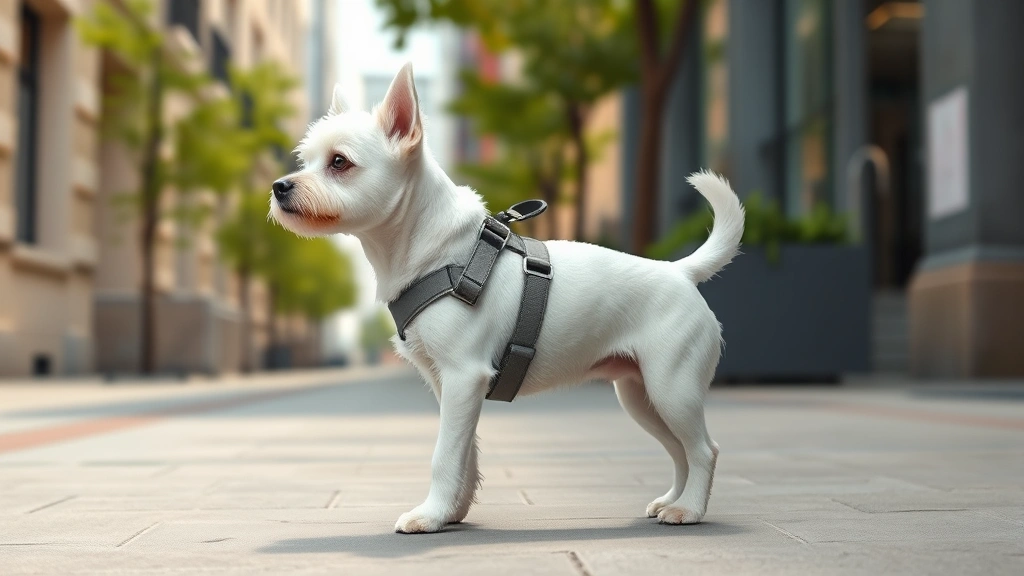
Yes, but you need the right size and style. Tiny breeds need delicate harnesses with proportional handles, while giant breeds need industrial-strength gear. The principle remains the same across all sizes.
Can I leave a harness on my dog all day?
Not recommended. Harnesses are for active use—walking, training, travel. Leaving one on constantly can cause chafing and restrict movement during rest periods. Remove it when your dog is home and relaxing.
What’s the difference between front-clip and back-clip harnesses?
Front-clip harnesses redirect pulling behavior, making them better for dogs that pull excessively. Back-clip harnesses are more traditional and better for dogs that already have decent leash manners. Some harnesses offer both options.
Final Verdict: Investing in the Right Harness
A quality dog harness with handle isn’t a luxury—it’s a practical investment in your dog’s safety and your sanity. Whether you choose the no-pull champion, the lightweight travel option, the heavy-duty beast master, the comfort-first pick, or the reliable workhorse, you’re making a decision that will impact your daily walks for years to come. The handle transforms a basic harness into a versatile tool that gives you control, safety, and peace of mind. Stop wrestling your dog and start walking with confidence. Your shoulders will thank you, and your dog will appreciate the comfort of a proper harness over a restrictive collar.





