

Learning the dog Heimlich maneuver could literally save your pet’s life during a choking emergency. Every dog owner dreads that moment when their furry best friend suddenly can’t breathe, eyes bulging, panic setting in. But here’s the good news: you don’t need to be a veterinarian to perform this life-saving technique. With the right knowledge and a little practice, you’ll be equipped to handle one of the most terrifying pet emergencies out there.
Table of Contents
- Understanding Choking in Dogs: Why It Happens
- Recognizing the Signs: Is Your Dog Really Choking?
- Step 1: Stay Calm and Assess the Situation
- Step 2: Open Your Dog’s Mouth and Look
- Step 3: Perform the Dog Heimlich Maneuver
- Step 4: Repeat and Reassess Between Attempts
- Step 5: Follow Up With Veterinary Care
- Prevention: The Best Medicine
- When to Call Emergency Veterinary Services
- Training and Preparedness
- Common Mistakes to Avoid
- Frequently Asked Questions
- Conclusion: Be Prepared, Stay Calm, Save Lives
Understanding Choking in Dogs: Why It Happens
Dogs are notorious for being curious creatures with mouths that work faster than their brains. Choking occurs when something becomes lodged in your dog’s throat or airway, blocking their ability to breathe. Unlike humans who can cough effectively, dogs often panic and struggle, making the situation worse. Common culprits include bones, rawhide chews, tennis balls, toys, and even food that’s been swallowed too quickly.
The scary part? Choking can escalate rapidly. Within minutes, your dog could lose consciousness. That’s why knowing the dog Heimlich technique isn’t just helpful—it’s essential. Before diving into the steps, it’s crucial to understand what you’re dealing with. Check out our guide on what not to feed your dog to prevent choking hazards before they become emergencies.
Recognizing the Signs: Is Your Dog Really Choking?
Not every cough or gag means your dog is choking. Sometimes it’s just a minor throat tickle. However, true choking has distinct warning signs you absolutely need to recognize. Your dog might be making high-pitched, wheezing sounds or complete silence—which is actually more alarming. They may paw frantically at their mouth, drool excessively, or show signs of extreme distress.
Their gums might turn blue or pale from lack of oxygen. Some dogs will collapse or become unresponsive. If you notice any combination of these symptoms, don’t wait around—act immediately. Time is literally life or death in these situations. When in doubt, it’s always better to err on the side of caution and assume choking is occurring.
Step 1: Stay Calm and Assess the Situation
I know it’s easier said than done, but panicking won’t help your dog. Take a deep breath. Your dog is feeding off your energy, and if you’re freaking out, they’ll panic harder, which can make the obstruction worse. Quickly assess whether your dog can cough, breathe, or swallow at all.
If they can cough effectively, sometimes that’s enough—let them work it out naturally. A productive cough is your dog’s body trying to dislodge the object. However, if they’re silent, gasping, or unable to cough, you need to move to the next step immediately. Don’t stick your fingers blindly down their throat unless you can clearly see the object. You might accidentally push it deeper or get bitten as your dog reflexively snaps.
Step 2: Open Your Dog’s Mouth and Look
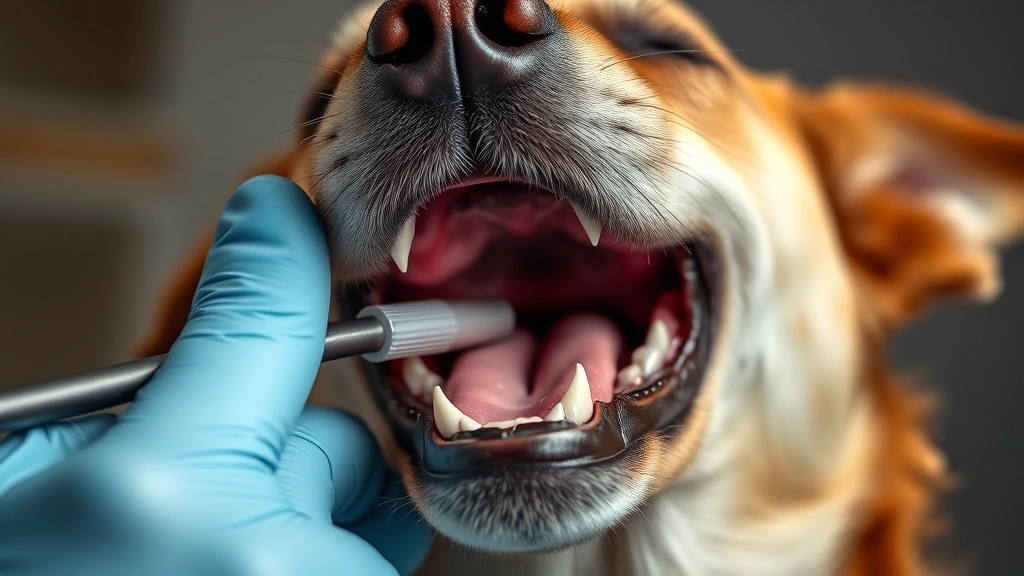
Gently open your dog’s mouth and look inside. If you can see the object clearly and it’s easily accessible, carefully try to remove it with your fingers or tweezers. Only do this if you’re confident you can grab it without pushing it further back. If the object is lodged deep in the throat or you can’t see anything, skip this step and move forward.
For larger dogs, you might need help—have someone hold your dog still while you look. For anxious dogs, remember they’re already scared, so use a calm, gentle voice. If your dog is small enough, you can hold them up to eye level to use gravity to help you see better. But don’t waste precious seconds if you can’t immediately spot and remove the object.
Step 3: Perform the Dog Heimlich Maneuver
This is the critical moment. The dog Heimlich technique works differently than the human version, and it’s absolutely vital you do it correctly. Position yourself behind your standing dog or straddle a larger dog between your legs. For small dogs, you can hold them in your lap.
For standing dogs: Place your hands just behind the rib cage, slightly above the belly. Make a fist with one hand and place it against the abdomen, right where the rib cage ends. Grasp your fist with your other hand. Now, thrust upward and inward with quick, firm motions—think of it as an upward punch toward the chest. Repeat 5-6 times in rapid succession.
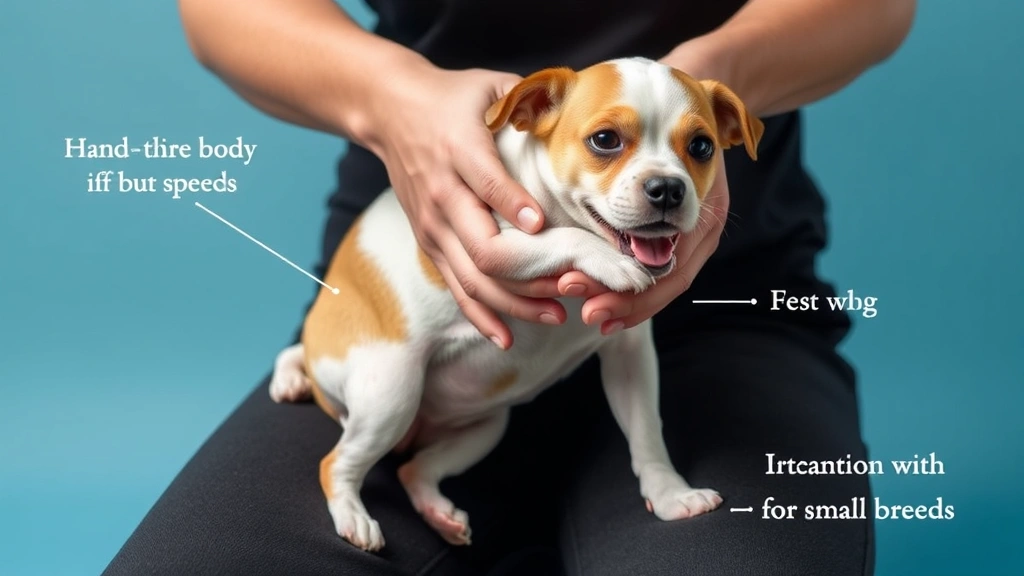
For small dogs: Hold them with their back against your chest. Place your fist just below the sternum (breastbone) and perform the same upward thrusts, but with less force—you don’t want to break their ribs. After each set of thrusts, check their mouth to see if the object has dislodged.
This maneuver works by forcing air out of the lungs suddenly, which creates pressure that should push the obstruction out. It’s similar to a cough on steroids. Don’t be timid here—you need to use enough force to be effective, but obviously not so much that you injure your dog.
Step 4: Repeat and Reassess Between Attempts
If the object doesn’t come out on the first set of thrusts, repeat the process. Perform another 5-6 thrusts, then check the mouth again. Keep repeating this cycle. After every couple of attempts, open the mouth and look to see if the object has moved or come loose.
Some objects take multiple attempts to dislodge. Don’t give up after one try. However, if you’ve attempted the maneuver 3-4 times without success and your dog is becoming unresponsive or losing consciousness, you need to get to an emergency veterinary clinic immediately. Call ahead if possible so they’re prepared for your arrival.
Step 5: Follow Up With Veterinary Care
Even if you successfully remove the object, your dog still needs to see a veterinarian as soon as possible. There could be internal injuries you can’t see—tears in the esophagus, throat damage, or aspirated material in the lungs. Your vet will perform a thorough examination and may take X-rays to ensure everything is okay.
Additionally, your vet can identify what caused the choking and help you prevent future incidents. This is also a perfect time to discuss healthy pet treats and safer alternatives to choking hazards. Some dogs are chronic chokers, and your vet might recommend specific preventative measures or dietary changes.
Prevention: The Best Medicine
Now that you know how to handle a choking emergency, let’s talk about preventing one. The most obvious step is removing choking hazards from your home. This means supervising playtime with toys, avoiding toys with small parts that can be chewed off, and being selective about treats.
Bones, especially cooked ones, are a major culprit. Rawhide chews can expand in the stomach and cause blockages. Certain foods are dangerous too—check our resource on chocolate toxicity in pets and grapes and raisins toxicity to understand food dangers beyond choking.
Feed your dog appropriately-sized meals in a calm environment. Dogs who eat too quickly are more prone to choking. Consider using slow-feeder bowls or puzzle feeders to encourage slower eating. Keep your dog away from your plate and dining table—human food is a common choking culprit.
When to Call Emergency Veterinary Services
If your dog becomes unresponsive, loses consciousness, or you cannot dislodge the object after multiple attempts, call your emergency vet immediately. Don’t waste time trying repeatedly if the maneuver isn’t working. Some obstructions require professional removal or even surgery.
Additionally, if your dog has difficulty breathing, swallowing, or eating after the incident, seek immediate veterinary attention. Persistent gagging, drooling, or refusing food could indicate internal injury. When in doubt, contact your vet. They’d rather you call for a false alarm than have you wait too long in a genuine emergency. Consider discussing pet telehealth options with your veterinarian for quick consultations when you’re unsure about symptoms.
Training and Preparedness
Knowledge is power, but practice makes perfect. If possible, take a pet first aid course that includes choking instruction. Many veterinary clinics and animal organizations offer these classes. Practicing the maneuver on a stuffed animal or pillow can help you feel more confident if the real situation ever happens.
Keep your vet’s number and your nearest emergency clinic’s number readily available—maybe programmed into your phone with a special contact name so you can find it quickly in a panic. Have a plan before an emergency strikes. Talk to your family members about what to do if they witness choking. The more prepared you are, the better your response will be when adrenaline is pumping.
Common Mistakes to Avoid
Don’t panic and call your dog names or show anger—they’re already terrified. Don’t perform the Heimlich if your dog is coughing productively; let them cough it out first. Don’t use excessive force that could break ribs, especially in small breeds. Don’t give up too quickly, but also don’t waste time if multiple attempts fail.
Avoid sticking your fingers down the throat blindly if you can’t see the object. You might push it deeper or get bitten. Don’t assume your dog is fine just because you removed the object—follow up with veterinary care. And please, don’t feed your dog bones, especially cooked ones, thinking it’s natural or healthy. It’s not worth the risk.
Frequently Asked Questions
How do I know if my dog is choking versus coughing?
Choking typically involves complete or near-complete inability to breathe, often with silence or high-pitched wheezing. The dog may panic, paw at the mouth, and have bulging eyes. Coughing involves actual cough sounds and the dog can usually still breathe. If unsure, treat it as choking—it’s better to be safe.
Can I perform the Heimlich on a small dog?
Yes, but with modifications. Hold the small dog in your lap with their back against your chest. Place your fist just below the sternum and perform gentler upward thrusts. Use significantly less force than you would with a large dog to avoid rib fractures.
What if the object comes out but my dog still seems to be struggling?
Get to a veterinarian immediately. There could be throat damage, swelling, or aspiration of material into the lungs. Even if your dog seems okay, internal injuries might not be immediately obvious. Professional evaluation is essential.
Is it safe to give my dog bones?
Cooked bones are dangerous and can splinter, causing choking or internal injuries. Raw bones are slightly safer but still pose choking and blockage risks. It’s best to avoid bones entirely and choose safer alternatives like rubber toys or dental chews designed for dogs.
How often should I practice the Heimlich maneuver?
Practice on a stuffed animal or pillow at least once a month so the technique becomes muscle memory. If you take a pet first aid course, they’ll provide hands-on practice. The goal is to be so familiar with it that you can perform it instinctively during an emergency.
Should I attempt the Heimlich if my dog is unconscious?
Yes, absolutely. An unconscious dog can’t protect their airway, so the Heimlich might be their only chance. Perform the maneuver and then rush to an emergency vet. After dislodging the object, check if they’re breathing and have a pulse.
Conclusion: Be Prepared, Stay Calm, Save Lives
The dog Heimlich maneuver is a critical skill that every dog owner should master. While we hope you never need to use it, knowing these five essential steps could mean the difference between life and death for your beloved pet. Remember: stay calm, assess the situation, look in the mouth, perform the maneuver with confidence, and seek veterinary care immediately afterward.
Prevention is always better than treatment, so remove choking hazards, supervise playtime, and feed your dog appropriate foods in a calm environment. Keep emergency vet numbers handy, consider taking a pet first aid course, and practice the technique until it becomes second nature. Your dog depends on you to keep them safe, and now you have the knowledge to do exactly that. Don’t let fear paralyze you in an emergency—you’ve got this, and your furry friend is lucky to have such a prepared and caring owner.





